


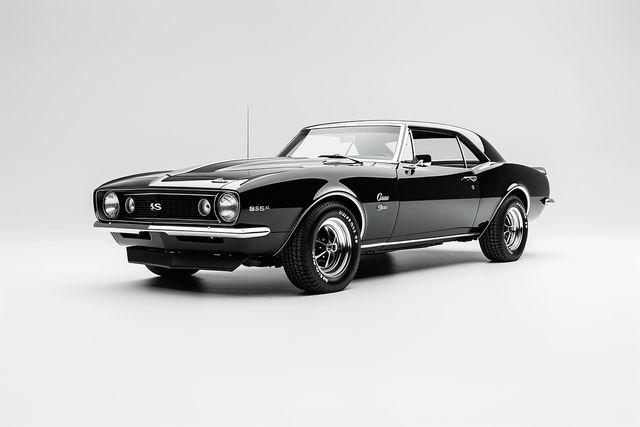
Looking to own a classic muscle car without breaking the bank? This guide shows budget-conscious buyers how to choose, restore, and enjoy a restored muscle car. Learn where to find affordable projects, what to inspect before buying, and how to maximize value while keeping costs under control. Whether you’re a first-time restorer or planning your next project, this guide helps you make smart, money-saving decisions.
What Makes a Muscle Car Worth Restoring
A muscle car is worth restoring when the final result can give you strong performance, classic looks, and solid resale value without blowing your budget. For many buyers, restoration is not about building a perfect show car. It’s about getting a powerful, good-looking classic for less money than buying a fully restored one upfront.
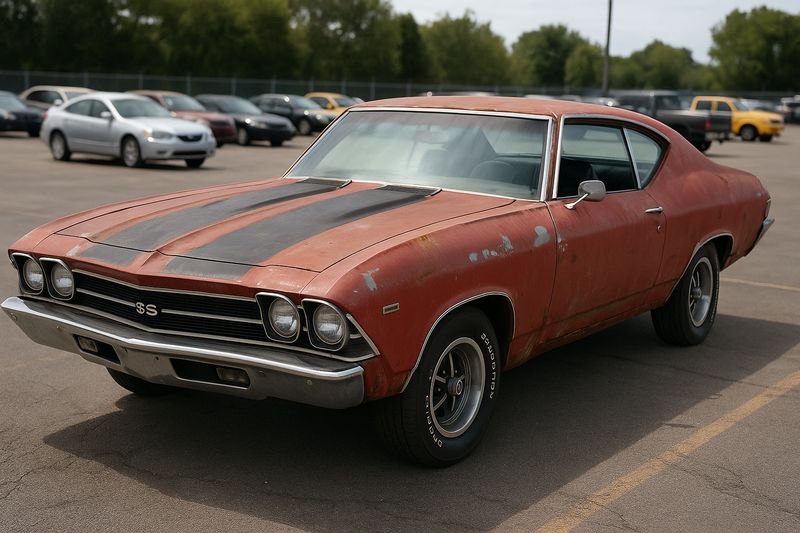
If you’re browsing online auto auctions, you’ll often see muscle cars that look rough but still have strong bones. That’s where smart buyers can win. A car with cosmetic damage but a solid frame, available parts, and a loyal fan base is usually a good restoration candidate.
Key Features of Classic Muscle Cars
Classic muscle cars share a few traits that make them attractive for restoration, even on a tight budget.
First, they were built simple. Older engines are easier to work on, and many repairs can be done without expensive diagnostic tools. That’s a big plus if you plan to handle some work yourself or use a local mechanic.
Second, parts availability matters. Models like the Ford Mustang or the Chevrolet Camaro have huge aftermarket support. You can find used, reproduction, or aftermarket parts at different price levels.
Third, muscle cars have timeless design. Even with faded paint or worn interiors, the shape still turns heads. That visual appeal makes restoration feel rewarding and helps protect resale value later.
Why Restored Muscle Cars Are Popular with Budget Buyers
Many budget buyers turn to restored muscle cars because buying one in perfect condition is often out of reach. A fully restored classic can cost as much as a new car. A project car, on the other hand, spreads the cost over time.
For example, someone with a limited budget might buy a salvage-title muscle car from an auction for a lower upfront price. Instead of paying everything at once, they restore it step by step: brakes this month, interior later, paint when money allows.
There’s also pride involved. Driving a car you helped bring back to life feels different than buying something ready-made. For many buyers, that emotional value is just as important as saving money.
Pros and Cons of Choosing a Restoration Project
Pros are clear. You pay less upfront, you control the quality of repairs, and you learn exactly what’s been fixed. You can also customize the car to your taste instead of accepting someone else’s choices.
But there are cons you can’t ignore. Restoration almost always takes longer and costs more than planned. Hidden rust, engine issues, or missing parts can quickly stretch your budget. If you rely on the car for daily driving, downtime can also be a problem.
That’s why it’s important to be honest with yourself. If you enjoy the process and can handle surprises, a restoration project makes sense. If you want instant reliability, it may not.
Common Myths About Restoring Muscle Cars
One common myth is that you need expert skills to restore a muscle car. In reality, many owners start with basic knowledge and learn as they go. Online forums, videos, and local clubs make learning much easier than it used to be.
Another myth is that restoration is always cheaper. It can be cheaper, but only if you plan carefully and choose the right car. A cheap purchase price doesn’t help if the car needs rare or expensive parts.
Some people also believe restored muscle cars are bad investments. While they won’t make everyone rich, popular models with clean work often hold value better than many modern cars. For budget buyers, that stability matters.
How to Choose the Right Muscle Car for Restoration
Choosing the right muscle car is where most budget buyers either save money or lose it. The goal is not to find the rarest model or the most powerful engine. The goal is to find a car that matches your budget, skills, and patience level. A smart choice at the start can save you thousands later.
Setting a Realistic Budget
Before bidding on any car, decide how much you can really afford — not just to buy the car, but to finish it. Many first-time buyers focus only on the auction price and forget about repairs, parts, shipping, and registration.
A good rule is to split your budget into two parts: purchase price and restoration fund. For example, if you have $15,000 total, spending $6,000–$7,000 on the car itself gives you room to fix what matters most first: safety, engine, and reliability.
If money is tight, don’t chase perfection. A driver-quality muscle car that looks good from 10 feet away is often much smarter than a half-finished “dream build” that drains your wallet.
Evaluating Project Difficulty (Beginner vs. Advanced Builds)
Not all restoration projects are equal. Some are beginner-friendly, others are best left to experienced builders.
Beginner projects usually involve cosmetic work, light mechanical repairs, and interior refreshes. Cars that run, drive, and stop — even poorly — are much safer choices for first-timers.
Advanced builds include full engine rebuilds, major rust repair, frame work, or missing titles and parts. These projects can spiral fast if you rely on shops instead of doing the work yourself.
If this is your first restoration, it’s better to buy a simpler car that needs less work than a cheap car that needs everything.
How to Check Parts Availability
Parts availability can make or break your restoration budget. Popular muscle cars are popular for a reason — parts are easier and cheaper to find.
Before you bid, search online for basic parts like fenders, brake kits, trim, and interior pieces. If you can find multiple options at different price levels, that’s a good sign.
Cars like the Dodge Charger benefit from strong aftermarket support. That means you don’t have to hunt rare parts or pay premium prices just to keep the project moving.
If parts are hard to find, expect delays, higher costs, and frustration.
Rust, Frame, and Engine Considerations
Rust is the biggest budget killer in muscle car restoration. Surface rust is normal and manageable. Structural rust in the frame, floor pans, or suspension mounts is expensive to fix.
Always prioritize the frame and body structure over looks. Faded paint is cheap to live with. A bent frame is not.
Engines are another key factor. A non-running engine isn’t always a deal-breaker, but missing engines or heavily damaged blocks can push costs way up. Sometimes it’s cheaper to rebuild a tired engine than to replace one entirely.
Choosing Between Full Restoration and Restomod
A full restoration aims to return the car to factory condition. This can be rewarding, but it’s often more expensive because original-style parts and finishes cost more.
A restomod blends classic looks with modern upgrades like better brakes, suspension, or a newer engine. For budget buyers, this option often makes more sense. Modern parts can be cheaper, easier to find, and more reliable for daily driving.
If your goal is enjoyment, not trophies, a clean restomod can give you the best balance of cost, comfort, and performance.
Where to Buy Muscle Cars for Restoration
Finding the right place to buy a muscle car is just as important as choosing the right model. For budget buyers, the goal is simple: pay less upfront and avoid sellers who already added a big markup. Each buying option has its pros and cons, and knowing them helps you avoid costly mistakes.
Salvage Auctions (Copart, IAAI)
Salvage auctions are one of the best sources for affordable muscle cars if you know what you’re doing. These platforms sell vehicles with damage, insurance claims, or non-standard titles, which keeps prices lower than the retail market.
Many budget buyers use auctions to find cars with cosmetic damage, minor mechanical issues, or long-term storage problems. These issues often look scary in photos but are cheaper to fix than heavy rust or frame damage.
The downside is risk. You usually can’t test-drive the car, and inspections are limited. That’s why it’s important to read listings carefully, check damage reports, and focus on cars that still run or have clear documentation.
Private Sellers
Buying from a private seller can be a mixed bag. On the plus side, you can talk directly to the owner, inspect the car in person, and sometimes negotiate a better price.
Some private sellers are enthusiasts who lost interest or ran out of time and money. These situations can lead to good deals, especially if the project stalled halfway through.
However, many private sellers overestimate the value of their car based on emotional attachment. If the price feels too close to a fully restored example, it usually is.
Classic Car Dealerships
Classic car dealerships offer convenience, but that convenience comes at a cost. These cars are often cleaned up, partially restored, or already running well.
For buyers with limited budgets, dealerships are rarely the best option for a project car. Most of the savings potential is already gone, because the dealer added profit on top of the work done.
Dealerships make more sense if you want a finished or near-finished car and don’t plan major restoration work.
Barn Finds and Estate Sales
Barn finds and estate sales are the dream scenario for many muscle car fans, but they’re not as common as social media makes them look.
When they do happen, they can offer real value. These cars are often untouched for years and priced based on condition, not hype. Families may want a quick, simple sale rather than top dollar.
The risk is uncertainty. Long-term storage can hide serious issues like seized engines, deep rust, or missing paperwork. These cars require careful inspection and realistic expectations.
Tips for Spotting Hidden Value at Auctions
Hidden value usually comes from cars that look worse than they really are. Faded paint, worn interiors, or outdated wheels scare off many bidders, but these are often the cheapest fixes.
Look for listings that show consistent photos, original components, and complete drivetrains. A car that runs but looks rough is often better than a shiny non-runner.
Also pay attention to location and timing. Cars listed in less popular regions or during slow bidding periods sometimes sell for less.
Inspection Checklist Before You Buy
A careful inspection is the best way to protect your budget. Many muscle cars look tempting in photos, but small details can turn a “cheap project” into a money pit. This checklist focuses on what really matters for buyers who want value, not surprises.
Exterior and Frame Condition
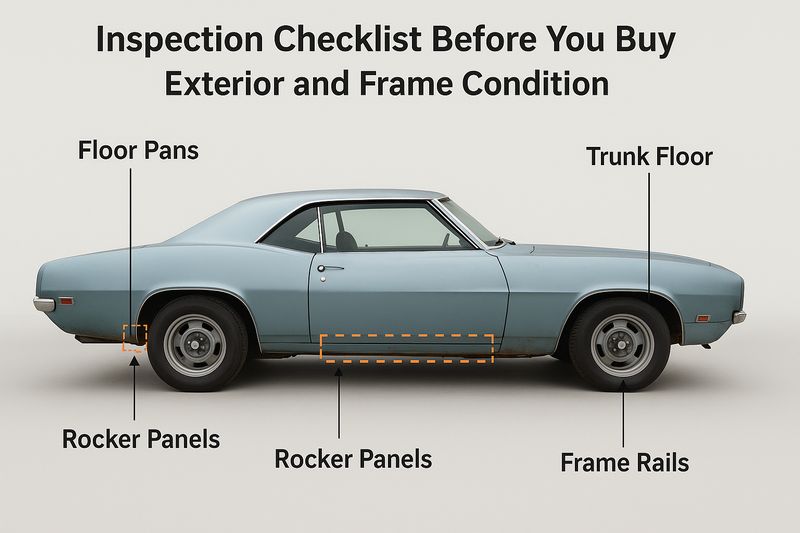
Start with the body and frame, not the paint. Faded paint, dents, and scratches are normal and usually cheap to fix later. Structural problems are not.
Look closely for rust around floor pans, rocker panels, trunk floors, and frame rails. These areas are expensive to repair and often hidden in photos. Uneven panel gaps or doors that don’t close right can point to past accidents or frame damage.
If the frame is solid, cosmetic flaws are acceptable. If the frame is bad, walk away — no matter how cheap the car looks.
Engine and Drivetrain Status
A running engine is a big plus, even if it runs poorly. An engine that starts, idles, and moves the car gives you a better idea of what you’re working with.
Check if the engine is original, swapped, or missing. Missing engines or transmissions usually mean higher costs and longer delays. Leaks, smoke, or strange noises are common in older cars, but total engine failure quickly eats into your budget.
If possible, confirm that the transmission shifts and the differential isn’t locked or damaged.
Suspension and Brakes
Worn suspension and brakes are normal on older muscle cars, and they’re usually not deal-breakers. Bushings, shocks, brake lines, and calipers are all expected restoration items.
What you should watch for is severe corrosion, bent suspension parts, or signs of poor previous repairs. These can increase labor costs and affect safety.
For budget buyers, it’s fine if the car needs suspension work — just factor it into your plan.
Interior Components and Electronics
Interior condition affects comfort more than value, but missing parts add up fast. Seats, dashboards, gauges, and trim pieces can be costly if they’re rare or model-specific.
Check if the dashboard is cracked, gauges are missing, or wiring looks hacked. Old wiring can cause endless small problems that drain time and money.
A worn interior is acceptable. A stripped or incomplete interior should lower the price significantly.
Title Status: Clean, Salvage, or Rebuilt
Title status matters more than many first-time buyers realize. A clean title is the easiest option, but it’s usually more expensive.
Salvage and rebuilt titles are common at auctions and can offer big savings. The key is understanding your local registration rules before buying. Some states make it easy to register rebuilt cars, others don’t.
If the paperwork isn’t clear, assume extra time and cost.
Hidden Problems You Should Watch For
Hidden problems are what break budgets. Watch for signs of flood damage, like moldy interiors, corrosion under seats, or foggy gauges. These issues are hard and expensive to fix.
Also be cautious of cars that look freshly “cleaned up.” New paint over rust, fresh undercoating, or brand-new interiors can hide serious problems underneath.
When in doubt, choose honesty over shine. A rough but honest muscle car is almost always a better restoration candidate than a pretty one hiding big issues.
Estimated Restoration Costs
Understanding restoration costs upfront helps you stay in control of your budget. Many first-time buyers underestimate how fast small expenses add up. The goal is not to build a perfect show car, but a solid, enjoyable muscle car that makes financial sense.
Cost of Parts
Parts are the backbone of any restoration. Prices vary widely depending on the model and how original you want to stay.
Basic maintenance parts like brakes, suspension components, hoses, and belts are usually affordable and easy to find. Cosmetic parts like trim, emblems, and interior pieces can be surprisingly expensive, especially if they’re model-specific.
A smart way to save money is to prioritize function over looks early on. Make the car safe and reliable first, then upgrade appearance when your budget allows.
Paint and Bodywork Expenses
Paint and bodywork are often the most expensive parts of a restoration. A basic driver-quality paint job can cost a few thousand dollars, while a full show-quality finish can easily exceed the value of the car.
Bodywork costs depend on rust, dents, and previous repairs. Light sanding and repainting is manageable. Rust repair, panel replacement, and frame straightening are not.
Many budget buyers choose to live with imperfect paint for a while. A solid car with average paint is better than a shiny car with hidden problems.
Engine Rebuild or Replacement Cost
Engine costs depend on condition. A simple refresh with gaskets, seals, and tune-up parts is affordable. A full rebuild with machining, new internals, and labor can quickly become expensive.
Sometimes replacing an engine is cheaper than rebuilding one, especially if the original block is damaged. Used or crate engines can save time, but they still require installation and supporting upgrades.
If the engine runs, even poorly, that’s usually a good starting point for a budget build.
Interior Restoration Cost
Interior restoration ranges from inexpensive to costly depending on how complete the car is. Seat covers, carpets, and headliners are usually manageable expenses.
Dashboards, gauges, and trim pieces can drive costs up fast if they’re cracked or missing. Electrical issues also add time and frustration.
For budget buyers, a clean but imperfect interior is a win. Full interior restorations can wait until the car is fully drivable.
Labor Costs vs. DIY Savings
Labor is where many budgets collapse. Professional shops charge by the hour, and restoration hours add up fast.
Doing basic work yourself — like removing parts, cleaning, assembling, or installing bolt-on components — can save thousands. Even simple DIY tasks make a big difference over time.
You don’t need to do everything yourself. Mixing DIY work with professional help is often the smartest approach.
How to Avoid Overspending
The best way to avoid overspending is to set priorities and stick to them. Safety, reliability, and structural integrity come first. Cosmetic upgrades come later.
Track every expense, even small ones. Little purchases add up quickly. Avoid buying parts too early, especially before confirming fitment and compatibility.
Tools, Equipment, and Skills Needed
You don’t need a full professional garage to restore a muscle car, but having the right tools and knowing your limits can save you time, money, and frustration. For budget buyers, the smartest approach is to start simple and add tools only when they’re truly needed.
Essential Tools for Beginners
Most beginner restoration work can be done with basic hand tools. A solid socket set, wrenches, screwdrivers, pliers, and a torque wrench will cover a large portion of mechanical tasks.
You’ll also need a floor jack, jack stands, and basic electrical tools like a multimeter and wire crimpers. These tools are affordable and useful beyond just one project.
Many budget buyers start with used tools or borrow from friends. That’s perfectly fine. Tools don’t need to be new — they need to be reliable.
Advanced Tools for Engine and Body Work
Advanced tools are not required at the start, but they become useful as the project grows. Engine stands, engine hoists, and compression testers help when dealing with drivetrain work.
For bodywork, tools like sanders, welders, and body hammers can make repairs possible at home. However, these tools require practice. Poor welding or bodywork can create more problems than it solves.
If you don’t plan to do major body or engine work yourself, it’s often cheaper to skip buying these tools altogether.
Safety Gear
Safety is often overlooked, but it should never be optional. Gloves, eye protection, and hearing protection are basic and inexpensive.
Respirators are important for sanding, painting, and working with chemicals. Fire extinguishers should always be nearby when working on fuel systems or electrical components.
Injuries cost more than tools. Protecting yourself is part of protecting your budget.
When You Should Hire a Professional
Some jobs are better left to professionals, especially if mistakes can damage the car or put you at risk. Frame repair, advanced welding, paintwork, and complex engine machining usually fall into this category.
Hiring a professional for critical tasks can actually save money by preventing costly rework. Many budget builders choose to do removal and installation themselves, then pay a shop only for the specialized part of the job.
Step-by-Step Guide to Restoring a Muscle Car
Restoring a muscle car works best when you treat it like a long-term project, not a weekend fix. For budget buyers, planning and patience matter more than speed. This step-by-step guide focuses on doing things in the right order so you don’t waste time or money.
Planning the Project
Good planning prevents budget disasters. Before turning a single bolt, decide what kind of car you want at the end: daily driver, weekend cruiser, or show-style build.
Timeline Expectations
Most first-time restorations take longer than expected. A realistic timeline for a budget build is measured in months, not weeks. Waiting on parts, saving money between stages, and learning new skills all slow the process.
Accepting this early helps reduce stress and rushed decisions.
How to Prioritize Tasks
Always prioritize safety and reliability first. Brakes, steering, suspension, and drivetrain come before paint and interior work.
Cosmetic upgrades should wait until the car runs, drives, and stops properly.
Disassembly
Disassembly is where many projects go wrong. Rushing this stage creates confusion later.
Labeling and Organizing Parts
Label everything. Use bags, tags, and photos. Store bolts with the parts they belong to.
This saves hours of frustration during reassembly and prevents buying parts you already have.
Common Mistakes to Avoid
Avoid throwing parts into random boxes. Avoid disassembling more than you can reassemble.
If something works, consider leaving it alone until later in the project.
Body and Paint
Bodywork determines how the car looks, but it shouldn’t destroy your budget.
Rust Removal Techniques
Surface rust can be sanded or treated with rust converters. Heavier rust may require patch panels or welding.
Focus on structural areas first. Cosmetic rust can wait.
Paint Preparation Tips
Good paint starts with preparation. Cleaning, sanding, and proper masking matter more than expensive paint.
Many budget builders choose a single-color repaint or wrap to save money.
Engine and Mechanical Work
Mechanical reliability is the heart of any restoration.
Rebuilding vs. Replacing
Rebuilding an engine makes sense if the block is solid. Replacement engines can be cheaper if major damage is present.
Choose the option that fits your skills and budget, not just originality.
Fuel, Cooling, and Exhaust Systems
Old fuel lines, radiators, and exhaust systems cause many problems. Replacing these early improves reliability and safety.
Modern upgrades often cost little more than stock replacements.
Electrical and Interior Work
Electrical issues are common in older cars but manageable with patience.
Wiring Basics
Inspect wiring for cracks, corrosion, and poor repairs. Replace damaged sections instead of patching them.
A clean wiring system prevents endless small problems later.
Upholstery and Dashboard Repairs
Seats, carpets, and dashboards can be restored in stages. Start with what affects comfort and visibility.
A functional interior matters more than a perfect one.
Final Checks and Road Testing
This is where everything comes together.
Performance Tuning
Once the car runs, fine-tune ignition timing, fuel delivery, and suspension settings. Small adjustments make a big difference.
Test changes one at a time to avoid confusion.
Safety Adjustments Before Driving
Before regular driving, recheck brakes, steering, lights, and tire condition. Short test drives help identify issues early.
A careful final check keeps your restoration enjoyable instead of stressful.
Tips to Maximize Your Car’s Value After Restoration
Restoring a muscle car isn’t just about driving enjoyment — it can also be a smart financial move. Even for budget buyers, small decisions during and after restoration can significantly affect resale value. Here’s how to get the most out of your project.
Choosing the Right Modifications
Modifications can increase or decrease value depending on how they’re done. Period-correct upgrades, tasteful restomods, and improvements that enhance reliability usually add value.
Avoid extreme customizations that narrow the buyer pool. For example, a wild paint job or oversized engine swap might appeal to one person but scare off most collectors. Balance style, performance, and authenticity.
Keeping Documentation and Photos
Document every step of your restoration. Keep receipts for parts, invoices for labor, and detailed photos of the car before, during, and after the work.
Buyers love proof that a project was done carefully. Documentation increases trust and can boost sale price, especially for partially restored or high-demand models.
How to Price and Sell a Finished Build
Research the market for similar restored cars before listing yours. Look at online auctions, classic car marketplaces, and local sales.
Highlight features that matter most: condition, drivability, originality, and tasteful upgrades. Transparency about modifications and maintenance builds confidence with buyers.
Timing matters too. Muscle car interest peaks seasonally, usually in spring and summer, when buyers are actively looking.
Avoiding Common Mistakes That Lower Value
Over-restoring or over-customizing is a common mistake. Spending too much on unnecessary parts, exotic paint, or flashy interiors may not translate to higher resale.
Ignoring documentation or skipping maintenance records can also lower value. Buyers want assurance that the car runs well and was restored thoughtfully.
Finally, don’t rush the sale. A patient approach allows you to find the right buyer who appreciates your work and is willing to pay a fair price.
Conclusion
Restoring a muscle car can be an exciting and rewarding experience, especially for buyers on a budget. It’s not just about owning a classic — it’s about learning, creating, and turning a rough project into a car you can enjoy for years. With careful planning, smart choices, and patience, even first-time restorers can succeed without breaking the bank.
Key Takeaways for First-Time Restorers
Start with realistic expectations: budget, timeline, and skill level. Focus on safety and drivability before cosmetic perfection. Prioritize projects where parts are available and rust is manageable. Take the time to document your work, learn from resources, and don’t rush critical steps. Even small DIY tasks can save significant money while teaching valuable skills.
Why Auctions Are the Best Place to Find Affordable Project Cars
Online auto auctions like Copart and IAAI are goldmines for budget-conscious buyers. Cars are priced below market, damaged or salvage vehicles are easy to find, and the variety is huge. Auctions allow buyers to select cars that fit their restoration plans, whether it’s a beginner-friendly model or something with high performance potential. With careful research and inspection, auctions give first-time restorers a chance to secure a muscle car that’s both affordable and full of potential.
Are you interested in buying a vehicle from Online Auto Auctions?
With this being said – you can still export vehicles and save up a few thousand dollars with Bidndrive. We have an inventory of over 150k plus vehicles with titles you can export for you to choose from. Once you have placed your bid and won the auction a Bill of Sale document is then emailed to you as proof of purchase – after full payments have been made.
To gain access and get started on your purchase, sign up for free.
Further Reading:
From Salvage to Rebuilt: Complete Guide to Restoring a Salvage Title Car
Should You Buy a Salvage Car? Pros, Cons, and Expert Tips
What Does a Rebuilt Title Mean?
Turning a Salvage Title into a Clean Title: Is It Possible?
Frequently Asked Questions
- How much does it cost to restore a muscle car?
- What does it mean if a car is restored?
- How many hours to restore a muscle car?