


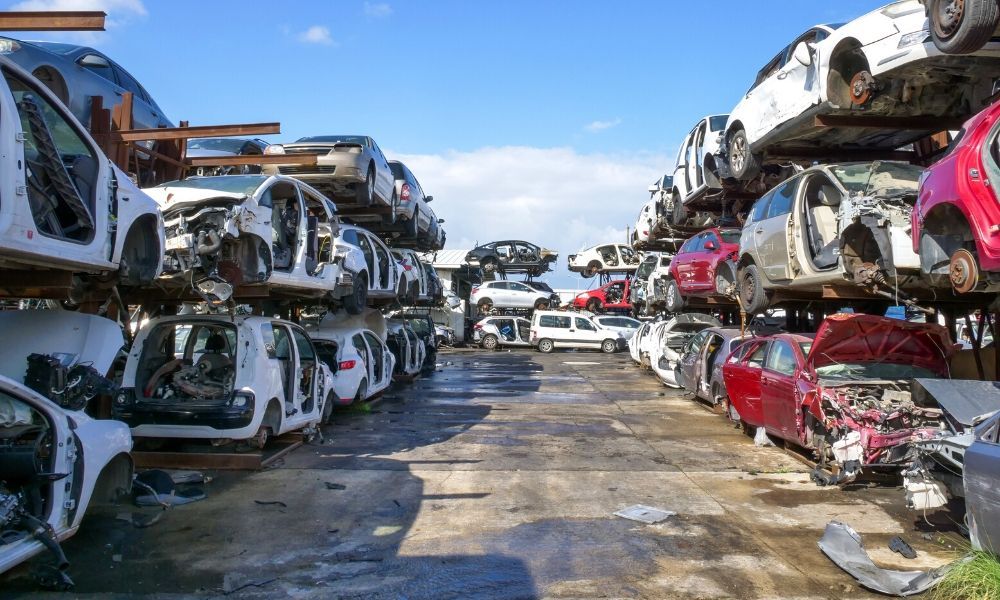
Are you considering buying a salvage car to save money on your next vehicle purchase? This guide will help you navigate the complexities of salvage titles, from understanding what they are to evaluating potential risks and rewards. We'll explore the benefits of buying salvage cars, where to find them, and tips for making informed decisions. Whether you're looking for a budget-friendly option or an exciting restoration project, this article provides valuable insights to help you decide if a salvage car is right for you.
What is a Salvage Car?
A salvage car is a vehicle that has been deemed a total loss by an insurance company, usually because the cost of repairs exceeds a certain percentage of its market value. When a car receives a salvage title, it signifies that the vehicle has sustained significant damage—though it doesn’t always mean that it’s completely wrecked or beyond repair. This can be an excellent opportunity for budget-conscious buyers looking for a deal, but it's essential to understand what a salvage title entails.
Definition of Salvage Cars
In simple terms, a salvage car is any vehicle that has been declared a total loss by an insurance company. This typically occurs in situations where the cost of repairs would exceed a specific percentage—often around 75%—of the car's value. For instance, if a vehicle is valued at $10,000, and the repairs are estimated to cost $8,000, the insurance company may opt to declare it a total loss rather than pay for repairs. Consequently, the car is sold at auction, and its title is changed to a salvage title.
Common Misconceptions about Salvage Vehicles
Many people assume that salvage cars are inherently dangerous or completely non-functional, but that’s not always the case. Here are some common misconceptions:
-
All Salvage Cars are Junk: While some salvage vehicles may be severely damaged, others might only require minor repairs. For example, a car that was damaged in a hailstorm might have cosmetic issues but could be mechanically sound.
-
They Can’t Be Insured: It’s a myth that salvage cars cannot be insured. Although finding coverage may be more challenging, many insurance companies do offer policies for salvage vehicles, particularly those that have been repaired and rebuilt.
-
Salvage Titles Are Permanent: While a vehicle retains its salvage title, it can be rebuilt and inspected for roadworthiness. Once it passes inspection, it may receive a rebuilt title, which indicates that it has been restored to a safe condition.
Reasons a Car May Be Salvaged
There are several scenarios that can lead to a car being classified as salvage. Here are a few common reasons:
-
Accidents: This is perhaps the most common cause of salvage titles. A car involved in a serious accident might sustain damage that exceeds the repair cost threshold set by the insurance company.
-
Theft Recovery: If a vehicle is stolen and later recovered, it might be given a salvage title if it has suffered significant damage during the theft or from being left unattended.
-
Natural Disasters: Cars affected by floods, hail, tornadoes, or other natural disasters may receive a salvage title due to the extent of the damage incurred. For instance, a vehicle that has been submerged in water can have lasting issues, even if it appears fine on the surface.
-
Vandalism or Fire Damage: Vehicles that are vandalized or damaged by fire may also end up with salvage titles, depending on the extent of the repairs needed.
What Issues Are Associated with Buying Salvage Cars?
Buying a salvage car can be an attractive option for budget-conscious buyers looking for a deal. However, it’s crucial to understand the potential challenges and risks involved in purchasing salvage title vehicles. While these cars can often be acquired at a fraction of their market value, they may come with complications that can affect your investment and overall satisfaction. Here, we explore some of the most common issues associated with buying salvage cars.
1. Difficulties in Obtaining Insurance
One of the most significant hurdles when purchasing a salvage car is obtaining insurance coverage. Many insurance companies are reluctant to insure salvage vehicles due to their history of damage, which makes it challenging to calculate the risk. Here are some key points to consider:
-
Higher Premiums or Limited Coverage: Even if you find an insurer willing to cover your salvage car, be prepared for potentially higher premiums. Additionally, some companies may offer only limited coverage options or exclude certain types of damage.
-
Rebuilding and Insuring: If you’re planning to repair a salvage car, it’s advisable to check with insurance companies beforehand. Some insurers may require that the car is repaired to specific standards before they will cover it. This means you may need to provide documentation, including receipts for parts and repairs.
-
Different Policies for Rebuilt Titles: Once a salvage vehicle is repaired and inspected, it may receive a rebuilt title, indicating that it is now roadworthy. Insuring a rebuilt car can be easier, but you will still need to do your research to find an insurance provider that offers coverage for these vehicles.
2. Repair Complexities
Repairing a salvage car can be a rewarding project, but it also comes with its own set of complexities. Here are some aspects to consider:
-
Unforeseen Issues: Many salvage cars come with hidden damages that are not immediately apparent. While a car may look fine externally, it could have underlying structural damage or mechanical issues that only become evident after starting repairs. This unpredictability can lead to unexpected costs and time delays.
-
Finding Parts: Sourcing parts for a salvage vehicle can be another challenge. While you may find replacement parts at junkyards or online, not all parts may be readily available. For older or rare models, this can become a frustrating and expensive endeavor. Moreover, if you opt to buy another damaged vehicle for parts, you need to ensure that it is worth the investment.
-
Skill Level Required: Depending on the extent of the damage, you may need advanced mechanical skills to successfully repair a salvage car. If you lack the experience, you might find yourself in over your head, leading to additional repair costs if you need to hire a professional mechanic.
3. Uncertainty of Recouping Expenses
When purchasing a salvage car, it’s essential to consider the financial implications. While you may save money on the initial purchase, several factors can impact your ability to recoup your investment:
-
Resale Value: The resale value of a salvage car is typically lower than that of a clean title vehicle, even after repairs. This means that if you plan to sell the car in the future, you may not be able to recover the total costs incurred for repairs and parts.
-
Market Demand: The demand for salvage cars can vary significantly based on the vehicle's make and model, as well as the extent of the damage. Certain vehicles may have a robust market for resale, while others may languish, making it difficult to find a buyer willing to pay a fair price.
-
Long-Term Reliability: Even after repairs, salvage vehicles may have lingering issues that could affect their reliability. If problems arise after the purchase, you might find yourself facing unexpected repair bills, further complicating your ability to recoup expenses.
Why Would You Want to Buy a Salvage Car?
Purchasing a salvage car can be a daunting prospect for many buyers, but for those willing to take the plunge, it can offer unique benefits. Whether you are looking to save money, embark on a restoration project, or find a reliable vehicle, buying a salvage car can be an appealing option. Here, we’ll explore the various advantages of purchasing salvage title vehicles and highlight scenarios where they can provide great value.
1. Potential for Significant Savings
One of the most compelling reasons to consider a salvage car is the potential for substantial savings. Salvage vehicles are often sold at a fraction of their market value, allowing savvy buyers to secure great deals. Here’s how this can work to your advantage:
-
Lower Purchase Price: Because salvage cars have been declared total losses by insurance companies, they are typically listed for much less than similar models with clean titles. This lower price can make it feasible for budget-conscious buyers to purchase a vehicle they might not have been able to afford otherwise.
-
Opportunity for Bargains: Auctions and private sales often feature a wide range of salvage vehicles. Buyers willing to put in the time to search for the right car can find incredible bargains, particularly if they are flexible regarding make, model, and year.
2. Opportunities for Restoration
For many, the allure of a salvage car lies in the potential for restoration. If you enjoy working on vehicles or are a skilled mechanic, a salvage car can provide a rewarding project. Here’s what you can gain from a restoration endeavor:
-
Customizing Your Vehicle: Buying a salvage car allows you the opportunity to create a vehicle tailored to your preferences. You can make custom modifications, choose specific parts, and make design decisions that suit your style. This level of personalization is often not possible with new or used cars.
-
Skill Development: If you’re looking to develop your mechanical skills, restoring a salvage vehicle can be an excellent way to learn. You’ll gain hands-on experience in troubleshooting issues, performing repairs, and understanding how different components of a car work together.
-
Satisfaction of Rebuilding: There’s a unique sense of accomplishment that comes from successfully restoring a salvage car. The process can be challenging, but the end result—driving a vehicle that you’ve brought back to life—can be incredibly rewarding.
3. Scenarios for Personal Use
Many buyers opt for salvage cars for personal use, and there are several scenarios where this choice makes sense:
-
Cost-Effective Transportation: For those who need a reliable vehicle without breaking the bank, salvage cars can be an ideal solution. If you’re looking for a commuter car or a vehicle for errands, a salvage car that requires minimal repairs can save you money in the long run.
-
Finding Hidden Gems: Some salvage vehicles may have only minor issues that are easily repaired. For example, a car that suffered cosmetic damage in a hailstorm may be mechanically sound and can be restored to excellent condition at a low cost. These “hidden gems” can provide exceptional value for personal use.
-
Vintage or Rare Models: If you have a passion for classic or rare vehicles, a salvage title may allow you to acquire a model that would otherwise be out of your price range. Restoring such vehicles not only preserves automotive history but can also yield a unique driving experience.
4. Resale for Profit
Investing in salvage cars can also provide an opportunity for financial gain. Here’s how you can turn a profit by buying and reselling salvage vehicles:
-
Flipping Cars: Many individuals buy salvage cars with the intent to restore them and resell them at a higher price. If you possess the skills to perform repairs and have a good understanding of the market, flipping salvage cars can be a lucrative venture.
-
Increased Market Value After Repairs: After a salvage car is repaired and receives a rebuilt title, its market value can increase significantly. This means that, with the right investments in time and money, you could potentially sell the vehicle for much more than your initial purchase price.
-
Targeting Specific Markets: If you know how to identify demand trends, you can focus on acquiring salvage vehicles that are likely to fetch higher resale prices. For example, certain popular makes and models may attract buyers looking for affordable alternatives to new cars.
Considering a Salvage Car? Explore Your Options
Now that you understand the pros and cons of buying a salvage vehicle, explore available auction listings to compare repairable cars and evaluate their potential.
- ✅ Access to salvage and rebuildable vehicles
- ✅ Detailed lot descriptions and photos
- ✅ Wide selection across U.S. locations
- ✅ Transparent buying process
Where Do You Find Salvage Vehicles?
Finding salvage vehicles can seem daunting, but there are several avenues through which you can discover these hidden gems. Understanding where to look and how to access these markets is crucial for budget-conscious buyers eager to take advantage of the significant savings associated with salvage cars. In this section, we will discuss the various places to find salvage vehicles, focusing on dealer-only auctions and the opportunities they present to private buyers.
1. Dealer-Only Auctions
One of the most fruitful sources for salvage cars is dealer-only auctions. These auctions are exclusive to licensed car dealers and are where dealerships source their inventory at lower prices. Here’s what you need to know about dealer-only auctions:
-
Access to a Wide Variety: Dealer-only auctions often feature a diverse range of salvage vehicles, including cars, trucks, and SUVs. This gives buyers access to a larger pool of options compared to traditional public auctions.
-
Lower Prices: Vehicles sold at dealer auctions are typically priced lower than those available at retail dealerships. Since dealers purchase in bulk and can sell cars at competitive rates, private buyers can benefit from significant savings.
-
Condition and History: Many dealers have a reputation to uphold, so they tend to provide more accurate condition reports and histories of the vehicles sold at these auctions. This transparency can help buyers make informed decisions about their potential purchases.
2. The Need for Dealer Licenses
While dealer-only auctions provide excellent opportunities, access to these sales typically requires a dealer license. Here are some important points to consider regarding the licensing process:
-
Obtaining a Dealer License: Acquiring a dealer license often involves a lengthy and complex process that can vary from state to state. It typically requires an application, background checks, and possibly a physical location for your business. Because of these requirements, obtaining a dealer license is usually not practical for most private buyers looking to purchase salvage cars occasionally.
-
Cost Considerations: Besides the application fees, obtaining a dealer license may involve additional costs such as insurance, bonding, and compliance with local regulations. These factors can deter individuals who only want to buy a salvage vehicle every now and then.
3. Accessing Dealer Auctions as a Private Buyer
Although obtaining a dealer license may not be feasible for the average buyer, there are alternative ways to access dealer-only auctions without the need for formal licensing:
-
Using Proxy Bidders: One of the most effective ways for private buyers to participate in dealer auctions is by using a proxy bidder. These services act as intermediaries that hold dealer licenses and can bid on behalf of private buyers. By partnering with a reputable proxy bidder, you gain access to the same inventory and auction benefits without needing a dealer license yourself.
-
Online Dealer Auctions: Many dealer-only auctions have transitioned to online platforms, making it easier for proxy bidders to access sales. With just a few clicks, you can view a wide array of salvage vehicles, check their condition, and set your maximum bid—all from the comfort of your home.
-
Auction Aggregator Websites: There are websites that aggregate listings from various dealer-only auctions, allowing you to browse multiple options in one place. These platforms often provide detailed descriptions, photos, and histories of the vehicles, making it easier for you to make informed decisions.
4. Public Auctions and Salvage Yards
In addition to dealer-only auctions, there are other places to find salvage vehicles:
-
Public Auctions: Some salvage vehicles are sold at public auctions, which can be attended by anyone. These auctions may include cars from various sources, including insurance companies and repossessions. The downside is that the selection may not be as extensive as in dealer-only auctions.
-
Salvage Yards: Local salvage yards can also be a good source of vehicles that may still have salvage titles. While many cars in salvage yards are dismantled for parts, some may still be suitable for repair and resale. Visiting salvage yards allows you to inspect vehicles personally, but you might need mechanical knowledge to assess their condition accurately.
-
Online Marketplaces: Websites like eBay Motors, Craigslist, and Facebook Marketplace often list salvage vehicles. These platforms can offer a mix of private sellers and dealers, providing opportunities to negotiate prices directly. However, it’s essential to perform due diligence and research the vehicle's history before making a purchase.
How Do Online Dealer Auctions Work?
In today’s digital age, accessing dealer-only auctions has become more accessible, thanks to the emergence of online platforms and proxy bidding services. For individuals without dealer licenses, these services open the door to an otherwise exclusive market where significant savings can be found on salvage vehicles. In this section, we’ll explain the role of proxy bidders and how they facilitate access to dealer auctions for private buyers. We will also delve into the process and advantages of using services like Bidndrive.
1. The Role of Proxy Bidders
Proxy bidders are licensed professionals who act as intermediaries between the auctioneer and the individual buyer. Here’s how they operate:
-
Licensing Advantage: Proxy bidders hold the necessary dealer licenses, allowing them to participate in dealer-only auctions. This is crucial because these auctions are not open to the general public, and only licensed dealers can bid on vehicles.
-
Bidding on Your Behalf: When you choose to work with a proxy bidder, you provide them with your budget and the types of vehicles you are interested in. The proxy bidder then bids on your behalf during the auction, ensuring that you stay within your specified budget.
-
Access to Auction Inventory: Proxy bidders typically have access to extensive online databases that include listings from various dealer auctions. They can help you find salvage cars that meet your criteria, saving you time and effort in searching.
2. The Process of Using Proxy Bidders
The process of utilizing a proxy bidder is straightforward and user-friendly. Here’s how it typically works:
-
Registration: The first step is to register with a proxy bidding service like Bidndrive. This usually involves creating an account, providing your contact information, and agreeing to the terms of service.
-
Vehicle Selection: Once registered, you can browse the available inventory of salvage vehicles on the platform. Many services offer advanced search functions, allowing you to filter vehicles based on make, model, year, and condition.
-
Set Your Budget: After identifying vehicles of interest, you can set a maximum bid for each. This budget helps the proxy bidder understand your financial limits and ensures that you don't exceed your comfort zone during the bidding process.
-
Bidding Process: During the auction, the proxy bidder places bids on your behalf, adhering to your specified budget. They utilize their knowledge of the auction dynamics to make competitive bids while keeping your interests in mind.
-
Winning the Auction: If the proxy bidder successfully wins the auction for a vehicle you are interested in, they will notify you, and you’ll proceed with the next steps, such as payment and vehicle transfer.
3. Advantages of Using Services Like Bidndrive
Utilizing a service like Bidndrive offers numerous advantages for private buyers seeking salvage vehicles. Here are some key benefits:
-
Wide Selection: Bidndrive boasts one of the largest databases of used, like-new, pre-owned, and salvage vehicles. You can browse a vast inventory without the limitations typically associated with public auctions.
-
User-Friendly Interface: The platform is designed to be intuitive, making it easy for buyers to search for vehicles, set bids, and track auction results. This user-friendly experience is especially beneficial for first-time buyers who may feel overwhelmed by the auction process.
-
Expert Guidance: Bidndrive provides access to knowledgeable representatives who can assist you throughout the bidding process. They can answer your questions, help you understand the auction dynamics, and guide you in making informed decisions.
-
Financing Options: In addition to auction access, Bidndrive often collaborates with financial advisors who can help you secure financing for your purchase. They offer competitive interest rates and flexible payment plans, making it easier to afford your salvage vehicle.
-
Comprehensive Support: The team at Bidndrive is dedicated to ensuring a smooth and hassle-free experience for buyers. From assistance with bidding to managing paperwork and registration, they support you every step of the way.
Estimate the Full Investment Before You Bid
Salvage vehicles can offer savings — but only if you calculate the full cost. Use the built-in calculator on each lot page to estimate auction fees, transportation, and overall purchase expenses before committing.
- ✅ Transparent auction fee estimates
- ✅ Transportation cost visibility
- ✅ Clear service pricing
- ✅ Better budgeting before repairs
What Are the Tips for Buying Salvage Cars?
Purchasing a salvage car can be a rewarding venture, especially for budget-conscious buyers looking to save money on their next vehicle. However, the process comes with its own set of challenges and risks. To help you navigate this complex market and make informed decisions, here are some practical tips for buying salvage cars.
1. Consult a Mechanic
One of the most crucial steps before purchasing a salvage car is to consult with a qualified mechanic. Here's why:
-
Expert Opinions: A mechanic can provide an accurate assessment of the vehicle's condition. They can identify hidden damages, potential repair issues, and estimate the costs associated with making the car roadworthy. This expert insight can help you avoid costly mistakes.
-
Understanding Repairs: Salvage vehicles can vary significantly in their repair needs. Some may require only minor fixes, while others could have extensive damage that may not be immediately visible. A mechanic can guide you on whether the vehicle is a good investment based on its repair requirements.
-
Negotiation Power: Armed with a mechanic’s assessment, you can negotiate a fair price with the seller. If the mechanic identifies significant issues, you can use this information to lower your offer or decide against the purchase altogether.
2. Know the Market
Understanding the market is essential when buying salvage cars. Here are some steps to help you navigate this aspect effectively:
-
Research Vehicle Value: Before bidding on a salvage vehicle, research its market value in good condition. Websites like Kelley Blue Book or Edmunds can provide you with a baseline price for the model you’re interested in.
-
Estimate Repair Costs: In addition to knowing the vehicle’s value, estimate the potential repair costs. Look for similar vehicles that have been repaired and sold to gauge how much you might need to spend. This information can help you determine if the salvage car is a worthwhile investment.
-
Compare Listings: Monitor online auction sites and classified listings to understand the average prices for similar salvage cars. This knowledge can help you recognize a good deal when you see one.
3. Become Familiar with Insurance Companies
Obtaining insurance for a salvage vehicle can be more challenging than for a traditional car. Here are some tips for navigating this aspect:
-
Research Insurance Providers: Some insurance companies are more willing to insure salvage vehicles than others. Research companies known for providing coverage for salvage or rebuilt title cars. Speak with representatives to understand their policies regarding salvage vehicles.
-
Use Existing Relationships: If you already have an insurance policy with a provider, start your inquiries with them. It may be easier to convince them to insure your salvage vehicle since you already have an established relationship.
-
Documentation is Key: After purchasing and repairing a salvage vehicle, ensure that you document all repairs and keep receipts for any parts bought. Insurance companies often require proof of repairs before issuing coverage.
4. Know Where to Get Parts for the Vehicle
Finding the right parts for a salvage vehicle can be a challenge, but knowing where to look can save you time and money. Here are some tips:
-
Explore Salvage Auctions: Salvage auctions are an excellent source for finding spare parts at a lower cost. You may find vehicles similar to yours that are being auctioned for parts, allowing you to buy what you need without breaking the bank.
-
Visit Junkyards: Local junkyards often have a range of vehicles that have been deemed non-repairable. These can be goldmines for parts at a fraction of the cost compared to buying new.
-
Online Marketplaces: Websites like eBay, Craigslist, and specialized automotive forums can connect you with individuals selling parts. Always ensure you verify the quality and condition of parts before purchasing.
-
Networking with Mechanics: Your mechanic may have contacts or recommendations for where to find parts. They often know of reliable sources that specialize in salvage parts and can help you secure what you need.
In conclusion, buying a salvage car can be a smart financial decision, offering significant savings and unique opportunities for those willing to invest time and effort into restoration. By understanding the potential risks and benefits, and knowing where to find these vehicles, you can make an informed choice. If you're ready to explore the world of salvage cars, register now at bidndrive.com, where you can browse a wide selection, place your bids, and drive home a great deal today!
Find Rebuildable Cars at Auction
If you’ve decided a salvage vehicle fits your goals, browse available listings and register to start bidding with full support from selection to delivery.
- ✅ No dealer license required
- ✅ Free membership registration
- ✅ Unlimited bidding
- ✅ Domestic transport and export worldwide