


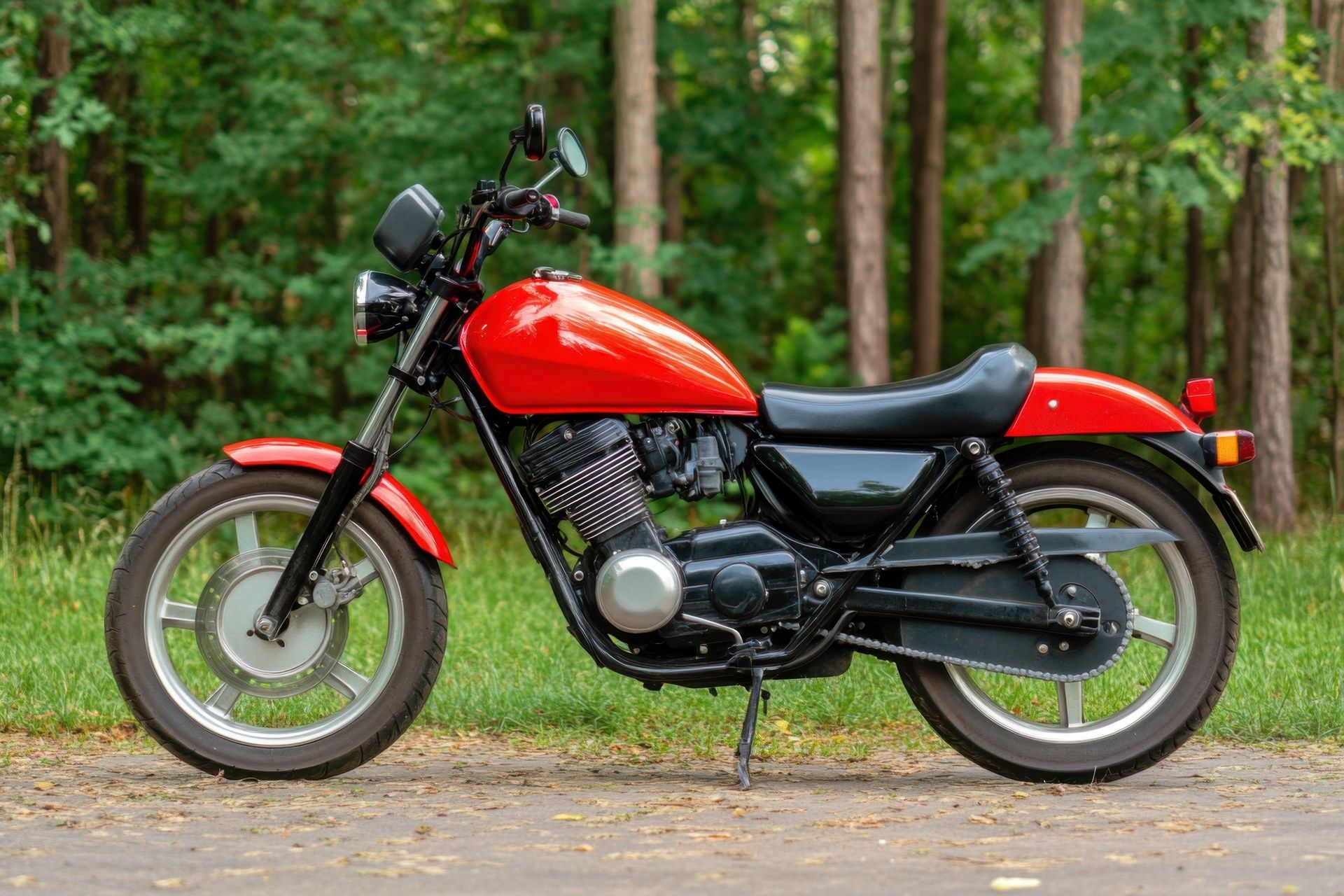
Buying a motorcycle with a salvage title can be a smart way to save money, but it comes with its own set of challenges. Understanding why these bikes are popular and the hurdles around insurance will help budget-conscious buyers make informed decisions.
Why salvage title motorcycles are popular with budget-conscious buyers
Salvage title motorcycles are typically vehicles that have been in accidents, floods, or suffered other damage but were later repaired and deemed roadworthy. Because of their history, they sell for much less than clean-title bikes. For example, a commuter looking for a reliable Honda CBR might find a salvage-title model for $3,000, compared to $6,000 for a similar clean-title bike. For riders who want a dependable motorcycle without spending a fortune, salvage bikes are an attractive option.
The challenge of getting insurance for salvage motorcycles
The main downside is insurance. Many companies are hesitant to provide full coverage for salvage-title motorcycles because of the bike’s history and higher risk of future repairs. Some insurers will only offer liability coverage, while others may offer limited comprehensive or collision coverage at higher rates. For instance, a rider who purchased a salvage Harley Davidson for $5,000 might find that full coverage costs nearly as much as it would for a $10,000 clean-title bike. Knowing your options and comparing insurers is crucial for making a salvage motorcycle purchase truly budget-friendly.
What Is a Salvage Title for a Motorcycle?
Understanding what a salvage title means is key for budget-conscious buyers considering a used motorcycle. The title affects the bike’s value, resale potential, and insurance options.
Definition of a salvage motorcycle
A salvage motorcycle is a bike that an insurance company has deemed a total loss due to damage or theft. This doesn’t always mean the bike is unsafe to ride—many salvage motorcycles are repaired and fully functional—but the title reflects its history. For example, a rider might find a salvage Suzuki GSX-R at a fraction of the price of a clean-title model, giving them access to a reliable bike for much less money.
How motorcycles get a salvage title (accidents, theft recovery, floods, fire)
Motorcycles can earn a salvage title in several ways:
- Accidents: If the bike is involved in a crash and the repair cost exceeds a certain percentage of its value, the insurer may declare it a total loss.
- Theft recovery: Bikes stolen and recovered after damage or a long period of time may receive a salvage title.
- Flood or fire damage: Water or fire can cause significant damage, leading insurers to write the bike off.
For instance, a rider might buy a flood-damaged Harley for $4,000 after repairs, saving thousands compared to a clean-title version, but the salvage title alerts insurers and future buyers to the bike’s history.
Difference between a salvage title and a rebuilt title
A salvage title shows that the motorcycle was declared a total loss but may not yet be repaired for road use. A rebuilt title, on the other hand, means the bike was repaired, inspected, and deemed safe to ride. The rebuilt title is generally more favorable for resale and insurance purposes. For example, a Yamaha R6 with a rebuilt title can often get full coverage from insurers, whereas the same bike with a salvage title might only qualify for liability insurance until it passes inspection.
Can You Register and Insure a Salvage Title Motorcycle?
Buying a salvage motorcycle is one thing, but getting it legally on the road and insured is another. Understanding state rules and insurance requirements is essential for budget-conscious riders who want to save money without ending up with a bike they can’t use.
State rules and requirements for registration
Each state has its own rules for registering salvage motorcycles. Typically, you can’t register a bike with a salvage title until it has been inspected and deemed safe for road use. Inspections often check the frame, engine, brakes, lights, and other critical components. Some states issue a temporary registration during repairs, but permanent registration usually requires the bike to pass a thorough inspection. For example, a rider in Texas might need to get a salvage Honda inspected and certified before it can legally hit the road, while a rider in Florida may face slightly different documentation requirements.
Why most insurers don’t cover salvage motorcycles directly
Insurance companies are often hesitant to provide full coverage for salvage motorcycles. The bike’s history—accidents, floods, or theft recovery—signals higher risk. Many insurers will only offer liability coverage, which protects others in an accident but does not cover repairs or theft of the bike itself. For instance, a rider who bought a $4,000 salvage Suzuki might find that full coverage is either unavailable or costs nearly the same as a clean-title bike because insurers factor in the potential for hidden damage.
Rebuilt title as a requirement for insurance
To qualify for more comprehensive insurance, most states require the salvage motorcycle to be rebuilt and inspected, earning a rebuilt title. A rebuilt title shows the bike has been repaired to roadworthy condition and passed state inspections. With this title, insurers are more likely to offer collision or comprehensive coverage, giving riders more protection for a modest cost. For example, a rider who repairs a salvage Harley and obtains a rebuilt title may now be able to get full coverage at reasonable monthly rates, making the bike safer to ride and financially less risky.
How to Get Insurance on a Salvage Title Motorcycle
Getting insurance for a salvage motorcycle may seem complicated, but following the right steps can make it possible—even for budget-conscious riders. The key is to ensure the bike is safe, legal, and recognized by insurers.
Step 1: Repair the motorcycle
The first step is to fix all damage and restore the bike to roadworthy condition. This might include repairing the frame, engine, brakes, lights, or bodywork. Using quality parts and documenting the repairs is crucial, as insurers will want proof that the motorcycle is safe. For example, a rider who buys a salvage Yamaha R3 for $2,500 might spend $1,000 on repairs but ends up with a bike that is reliable and much cheaper than buying a clean-title model.
Step 2: Pass a state-approved motorcycle inspection
Once repairs are complete, the bike must pass a state-approved inspection. Inspectors check critical safety components such as the brakes, tires, steering, and lights. Passing this inspection ensures the motorcycle can be legally registered and reassures insurers that it meets safety standards. For instance, a rider in California must have a certified mechanic or state inspector verify the bike before it can move from a salvage title to a rebuilt title.
Step 3: Obtain a rebuilt title
After passing inspection, the state issues a rebuilt title, indicating that the motorcycle was previously salvage but has been repaired and deemed roadworthy. This title is essential for getting insurance beyond basic liability coverage. A rebuilt title increases the bike’s credibility and can lower insurance costs compared to a salvage title.
Step 4: Find insurers that accept rebuilt motorcycles
Not all insurance companies cover rebuilt motorcycles, so it’s important to shop around. Some insurers specialize in rebuilt or salvage-title vehicles, offering collision, comprehensive, and liability coverage. Budget-conscious riders should compare rates and coverage options to find the best deal. For example, a rider who rebuilt a salvage Honda CBR600RR may find several insurers willing to provide full coverage at rates lower than a brand-new bike.
Types of Coverage Available for Salvage or Rebuilt Motorcycles
Insurance options for salvage or rebuilt motorcycles are different from standard bikes. Budget-conscious riders need to understand what coverage is available and where limitations may apply.
Liability insurance (basic coverage)
Liability insurance is the most common and usually the easiest to obtain for salvage motorcycles. It covers bodily injury and property damage to others if you cause an accident, but it does not cover damage to your own bike. For example, a rider who buys a rebuilt Kawasaki Ninja for $3,000 might get liability coverage for just $30–$50 per month, making it affordable while meeting state legal requirements.
Comprehensive and collision insurance (often limited)
Some insurers offer comprehensive and collision coverage for rebuilt motorcycles, but limits often apply. Comprehensive insurance covers theft, fire, or natural disasters, while collision insurance covers repairs if you crash. Coverage may have lower payout limits than a clean-title bike and higher deductibles. For instance, a rider insuring a rebuilt Harley might only be able to get $5,000 in collision coverage, even though the bike’s market value is higher.
Custom parts and equipment coverage (if available)
If your motorcycle has aftermarket parts, custom paint, or performance upgrades, check whether your insurer covers them. Some companies offer specialized endorsements, while others exclude these items. Budget-conscious riders should document all parts and negotiate coverage if possible. For example, a rider with upgraded exhaust and handlebars on a rebuilt Yamaha could protect their investment with an endorsement, ensuring repairs or replacement costs are partially covered.
Restrictions on full coverage
Even with a rebuilt title, full coverage may come with restrictions. Insurers may exclude coverage for previous structural damage or limit payouts to the bike’s value at purchase. Some companies won’t insure salvage motorcycles at all. It’s important to read the policy carefully and understand what is and isn’t covered. For example, a rider might find that a rebuilt Ducati can get full coverage, but the payout for accident damage is capped at the purchase price rather than the estimated market value.
Potential Cost of Salvage Motorcycle Insurance
Understanding the cost of insuring a salvage motorcycle is key for budget-conscious riders. While buying a salvage bike can save thousands upfront, insurance premiums can sometimes offset those savings if you’re not careful.
How premiums compare to clean-title motorcycles
Insurance premiums for salvage or rebuilt motorcycles are usually higher than for comparable clean-title bikes. Even though the bike costs less, insurers see salvage motorcycles as higher risk because of their damage history. For example, a clean-title Suzuki GSX-R might cost $120 per month for full coverage, while a rebuilt GSX-R of the same age could cost $150–$180 per month for similar protection. Liability-only coverage is generally cheaper, but it offers limited protection.
Factors affecting cost (repairs, age, condition, riding history)
Several factors influence the cost of salvage motorcycle insurance:
- Extent and quality of repairs: Thoroughly repaired bikes with receipts and professional documentation may qualify for lower rates.
- Age of the motorcycle: Older bikes often have lower premiums, but extensive past damage can increase costs.
- Overall condition: Bikes in excellent condition, with no ongoing mechanical issues, are less expensive to insure.
- Rider history: Your driving record, experience, and claims history affect rates regardless of the bike’s title.
For example, a rider with a clean license and several years of experience may pay less for a rebuilt Honda CBR than a new rider insuring the same bike, even though it has a salvage history.
Why coverage might be more expensive despite lower value
Insurance companies charge more for salvage or rebuilt motorcycles because of uncertainty about hidden damage and the potential for future repairs. Even though the bike’s market value is lower, insurers face higher risk if mechanical or structural problems appear later. A $5,000 rebuilt Yamaha might have insurance premiums similar to an $8,000 clean-title bike because insurers anticipate repair costs, liability risks, and claims complications.
Limitations and Restrictions to Be Aware Of
While salvage motorcycles can offer significant savings upfront, there are several limitations and restrictions buyers should know before making a purchase. Being aware of these factors helps budget-conscious riders avoid surprises and plan effectively.
Limited insurer options
Not all insurance companies are willing to cover salvage motorcycles, and some will only offer liability insurance rather than full coverage. This can limit your options and make it harder to find a policy that meets your needs. For example, a rider trying to insure a rebuilt Harley Davidson may find only a handful of insurers willing to offer comprehensive coverage, compared to dozens of options for a clean-title bike.
Reduced payout in case of accidents
Even if you secure full coverage, payout limits are often lower for salvage or rebuilt motorcycles. Insurers may cap the payout at the bike’s purchase price or assign a reduced value due to its history of damage. For instance, if a rebuilt Yamaha R6 is totaled in an accident, the insurance payout might cover $4,000—the amount you paid—rather than the market value of a similar clean-title model.
Difficulties with financing and resale value
Financing a salvage motorcycle can be more challenging because many lenders are reluctant to provide loans for bikes with a salvage title. Additionally, resale value tends to be lower, as buyers and insurers see salvage history as a red flag. For example, a rider may buy a rebuilt Honda CBR for $3,500, but when it’s time to sell, potential buyers may only be willing to pay $2,500–$3,000, limiting your return on investment.
Mileage and usage restrictions
Some insurers or lease agreements for rebuilt motorcycles may include restrictions on mileage or usage. Exceeding these limits can result in additional fees or reduced coverage in the event of a claim. For example, a rider who uses a rebuilt bike for long daily commutes or weekend touring may need to carefully check policy limits to avoid extra costs or denied claims.
Tips for Negotiating Insurance for a Rebuilt Motorcycle Title
Getting insurance for a rebuilt motorcycle can be tricky, but careful preparation and smart negotiation can save you money while ensuring adequate coverage. Budget-conscious riders can benefit from these practical tips.
Provide full repair documentation and inspection reports
Insurance companies want proof that the motorcycle is safe and roadworthy. Providing detailed repair receipts, parts invoices, and state inspection reports can help convince insurers to offer more comprehensive coverage at better rates. For example, a rider who shows a rebuilt Honda CBR with full documentation may secure collision coverage, whereas another rider without proof might be limited to liability-only insurance.
Work with insurers specializing in salvage/rebuilt vehicles
Not all insurers are willing to cover rebuilt motorcycles, so it pays to work with companies experienced in salvage or rebuilt vehicles. These insurers understand the risks and can offer policies tailored to your needs. For instance, a rebuilt Yamaha R6 may get full coverage from a specialty insurer at a reasonable rate, while standard insurers may quote excessively high premiums or refuse coverage altogether.
Consider liability-only coverage to save money
If budget is a major concern, liability-only coverage can be an affordable alternative. This covers damages or injuries to others in an accident but doesn’t cover your own bike. For a rider who purchased a rebuilt Suzuki GSX-R for $3,000, liability coverage at $30–$50 per month can meet legal requirements while keeping costs low, even if full coverage is expensive or unavailable.
Compare quotes from multiple insurers
Shopping around is crucial. Compare multiple quotes to find the best combination of coverage and cost. Rates can vary significantly between insurers, even for the same rebuilt motorcycle. For example, a rider might receive quotes ranging from $120 to $180 per month for full coverage on a rebuilt Harley Davidson—so a little research can lead to substantial savings.
FAQs About Salvage Title Motorcycle Insurance
Many budget-conscious riders are curious about the specifics of insuring salvage or rebuilt motorcycles. Here are answers to some of the most common questions.
Can you get full coverage on a salvage motorcycle?
Yes, but it often requires a rebuilt title. Most insurers won’t offer full comprehensive and collision coverage for a bike with just a salvage title. Once the motorcycle is repaired, inspected, and issued a rebuilt title, insurers are more likely to provide full coverage. For example, a rider who fixes a salvage Honda CBR and obtains a rebuilt title may qualify for both collision and comprehensive coverage, protecting their investment while still saving money compared to a clean-title bike.
Do all states allow rebuilt title motorcycles to be insured?
Most states allow rebuilt motorcycles to be insured, but the rules and requirements can vary. Some states require thorough inspections, proof of repairs, or specific documentation before insurers will offer coverage. Budget-conscious buyers should check both state regulations and insurer policies before purchasing a rebuilt bike to avoid surprises.
How long does the rebuilt inspection process take?
The inspection timeline depends on the state and the bike’s condition. In some cases, inspections can be completed in a few days, while in others it may take several weeks, especially if additional repairs are needed. For example, a rider in Texas might schedule a state inspection and receive a rebuilt title in under a week, whereas a rider in New York might wait two to three weeks due to stricter documentation requirements.
Can you insure a salvage title motorcycle in California?
Yes, but coverage options are limited until the bike receives a rebuilt title. California requires state-approved inspections before full coverage is allowed. Insurers may initially offer only liability coverage for a salvage-title bike, with collision and comprehensive coverage available once the rebuilt title is issued. A budget-conscious rider in California who repairs a salvage Harley and gets a rebuilt title can then secure full coverage at a reasonable rate.
Conclusion: Is Salvage Motorcycle Insurance Worth It?
Buying and insuring a salvage motorcycle can be a great way to save money, but it’s not the right choice for every rider. Understanding when it makes sense and when it doesn’t will help budget-conscious buyers make informed decisions.
When a salvage motorcycle makes financial sense
A salvage motorcycle can be a smart financial choice if you are looking to save thousands on upfront costs and are willing to invest in repairs. For example, a rider who buys a rebuilt Honda CBR for $3,000 instead of a clean-title bike for $6,000 can save money while still enjoying a reliable ride. Salvage motorcycles also make sense if you have the skills, resources, or trusted mechanics to repair the bike properly and document the work for insurance purposes.
When to avoid salvage motorcycles due to insurance challenges
Salvage motorcycles may not be worth it if obtaining insurance is difficult or expensive. Some insurers won’t cover salvage bikes at all, and even rebuilt motorcycles may face higher premiums or coverage restrictions. If you rely on full comprehensive and collision coverage, or if you drive long distances and need predictable protection, a salvage bike could create more headaches than savings. For instance, a rider who can’t get full coverage for a rebuilt Yamaha R6 might end up paying out-of-pocket for repairs, reducing the cost benefits.
Final advice for budget-conscious riders
For riders on a budget, salvage motorcycles can provide a cost-effective way to own a quality bike—if you plan carefully. Make sure to:
- Verify the bike’s history and repair quality
- Obtain a rebuilt title and pass state inspections
- Shop around for insurers specializing in salvage or rebuilt motorcycles
- Compare quotes and consider liability-only coverage if full coverage is too expensive
Are you interested in buying a vehicle from Online Auto Auctions?
With this being said – you can still export vehicles and save up a few thousand dollars with Bidndrive. We have an inventory of over 150k plus vehicles with titles you can export for you to choose from. Once you have placed your bid and won the auction a Bill of Sale document is then emailed to you as proof of purchase – after full payments have been made.
To gain access and get started on your purchase, sign up for free.