


A clean title is one of the most important factors to consider when purchasing a car. It indicates that the vehicle has never been declared a total loss by an insurance company, meaning it hasn't sustained major damage from an accident, natural disaster, or other serious incidents. For buyers, understanding the meaning of a clean title is essential, as it directly affects the vehicle’s value, safety, and future resale potential.
What Is a Clean Title?
Clean Title Definition
A clean title refers to a car that has never been involved in a serious accident or experienced substantial damage that would lead to it being declared a total loss by an insurance company. When a vehicle has a clean title, it means that it has not been significantly damaged or written off, ensuring it has a history of being well-maintained and undamaged. The car has not been in a collision, flooded, or suffered from any other issues that could severely affect its structure or safety.
What Is a Car Title?
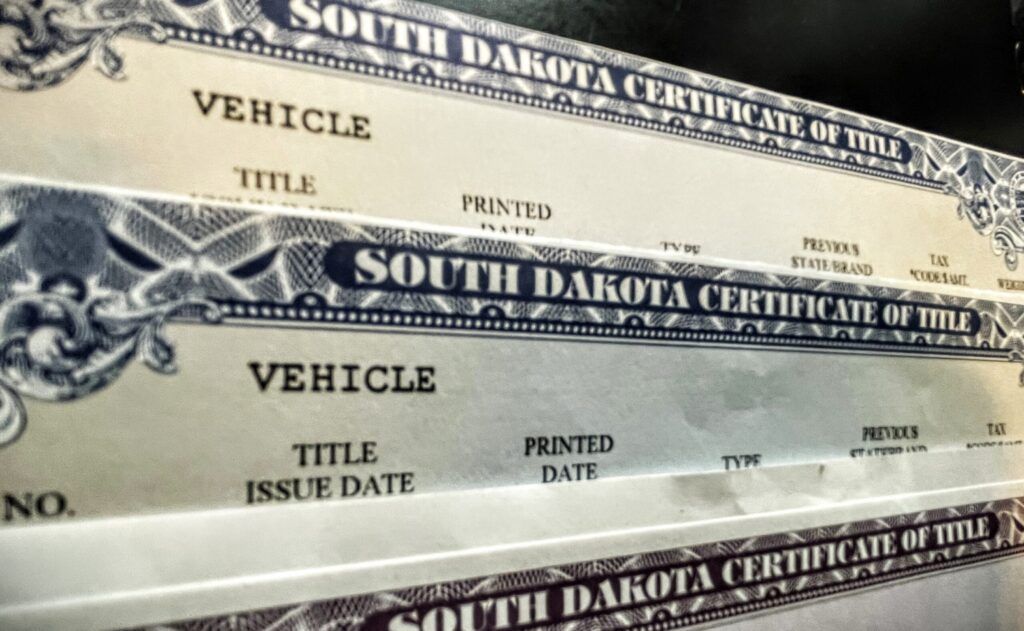
A car title is a legal document issued by the state that establishes ownership of a vehicle. It serves as proof that the registered owner is the legal owner of the car. The title also contains important information about the vehicle, including its make, model, year, Vehicle Identification Number (VIN), and whether the car has been subject to any legal issues like liens or accidents.
A clean title, specifically, assures that the car is free from any legal or financial issues, making it a more desirable option for buyers, as it is perceived to be a safer investment.
Clean Title vs. Branded Title
A clean title contrasts significantly with a branded title, which indicates that a car has experienced significant damage. A branded title is issued when the car has been in an accident, stolen, or otherwise damaged to the point that the cost of repairs exceeds the car's value. Common branded titles include "salvage," "rebuilt," or "flood" titles.
The key difference between a clean and a branded title is the history of the car. A clean title signifies that the car is free from severe damage, while a branded title reveals that the car has a history of major issues. Purchasing a car with a clean title typically carries less risk in terms of safety and long-term reliability, making it the preferred choice for most buyers.
Why Is a Clean Title Important When Buying a Car?
Impact on Resale Value
A clean title is crucial when it comes to the resale value of a car. Vehicles with a clean title generally hold a higher resale value compared to those with branded titles, like salvage or rebuilt titles. This is because a clean title signals to future buyers that the car has a history of being in good condition and free from major damage. Cars with a branded title, on the other hand, may have a significantly reduced resale price due to the perceived risks involved with buying a vehicle that has had substantial repairs or damage.
For instance, if you decide to sell a car with a clean title in the future, you will likely have more interested buyers and can expect to get a better price. This is especially important if you plan to sell the car within a few years or want to maintain its value for as long as possible.
Insurance Considerations
Having a clean title can make a significant difference when it comes to obtaining insurance for your car. Insurance companies tend to favor vehicles with clean titles because they are seen as less risky. When a car has a clean title, it is considered to have a lower chance of hidden issues that could affect its performance or safety.
On the other hand, a car with a branded title may be harder to insure, and some insurers may even refuse coverage entirely, especially for comprehensive or collision insurance. If they do offer coverage, it may come at a higher premium or with more restrictions due to the history of the vehicle. It’s important to verify the title status of any car before purchasing to avoid surprises when trying to get insurance coverage.
Vehicle Safety and Reliability
A clean title is often linked to better safety and reliability. A vehicle with a clean title has not undergone significant repairs after an accident or other damaging events that could affect its structural integrity. In contrast, cars with branded titles have likely been repaired after substantial damage, which can sometimes compromise their safety and overall reliability.
Buying a car with a clean title offers more peace of mind regarding the car’s ability to perform well over time. The likelihood of hidden issues affecting the car’s functionality is much lower, and it’s easier to trust that the vehicle meets the manufacturer’s safety standards. This is particularly important for long-term owners who plan to keep the vehicle for many years.
Compare Clean Title Vehicles Across US Auctions
Now that you understand what a clean title represents, review available clean title vehicles with full lot data, mileage records, and auction details to compare real market options side by side.
- ✅ Access to Copart and IAAI inventory
- ✅ Title status clearly displayed
- ✅ Mileage and condition details
- ✅ Advanced filters by make and model
How to Identify a Clean Title
Reading a Vehicle History Report
A vehicle history report is one of the most reliable ways to identify whether a car has a clean title. When you request a report from services like Carfax or AutoCheck, you get detailed information about the car’s ownership history, accidents, title status, and whether the car has been involved in any major incidents like flood damage or theft.
These reports clearly indicate the title status, including whether the car has a clean title or has been branded with a salvage, rebuilt, or other type of title. The report will also highlight any instances where the car was declared a total loss by an insurance company, which is an important factor in determining whether the vehicle has a clean title. It's highly recommended to review the report thoroughly to ensure the vehicle hasn't had any serious damage that might affect its safety or value.
Using the VIN for Verification
The Vehicle Identification Number (VIN) is a unique 17-character code assigned to every vehicle, and it plays a crucial role in verifying the car’s title status. By using the VIN, you can check the car’s history and title status through the National Motor Vehicle Title Information System (NMVTIS) or other services like Carfax or AutoCheck.
You can enter the VIN into an online lookup service to find out if the car has a clean title or if it has been reported with any previous damage, theft, or other incidents. This is an effective way to ensure you're not being misled by the seller, as a VIN lookup provides an accurate, government-backed record of the vehicle's history. It’s always a good idea to verify the VIN on the car itself (usually found on the dashboard or inside the driver’s side door) to confirm that it matches the records.
Common Misconceptions About Clean Titles
There are a few common misconceptions that people have about clean titles, which can lead to confusion when purchasing a vehicle.
One misconception is that a clean title guarantees that the car has never been in any accidents or had any issues. In reality, a car can still have minor accidents or repairs and still hold a clean title as long as it wasn't deemed a total loss by the insurance company.
Another misconception is that all cars with a clean title are free from hidden problems. Even though a car may have a clean title, it's important to still conduct a thorough inspection and verify its condition. For example, a clean title doesn’t mean the vehicle hasn’t experienced mechanical issues that could affect its performance in the long run.
Lastly, some people believe that a clean title means the vehicle has never been in any major damage or repairs, but this isn’t always the case. Cars that have had repairs due to minor accidents, theft recoveries, or other non-damaging events may still have a clean title, so it’s crucial to investigate further with a detailed vehicle history report and a professional inspection.
Red Flags to Watch Out For in a Car Title
Title Washing
Title washing is a fraudulent practice where the title status of a vehicle is altered to hide its history. This can happen when a car is involved in a major accident, flood, or theft, and the title is branded (such as "salvage" or "junk"). In an attempt to sell the vehicle at a higher price, the seller may engage in title washing, which involves moving the car from one state to another in order to remove the branded title and make it appear as though the car has a clean title.
Title washing can be difficult to detect, but it’s important to be cautious if the car is being sold by an unfamiliar or untrustworthy source. To protect yourself, always check the vehicle history report, verify the VIN, and consult the National Motor Vehicle Title Information System (NMVTIS) to confirm that the car’s title history hasn’t been altered. If the title status seems inconsistent across different records, this could be a sign of title washing.
Odometer Rollbacks
An odometer rollback occurs when the mileage reading on a vehicle’s odometer is intentionally reduced to make the car appear less used than it actually is. This practice is illegal and is a form of fraud, as it misrepresents the vehicle’s true condition and value. Sellers may alter the odometer to increase the likelihood of a sale or to justify a higher asking price.
If you’re buying a used car, especially from an individual seller, be wary of unusually low mileage for the car’s age. Check the vehicle history report for any discrepancies in the mileage recorded during past service visits, inspections, or title transfers. Additionally, look for any signs of tampering with the odometer, such as a misaligned or worn display, or signs that the dashboard has been tampered with.
Lemon Titles
A "lemon" title refers to a car that has been deemed a "lemon" under state laws, meaning that it has severe defects or has been repeatedly repaired without resolving the issues. In some cases, cars with lemon titles are eligible for a refund or replacement under the lemon law, but this doesn’t always happen. These vehicles are often sold at a loss, and buyers may not be aware of their troubled history.
When buying a used car, it’s crucial to research the vehicle’s history and ensure it hasn’t been branded with a lemon title. A vehicle history report should provide information on any lemon law claims, and you can also check with your state’s Department of Motor Vehicles (DMV) for any records related to the lemon law status. Be cautious if a seller tries to hide or downplay the vehicle’s lemon status.
Rebuilt Titles
A rebuilt title indicates that a vehicle has been previously declared a total loss by an insurance company but has since been repaired and inspected to meet state safety standards. While a rebuilt title doesn’t necessarily mean that the car is in bad condition, it does mean that the vehicle has suffered significant damage in the past. Depending on the type and extent of the damage, a rebuilt title car could present hidden problems that may affect its performance and safety.
If you’re considering purchasing a vehicle with a rebuilt title, be sure to get a thorough inspection by a qualified mechanic to assess the quality of the repairs. Additionally, check the vehicle history report and ensure that the repairs were done properly and that the car passed the necessary safety inspections. Be aware that cars with rebuilt titles can be harder to insure or finance, and their resale value is typically much lower than cars with clean titles.
Calculate the Total Purchase Cost Before Bidding
Even with a clean title, understanding the full purchase cost is essential. Estimate auction fees, transportation, and related expenses directly on the lot page before placing a bid.
- ✅ Transparent auction fee breakdown
- ✅ Transportation cost estimates
- ✅ No hidden service charges
- ✅ Budget planning tools
A Clean Title Does Not Guarantee a Perfect Vehicle
What Clean Titles May Hide
While a clean title indicates that a vehicle has not been involved in major accidents, thefts, or disasters that would require a branded title, it doesn’t necessarily mean the car is flawless. Some sellers may still attempt to hide issues that aren’t readily visible or disclosed. For example, the car could have been involved in a minor accident that wasn’t reported to insurance, or the vehicle may have suffered from long-term wear and tear that is not immediately noticeable.
Additionally, some cars with clean titles may have mechanical issues, electrical faults, or hidden rust damage. In some cases, the car might have been subject to improper repairs or maintenance, which could affect its overall performance and reliability. A clean title only means that the car has not been officially classified as salvage, junk, or rebuilt, but it doesn’t guarantee that the car is free of hidden problems.
It's also important to note that a clean title doesn’t protect against future issues. For example, a car may pass inspection and appear to be in good condition at the time of purchase, but it could develop significant mechanical or electrical issues down the road.
Importance of Vehicle Inspections
Regardless of whether the car has a clean title or not, conducting a thorough vehicle inspection is crucial when purchasing a used vehicle. A clean title should never be a substitute for a professional inspection. An experienced mechanic can identify potential issues that may not be immediately apparent, such as underlying frame damage, engine problems, or signs of previous poor repairs.
During the inspection, the mechanic will check key systems, including the engine, transmission, suspension, brakes, and electrical systems. They'll also inspect the body for signs of rust, dents, or previous repairs that may have been covered up. Additionally, the inspection should include a review of the car’s VIN and compare it to the title and vehicle history report to confirm that everything matches up.
You should also take the car for a test drive to assess its performance. Pay attention to any unusual noises, vibrations, or handling issues, as these could indicate underlying problems. Even if the vehicle has a clean title, a full inspection will help ensure that you are making an informed decision and avoid purchasing a car that could lead to expensive repairs down the road.
How to Avoid Branded Title Issues When Buying a Used Car
Steps for Due Diligence
To avoid branded title issues when buying a used car, thorough due diligence is essential. Start by researching the vehicle’s history using a reputable service like Carfax or AutoCheck, which will provide detailed information about accidents, previous owners, and any title brands attached to the car. These services will show whether the car has ever been issued a salvage, rebuilt, or flood title, all of which can affect the car’s value, reliability, and safety.
In addition to checking the vehicle’s history, always verify the VIN (Vehicle Identification Number) on the car and compare it with the title documents. This step ensures the car matches the seller's description and has not been misrepresented. It's also important to cross-reference the information provided by the seller with independent reports to ensure there are no discrepancies.
Another key step in avoiding branded title issues is getting the vehicle inspected by a professional mechanic. Even if the car appears to have a clean title, an inspection will identify any hidden damage or issues that may not be apparent at first glance. This can include signs of previous accidents, rust, or improper repairs, all of which could indicate that the car was once branded but had the title cleared.
Questions to Ask the Seller
When buying a used car, especially one with a clean title, it's crucial to ask the seller direct and probing questions to ensure there are no hidden branded title issues. Here are some essential questions:
- Has the car been in any accidents or sustained significant damage? While not all accidents result in a branded title, this will give you insight into the car’s history.
- Are there any repair records available? A reputable seller should provide records of any repairs or maintenance done to the car, especially after accidents or issues that could lead to a branded title.
- Has the car ever had a flood or fire? Even if the title is clean, flood and fire damage may not always be visible and could lead to long-term problems.
- Can you provide a full history of the vehicle’s ownership? Understanding how many owners the vehicle has had can also provide insight into potential problems or red flags.
- Do you have the title in hand? Ensure the title is available and matches the VIN and the vehicle. If the seller has any hesitations or issues with providing the title, it could indicate potential problems.
Resources for Buyers
When purchasing a used car, especially one with a clean title, it’s crucial to use reliable resources for accurate information. Online auction platforms such as BidnDrive, Auto4Export, Copart, and IAAI provide transparency and access to vehicle history reports. These platforms are ideal for finding vehicles with clean titles and reliable information, as they typically include full disclosure on a vehicle's condition and history.
For example, BidnDrive and Auto4Export allow you to browse a wide selection of vehicles and access detailed reports, helping you avoid any surprises. If you’re considering an auction, always check for a vehicle’s title status before bidding. Auctions like Copart and IAAI also offer various title types, including clean titles, and can connect you with reliable sellers and buyers for a safer transaction.
In addition to using online platforms, government resources like the National Motor Vehicle Title Information System (NMVTIS) can also provide valuable information about a car's title status. NMVTIS tracks vehicles across states and can offer insights into title brands, ensuring you're well-informed before purchasing.
Register and Start Reviewing Clean Title Cars
If you’re ready to move from research to selection, create a free account and browse clean title vehicles that match your budget and requirements. Make informed decisions backed by complete auction data.
- ✅ Free membership registration
- ✅ No dealer license required
- ✅ Unlimited bidding opportunities
- ✅ Support from purchase to delivery
Further Reading:
Blue Title vs. Clean Title: Key Differences Explained
Navigating Title Types: A Guide to Clean, Rebuilt, and Salvage Titles for Smart Buyers
Bonded Title Guide: What It Is and How to Get One in the USA
Rebuilt Title vs. Clean Title: What You Need to Know
Frequently Asked Questions
- Can a car with a clean title have previous accident damage?
- What should I do if I suspect a fraudulent title?
- Are clean title vehicles always more expensive?
- How does state regulation affect title status?