


Buying a car labeled with “biohazard damage” can be confusing and intimidating, especially for budget-conscious buyers. This guide breaks down what biohazard damage really means, why it happens, and how it affects safety, insurance, and resale. You’ll learn practical tips to evaluate, clean, and restore these vehicles so you can make informed decisions and potentially save thousands at auction.
Understanding Biohazard Damage
When you browse cars at online auctions, you may see the label “biohazard damage” in the vehicle description. For many budget buyers, this sounds scary and unclear. Is it dangerous? Is it repairable? Or is it just another reason the car is cheaper?
In simple terms, biohazard damage means the vehicle was exposed to biological materials that can pose health risks. This is not about dents or scratches. It’s about contamination. Understanding what that really means helps you decide whether the deal is worth it.
Definition and Causes
Biohazard damage refers to contamination from bodily fluids or other potentially infectious materials. This can include blood, vomit, urine, or medical waste. In some cases, it may involve decomposition fluids from an unattended death or contamination after a serious accident.
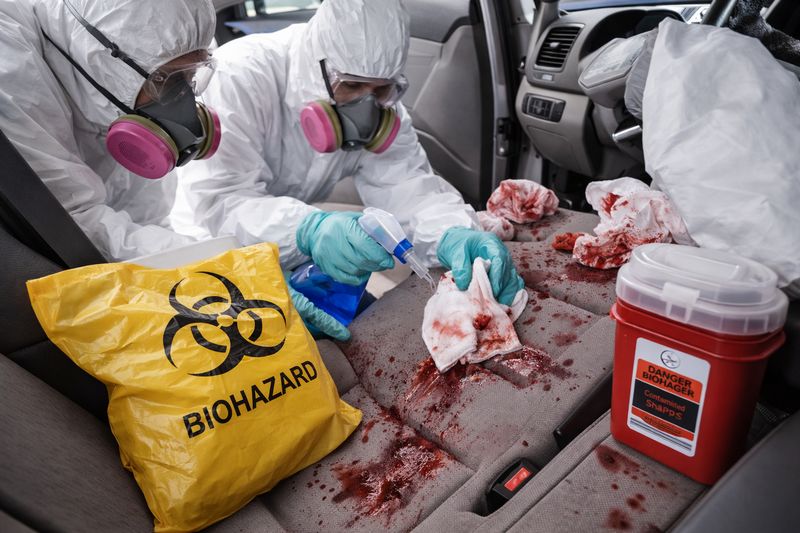
Common causes include:
- Major accidents involving injuries
- Crime scene investigations
- Vehicles used to transport medical materials
- Flooding mixed with sewage or organic waste
For example, imagine you find a 2021 sedan listed at a price far below market value. The exterior looks fine. The engine runs. But the report says “biohazard damage.” This often means the car was involved in an accident where bodily fluids contaminated the interior. Even if the structural damage was minor, the contamination requires special cleaning.
This is why these cars are often sold at a discount. Many buyers walk away simply because they don’t understand what the label means.
How It Differs from Regular Vehicle Damage
Regular vehicle damage usually involves:
- Body damage (scratches, dents, broken bumpers)
- Mechanical issues (engine, transmission, suspension)
- Cosmetic problems (torn seats, cracked dashboard)
Biohazard damage is different because it involves health risks, not just physical repairs.
If a car has a broken door, you replace the door. If a car has contaminated seats and carpet soaked with bodily fluids, the cleaning process is more complex. It may require:
- Removing and replacing interior materials
- Deep sanitation with professional-grade disinfectants
- Special disposal of contaminated parts
This type of damage is about safety, not just appearance. That’s why it’s treated differently by insurance companies and state authorities.
For a budget-conscious buyer, this difference matters. Cosmetic damage might be a quick fix. Biohazard damage requires careful evaluation and sometimes professional cleanup costs.
When Insurance Companies Classify Damage as Biohazard
Insurance companies label a vehicle as biohazard when contamination creates a potential health risk and requires certified cleaning.
This usually happens when:
- There is visible blood or bodily fluid contamination
- The interior cannot be safely cleaned with standard detailing
- Law enforcement or emergency services were involved
- Decomposition occurred inside the vehicle
In many cases, even if the car is mechanically repairable, insurance companies may declare it a total loss because professional decontamination is expensive. Replacing seats, carpet, padding, and insulation can quickly add up.
Situations Where Biohazard Damage Occurs
When you see “biohazard damage” in an auction listing, it usually points to a specific type of incident. These situations are not common for everyday drivers, but they do happen. And when they do, insurance companies often flag the vehicle.
Understanding the most common scenarios helps you evaluate risk instead of reacting with fear. Many budget buyers skip these cars without looking deeper. But sometimes the situation sounds worse than it actually is.
Accidents Involving Bodily Fluids
One of the most common causes of biohazard classification is a serious accident involving injuries.
If a crash results in bleeding inside the vehicle, the interior may become contaminated. Blood can soak into seats, carpet, and insulation under the flooring. Even if the structural damage is minor, the presence of bodily fluids requires professional cleanup.
For example, you might find a car with light front-end damage and airbags deployed. Mechanically, it may look repairable. But if the accident involved injuries, the interior could be flagged as biohazard.
Insurance companies take this seriously because improper cleaning can pose health risks. Standard detailing is not enough. In many cases, parts of the interior must be removed and replaced.
For a buyer on a tight budget, this means one thing: you need to calculate interior replacement costs before deciding if the deal is worth it.
Vehicles Exposed to Medical Waste
Some vehicles are used for medical transport, home healthcare services, or emergency response. If medical waste, needles, or biological materials are improperly handled or spilled, the vehicle can be labeled as biohazard.
This doesn’t always mean the car is severely damaged. Sometimes contamination is limited to a small area. But because medical waste can carry infection risks, strict cleaning standards apply.
Imagine you find a former fleet vehicle at auction. It runs well and has low mileage. The price looks great. But the history shows biohazard contamination from medical materials. In this case, the key question is whether certified decontamination was completed and documented.
Without proof of professional cleaning, you’re taking a risk.
Crime Scene or Unattended Death Situations
Vehicles connected to crime scenes or unattended deaths are often classified as biohazard due to possible biological contamination.
In these cases, bodily fluids or decomposition may have affected the interior. Even if the car looks clean in photos, contamination can seep into foam padding, insulation, and hidden areas.
This situation sounds extreme, and many buyers immediately walk away. But the real issue is not the story behind the car — it’s whether proper remediation was done.
If the entire interior was removed, replaced, and professionally sanitized, the vehicle can be restored to safe condition. However, this type of restoration can be expensive. That cost is often why the vehicle ends up at auction at a lower price.
As a budget buyer, you need clear documentation before considering this type of vehicle.
Flooding Combined With Biological Contamination
Flood damage alone is already a concern. But when flooding involves sewage water or contaminated floodwater, the risk increases.
Water mixed with organic waste, bacteria, or chemicals can soak into carpets, wiring, and air ducts. This combination often leads to a biohazard classification.
For example, after hurricanes or heavy storms, some vehicles are submerged in water that is not clean. Even if the engine survives, the interior may require full replacement.
This is where careful inspection matters. A car that was properly stripped, dried, disinfected, and rebuilt may still offer value. But one that was only superficially cleaned can create long-term problems, including odors, mold, and health risks.
Legal and Insurance Implications of Biohazard Damage
Biohazard damage is not just about cleaning and repairs. It also affects insurance decisions, legal responsibilities, and state requirements. If you’re buying a car at auction to save money, this part is extremely important.
A car may look fine in photos. It may even run and drive. But if it was officially classified as biohazard, there are extra steps involved before you can insure, register, or resell it.
Understanding these rules helps you avoid surprises after you win the bid.
Insurance Claim Considerations
When a vehicle is contaminated with bodily fluids or hazardous biological materials, insurance companies often treat the case differently from standard damage.
Even if the mechanical damage is minor, insurers may declare the vehicle a total loss. Why? Because professional decontamination can be expensive. Removing seats, carpet, padding, and insulation adds labor costs quickly.
For example, imagine a car worth $12,000 before an accident. The crash causes minor body damage, but there is blood contamination inside. If proper cleanup and interior replacement cost $7,000–$9,000, the insurance company may decide it’s not financially worth repairing.
That’s how many biohazard vehicles end up at auction.
As a buyer, you should also think ahead. Some insurance companies may:
- Require proof of professional decontamination
- Refuse full coverage until the vehicle passes inspection
- Offer only liability coverage at first
If you are working with a tight budget, it’s smart to check insurance options before buying. Cheap purchase price means nothing if you cannot insure the car properly.
Decontamination Requirements
Biohazard cleanup is not the same as a regular interior detailing job.
In most cases, proper decontamination includes:
- Removal and disposal of contaminated materials
- Use of hospital-grade disinfectants
- Treatment of hidden areas such as insulation and air ducts
- Safe handling of hazardous waste
Some states and insurance companies require certified biohazard cleaning services. That means a licensed company must perform the work and provide documentation.
If you are considering a vehicle labeled as biohazard, always ask:
- Was professional cleanup completed?
- Are there receipts or certificates?
- Were interior components replaced or just cleaned?
Without documentation, you may face problems later during registration or resale.
Many budget buyers focus only on repair costs. But documentation is just as important as the repair itself.
State Regulations and Safety Standards
Each state has its own rules regarding vehicle titles and inspections. While not all states add a special title brand for biohazard damage, some may require additional inspections before registration.
In certain cases, the Department of Motor Vehicles (DMV) may request:
- Proof of decontamination
- Safety inspection approval
- Salvage or rebuilt inspection clearance
If a vehicle was declared a total loss due to biohazard contamination, it may carry a salvage title. That means you must complete repairs and pass a state inspection before receiving a rebuilt title.
For someone trying to save money, this process can still make sense — but only if you plan for it. You need to factor in:
- Inspection fees
- Possible delays
- Paperwork requirements
Skipping these steps or ignoring state rules can lead to registration problems later.
How to Buy a Car With Biohazard Damage Safely
Buying a car with biohazard damage is not for everyone. But for budget buyers who want to save thousands, it can be an opportunity — if handled the right way.
The key is not to rush. A low price can be tempting, especially when you compare it to similar clean-title vehicles. But you need facts, documentation, and a clear plan before placing a bid.
Here’s how to approach it safely and smartly.
Verifying Vehicle History and Cleanup Records
Start with the vehicle history report. Look for details about:
- The type of incident (accident, flood, other event)
- Insurance total loss information
- Title status (salvage, rebuilt, etc.)
- Previous ownership history
If the listing only says “biohazard damage” without explanation, dig deeper. Ask what actually happened. Was it a minor accident with limited contamination? Or a major interior issue?
For example, you might find a 3-year-old SUV priced far below market value. It runs and drives. But the listing mentions biohazard. Before getting excited about the price, you need to confirm whether the contamination was localized or widespread.
The more information you gather, the fewer surprises you’ll face later.
Requesting Professional Decontamination Proof
This is one of the most important steps.
Do not rely on words like “cleaned” or “sanitized.” That could mean anything. Professional biohazard remediation should include:
- Official invoices from a licensed cleaning company
- A certificate of decontamination
- Details about replaced interior components
If seats, carpet, padding, or insulation were removed and replaced, that’s usually a good sign. It means the cleanup was done seriously.
If there is no documentation, assume you may need to handle decontamination yourself. That means adding professional cleaning costs to your total budget.
A cheap car is only a good deal if you understand the real final cost.
Using a Professional Service Like BidNDrive
Buying from online auto auctions can be overwhelming, especially when dealing with biohazard vehicles.
This is where working with a professional service like BidNDrive makes a big difference.
Instead of guessing, you get help with:
- Reviewing auction listings
- Understanding damage reports
- Evaluating repair and cleanup costs
- Handling paperwork and logistics
Many budget buyers have been in this situation: you see a great deal, but you’re not sure if it’s risky. With professional support, you reduce that risk and make decisions based on experience, not emotion.
When money is tight, mistakes are expensive. Expert guidance protects your budget.
Negotiating Price for Budget-Friendly Purchases
Biohazard damage significantly lowers demand. Many buyers avoid these vehicles automatically. That gives you negotiating power.
If the car:
- Has strong mechanical condition
- Has documented professional cleanup
- Has manageable repair costs
You can often secure it at a much lower price than comparable models.
But always negotiate based on facts. Calculate:
- Remaining repairs
- Interior replacement costs
- Inspection and registration fees
- Insurance considerations
For example, if similar vehicles sell for $15,000 and this one is available for $9,000, but you estimate $3,000 in cleanup and inspections, you’re still saving — if everything checks out.
Steps to Restore a Vehicle After Biohazard Damage
Restoring a vehicle after biohazard damage is possible. But it must be done correctly. This is not a quick weekend project or a simple interior detailing job.
If you bought the car at a deep discount, your goal is clear: make it safe, legal, and reliable without overspending. The restoration process should focus on safety first, cost control second.
Here are the main steps you should expect.
Professional Biohazard Cleaning Services
The first and most important step is professional cleanup.
Biohazard contamination can involve bacteria, viruses, and other harmful materials. Regular cleaning products are not enough. Certified biohazard cleaning companies use:
- Protective equipment
- Hospital-grade disinfectants
- Specialized disposal methods
- Deep extraction tools
They don’t just wipe surfaces. They remove contamination from hidden areas like seat foam, under-carpet padding, and ventilation systems.
For example, if blood soaked into the driver’s seat and carpet after an accident, a professional team may remove the entire seat and flooring materials before sanitizing the metal floor underneath.
Yes, this costs money. But cutting corners here can create health risks and future problems, including odors and mold.
Interior Replacement and Deep Sanitization
In many cases, restoration means replacing interior components, not just cleaning them.
Commonly replaced parts include:
- Seats
- Carpet and padding
- Headliner
- Door panels
- Insulation materials
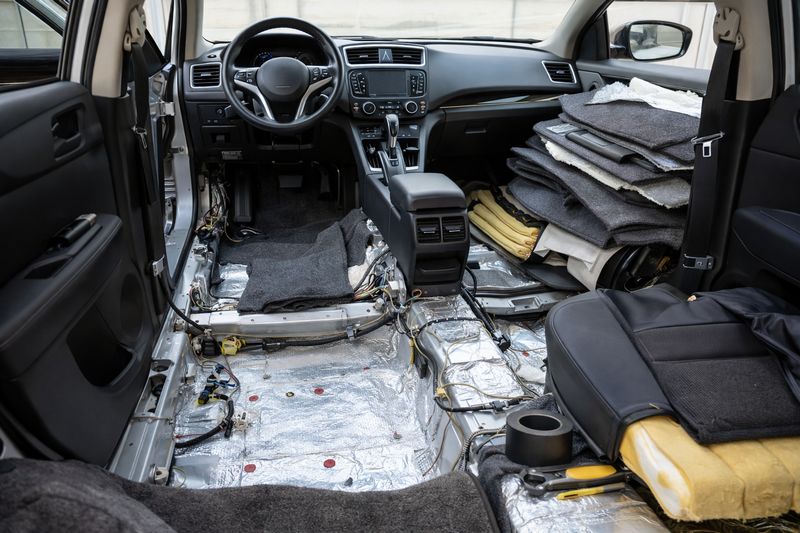
If contamination reached deep into soft materials, replacement is often cheaper and safer than trying to clean everything.
After removal, the vehicle’s interior frame and surfaces must be thoroughly disinfected. Air ducts and HVAC systems may also need treatment to prevent lingering smells or bacteria.
For budget buyers, this is where smart sourcing matters. You can often save money by purchasing used interior parts from salvage yards — as long as they are clean and undamaged.
The goal is to rebuild the interior safely while keeping the total project cost under control.
Inspection and Certification
Once cleaning and repairs are complete, inspection is the next step.
If the vehicle was declared a total loss and carries a salvage title, you will likely need:
- A state salvage inspection
- Verification of completed repairs
- Receipts for replaced parts
Some states may also require proof of professional biohazard remediation before issuing a rebuilt title.
Keep every invoice and document. Even small receipts matter. Without paperwork, you may face delays during registration.
Think of documentation as protection for your investment. It proves the vehicle was restored properly.
Meeting State DMV Requirements
Before you can legally drive the vehicle, you must meet your state’s DMV requirements.
Depending on the state, this may include:
- Safety inspection
- Emissions testing
- Rebuilt title application
- VIN verification
If biohazard contamination was the reason for the total loss, DMV officials may want confirmation that the vehicle is safe for public use.
For someone on a tight budget, delays can be frustrating. But planning ahead helps. Research your state’s rules before starting restoration so you know exactly what’s required.
Risks and Considerations for Budget Buyers
Buying a car with biohazard damage can save you money. But it also comes with risks. If you are working with a limited budget, one wrong move can turn a “great deal” into a financial headache.
Before bidding, it’s important to understand what could go wrong. Not to scare yourself — but to plan realistically.
A smart buyer does not just look at the low price. They look at the full picture.
Potential Health Hazards
The biggest concern with biohazard damage is health risk.
If contamination was not properly cleaned, harmful bacteria or viruses may remain inside the vehicle. Bodily fluids can soak into:
- Seat foam
- Carpet padding
- Insulation under flooring
- Air ducts and ventilation systems
At first glance, the car may look clean. It may even smell fine. But hidden contamination can cause long-term issues such as odors, mold growth, or allergic reactions.
For example, imagine you buy a cheap sedan to use as your daily commuter. Two weeks later, a strong smell appears when the car heats up. That could mean contamination was not fully removed from the interior or HVAC system.
Fixing that later can cost more than doing it properly from the start.
If professional decontamination was not completed and documented, you are taking a health risk — especially if you drive with family or children.
Insurance and Registration Challenges
Another common issue is insurance and registration.
Some insurance companies are cautious with vehicles that were declared total losses due to biohazard contamination. You may face:
- Limited coverage options
- Higher premiums
- Requests for inspection proof
If the vehicle has a salvage title, you must also complete the rebuilt title process before full registration. That usually includes inspections and paperwork.
For a buyer on a tight budget, delays can be stressful. You may need transportation immediately. If the car cannot be registered right away, that creates extra pressure.
Before purchasing, check:
- What type of title the vehicle has
- What your state requires for rebuilt registration
- Whether your insurance provider will cover it
Planning ahead prevents expensive surprises.
Resale Value Impact
Even after proper restoration, a biohazard vehicle can have lower resale value.
Why? Because future buyers may hesitate when they see the vehicle history. Just like you had questions before buying, the next owner will too.
A car that originally sold for $18,000 may only resell for $12,000–$13,000 after carrying a salvage or biohazard history — even if it runs perfectly.
This doesn’t mean it’s a bad purchase. It simply means you should not expect strong resale profits.
Biohazard vehicles often make more sense for buyers who plan to:
- Keep the car long term
- Use it as a daily driver
- Focus on savings rather than resale
If your goal is to flip the car quickly for profit, this type of vehicle may not be ideal.
Tips for Maximizing Safety and Value
Buying a car with biohazard damage is not about taking big risks. It’s about making smart, controlled decisions. If you approach the process carefully, you can protect your health, your money, and your long-term investment.
For budget buyers, every dollar matters. These practical steps help you avoid costly mistakes and make sure the low auction price truly works in your favor.
Always Request Detailed Documentation
Documentation is your safety net.
Never rely on short notes like “cleaned” or “sanitized.” Ask for clear proof of what was done. This should include:
- Professional biohazard cleaning invoices
- Certificates of decontamination
- Receipts for replaced interior parts
- Inspection reports
If the seller cannot provide paperwork, assume that cleanup may still be required. That means additional costs for you.
Imagine finding a car that is $5,000 cheaper than similar models. Sounds great. But if you later discover there was no certified cleaning, you may spend thousands more fixing what should have been handled earlier.
Paperwork protects you from guessing.
Inspect the Vehicle Carefully
Photos in auction listings do not tell the full story.
If possible, arrange a professional inspection or request detailed interior photos. Look closely at:
- Seat condition and stitching
- Carpet edges and under mats
- Odors or visible stains
- Signs of recent interior removal
Pay attention to small details. Freshly replaced seats or new carpet can be a positive sign — but only if properly installed.
For many buyers on a tight budget, skipping inspection feels like saving money. In reality, it can create bigger expenses later.
A careful inspection helps you confirm whether the vehicle was properly restored or simply cleaned on the surface.
Budget for Professional Cleaning Costs
Even if the car was already cleaned, you should still plan for possible additional work.
Set aside funds for:
- Extra sanitization
- Interior repairs
- HVAC system cleaning
- Replacement of small components
For example, if you calculate that restoration may cost $2,000, plan for $2,500–$3,000 just in case. Having a financial buffer protects you from stress.
A cheap purchase price means nothing if you don’t budget for the full project cost. Smart buyers always calculate the total investment — not just the auction bid.
Consider Expert Assistance for Evaluation
When dealing with biohazard vehicles, experience matters.
If you are new to auto auctions, it’s easy to underestimate risk. This is where professional guidance can make a major difference.
Working with an experienced service like BidNDrive helps you:
- Review vehicle reports
- Understand damage details
- Estimate realistic repair costs
- Avoid risky listings
Many budget buyers have been in the same situation. You find a car that looks like an amazing deal, but you’re unsure. Getting expert input helps you make a confident decision instead of an emotional one.
A “Biohazard Damage” designation can significantly impact a vehicle’s value, repair feasibility, and insurability. Whether the issue involves contamination, structural exposure, or interior damage, buyers should carefully evaluate cleanup costs and state inspection requirements before deciding to bid.
For U.S. buyers considering auction vehicles with unusual damage categories, understanding what the label means — and how it affects registration or resale — is essential. BidNDrive provides access to U.S. auto auction listings with transparent vehicle details, helping buyers assess condition and documentation before placing a bid.
If you’re exploring auction vehicles and want to better understand how specific damage categories affect your purchase decision, you can create a free account with BidNDrive and review current listings.
Further Reading:
What Is a Branded Title? What It Means, Types, and Risks
Should You Buy a Salvage Car? Pros, Cons, and Expert Tips
All About Salvage Title Inspection: What You Need to Know
From Salvage to Rebuilt: Complete Guide to Restoring a Salvage Title Car
Frequently Asked Questions
- What does biohazard damage mean on a vehicle?
- Is it safe to buy a car with biohazard damage?
- Can biohazard damage be fully cleaned and restored?
- Does biohazard damage affect resale value?