


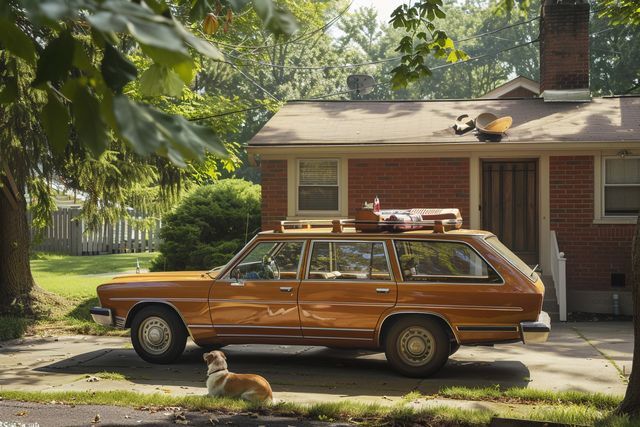
Station wagons are a practical and versatile car option, offering more cargo space than sedans without the bulk of an SUV. This guide helps budget-conscious buyers understand what makes a wagon unique, its benefits, and how to choose the right one for daily driving, family trips, or hauling gear efficiently. By the end, you'll know why a station wagon could be the smart, cost-effective choice for your next car.
What Is a Station Wagon?
If you need more space than a sedan but don’t want to pay SUV prices, a station wagon can be a smart option. It combines the comfort of a regular car with extra cargo room in the back. For budget buyers, this means you can carry more without spending more on fuel or maintenance.
Simple Definition of a Station Wagon
A station wagon is a car with a longer body and an extended rear cargo area. It looks similar to a sedan from the front, but the roof continues all the way to the back instead of stopping at the trunk.
Instead of a separate trunk, a wagon has a large rear space that connects directly to the passenger area. This gives you more flexibility for carrying luggage, tools, or everyday items.
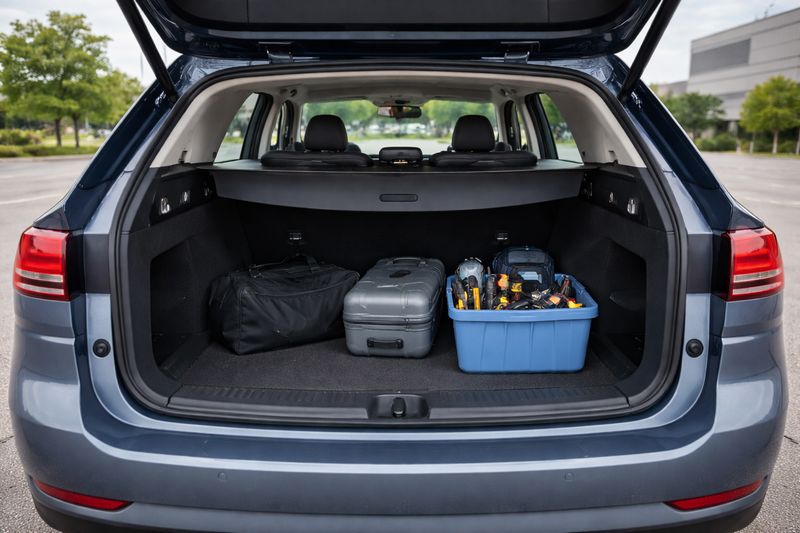
In simple terms: it’s a sedan with more usable space.
Key Characteristics That Make a Wagon Unique
Station wagons have a few design features that set them apart from other cars. These details are what make them practical and budget-friendly.
Extended Roofline and Cargo Area
The most noticeable feature is the long, flat roof that extends to the rear of the car. This creates a larger cargo area compared to a standard sedan.
For example, if you’re moving boxes, groceries, or even small furniture, you’ll have much more room to work with. You don’t need a truck or SUV for basic hauling tasks.
Rear Hatch Door Design
Instead of a trunk lid, station wagons use a rear hatch door that lifts upward. This makes loading and unloading easier, especially for bulky or heavy items.
You can open the entire back of the car and access the cargo area directly. This is very useful if you’re carrying large suitcases or equipment.
Fold-Flat Rear Seats
Most wagons come with rear seats that fold down flat. This allows you to expand the cargo space even more.
For example, you can:
- Fold the seats to carry long items like bikes or furniture
- Keep one seat up and one down for a mix of passengers and cargo
- Use the space for road trips or even sleeping during travel
This flexibility is one of the biggest advantages of a wagon.
Lower Ride Height Compared to SUVs
Unlike SUVs, station wagons sit lower to the ground. This has a few practical benefits:
- Better fuel efficiency
- Easier handling and smoother driving
- Lower step-in height, making it easier to get in and out
For budget buyers, this means lower running costs and a more comfortable driving experience, especially in the city.
Why Is It Called a “Station Wagon”?
The name “station wagon” may sound unusual today, but it comes from a very practical use in the past. Understanding where the term comes from helps you see why this type of car is designed the way it is — focused on space, utility, and carrying both people and cargo.
Historical Origins of the Name
The term “station wagon” dates back to the early 1900s. Back then, these vehicles were used to transport people and their luggage to and from train stations.
In small towns and rural areas, trains were the main way to travel long distances. But getting to the station required a separate vehicle. That’s where these early wagons came in — they were designed to carry multiple passengers along with suitcases, bags, and equipment.
Because of this role, they became known as “station wagons” — vehicles that served train stations.
Role in Transporting Passengers and Luggage
From the beginning, station wagons were built for one main purpose: moving people and their belongings together.
Unlike regular cars of that time, which had limited trunk space, wagons offered:
- More seating capacity
- Larger cargo areas
- Easy access to luggage
For example, a family traveling by train could load all their bags into the wagon and ride together to the station. This idea of combining passenger space and cargo space is still what defines station wagons today.
Even now, if you need a car for daily use, shopping, or road trips, a wagon works in the same practical way — just with modern comfort and technology.
Evolution from “Woodie Wagons” to Modern Cars
Early station wagons were very different from what we see today. Many of them were called “woodies” because they had wooden body panels.
These vehicles were:
- Built on truck or car frames
- Designed for durability rather than comfort
- Often used by hotels, businesses, and large families
Over time, manufacturers replaced wood with steel, making cars stronger, safer, and easier to maintain. By the mid-20th century, station wagons became popular family vehicles in the United States.
Later, SUVs started to replace wagons in popularity. But today, station wagons are making a comeback — especially among buyers who want space without the higher cost and fuel consumption of SUVs.
Modern wagons keep the original idea but improve it:
- Better fuel efficiency
- More comfortable interiors
- Advanced safety features
A Brief History of Station Wagons
Station wagons have gone through many changes over the years. From simple work vehicles to family favorites and now budget-friendly alternatives to SUVs, their evolution shows how practical design can adapt to different needs and trends.
Early Days: Wooden “Woodie” Wagons
The first station wagons appeared in the early 1900s and were often called “woodies.” These vehicles had wooden body panels mounted on a metal frame.
They were mainly used by hotels, resorts, and train stations to transport guests and their luggage. At that time, comfort wasn’t the priority — durability and space were.
Because they were handmade and used natural materials, maintenance could be expensive. Still, they set the foundation for what a wagon should be: spacious and practical.
Transition to Steel Bodies
By the 1930s–1940s, car manufacturers began replacing wood with steel. This was a major improvement.
Steel bodies made wagons:
- Stronger and safer
- Easier to produce in large numbers
- Cheaper to maintain over time
This shift also helped station wagons become more accessible to everyday buyers, not just businesses. As production scaled up, prices became more reasonable — something that still matters for budget-conscious drivers today.
Popularity Boom in the 1950s–1990s
Station wagons reached peak popularity between the 1950s and 1990s, especially in the United States.
They became the go-to family car because they offered:
- Seating for multiple passengers
- Large cargo areas for groceries, luggage, and gear
- Comfortable rides for long trips
Many families chose wagons instead of sedans because they provided more flexibility without a huge price jump.
If you think about road trips, school runs, or moving everyday items, wagons were the practical solution for decades.
Decline with the Rise of SUVs
In the late 1990s and early 2000s, SUVs started to take over the market. Buyers were attracted to their higher driving position and rugged look.
As a result, station wagons became less popular. Many people saw SUVs as more modern or versatile, even though they often came with:
- Higher fuel costs
- More expensive maintenance
- Higher purchase prices
For budget buyers, this shift meant fewer wagon options — even though wagons were often the more economical choice.
Modern Comeback and European Influence
Today, station wagons are making a quiet comeback. Many European brands continued to develop wagons even when they were less popular in the U.S.
Modern wagons now offer:
- Sleek, stylish designs
- Advanced safety and tech features
- Better fuel efficiency than most SUVs
For someone trying to save money but still needs space, this is good news. You can often find used wagons at lower prices than comparable SUVs, while getting similar practicality.
What Is a Station Wagon Used For?
A station wagon is one of the most practical types of cars you can own. It’s designed to handle everyday tasks while giving you extra space when you need it. For budget buyers, this means one car can cover multiple needs — without paying for a larger, more expensive vehicle like an SUV.
Family Car and Daily Driving
Station wagons are great for everyday use. They drive like regular cars, so they’re easy to handle in traffic, parking lots, and tight streets.
At the same time, they offer more room for:
- Groceries
- School bags
- Strollers or sports gear
For example, if you’re a parent juggling work and family errands, a wagon gives you the space you need without sacrificing comfort or fuel efficiency.
Travel and Road Trips
If you enjoy road trips but don’t want to overspend on a large vehicle, a station wagon is a smart choice.
You get:
- Enough cargo space for suitcases and travel gear
- Comfortable seating for long drives
- Better fuel economy compared to most SUVs
You can pack everything you need for a weekend getaway or a longer trip without worrying about space. Some buyers even fold down the seats to create a flat area for resting during long drives.
Business and Utility Use
Station wagons are also useful for small business owners or side hustles. If you need to transport tools, equipment, or deliveries, a wagon can handle it.
For example:
- A freelancer carrying tools or supplies
- A small online seller delivering packages
- A contractor transporting lightweight equipment
Instead of buying a van or truck, which costs more to run, a wagon gives you a cheaper alternative with enough space for many jobs.
Outdoor Activities and Cargo Transport
If you enjoy outdoor activities, a station wagon can easily support your lifestyle.
You can use it to carry:
- Bicycles
- Camping gear
- Fishing equipment
- Sports gear
Thanks to the fold-flat seats and wide rear opening, loading large or awkward items is simple. You don’t need a bulky SUV to enjoy outdoor trips.
Urban Driving with Extra Space
Driving in the city often means dealing with tight parking and heavy traffic. Station wagons offer a good balance — they’re not as large as SUVs, but still provide extra space.
This makes them ideal for:
- City dwellers who need more storage
- Drivers who want easy parking
- People who want lower fuel costs
Find Spacious Cars Without Overpaying
Station wagons are often overlooked — which means better deals for smart buyers. Browse real auction listings and compare models with the space you need at lower prices than dealerships.
- ✅ Access to thousands of wagons and similar vehicles
- ✅ Real interior and cargo space comparisons
- ✅ Lower prices than retail listings
- ✅ Wide selection across U.S. auctions
Key Features of a Station Wagon
Station wagons stand out because they combine practicality with everyday comfort. They are built to give you more space and flexibility without increasing your costs too much. For budget-conscious buyers, these features make a big difference in daily use and long-term ownership.
Interior Space and Cargo Capacity
One of the biggest advantages of a station wagon is its spacious interior. Unlike a sedan, the cargo area is fully connected to the cabin, giving you more usable room.
You can easily:
- Fit large grocery loads
- Carry luggage for trips
- Transport bulky items like boxes or small furniture
With fold-flat rear seats, the space becomes even more flexible. This means one car can handle both daily errands and bigger tasks without needing a truck or SUV.
Fuel Efficiency Compared to SUVs
Station wagons are generally more fuel-efficient than SUVs. Because they are lower to the ground and lighter, they require less energy to move.
For budget buyers, this leads to:
- Lower fuel costs over time
- Fewer stops at the gas station
- More affordable daily driving
If you compare a wagon to a similarly sized SUV, the savings on fuel alone can be noticeable, especially if you drive often.
Driving Comfort and Handling
Wagons drive more like sedans than SUVs. This means better control, smoother handling, and a more comfortable experience behind the wheel.
You’ll notice:
- Easier cornering
- Better stability at higher speeds
- Less body roll compared to taller vehicles
For city driving and long highway trips, this makes a real difference. You get comfort without the bulky feel of a larger vehicle.
Safety Features and Stability
Modern station wagons come with a wide range of safety features. Their lower center of gravity also improves stability on the road.
Common benefits include:
- Better balance during turns
- Reduced risk of rollover compared to SUVs
- Advanced safety systems like airbags, braking assist, and lane support
For families or daily commuters, this adds peace of mind without increasing ownership costs.
Design and Styling Advantages
Today’s station wagons are no longer boxy or outdated. Many models have sleek, modern designs that combine style with practicality.
They offer:
- A sporty, low-profile look
- More aerodynamic shapes
- A balance between elegance and utility
Benefits of Owning a Station Wagon
Station wagons offer a mix of practicality, comfort, and affordability that’s hard to beat. For budget-conscious buyers, they provide many of the same advantages as SUVs—without the higher costs. This makes them a smart choice for people who want one car that can handle everything.
Versatility for Different Lifestyles
A station wagon adapts easily to different needs. Whether you’re a daily commuter, a parent, or someone with an active lifestyle, it fits into your routine.
You can use it for:
- Daily errands and work commutes
- Family trips and school runs
- Weekend projects or moving items
- Outdoor activities like camping or biking
Instead of owning multiple vehicles, a wagon can cover all these tasks, helping you save money.
Better Fuel Economy Than SUVs
One of the biggest advantages is fuel efficiency. Station wagons are usually lighter and more aerodynamic than SUVs, which means they consume less fuel.
In real terms, this means:
- Lower monthly fuel expenses
- More miles per tank
- Better value for everyday driving
If you’re trying to stick to a budget, these savings add up quickly over time.
Easier Handling and Parking
Because station wagons are built closer to the ground, they are easier to drive than larger vehicles.
You’ll notice:
- Smoother handling in city traffic
- Easier parking in tight spaces
- Better control in corners and on highways
For someone who drives daily in urban areas, this can reduce stress and make driving more enjoyable.
Lower Cost of Ownership
Owning a station wagon is often cheaper than owning an SUV or truck. This includes not just the purchase price, but also ongoing expenses.
You can expect:
- Lower insurance costs (in many cases)
- Reduced maintenance expenses
- Better fuel economy
- More affordable used options on the market
For buyers using auto auctions, this is even more important. Wagons are often overlooked, which means you can find better deals compared to more popular vehicle types.
Comfortable Ride for Long Distances
Station wagons are designed for comfort, especially on longer drives. Their car-like structure provides a smoother ride compared to heavier, taller vehicles.
Benefits include:
- Less road noise
- More stable driving at high speeds
- Comfortable seating for passengers
Station Wagon vs Other Vehicle Types
When choosing a car on a budget, it’s important to understand how a station wagon compares to other common vehicle types. Many buyers automatically consider sedans first, but wagons often offer more value for the same price.
Station Wagon vs Sedan
At first glance, a station wagon and a sedan may look similar, especially from the front. Both are built on a car platform and offer comfortable seating. However, the key differences become clear when you look at space and everyday usability.
Cargo Space and Practicality
This is where a station wagon clearly stands out. A sedan has a separate trunk, which limits how much you can carry, especially when it comes to large or bulky items.
A station wagon, on the other hand, offers:
- A larger, open cargo area
- Fold-flat rear seats for extra space
- Easier loading through a rear hatch
For example, if you buy furniture, carry sports gear, or need space for work equipment, a sedan may not be enough. A wagon gives you the flexibility to handle these tasks without needing a bigger vehicle.
For budget buyers, this means you don’t have to upgrade to an SUV or truck just to get more space.
Driving Experience Differences
Both station wagons and sedans provide a smooth, car-like driving experience. However, wagons have a slight advantage when it comes to versatility without sacrificing comfort.
Here’s how they compare:
- Sedan: Slightly lighter and sometimes more compact
- Station wagon: Slightly longer but still easy to drive
In real-world use, the difference in driving feel is minimal. You still get:
- Good fuel efficiency
- Comfortable handling
- Easy control in city and highway driving
The key benefit is that a station wagon gives you more functionality without losing the familiar feel of a sedan.
Station Wagon vs SUV
Many buyers compare station wagons with SUVs because both offer extra space and versatility. However, they differ in cost, driving feel, and everyday practicality. If you’re trying to save money, understanding these differences can help you make a smarter choice.
Fuel Efficiency and Running Costs
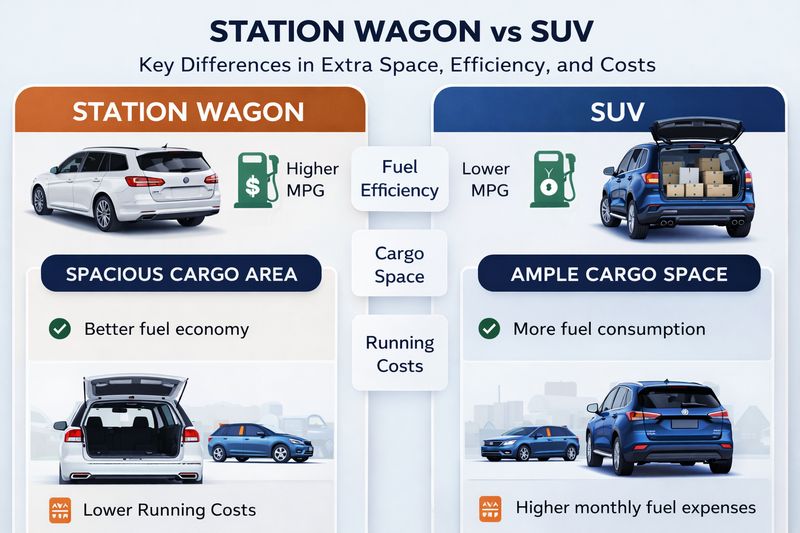
One of the biggest differences is how much you’ll spend over time. SUVs are typically heavier and less aerodynamic, which leads to higher fuel consumption.
Station wagons usually offer:
- Better fuel economy
- Lower monthly fuel expenses
- Reduced maintenance costs in many cases
SUVs, on the other hand, often come with:
- Higher fuel bills
- More expensive tires and parts
- Increased insurance costs
For budget buyers, this means a wagon can save you a significant amount of money in the long run, even if the purchase price is similar.
Ride Height and Visibility
SUVs are known for their higher driving position. This gives you a better view of the road and can make some drivers feel more confident, especially in heavy traffic.
Station wagons sit lower, which results in:
- A more stable driving experience
- Easier entry and exit
- Better aerodynamics
While you may not get the same elevated view as in an SUV, many drivers find that wagons offer better control and a smoother ride, especially on highways and in city driving.
Which Is Better for Budget Buyers
If your main goal is to save money while still getting space and comfort, a station wagon is often the better choice.
Here’s why:
- Lower fuel and maintenance costs
- More affordable options on the used market
- Similar cargo capacity for everyday needs
SUVs can be useful if you need higher ground clearance or plan to drive in rough conditions. But for most daily situations — commuting, shopping, road trips — a station wagon delivers almost the same practicality at a lower cost.
Station Wagon vs Minivan
Station wagons and minivans are both designed for practicality, but they serve slightly different needs. While minivans focus more on carrying large families, station wagons offer a balance between space, comfort, and lower costs. For budget buyers, this difference can be important.
Passenger Capacity
Minivans are built to carry more people. Most models offer three rows of seats and can fit 6–8 passengers comfortably.
Station wagons usually have:
- Two rows of seats
- Space for up to 5 passengers
If you have a large family or regularly drive with many passengers, a minivan may be the better option. But for smaller families or individuals, a station wagon provides enough seating without the extra size and cost.
Cargo Flexibility
Both vehicle types offer good cargo space, but they handle it differently.
Minivans provide:
- Large interior space even with all seats up
- Multiple seating configurations
- Sliding doors for easy access
Station wagons offer:
- Fold-flat rear seats for flexible storage
- Easier loading with a rear hatch
- Enough space for most everyday needs
For example, if you occasionally need to carry large items, a wagon can handle it without being oversized all the time. It’s a more balanced option for mixed use.
Everyday Usability
When it comes to daily driving, station wagons are often easier to live with.
They are:
- Smaller and easier to park
- More fuel-efficient
- Simpler to handle in city traffic
Minivans, while practical, can feel bulky and consume more fuel. They are ideal for specific needs, like transporting multiple passengers every day, but may be less convenient for solo driving or short trips.
Compare Real Prices Before You Buy
Wagons can cost significantly less than SUVs — especially at auctions. Use real sold price data and vehicle history to find the best deal and avoid overpaying.
- ✅ Real auction sold price insights
- ✅ Free vehicle history reports
- ✅ Identify undervalued vehicles
- ✅ Make data-driven buying decisions
How to Choose the Right Station Wagon
Choosing the right station wagon doesn’t have to be complicated. The key is to match the car to your needs, lifestyle, and budget. For buyers looking for value, understanding what matters most will save money and prevent regrets.
Key Factors to Consider (Budget, Size, Usage)
Start by defining your priorities. Ask yourself:
- How much can I spend?
- Do I need a compact or larger wagon?
- What will I use it for most — daily commuting, family trips, or cargo transport?
A smaller wagon may be easier to park and cheaper to run, while a larger model provides more cargo and passenger space. Align your choice with your everyday needs to avoid paying for features you won’t use.
Fuel Type: Gas, Diesel, Hybrid Options
Station wagons come with different fuel types, each with pros and cons.
- Gasoline: Most common, cheaper to buy and maintain. Ideal for typical city or highway driving.
- Diesel: Better fuel economy for long-distance drivers, but maintenance costs can be higher.
- Hybrid: Excellent fuel savings and eco-friendly, but initial purchase price is higher, and battery replacement can add long-term costs.
Consider your driving patterns and fuel budget when choosing the right engine.
Maintenance and Reliability Ratings
Reliability is key, especially for used cars. Look for models known for low maintenance costs and durability.
- Check online reliability ratings and reviews.
- Consider parts availability — older or rare models may be expensive to repair.
- Budget for routine maintenance like oil changes, brakes, and tires.
Choosing a reliable wagon means fewer unexpected repairs and lower overall ownership costs.
Cargo Needs vs Passenger Comfort
Think about what you’ll carry most often. If you need more cargo space, look for wagons with fold-flat rear seats and a roomy rear area.
If you prioritize passenger comfort:
- Check rear legroom and headroom
- Evaluate seat quality and adjustability
How to Buy a Station Wagon at Auction (BidNDrive Tips)
Buying a station wagon at an online auction can save you thousands compared to traditional dealerships. With the right approach, even budget-conscious buyers can score a reliable, spacious vehicle without overpaying. Here’s a detailed guide to make the process smoother.
Why Auctions Offer Better Prices
Online auto auctions often feature vehicles at prices below market value. This is because sellers, including insurance companies and fleet operators, want quick sales.
Benefits for buyers include:
- Lower starting bids than dealer listings
- Opportunity to negotiate or compete in real-time bidding
- Access to a wide variety of models, including rare or older wagons
For budget buyers, auctions are ideal because you can get a roomy, reliable wagon without paying dealership markups.
How to Read Auction Listings
Understanding the listing is crucial to avoid surprises. Look for:
- Vehicle condition reports and damage history
- Mileage and service records
- Auction type (e.g., Copart, IAAI) and bidding rules
Pay attention to keywords like “salvage,” “rebuilt,” or “clean title” — they affect future costs and insurance. Reading the fine print helps you make informed decisions.
Checking Vehicle History Reports
Before bidding, always check a detailed vehicle history report. This can include:
- Accident history and previous damage
- Number of previous owners
- Maintenance and service records
- Odometer verification
A history report helps avoid buying cars with hidden issues, saving repair costs and stress after the purchase.
Shipping and Import Considerations
If the auction is in a different state or country, factor in shipping and import logistics. Things to consider:
- Shipping costs and transit times
- Customs duties or import taxes (for international buyers)
- Insurance coverage during transport
BidNDrive offers guidance on shipping, ensuring your station wagon arrives safely and cost-effectively.
Avoiding Common Beginner Mistakes
Many first-time auction buyers make avoidable errors. Common pitfalls include:
- Bidding without setting a strict budget
- Ignoring hidden damage or repair costs
- Failing to factor in shipping and registration fees
- Skipping the vehicle inspection or history check
Maintenance and Ownership Tips
Owning a station wagon can be a smart choice for budget-conscious buyers, but keeping it in good condition is key to long-term savings. Regular maintenance and careful ownership help prevent costly repairs and ensure your wagon stays reliable for years.
Basic Maintenance Checklist
Routine maintenance keeps your wagon running smoothly. Key tasks include:
- Oil and filter changes: Every 5,000–7,500 miles depending on the engine
- Brake inspection: Pads and rotors should be checked every 10,000–15,000 miles
- Tire care: Rotate tires every 5,000 miles and maintain correct pressure
- Fluid levels: Check coolant, transmission, brake, and power steering fluids
- Battery check: Clean terminals and test for charge regularly
- Lights and wipers: Ensure all lights work and replace wiper blades as needed
Following a checklist helps prevent small issues from turning into expensive repairs.
Common Repairs and Costs
Even well-maintained wagons eventually need repairs. Typical issues include:
- Suspension wear: Shocks or struts may need replacement around 80,000 miles
- Brake replacement: Pads and sometimes rotors every 30,000–50,000 miles
- Timing belt or chain: Critical on older wagons, often replaced between 60,000–100,000 miles
- Minor electrical issues: Sensors, power windows, or lighting repairs
Budget for these repairs when buying a used wagon, as they can vary depending on the model and age.
How to Extend the Life of Your Wagon
With proper care, your station wagon can last well over 200,000 miles. Tips for longevity include:
- Stick to the manufacturer’s maintenance schedule
- Drive smoothly to reduce wear on brakes, transmission, and tires
- Keep the interior and exterior clean to prevent rust and damage
- Store the wagon in a garage if possible to protect it from weather
- Address minor repairs immediately to prevent bigger problems
Small daily habits make a big difference in preserving the vehicle’s value and performance.
Resale Value Tips
Even if you’re a budget buyer, planning for resale is smart. To maintain good resale value:
- Keep detailed service records
- Avoid aftermarket modifications that may deter buyers
- Fix cosmetic issues like scratches or dents promptly
- Clean the interior and exterior before listing the car
The Future of Station Wagons
Station wagons have long been valued for their practicality, but the automotive landscape is evolving. Today, wagons are adapting to new technologies, environmental standards, and changing consumer preferences. For budget-conscious buyers, understanding these trends helps identify models that will remain relevant and valuable in the coming years.
Electric and Hybrid Wagons
The shift toward electrification is reaching wagons. Electric and hybrid wagons combine spacious interiors with eco-friendly performance:
- Electric wagons offer zero emissions, lower running costs, and instant torque for smooth driving.
- Hybrid wagons blend a gasoline engine with electric motors, providing improved fuel economy without range anxiety.
These options are becoming more accessible, offering a practical alternative to SUVs while keeping operating costs low for daily commuting and road trips.
Technology and Safety Innovations
Modern wagons are no longer just practical; they are also high-tech and safe. Innovations include:
- Advanced driver assistance systems (ADAS) like lane-keeping, adaptive cruise control, and automatic emergency braking
- Infotainment upgrades with touchscreen displays, smartphone integration, and navigation
- Enhanced safety features, including multiple airbags, reinforced frames, and stability control
For buyers focused on long-term reliability and safety, these innovations increase the wagon’s value and make it a future-proof choice.
Market Trends and Demand
The wagon market is experiencing a quiet comeback, especially in Europe and among urban drivers seeking fuel-efficient, versatile cars. Key trends include:
- Growing interest in compact and mid-size wagons for city driving
- Rising popularity of eco-friendly wagons with hybrid or electric powertrains
- Steady demand for well-maintained used wagons on the auction market, offering budget-friendly options
Final Thoughts: Is a Station Wagon Right for You?
Station wagons combine practicality, comfort, and efficiency, making them a versatile option for many drivers. They offer a balance between passenger space, cargo capacity, and affordability. Understanding who benefits most from owning one helps you decide if a wagon fits your lifestyle and budget.
Who Should Buy a Wagon
Station wagons are ideal for:
- Small families who need extra cargo space but don’t want a bulky SUV
- Commuters seeking fuel efficiency without sacrificing comfort
- Outdoor enthusiasts who need room for gear but still want a manageable car for city driving
- Buyers who value a smooth ride and good handling over high ride height
If your daily life involves a mix of commuting, errands, and occasional long trips, a wagon provides flexibility without overspending.
When a Wagon Is Better Than an SUV
A wagon can outperform an SUV in several key areas:
- Fuel economy: Wagons are generally lighter and more aerodynamic, using less fuel
- Driving comfort: Lower ride height offers better handling and stability
- Parking and maneuverability: Easier to park and navigate in tight urban spaces
- Lower maintenance costs: Fewer heavy-duty components than SUVs, which reduces repair costs
For those who prioritize efficiency and practicality over off-road capability, a station wagon is often a smarter choice than an SUV.
Smart Choice for Budget-Conscious Buyers
Used station wagons are excellent value for money:
- They are usually cheaper than SUVs or minivans of similar size
- Reliable models have lower long-term maintenance costs
- Auctions and used car markets often have well-maintained wagons at attractive prices
For budget-conscious buyers, a station wagon delivers space, comfort, and versatility without the high price tag of larger vehicles. It’s a practical, cost-effective choice for both everyday driving and weekend adventures.
Access U.S. Auto Auctions Today
Now you know why station wagons are a smart budget choice. The next step is finding the right one at the right price. BidNDrive gives you access to real inventory with full transparency and support.
- ✅ Access to Copart, IAAI and dealer-only auctions
- ✅ Free history reports with every vehicle
- ✅ Transparent fees and no hidden costs
- ✅ Support from search to purchase
Further Reading:
Top 10 Used Cars You Can Buy for Under $3,000 in 2026
Should You Buy a Salvage Car? Pros, Cons, and Expert Tips
Navigating Title Types: A Guide to Clean, Rebuilt, and Salvage Titles for Smart Buyers
How to Verify If a Car Has a Clean Title: A Step-by-Step Guide
Frequently Asked Questions
- What does station wagon mean?
- What classifies as a station wagon?
- What is the difference between a station wagon and an SUV?
- What is the difference between a hatchback and a station wagon?