


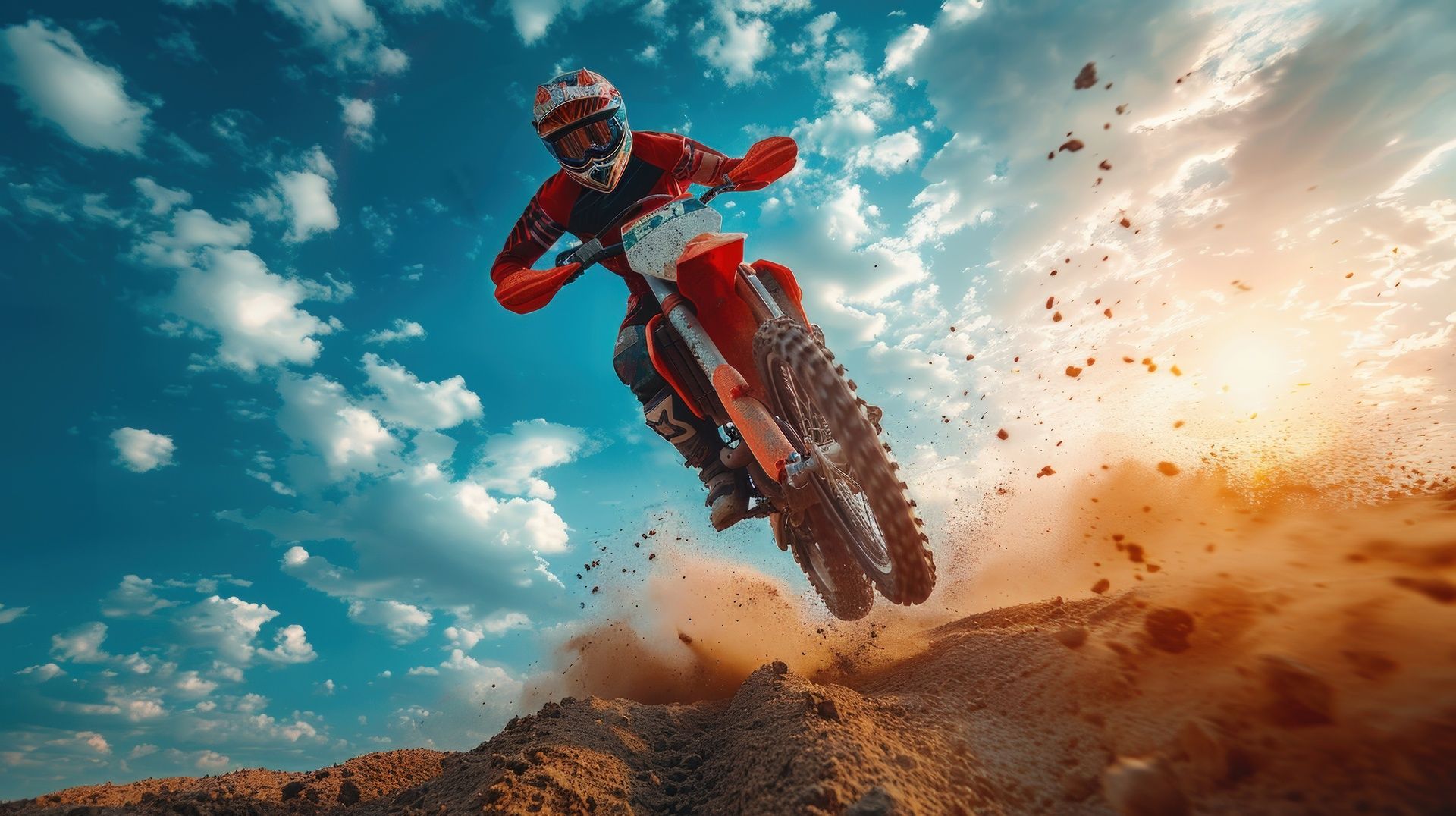
Curious about powersports but unsure what it includes? This guide explains the types of vehicles, their uses, and why they’re popular. Learn how budget-conscious riders can enjoy adventure, recreation, and utility without overspending.
Defining Powersports
If you’ve ever seen someone riding an ATV through the woods, a jet ski on a lake, or a dirt bike across a trail, you’ve witnessed powersports in action. For budget-conscious buyers, understanding what powersports are is the first step toward enjoying these vehicles without overspending.
What does the term “powersports” mean?
The term “powersports” refers to recreational vehicles powered by engines that are designed for fun, adventure, and off-road or specialized use. This includes motorcycles, ATVs (all-terrain vehicles), snowmobiles, personal watercraft like jet skis, and even side-by-side off-road vehicles. Powersports vehicles are built for thrills, outdoor exploration, and recreation, rather than just transportation. For example, a family might buy a used Polaris Ranger to explore trails on weekends, saving money compared to renting one each time.
Difference between powersports and motorsports
While the terms are sometimes used interchangeably, powersports and motorsports are not the same. Motorsports generally refer to competitive racing events—think MotoGP, NASCAR, or professional motocross—where the focus is on speed, competition, and skill. Powersports, on the other hand, is more about recreation, adventure, and personal enjoyment, not racing. A budget-conscious rider may not be aiming for a race podium but wants a reliable ATV for weekend trail rides or a used snowmobile for winter fun. Understanding this difference helps buyers focus on the types of vehicles that fit their lifestyle and budget.
History and Evolution of Powersports
Understanding the history of powersports helps budget-conscious buyers appreciate the vehicles they’re considering, and see how trends and technology have shaped the market today.
Early development of powersport vehicles
Powersports began in the early 20th century with simple motorized vehicles designed for adventure and outdoor exploration. Early motorcycles, snowmobiles, and small off-road vehicles were mostly mechanical experiments, used for transportation in rural areas or recreation by enthusiasts. Over time, innovations in engines, suspension, and lightweight materials made these vehicles faster, safer, and more versatile. For example, the first ATVs were built in the 1960s as utility machines for farms, but riders quickly realized they were fun on trails, leading to recreational models. Budget-conscious buyers today can find used versions of these classic models at auctions, offering an affordable way to own a piece of powersports history.
Growth in popularity and cultural influence
By the 1970s and 1980s, powersports grew beyond utility into mainstream recreation. Motorcycles, dirt bikes, jet skis, and snowmobiles became symbols of adventure, freedom, and outdoor fun. Media, movies, and events like motocross competitions helped fuel interest, creating a culture around powersports enthusiasts. Today, powersports are not just for thrill-seekers—they’re accessible to everyday riders who want a weekend hobby, off-road exploration, or family-friendly fun. For example, a young couple might buy a used Polaris RZR from an auction to explore trails together without spending a fortune on new equipment, combining affordability with recreation.
Types of Powersport Vehicles
Powersports cover a wide range of vehicles, each designed for fun, adventure, or outdoor utility. Budget-conscious buyers can find used options at auctions or from private sellers, making these exciting vehicles more affordable.
Motorcycles
Motorcycles are the most recognized type of powersport vehicle. They include street bikes for commuting and sport bikes for speed and agility. For budget-conscious riders, used motorcycles can be an affordable way to enjoy recreation or practical transportation. For example, a used Honda CBR or Yamaha FZ from an auction can cost a fraction of a new model while still offering reliability.
All-Terrain Vehicles (ATVs)
ATVs are four-wheeled off-road vehicles designed for trails, mud, and rough terrain. They are ideal for weekend adventures, farm work, or trail riding. A used Polaris Sportsman or Can-Am Outlander can offer years of fun at a lower price, perfect for riders who want to explore without overspending.
Utility Task Vehicles (UTVs) / Side-by-Sides
UTVs, also called side-by-sides, are larger than ATVs and often carry two to six passengers. They are versatile for recreation and work, such as hauling gear or navigating rugged terrain. Budget-conscious buyers can find reliable used models like the Polaris RZR or Yamaha Viking at online auctions, offering both adventure and practical use at a lower cost.
Snowmobiles
Snowmobiles are designed for winter travel over snow and ice. Popular for recreation in snowy regions, they range from entry-level to high-performance models. A used Arctic Cat or Ski-Doo can allow riders to enjoy winter sports without paying the premium for a brand-new machine.
Personal Watercrafts (PWCs)
PWCs, such as jet skis, are small watercraft designed for lakes, rivers, and coastal recreation. They provide thrilling water experiences and are often more affordable used. A used Yamaha WaveRunner or Sea-Doo can offer hours of fun for a fraction of the cost of a new model.
Dirt Bikes and Off-Road Bikes
Dirt bikes are lightweight motorcycles designed for off-road trails, motocross tracks, or rugged terrain. They are popular for adventure and skill-building. Budget-conscious riders can find used Honda CRF or KTM dirt bikes at auctions or online marketplaces, making them accessible even with limited funds.
Electric Powersport Vehicles (emerging trend)
Electric powersports are growing in popularity, offering quieter, cleaner, and lower-maintenance alternatives. Electric motorcycles, scooters, and even off-road vehicles are becoming more affordable, with used options gradually entering the market. For example, a used Zero Electric motorcycle can provide a modern, eco-friendly ride without the high upfront cost of a new electric model.
Benefits of Powersports
Powersports vehicles offer more than just fun—they provide practical uses, skill-building opportunities, and a way to connect with a community. For budget-conscious buyers, understanding these benefits can help justify investing in a used or auction-purchased vehicle.
Recreation and adventure
One of the biggest draws of powersports is recreation and adventure. Motorcycles, ATVs, UTVs, snowmobiles, and jet skis allow riders to explore trails, lakes, mountains, and other outdoor spaces. A weekend ride on a used Polaris ATV or a dirt bike from an auction can provide hours of excitement for a fraction of the cost of a brand-new model. Powersports are perfect for people who want an active, outdoor lifestyle without spending excessively.
Practical utility (farming, ranching, hunting, transport)
Many powersports vehicles also have practical uses. ATVs and UTVs are invaluable on farms or ranches for hauling supplies, checking fences, or moving equipment. Snowmobiles can be essential for winter transport in snowy areas, while motorcycles or scooters provide an affordable commuting option in urban areas. For example, a rider may buy a used Honda Pioneer UTV at auction to carry feed across a ranch, saving both time and money compared to larger vehicles.
Building skills and community
Powersports also help riders develop skills and connect with a community. Riding improves coordination, balance, and mechanical knowledge for maintaining vehicles. Powersports enthusiasts often join clubs, attend events, or participate in trail rides, creating a sense of camaraderie. Budget-conscious riders can join local groups, trade maintenance tips, and even buy used vehicles together to share costs, making the hobby more accessible.
Safety in Powersports
While powersports are thrilling and fun, safety should always come first. Budget-conscious riders can enjoy the adventure without unnecessary risks by investing in protective gear, proper training, and smart riding habits.
Essential protective gear
Wearing the right protective gear is crucial for all powersports activities. Helmets are a must for motorcycles, dirt bikes, and UTVs, while gloves, boots, goggles, and padded jackets provide additional protection. Even a budget-conscious rider can find quality used or discounted gear online or at auctions, making safety affordable. For example, a used DOT-approved helmet and gloves can cost a fraction of new gear, yet still provide reliable protection.
Training and licensing requirements
Many powersports vehicles require formal training or licensing. Motorcycle riders often need a motorcycle endorsement on their driver’s license, while some states require ATV or snowmobile safety courses. Completing these programs not only ensures legal compliance but also teaches riders essential skills to handle their vehicles safely. For example, a rider attending a basic ATV safety course can learn how to navigate trails safely and avoid tipping hazards, reducing the chance of costly accidents.
Common risks and how to avoid them
Powersports carry risks such as collisions, rollovers, and environmental hazards. To minimize danger:
- Ride within your skill level and the vehicle’s limits
- Avoid high speeds on unfamiliar terrain
- Inspect your vehicle regularly for mechanical issues
- Follow trail and waterway regulations
For instance, a rider who buys a used Yamaha ATV from an auction should check brakes, tires, and suspension before hitting trails. Wearing gear, riding cautiously, and maintaining the vehicle reduces injury risk and keeps repair costs down—helping budget-conscious riders enjoy powersports safely.
Environmental Considerations
While powersports are fun and practical, riders should also be mindful of their impact on the environment. Budget-conscious riders can enjoy their vehicles responsibly by following eco-friendly practices and taking advantage of technological improvements.
Impact of powersports on nature and wildlife
Powersports vehicles, especially ATVs, UTVs, dirt bikes, and snowmobiles, can affect trails, soil, and wildlife habitats. Off-trail riding can damage vegetation, erode soil, and disturb animals. Even budget-conscious riders who buy used vehicles should prioritize responsible trail use to protect nature and prevent fines or restricted access. For example, sticking to designated trails with a used ATV helps minimize environmental damage while still allowing hours of adventure.
Eco-friendly practices and sustainable riding
Riders can adopt eco-friendly practices without spending a fortune. This includes:
- Choosing trails or waterways with minimal environmental impact
- Cleaning vehicles to prevent spreading invasive species
- Limiting engine idling to reduce emissions
- Properly maintaining vehicles to improve fuel efficiency
A rider with a used dirt bike from an online auction, for instance, can enjoy weekend rides responsibly by following these simple, cost-effective steps.
Technological advances reducing emissions and noise
Newer powersports vehicles, including electric motorcycles, ATVs, and watercraft, are designed to reduce emissions and noise pollution. Even budget-conscious buyers can take advantage of these technologies by seeking used electric or low-emission models at auctions. For example, a used electric Zero motorcycle or small electric ATV can provide the same thrill as gas-powered models while being quieter and cleaner, offering long-term savings on fuel and maintenance as well.
Powersports vs. Motorsports
Many people confuse powersports with motorsports, but understanding the distinction can help budget-conscious buyers choose the right type of vehicle for their lifestyle and wallet.
Key vehicle differences
Powersports vehicles are primarily designed for recreation, utility, and off-road fun. This includes motorcycles, ATVs, UTVs, snowmobiles, and personal watercraft. Motorsports vehicles, on the other hand, are built for speed, performance, and competitive racing, such as MotoGP bikes, rally cars, or race-prepped ATVs. For example, a budget-conscious rider may choose a used Polaris Sportsman ATV for weekend trail rides instead of a high-performance race ATV, which would cost far more to purchase and maintain.
Competition vs. recreation focus
Motorsports is centered around competition, with tracks, tournaments, and performance benchmarks. Powersports focuses on recreation and personal enjoyment, whether exploring trails, riding a snowmobile on a winter weekend, or cruising on a jet ski. Riders interested in fun without the stress or high cost of racing often find powersports more accessible. A used Honda CRF dirt bike from an auction can offer hours of adventure without the expenses associated with professional motocross.
Accessibility and costs
Powersports vehicles are generally more accessible and affordable, especially when buying used. Motorsports often require significant investment in specialized vehicles, gear, and event fees. For budget-conscious buyers, powersports allow enjoyment of adventure and outdoor activities at a fraction of the cost. For example, a used Yamaha WaveRunner purchased at an online auction can provide affordable water recreation, whereas competing in a professional jet ski race demands a brand-new machine, racing license, and high insurance costs.
The Role of Professional Help and Maintenance
Owning a powersports vehicle is exciting, but keeping it in good condition requires careful maintenance and occasional professional help. Budget-conscious riders can save money in the long run by investing in inspections, routine upkeep, and smart upgrades.
Dealer services and inspections
Professional inspections are crucial, especially when buying a used or auction-purchased powersports vehicle. Dealers or certified mechanics can check the engine, brakes, suspension, and other critical components to ensure safety and reliability. For example, a rider buying a used Polaris RZR at auction can have a dealer inspect it before hitting the trails, avoiding costly repairs later and making sure the vehicle is safe for family or recreational use.
Importance of regular maintenance
Routine maintenance keeps powersports vehicles running smoothly and extends their lifespan. Simple tasks like oil changes, chain lubrication, tire pressure checks, and brake inspections can prevent major breakdowns. A rider with a used Honda CRF dirt bike, for instance, can save hundreds of dollars by following a maintenance schedule rather than facing expensive engine repairs due to neglect.
Upgrades and customization
Upgrades and customization can improve performance, comfort, and safety. Budget-conscious riders can focus on cost-effective improvements, such as better tires, protective skid plates, or upgraded lighting. For example, adding aftermarket tires to a used ATV bought at auction can enhance off-road handling without breaking the bank, allowing riders to enjoy a safer and more capable vehicle.
Community and Cultural Impact of Powersports
Powersports are more than just vehicles—they create communities, traditions, and economic opportunities. For budget-conscious riders, being part of this culture can add value to their experience beyond just owning a bike, ATV, or snowmobile.
Powersport clubs and associations
Many riders join powersport clubs or associations to connect with like-minded enthusiasts. These groups organize rides, share maintenance tips, and provide guidance on safe riding. For example, a budget-conscious rider who purchases a used ATV from an online auction can join a local off-road club, meeting others who help with trail knowledge and cost-saving advice, making the hobby more accessible and social.
Events, rallies, and competitions
Powersports events—from small local rallies to large national competitions—offer opportunities for fun, learning, and camaraderie. Even if you’re not competing professionally, attending a motocross event or a side-by-side rally allows riders to see the latest vehicles, test skills, and exchange tips. A rider with a used dirt bike might attend a weekend motocross meet to learn tricks and trail techniques without spending on expensive lessons.
Tourism and local economies
Powersports have a significant impact on tourism and local economies. Trail networks, lake resorts, and snowmobile regions attract riders who spend on accommodations, fuel, and supplies. For instance, budget-conscious riders taking a used snowmobile on a winter vacation contribute to local businesses while enjoying adventure at a fraction of the cost of new vehicles. Powersports not only provide recreation but also support communities economically, creating jobs and sustaining local trails and facilities.
Choosing the Best Powersport Vehicle
Selecting the right powersports vehicle is key to enjoying the hobby without overspending. Budget-conscious riders should consider their lifestyle, intended use, and cost-saving opportunities.
Matching vehicle type to lifestyle and budget
Different powersports vehicles suit different lifestyles. Motorcycles or scooters are ideal for urban commuting or weekend rides, while ATVs and UTVs are better for trail adventures, farming, or hunting. Snowmobiles are perfect for winter regions, and personal watercraft are ideal for lakes and coastal fun. For example, a family looking for weekend outdoor activities might choose a used Polaris RZR UTV for trail rides and hauling gear, providing versatility and enjoyment without a huge investment.
New vs. used powersport vehicles
New vehicles offer the latest features, warranties, and fewer maintenance worries, but they come at a premium price. Used powersports vehicles are more affordable and can offer excellent value, especially if purchased from auctions, dealerships, or private sellers. A used Yamaha WaveRunner or Honda CRF bought at auction can provide years of reliable recreation at a fraction of the cost of a new model. Budget-conscious riders often prioritize well-maintained used vehicles with documented service history to maximize value.
Buying from auctions as a budget-friendly option
Online and in-person auctions are excellent options for saving money. Buyers can access a wide range of motorcycles, ATVs, UTVs, and personal watercraft at discounted prices. Auctions often feature vehicles that have been lightly used or are repossessed, allowing riders to stretch their budget. For example, a rider might purchase a used Polaris Sportsman ATV for 30–50% less than retail, then invest a small amount in inspection and minor repairs to have a safe and reliable vehicle.
Advancements in Powersport Technology
Powersports vehicles have come a long way in terms of technology, safety, and efficiency, making them more accessible and appealing to budget-conscious riders. Understanding these advancements helps buyers make smart choices when shopping for new or used vehicles.
Electric and hybrid models
Electric and hybrid powersports vehicles are an emerging trend. They are quieter, cleaner, and often cheaper to maintain than traditional gas-powered models. For example, a used electric Zero motorcycle or electric ATV can save money on fuel and reduce maintenance costs since electric motors have fewer moving parts. Budget-conscious buyers can now find these options in auctions or online marketplaces, combining modern technology with affordability.
Smart safety features and GPS integration
Modern powersports vehicles increasingly come with smart safety features, including traction control, stability systems, and GPS tracking. GPS integration helps riders navigate trails, track vehicle location, and enhance security—especially for off-road or remote riding. Even some used models may include basic safety tech, and aftermarket solutions can be added affordably to older vehicles, allowing riders to enjoy enhanced safety without spending on brand-new high-tech models.
Future trends in the industry
The powersports industry is moving toward more electric models, connectivity, and eco-friendly solutions. Innovations like battery-powered snowmobiles, hybrid ATVs, and intelligent monitoring systems are likely to become mainstream. For budget-conscious riders, this means a growing market of affordable used electric or hybrid vehicles at auctions, offering lower running costs and modern features without paying for a brand-new machine.
FAQ
Many riders, especially those new to the hobby or considering a purchase on a budget, have common questions about powersports. Here are clear answers to help you make informed decisions.
What is the meaning of Powersports?
Powersports refers to engine-powered recreational vehicles designed for adventure, recreation, or utility. This includes motorcycles, ATVs, UTVs, snowmobiles, personal watercraft, and off-road bikes. Unlike motorsports, which focus on competition and racing, powersports are about fun, exploration, and practical use, whether it’s trail riding, water adventures, or farm work.
Is a dirt bike a powersport?
Yes, a dirt bike is considered a powersports vehicle. Dirt bikes are lightweight motorcycles designed for off-road trails, motocross tracks, and rugged terrain. They provide recreational thrills, skill-building, and outdoor adventure. Budget-conscious buyers can often find used dirt bikes at auctions or online marketplaces, offering an affordable entry into powersports.
Is ATV a powersport?
Absolutely. An ATV (all-terrain vehicle) is a four-wheeled powersports vehicle designed for off-road riding, trail adventures, and practical tasks like hauling gear on farms or ranches. Used ATVs, such as Polaris or Can-Am models, are popular among budget-conscious riders because they offer versatile utility and fun without the high cost of new vehicles.
What is the best powersports brand?
The “best” brand depends on the type of vehicle, intended use, and budget. Popular, reliable options include:
- Motorcycles: Honda, Yamaha, Suzuki
- ATVs/UTVs: Polaris, Can-Am, Yamaha
- Snowmobiles: Ski-Doo, Arctic Cat, Polaris
- Personal Watercraft: Yamaha, Sea-Doo, Kawasaki
Conclusion
Powersports are more than just vehicles—they represent adventure, recreation, and freedom. For budget-conscious riders, understanding the benefits and considerations of powersports can help make smart, affordable choices.
Why powersports continue to grow
Powersports continue to grow in popularity due to versatility, excitement, and accessibility. Vehicles like motorcycles, ATVs, UTVs, snowmobiles, and personal watercraft appeal to riders seeking both adventure and utility. Technological advances, such as electric models and enhanced safety features, make powersports more appealing and easier to maintain. Additionally, communities, events, and cultural interest drive enthusiasm, creating a thriving market where used and auction-purchased vehicles provide affordable entry points for budget-conscious buyers.
Tips for beginners considering entry into powersports
For those new to powersports, starting on a budget is possible with the right strategies:
- Start with used vehicles: Auctions and online marketplaces can offer quality bikes, ATVs, or snowmobiles at a fraction of new prices.
- Consider your lifestyle and needs: Choose a vehicle that matches your recreational or practical goals, like a dirt bike for trail riding or a UTV for hauling and family adventures.
- Invest in safety and training: Proper gear and safety courses protect both your wallet and your well-being.
- Maintenance matters: Regular upkeep ensures reliability and extends vehicle lifespan, saving money on repairs over time.
Are you interested in buying a vehicle from Online Auto Auctions?
With this being said – you can still export vehicles and save up a few thousand dollars with Bidndrive. We have an inventory of over 150k plus vehicles with titles you can export for you to choose from. Once you have placed your bid and won the auction a Bill of Sale document is then emailed to you as proof of purchase – after full payments have been made.
To gain access and get started on your purchase, sign up for free.