



Buying a car at an auction can be exciting but stressful, especially when competing against other bidders. Proxy bidding lets you set a maximum bid and let the system automatically place bids for you, saving time and helping you stick to your budget. This guide explains how proxy bidding works, why it matters, and how you can use it to win cars at auctions without overspending.
What Is Proxy Bidding
Proxy bidding is a system that lets buyers participate in an auction without manually placing every bid themselves. For budget-conscious buyers, it’s a powerful tool to stay competitive without overspending or constantly watching the auction.
Simple Definition of a Proxy Bid
A proxy bid is the maximum amount you’re willing to pay for a vehicle. You enter this number into the auction system, and the platform automatically increases your bid only as needed to stay the highest bidder — up to your maximum.
For example, if you’re willing to pay $5,000 for a used Toyota Camry, you enter $5,000 as your proxy bid. If someone else bids $4,500, the system automatically raises your bid to $4,600 to keep you in the lead — without you having to do anything.
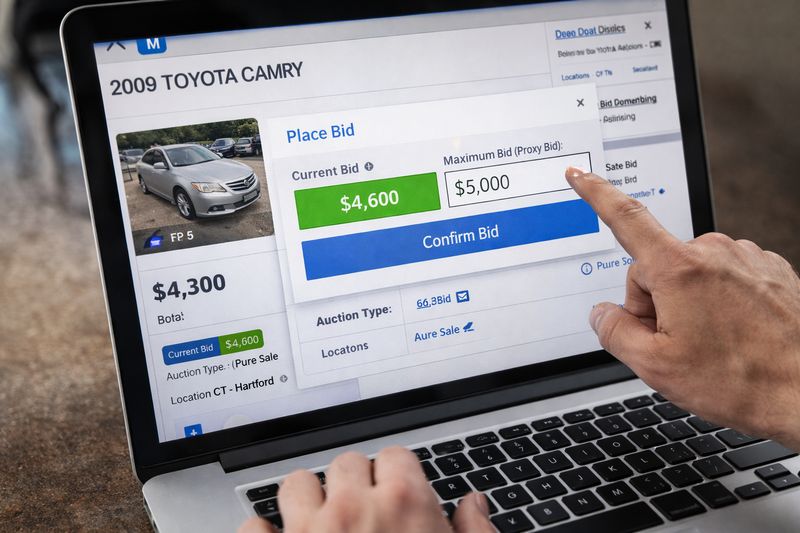
This way, you don’t get caught up in emotional bidding or rush to place last-second offers.
How Proxy Bidding Works in Auctions
Proxy bidding works step by step:
- Set your maximum bid: Decide the highest price you’re willing to pay, including fees and shipping if applicable.
- System places bids automatically: The auction platform increases your bid incrementally, just enough to stay ahead of other bidders.
- Stops at your maximum: If another bidder exceeds your maximum, the system stops, and you lose the auction — but never pay more than your limit.
This makes bidding easier for everyday buyers who can’t monitor an auction constantly, especially online or across time zones.
Proxy Bidding vs Live Bidding
Live bidding requires you to manually watch the auction and place each bid in real time. This can be stressful and may lead to overspending if emotions take over.
Proxy bidding, in contrast:
- Automates bidding: You don’t have to constantly click or monitor the auction.
- Keeps your spending in check: The system won’t bid higher than your set maximum.
- Saves time: You can manage multiple auctions at once without being present for every second.
Where Proxy Bidding Came From
Proxy bidding might feel like a modern convenience, but it has a clear history rooted in the evolution of auctions. Understanding where it came from helps buyers appreciate why it exists and how it benefits everyday participants.
History of Proxy Bidding Systems
The concept of proxy bidding dates back to traditional in-person auctions. In the early days, buyers who couldn’t attend an auction in person would leave written instructions with an auctioneer specifying the maximum they were willing to pay. The auctioneer would then bid on their behalf, increasing the bid only as needed — effectively acting as a human “proxy.”
With the rise of online auctions in the late 1990s and early 2000s, this manual process became automated. Platforms like eBay pioneered digital proxy bidding, letting users set a maximum bid and allowing the system to automatically place incremental bids. Over time, this method spread to car auctions, including salvage, dealer-only, and public auctions, giving buyers a practical way to compete without constantly monitoring the auction.
Why Auctions Introduced Proxy Bidding
Auctions introduced proxy bidding for several key reasons:
- Fairness: It levels the playing field by allowing buyers to compete without being physically present.
- Efficiency: The system keeps the auction moving quickly without requiring constant manual input.
- Budget control: Buyers can set a maximum amount, reducing the risk of emotional overspending.
- Accessibility: People who live in different time zones or cannot attend live auctions can still participate.
Why Proxy Bidding Matters for Car Buyers
Proxy bidding is more than a convenience — it can be a game-changer for anyone buying cars at auction. Whether you’re a budget-conscious buyer or a professional dealer, understanding how proxy bidding works can help you save money, stay competitive, and avoid common pitfalls.
Benefits for Budget Buyers
For buyers on a limited budget, proxy bidding offers several key advantages:
- Prevents overspending: You set your maximum bid in advance, so the system never exceeds your budget.
- Reduces stress: You don’t have to watch the auction constantly or react to last-minute bids.
- Increases chances of winning: Even if you can’t attend live, your proxy bid competes automatically against others.
For example, imagine a first-time buyer looking for a used Toyota Corolla. They know their maximum budget is $5,000. By using proxy bidding, the system automatically increases their bid in small increments, keeping them competitive without ever going above their limit. This prevents the common scenario of emotionally bidding too high in the heat of the moment.
Benefits for Professional and High-Volume Buyers
Proxy bidding isn’t just for individuals — it’s also valuable for dealers or high-volume buyers:
- Manages multiple bids at once: Professionals often track dozens of cars across several auctions. Proxy bidding lets them compete efficiently without manual monitoring.
- Saves time and resources: Automated bidding reduces the need for staff to manually place bids, freeing time for other business activities.
- Keeps bidding strategic: Proxy systems can prioritize which cars are more valuable, ensuring maximum ROI without overspending.
For instance, a small dealership managing fleet purchases can use proxy bids to simultaneously target multiple low-mileage cars at different auctions, staying competitive while controlling costs.
How Proxy Bidding Helps Control Spending
One of the most important reasons proxy bidding matters is that it keeps spending under control. Buyers can:
- Set a realistic maximum based on research of market values and auction fees
- Avoid bidding wars that push the price above the car’s worth
- Factor in additional costs like shipping, taxes, and repairs before setting the bid
This is especially useful for budget buyers who need to stick to a strict limit. By using proxy bidding, you can compete with confidence, knowing that even if someone else bids aggressively, you won’t accidentally exceed your financial plan.
How Proxy Bidding Works Step by Step
Proxy bidding simplifies the auction process, making it easier for budget buyers to compete without constantly monitoring bids. By automating bidding within a set limit, it helps you stay in control of your spending while still giving you a fair chance to win the car you want. Here’s how it works in detail.
Setting Your Maximum Bid
The first step in proxy bidding is deciding the maximum amount you are willing to pay for a car. This should include all additional costs such as auction fees, shipping, and potential repairs. Setting a realistic maximum ensures that you don’t overpay in the heat of the moment.
For example, if a buyer wants a Honda Civic and has a total budget of $6,000, they enter $6,000 as their maximum bid. The system will then use this number to manage the bidding automatically, so the buyer never exceeds their budget.
How the System Automatically Increases Your Bid
Once your maximum is set, the auction system will increase your bid incrementally only as needed to stay ahead of other bidders.
- If the current bid is $5,000 and another bidder offers $5,100, the system will automatically increase your bid by the smallest increment (for instance, $5,110) to maintain your lead.
- You don’t have to manually monitor the auction, and the system ensures you always bid just enough to stay competitive without going over your maximum.
This automatic process is especially helpful for buyers who are juggling multiple auctions or cannot watch the auction live.
What Happens When Another Buyer Bids
When another participant places a bid higher than your current standing bid:
- The proxy system immediately reacts, increasing your bid in small steps to match or slightly exceed the competing bid.
- You maintain the highest bid until you either reach your maximum or another bidder exceeds it.
For example, if your maximum for a Ford Escape is $7,000 and a competing bid jumps to $6,800, your proxy bid will automatically rise to $6,810, keeping you ahead without any manual effort.
What Happens When Your Maximum Is Reached
If another bidder exceeds your maximum:
- The system stops bidding for you, and you lose the auction.
- You are never required to pay more than the maximum you set, preventing budget surprises.
This is a key advantage for everyday buyers. Even in a heated bidding war, proxy bidding keeps your spending under control and prevents emotional decisions from causing you to overpay.
Proxy Bidding vs Manual Bidding
When buying cars at auction, you have two main options: manual bidding or proxy bidding. Each method has pros and cons, but for budget-conscious buyers, proxy bidding often provides better control, convenience, and protection against overspending. Here’s a detailed comparison.
Speed and Convenience
Manual bidding requires you to watch the auction closely and click to place every bid in real time. This can be stressful, especially if the auction is fast-paced or if you’re trying to manage multiple cars at once.
Proxy bidding, on the other hand, automates the process. You set your maximum bid, and the system automatically raises your bid incrementally only when necessary. This saves time, reduces stress, and allows you to participate even if you can’t monitor the auction constantly.
For example, a buyer juggling work and family can set a proxy bid on a used Toyota Corolla while at home. The system keeps them competitive without requiring them to sit at a computer for hours.
Emotional vs Automated Bidding
Manual bidding can trigger emotional decisions. It’s easy to get caught up in a bidding war and push past your budget just to “win” a car.
Proxy bidding removes this emotional component. The system follows the maximum bid you set, preventing impulse decisions. This is particularly valuable for everyday buyers with a strict budget, as it ensures you only pay what you planned to pay.
Risk of Overpaying
With manual bidding, the risk of overpaying is high. Competitive auctions can drive prices above a car’s market value, and buyers often don’t realize how much they’ve committed until it’s too late.
Proxy bidding minimizes this risk. You cannot exceed your set maximum, so even if another bidder tries to outbid you repeatedly, you remain protected. This makes proxy bidding a safer choice for budget-conscious buyers who want to avoid unpleasant surprises.
Where Proxy Bidding Is Used in Car Auctions
Proxy bidding is now a common tool across many types of car auctions. It allows buyers — from budget-conscious individuals to professional dealers — to compete effectively without being physically present or constantly monitoring the auction. Here’s where proxy bidding is most widely used.
Online Auto Auction Platforms
Online auction platforms like Copart, IAAI, and other specialized sites rely heavily on proxy bidding. These platforms host thousands of vehicles at any given time, making it impossible to bid manually on every car.
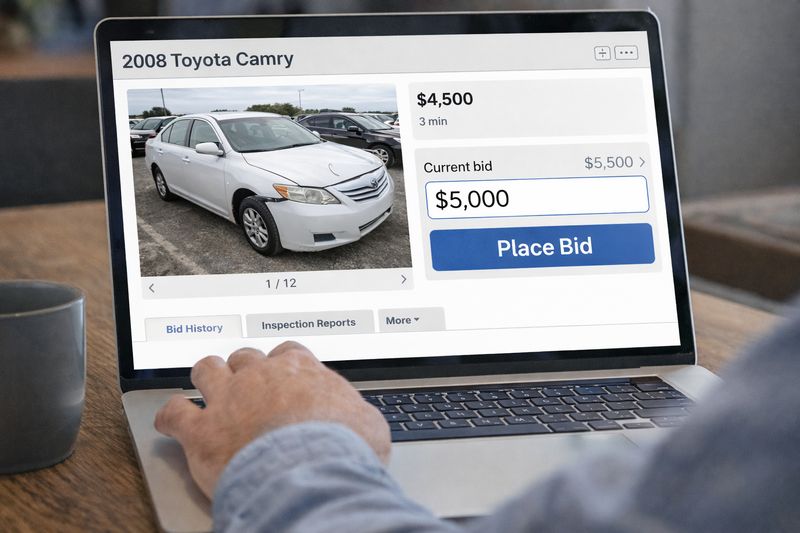
For everyday buyers, online proxy bidding is a lifesaver: you can set your maximum bid for a used Toyota Camry or Honda Civic, and the system automatically competes against other bidders. Even if you’re busy at work or in a different time zone, your bid stays active, giving you a fair chance to win without overspending.
Dealer-Only Auctions
Dealer-only auctions are usually restricted to licensed dealers, but many buyers gain access through brokers like BidNDrive. Proxy bidding is especially useful in these environments because:
- Cars often sell quickly, with high competition.
- Manual bidding requires constant attention, which is hard when dozens of vehicles are up for sale.
- Budget buyers can compete strategically, focusing only on cars they can afford without emotional bidding.
For instance, a buyer looking for a low-mileage fleet vehicle can use proxy bidding to secure the car automatically while the auction moves rapidly.
Salvage and Insurance Auctions
Salvage and insurance auctions often sell vehicles with damage or other issues. Proxy bidding here is valuable because it lets buyers:
- Place bids without needing to be physically present at potentially chaotic auction sites.
- Manage multiple vehicles at once, comparing potential repair costs against maximum bids.
- Stay disciplined with spending, which is crucial when factoring in repairs, fees, and transport costs.
A budget-conscious buyer might use proxy bidding to target a slightly damaged Ford Escape, setting a maximum bid that covers both purchase and repair costs, ensuring the total expense doesn’t exceed their budget.
Platforms That Support Proxy Bidding
Proxy bidding is now a standard feature on many major car auction platforms, giving buyers the ability to set maximum bids and let the system compete automatically. Understanding which platforms support proxy bidding helps budget-conscious buyers plan their strategy and participate confidently.
Copart Proxy Bidding
Copart is one of the largest online auto auction platforms, especially popular for salvage, insurance, and clean-title vehicles. Copart’s proxy bidding system allows you to:
- Set your maximum bid for any vehicle, including damaged or totaled cars.
- Automatically compete against other buyers without being present.
- Track your bids with notifications and bid history, so you know where you stand.
For example, a buyer searching for a lightly damaged Toyota Corolla can set a $4,500 maximum bid. Copart will increase the bid incrementally only when other participants place competing offers, keeping the process stress-free.
IAAI Proxy Bidding
IAAI (Insurance Auto Auctions) is another leading platform, mainly for salvage and insurance vehicles. Proxy bidding here allows buyers to:
- Bid on multiple cars simultaneously without manual effort.
- Protect their budget by never exceeding their pre-set maximum.
- Get real-time updates on auction activity.
A budget buyer interested in a Nissan Altima from IAAI can rely on proxy bidding to stay competitive, even if they are not actively watching the auction.
Manheim and Dealer Auction Proxy Tools
Manheim and other dealer-only auctions also provide proxy bidding or similar automated bid tools. These platforms are generally restricted to licensed dealers, but brokers like BidNDrive can give everyday buyers access.
Proxy bidding on these platforms helps:
- Compete on high-demand vehicles efficiently.
- Avoid emotional overspending during fast-paced dealer auctions.
- Track multiple vehicles across different auction events simultaneously.
For instance, a buyer using BidNDrive can set maximum bids on several low-mileage fleet vehicles at a Manheim auction, letting the system manage the bidding while staying within budget.
Other Online Auction Platforms
Besides Copart, IAAI, and Manheim, many smaller or specialized online auction sites also support proxy bidding. Features may vary, but common benefits include:
- Automatic incremental bidding
- Maximum bid limits
- Bid history and notifications
These platforms allow budget buyers to compete confidently, whether they’re looking for clean-title sedans, SUVs, or slightly damaged vehicles.
Key Proxy Bidding Features to Look For
Not all proxy bidding systems are created equal. Knowing which features to look for can help budget-conscious buyers maximize their chances of winning an auction without overspending. Here are the most important features to consider when using proxy bidding in car auctions.
Automatic Bid Increments
A good proxy bidding system automatically increases your bid in small, controlled steps whenever someone else bids on the same vehicle.
- This ensures you remain the highest bidder without constantly watching the auction.
- It prevents overbidding by only raising the bid enough to surpass competitors.
For example, if your maximum bid for a Ford Escape is $7,000 and the current bid is $6,500, the system might automatically raise your bid to $6,510. This way, you stay competitive while sticking to your budget.
Bid History and Transparency
Transparency is key when using proxy bidding. The platform should show:
- How many bids have been placed
- The current bid and incremental increases
- Whether your bid is leading or has been surpassed
This allows you to track auction activity and make informed decisions for future auctions. Knowing the history helps budget buyers avoid unnecessary surprises or guessing how the auction is progressing.
Real-Time Notifications
Many proxy bidding systems provide real-time alerts via email, SMS, or app notifications:
- When someone outbids you
- When you are the highest bidder
- When the auction is about to end
These notifications help buyers react quickly, adjust their strategy, or increase their maximum bid if necessary. For a budget buyer managing multiple auctions, this feature ensures no opportunity is missed.
Maximum Bid Controls
The most important feature for everyday buyers is the ability to set and enforce a maximum bid.
- The system should never exceed this amount, keeping your spending in check.
- It should allow adjustments before the auction ends if you reassess the car’s value or additional costs like fees and repairs.
For instance, a buyer targeting a used Toyota Camry might set a $5,000 maximum bid. Even if the auction becomes competitive, the system will not bid beyond $5,000, protecting the buyer’s budget and preventing costly mistakes.
Common Concerns About Proxy Bidding
Proxy bidding is a powerful tool, but many buyers have questions or worries about how it works. Understanding these concerns can help budget-conscious buyers use proxy bidding effectively while avoiding surprises or misunderstandings.
Can Proxy Bidding Drive Prices Up
Some buyers worry that proxy bidding can artificially inflate prices. While it’s true that automated bids may push the price incrementally, the system only increases your bid as needed to stay ahead of competitors.
For example, if your maximum bid for a Honda Civic is $5,000 and another buyer places $4,800, the system will automatically raise your bid just above theirs — not to your maximum. Proxy bidding doesn’t force higher prices; it simply ensures you stay competitive without paying more than your limit.
Is Proxy Bidding Fair
Proxy bidding is fair because all participants have the same opportunity to set their maximum bids. Nobody can see your maximum, so the system treats all buyers equally.
It can actually level the playing field, especially for budget-conscious buyers who may not be able to monitor auctions constantly. Everyone’s maximum bid is private, and the system only bids incrementally, keeping the process transparent and predictable.
Can Other Bidders See My Max Bid
No, other bidders cannot see your maximum bid. They only see the current highest bid. This protects your strategy and prevents competitors from artificially outbidding you.
For example, if your maximum for a Toyota Corolla is $4,500, the highest visible bid may show $4,300 — other bidders have no way of knowing your full limit. This feature is crucial for budget buyers trying to stick to a strict spending cap.
Technical Issues and Delays
Like any online system, proxy bidding can occasionally experience technical issues or delays, such as slow internet, platform glitches, or server errors.
- Budget-conscious buyers should always confirm that their maximum bid is entered correctly and monitor notifications if possible.
- Using a reliable broker like BidNDrive can reduce risks, as they monitor auctions in real-time and ensure your proxy bids are placed accurately.
Best Practices for Using Proxy Bidding
Proxy bidding can be a powerful tool for car buyers, but to get the most out of it, you need to use it strategically. Following best practices helps budget-conscious buyers avoid overspending, make smarter decisions, and increase their chances of winning the right vehicles.
Setting a Realistic Maximum Bid
The first step is to determine a maximum bid you are truly comfortable paying. This should be based on the vehicle’s market value, condition, and your personal budget.
For example, if you’re eyeing a used Honda Civic, research what similar models sell for in auctions and online marketplaces. If you set your maximum too high, you risk overpaying; too low, and you may lose the auction. A realistic maximum keeps your spending in check while allowing you to compete effectively.
Researching Vehicle Value Before Bidding
Before entering any proxy bid, take the time to research the car’s market value. Look at comparable vehicles in terms of year, mileage, condition, and location. Check online listings, auction results, and tools like Kelley Blue Book or Edmunds.
Budget-conscious buyers often make the mistake of bidding without understanding what a fair price is. Doing your homework ensures that your proxy bid aligns with the car’s real-world value, preventing overspending and regrets later.
Factoring in All Fees and Transport Costs
Many buyers forget that the final cost of an auction vehicle isn’t just the winning bid. You also need to account for fees, taxes, shipping, and potential repairs.
For instance, if your maximum bid is $5,000 but there’s a $500 auction fee and $600 shipping cost, the total spend would actually be $6,100. Budget buyers should always include these extra costs when setting their maximum bid to avoid surprises and stay within budget.
Knowing When to Walk Away
Even with careful planning, not every auction will go your way. Knowing when to walk away is critical. If bidding exceeds your maximum or the car no longer fits your budget or needs, it’s better to lose the auction than overcommit.
For example, a buyer targeting a Ford Escape might set a $7,000 limit. If bidding goes beyond that, walking away protects their budget and allows them to wait for a better opportunity.
When Is Proxy Bidding Most Effective
Proxy bidding is a strategic tool, but it shines most in certain situations. Understanding when it provides the biggest advantage helps budget-conscious buyers make smarter choices and compete effectively without overpaying or missing opportunities.
Time Zone and Live Auction Conflicts
Many car auctions run at specific times, often in a different time zone than the buyer. This can make it difficult to participate in live bidding. Proxy bidding solves this problem by allowing buyers to set their maximum bid in advance, even if they cannot attend the auction in real time.
For example, a buyer on the East Coast wanting a vehicle listed at a West Coast auction at 10 PM their time can still participate. The system automatically competes up to their maximum bid, ensuring they don’t miss out due to time differences or scheduling conflicts.
High-Competition Vehicles
Proxy bidding is especially effective for high-demand vehicles where bidding wars are likely. Cars like late-model SUVs, low-mileage sedans, or popular compact cars often attract many bidders, making it challenging to stay competitive manually.
Using a proxy bid ensures that your maximum offer is automatically applied incrementally, giving you a fair chance to win without constantly monitoring the auction. For instance, a buyer targeting a 2020 Toyota RAV4 can stay competitive against multiple bidders without being glued to the screen.
Buyers Who Cannot Attend Live Auctions
Not everyone can participate in live auctions due to work, family, or travel commitments. Proxy bidding allows these buyers to compete passively, letting the system handle the bidding process.
Budget-conscious buyers can set their maximum bid and step away, confident that the system will automatically place competitive bids on their behalf. This is especially useful for buyers managing multiple auctions or targeting several vehicles at once, such as a small dealership or an individual looking for a reliable daily driver.
Common Mistakes with Proxy Bidding
Proxy bidding can make car auctions easier and more convenient, but it’s easy to make mistakes that cost you money or lead to lost opportunities. Budget-conscious buyers should be aware of these common pitfalls and learn how to avoid them.
Setting Max Bid Too High
One of the most frequent mistakes is setting a maximum bid higher than necessary. While it might seem like a safe way to ensure you win, it can lead to overpaying for the vehicle.
For example, if a buyer sets a $7,000 maximum for a used Honda Civic worth $5,500, the proxy system could push the final price unnecessarily close to $7,000 if competitors bid incrementally. Always set your maximum bid based on market value plus all extra costs, not just what you hope to win the auction for.
Forgetting Buyer Fees
Many buyers forget to account for auction fees, premiums, taxes, and shipping costs when setting their maximum bid. These hidden costs can add hundreds or even thousands of dollars to the final price.
For instance, if your winning bid is $4,500 but the auction fee is $500 and transport costs $600, your total spend is $5,600. Failing to factor in these costs can ruin your budget and lead to surprises after the auction.
Chasing Bids Emotionally
Even with proxy bidding, some buyers adjust their maximum bid mid-auction out of fear of losing or excitement over competition. This emotional bidding can quickly lead to overspending and negates the main advantage of using proxy bids.
Budget-conscious buyers should stick to their pre-set limits. For example, if a Ford Escape exceeds your maximum bid, it’s better to walk away than to keep raising your offer emotionally. This preserves your budget for the next opportunity.
Not Reviewing Vehicle Condition
Proxy bidding removes the need to monitor every bid, but some buyers neglect to thoroughly review the vehicle condition before placing a maximum bid. Failing to check damage reports, title status, or mechanical issues can result in unexpected repair costs or a car that doesn’t meet your needs.
For example, a buyer might win a Toyota Corolla at a great price only to discover it needs $1,500 in repairs. Always review condition reports, photos, and inspection notes to ensure the maximum bid you set aligns with the vehicle’s true value.
Proxy Bidding for Budget Buyers
Proxy bidding is especially useful for buyers who are working with a strict budget. When used strategically, it allows you to compete in car auctions without overspending, manage multiple opportunities at once, and increase your chances of winning the vehicles you want.
How to Use Proxy Bids to Avoid Overpaying
The key advantage of proxy bidding for budget buyers is spending control. By setting a maximum bid based on the vehicle’s fair market value and your budget, the system automatically places incremental bids on your behalf, ensuring you never pay more than your limit.
For example, if you’re targeting a used Hyundai Elantra worth around $6,000, set your maximum bid slightly above that to cover minor competition, but not so high that you risk overpaying. Proxy bidding keeps you competitive while protecting your finances.
How to Win More Auctions with a Fixed Budget
Budget buyers can maximize their success by prioritizing auctions and setting realistic maximum bids. Focus on vehicles that match your needs and budget, and use proxy bidding to let the system manage the competition automatically.
For instance, if you have $10,000 to spend, you might set maximum bids of $4,500 on a Toyota Corolla and $5,000 on a Ford Fusion. Even if you can’t watch both auctions live, proxy bidding allows you to participate in multiple auctions simultaneously, improving your chances of winning at least one vehicle within your budget.
Managing Multiple Proxy Bids at Once
Managing several auctions manually can be stressful and confusing, but proxy bidding simplifies this process. You can place bids on multiple vehicles at once, set different maximums for each, and let the system handle the incremental bidding.
For example, a buyer might target three budget-friendly sedans across different online auctions. By setting maximum bids for each vehicle, they don’t need to constantly monitor the screens, and the system ensures they remain competitive on all fronts. This approach allows buyers to maximize their chances of success while sticking strictly to their budget.
How BidNDrive Helps Clients Use Proxy Bidding
For budget-conscious buyers, using proxy bidding effectively can be challenging without experience. BidNDrive provides professional support to ensure clients maximize their chances of winning auctions while staying within budget. Here’s how we help every step of the way.
Setting Smart Maximum Bids
One of the most important steps in proxy bidding is choosing a realistic maximum bid. BidNDrive helps clients analyze the vehicle’s value, market trends, and condition to set a smart, competitive maximum bid.
For example, if a client is interested in a used Honda Civic, BidNDrive calculates a maximum bid that balances competitiveness with affordability, ensuring the client has a good chance of winning without overspending. This protects your budget and prevents emotional or impulsive bidding.
Auction Strategy Support
Every auction is different, and a well-planned strategy can make the difference between winning and losing. BidNDrive provides tailored auction strategies for each client, including which vehicles to target, when to place proxy bids, and how to compete across multiple auctions.
For instance, if a client wants two budget-friendly sedans from different online auctions, BidNDrive helps prioritize bids and adjust maximums to maximize chances of success without exceeding the total budget.
Full Cost Calculation Before You Bid
Winning the auction isn’t the end — buyers must consider auction fees, taxes, transport costs, and potential repairs. BidNDrive provides a full cost breakdown before placing any bids, so clients know exactly how much the vehicle will cost all-in.
For example, a used Toyota Corolla may have a winning bid of $4,500, but after adding auction fees, shipping, and minor repairs, the total cost might be $5,400. BidNDrive ensures clients have the full picture before committing to a bid.
Monitoring Live Auctions for You
Even with proxy bidding, high-demand vehicles can move quickly. BidNDrive monitors live auctions on your behalf, ensuring maximum bids are executed properly and making adjustments if needed.
This service is especially helpful for buyers who cannot attend live auctions due to time zones, work, or other commitments. Whether it’s a late-model SUV or a high-mileage sedan, BidNDrive keeps track of bidding activity so you don’t have to, increasing your chances of winning the vehicle you want without stress.
Proxy bidding allows buyers to participate in car auctions without being present in real time, automatically placing bids up to a set maximum. While this feature offers convenience, understanding how it works — and its limitations — is essential to avoid overpaying or missing a vehicle.
For U.S. buyers navigating online auto auctions, knowing when and how to use proxy bidding can make a significant difference in final purchase price. BidNDrive helps buyers access U.S. auction platforms with clear bidding tools and transparent listings, making it easier to apply bidding strategies with confidence.
If you want to explore vehicles available through U.S. auctions and better understand how proxy bidding fits into your buying strategy, you can create a free account with BidNDrive and review current listings.
Further Reading:
Bid Like a Pro: Master Online Car Auctions & Win Big
Understanding Bidding Statuses
How Do Online Car Auctions Work? A Beginner’s Guide to Smart Bidding
How to Buy Cars at Auction: Your Ultimate Guide to Great Deals
Frequently Asked Questions
- What is a proxy bid in an auction?
- Is proxy bidding legal?
- What is the difference between an exact bid and a proxy bid?
- What are the advantages of proxy bids?