


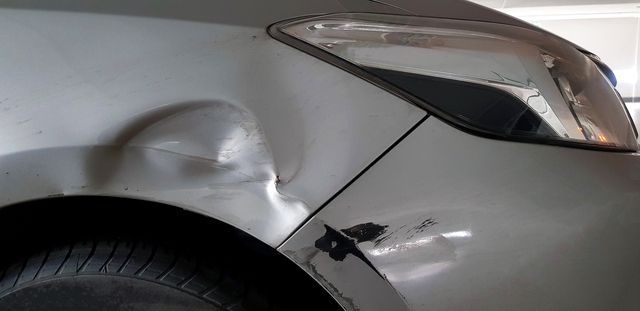
Buying a used car can be a great way to save money, but hidden frame damage can turn a bargain into a costly problem. This guide explains what vehicle frame damage is, how to spot it, and how it affects safety and resale value. Learn practical tips for inspecting cars, understanding repairs, and making smart, budget-friendly decisions at auctions or dealerships.
What Is a Car Frame?
The car frame is essentially the backbone of any vehicle. Think of it like the skeleton in your body — it holds everything together. It supports the engine, transmission, suspension, and body panels, keeping the car rigid and stable. Without a strong frame, a car would be unsafe to drive, more prone to damage, and less capable of handling the stresses of everyday driving.
A solid frame is especially important for used car buyers. On budget-friendly cars from auctions or salvage yards, hidden frame issues can turn a seemingly cheap deal into a costly headache. Knowing the basics of car frames helps you make smarter decisions before placing a bid.
Check Vehicle History Before Bidding on Auction Cars
Frame damage is one of the most expensive hidden problems in used vehicles. Before placing a bid at an auto auction, reviewing the vehicle’s history and previous auction records can help you avoid costly mistakes and identify safer deals.
- ✅ Free auction history reports when available
- ✅ Access to thousands of vehicles across major U.S. auctions
- ✅ VIN-based vehicle research tools
- ✅ Clear auction details before placing a bid
The Role of the Frame in Vehicle Safety and Structure
The frame’s main job is to protect occupants and keep the vehicle intact during impacts. In a crash, a well-designed frame absorbs and distributes energy, reducing the force that reaches passengers. It also maintains proper alignment for wheels, steering, and suspension.
For example, if you buy a used SUV that has been in a minor collision, a bent ladder frame can affect handling and make the vehicle unsafe, even if the exterior looks fine. That’s why inspecting the frame is just as crucial as checking the engine or tires.
Frame vs. Chassis: What’s the Difference?
The terms “frame” and “chassis” are often used interchangeably, but they aren’t exactly the same:
- Frame: The core structural skeleton that supports the vehicle’s weight and components.
- Chassis: The frame plus all attached components like suspension, brakes, wheels, and sometimes drivetrain.
Think of it like a house: the frame is the wooden beams holding it up, while the chassis is the house with floors, plumbing, and walls attached. Understanding this distinction helps when reading vehicle reports or auction listings mentioning frame damage versus chassis issues.
Types of Car Frames
Different types of frames are used depending on the vehicle’s design, purpose, and age. Knowing which type your potential purchase has can help you identify vulnerabilities.
Unibody (Most Modern Cars)
Most cars today, especially sedans, hatchbacks, and crossovers, use a unibody design. In unibody vehicles, the frame and body are integrated into a single structure.
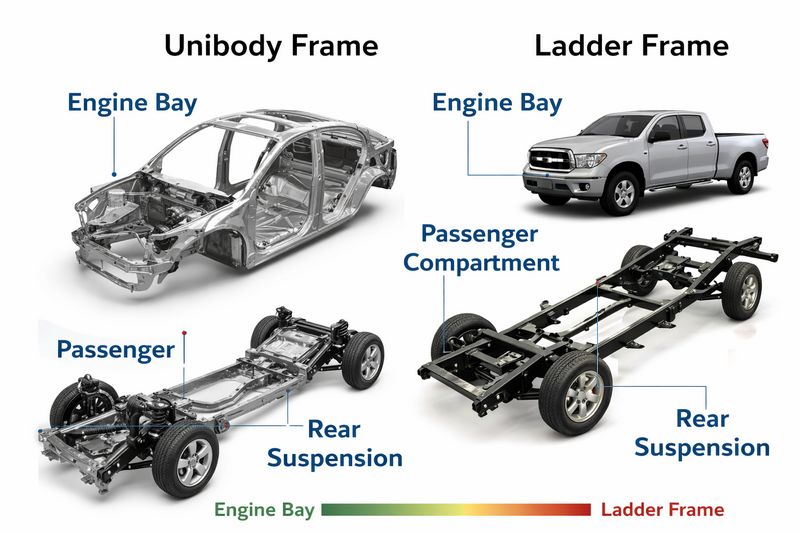
Pros: Lighter weight, better fuel efficiency, and crumple zones that absorb crash energy efficiently.
Cons: Harder and more expensive to repair if the structure is bent.
Example: A used Toyota Corolla or Honda Civic from an auction will almost certainly have a unibody frame. Any significant frame damage here can lower the car’s resale value dramatically.
Ladder Frame (Trucks and SUVs)
Ladder frames look like a literal ladder: two long rails connected by cross members. They are common in trucks, large SUVs, and off-road vehicles.
Pros: Extremely strong, can handle heavy loads, easier to repair after minor bends.
Cons: Heavier and less fuel-efficient than unibody cars.
Example: A Ford F-150 or Jeep Wrangler from a salvage auction often has a ladder frame. Even if it’s slightly bent, a professional can sometimes straighten it without replacing the whole frame.
Monocoque and Body-on-Frame Designs
- Monocoque: Similar to unibody, the outer body itself supports most of the load. Found mostly in modern cars and some SUVs.
- Body-on-frame: The classic truck setup where the body sits on top of a separate frame. Common in older vehicles or heavy-duty trucks.
What Is Vehicle Frame Damage?
Vehicle frame damage occurs when the structural backbone of a car is bent, twisted, or otherwise compromised. This damage can happen in accidents, from long-term rust, or even from heavy impacts like hitting a curb or pothole. Unlike surface dents or scratches, frame damage affects the very foundation of the vehicle, which can make it unsafe to drive and reduce its resale value.
For budget-conscious buyers, spotting frame damage before bidding on an auction car can save thousands in repairs or prevent buying a car that may never drive safely.
Frame Damage vs. Structural Damage
Although the terms are sometimes used interchangeably, there’s a subtle difference:
- Frame Damage: Specifically affects the car’s main frame or unibody structure. This could include bends, cracks, or twists in the metal that supports the vehicle.
- Structural Damage: A broader term that includes the frame but also other critical support elements, like suspension mounting points, subframes, or reinforced panels.
Example: A sedan that got hit from the front may have frame damage, while a car with a crushed wheel well may have structural damage even if the main frame is intact. Knowing this helps you understand auction listings or inspection reports.
Minor vs. Severe Frame Damage
Not all frame damage is catastrophic, but the severity matters:
- Minor Frame Damage: Small bends or dents that usually don’t affect alignment or crash safety. Often repairable at a reasonable cost.
- Severe Frame Damage: Large twists, kinks, or cracks that compromise safety. These often require professional straightening or complete frame replacement.
Example: A used compact car at an auction with a slightly bent corner might be repairable for a few hundred dollars, but a truck with a twisted ladder frame from a rollover could cost thousands to fix—or might not be worth repairing at all.
Cosmetic Damage vs. Structural Compromise
Some cars may look damaged but actually have a healthy frame, while others can look fine on the outside yet hide serious structural issues:
- Cosmetic Damage: Scratches, dents, or panel misalignments that don’t affect the frame. Usually easy and cheap to fix.
- Structural Compromise: Damage that affects alignment, crash safety, or handling. Invisible signs like uneven tire wear or doors that don’t close properly can indicate this.
Example: You might see a cheap sedan at Copart with a dented fender. The fender can be replaced cheaply, but if the door gaps are uneven, it could mean hidden frame damage—something a quick glance won’t reveal.
Why Frame Damage Matters for Safety and Resale Value
A compromised frame can:
- Reduce Crash Protection: Crumple zones may not work as intended, increasing injury risk in future accidents.
- Affect Handling: Bent frames can throw off suspension and alignment, making steering unpredictable.
- Lower Resale Value: Even minor frame damage can scare buyers and reduce the car’s market value.
For example, a budget buyer looking at a $3,500 used SUV might be tempted by the low price. But if the frame is bent, repair costs plus future safety risks could turn that bargain into a financial headache.
Common Causes of Frame Damage
Vehicle frame damage doesn’t always come from dramatic crashes. It can happen gradually or from seemingly small impacts that stress the car’s structure. Knowing the common causes helps budget-conscious buyers spot potential issues before bidding on a used car at an auction.
Front-End and Rear-End Collisions
These are the most common causes of frame damage. A head-on or rear-end collision can crush or bend the frame rails, affecting alignment and safety. Even if the bumper and hood are replaced, the frame underneath may remain compromised.
Example: A $4,000 sedan at Copart may have a repaired front-end but uneven gaps between the hood and fenders, hinting at hidden frame damage.
Side-Impact Accidents
Side collisions, often from T-bone crashes at intersections, can push the frame inwards. This type of damage may not be visible from the outside, especially if body panels were replaced after the accident.
Example: A used minivan may have smooth-looking doors, but if the vehicle pulls to one side when driving, the frame could be bent from a past side-impact.
Rollovers
Vehicles that have rolled over often suffer severe frame twists, especially SUVs and trucks with higher centers of gravity. Rollovers can compromise the roof, pillars, and suspension mounting points, making repairs costly.
Example: A cheap auction SUV may look intact after bodywork, but a hidden sagging frame could affect safety and handling for years.
Hitting Curbs, Potholes, or Road Debris
Even smaller incidents like hitting a curb, pothole, or large debris at speed can bend suspension mounts and twist frame rails over time. These are often overlooked because they leave minimal visible damage.
Example: A used compact car may have chipped wheels or minor body scratches, but alignment issues could reveal subtle frame stress from repeated pothole hits.
Towing Overload or Improper Jacking
Overloading a vehicle while towing or lifting it incorrectly with a jack can warp the frame. Trucks and SUVs are particularly vulnerable if owners regularly exceed weight limits.
Example: A pickup truck listed at a salvage auction may have a straight bed and intact body but a slightly twisted ladder frame caused by years of heavy towing.
Flood Damage and Corrosion
Water can damage the frame both immediately and over time. Flooding can cause rust on steel frames or weaken welded joints, even if the car looks fine on the surface.
Example: A used sedan from a coastal area may appear clean, but if the undercarriage shows corrosion, the frame could already be compromised.
Rust and Long-Term Environmental Exposure
Exposure to road salt, humidity, and chemicals accelerates rust formation, especially on older vehicles. Over years, rust can eat through structural components, turning minor issues into major frame problems.
Example: A Midwest car from snowy roads may have a solid exterior, but underneath, rusted frame rails could make the car unsafe and expensive to repair.
Common Types of Frame and Chassis Damage
Understanding the types of frame and chassis damage is essential for used car buyers, especially when shopping at auctions. Some damage is obvious, while other types can be hidden, causing safety and alignment problems long after purchase.
Corner/Sway Damage
Corner or sway damage happens when one part of the vehicle’s frame is pushed out of alignment, often from hitting a corner or side at an angle.
How It Happens
This type of damage usually occurs in minor collisions, hitting curbs, or unevenly loading a vehicle. For example, a car that scrapes a curb while turning sharply may bend a corner of the frame without leaving major visible dents.
How It Affects Alignment
Even small corner damage can throw off wheel alignment, causing uneven tire wear, pulling to one side, and steering issues. On budget vehicles, this can lead to frequent tire replacements or suspension repairs, turning a cheap auction buy into an expensive headache.
Mash Damage
Mash damage refers to crushed or compacted areas of the frame, usually from direct impact.
Typical Causes
Front-end collisions, rear-end crashes, and parking lot accidents often lead to mash damage. Trucks and SUVs can also experience it if overloaded or if a trailer impacts the frame.
Visible and Hidden Signs
You might see obvious dents or crumpled metal, but sometimes mash damage is hidden beneath replaced body panels. Check for misaligned doors, uneven gaps, or a vehicle that doesn’t sit level — these are clues that mash damage may exist.
Twisted or Sagging Frame
A twisted or sagging frame occurs when the structural backbone is bent out of its original shape.
Structural Symptoms
Signs include uneven ride height, doors or hood that won’t close properly, or the vehicle leaning to one side while parked. This type of damage often results from rollovers, severe collisions, or long-term overload.
Driving Risks
A twisted frame affects suspension and steering geometry, making the car harder to control. Even minor twists can increase tire wear and reduce crash protection, creating long-term safety risks for budget buyers who don’t want to spend big on repairs.
Rust Damage and Frame Rot
Rust damage slowly eats away at steel frames, weakening the vehicle’s structure.
Surface Rust vs. Deep Frame Rot
Surface rust is usually cosmetic and can be sanded or treated. Deep frame rot penetrates the metal, causing holes and compromising structural integrity. Vehicles in snowy or coastal areas are especially prone to rust.
When Rust Becomes Structurally Dangerous
Once rust eats through frame rails or critical joints, the car becomes unsafe to drive. Even if the exterior looks fine, a rusted frame can collapse under stress, making it a risky purchase for anyone shopping on a budget. Always inspect the undercarriage carefully and ask for professional assessments if rust is present.
7 Warning Signs of Car Frame Damage
Spotting frame damage before buying a used car can save you from costly repairs and safety risks. Many signs are visible without expensive equipment, which is especially useful for budget-conscious buyers inspecting auction or salvage vehicles. Here are seven key warning signs to look for.
Uneven Tire Wear
One of the earliest indicators of frame damage is uneven tire wear. If a frame is bent or misaligned, it can cause tires to wear faster on one side.
Example: You might notice that the front passenger tire of a used sedan at auction is almost bald while the driver-side tire still has plenty of tread. This uneven wear often points to a twisted or damaged frame affecting alignment.
Vehicle Pulling to One Side
If a car drifts or pulls to one side when driving on a flat road, frame misalignment may be the culprit. Steering adjustments or new tires won’t fix this issue if the frame itself is bent.
Example: A $3,500 SUV may seem like a bargain, but if it constantly veers left, it could indicate hidden frame damage from a previous collision.
Misaligned Doors or Panels
Doors, hood, or trunk that don’t close properly or have uneven gaps often signal frame damage. Even if body panels were replaced, improper alignment can reveal structural issues.
Example: A used minivan may look pristine, but doors that stick or have lopsided gaps may be hiding a bent frame underneath.
Unusual Noises While Driving
Creaking, clunking, or popping sounds when driving over bumps can indicate frame or chassis problems. These noises often come from stressed joints or misaligned suspension components.
Example: A compact car from a salvage auction might make a loud pop when turning, suggesting the frame has been bent or improperly repaired.
Visible Bends or Cracks Underneath
Inspecting the undercarriage can reveal bends, cracks, or crumpled metal. Even small distortions can affect alignment and safety.
Example: Looking under a pickup truck, you might spot a bent crossmember or weld cracks, signaling that the ladder frame has taken damage in the past.
Steering or Suspension Problems
Difficulty steering, wandering, or unusual vibrations in the steering wheel can indicate that the frame or suspension mounts are damaged.
Example: A used SUV may seem fine at first, but if the steering feels loose or the suspension bottoms out easily, a damaged frame could be the root cause.
Airbag Deployment History
Previous airbag deployment usually means the car was in a moderate to severe accident. Even after repairs, the frame may not be fully restored, which could compromise safety.
Example: An auction listing may note airbags deployed on a $4,000 sedan. Always check for frame inspections or repair receipts to ensure the structural integrity is intact.
DIY Frame Assessment in Under 5 Minutes
For budget-conscious buyers, a quick DIY frame check can help spot hidden issues before placing a bid on an auction car. While it won’t replace a professional inspection, spending a few minutes evaluating the car’s structure can save you money and prevent safety problems.
Visual Inspection Tips
Start by walking around the car and looking for obvious signs of damage. Check for dents, bends, or areas where paint looks mismatched. Look for signs of welding or patchwork, which may indicate previous repairs.
Example: On a $3,500 used sedan, a slightly raised fender or uneven paint near the wheel well can hint at frame work done after a collision.
Checking Gaps Between Body Panels
Uneven gaps between doors, hood, trunk, and fenders often signal frame misalignment. Compare panel spacing on both sides of the car — even small differences can be a red flag.
Example: If the driver-side door closes smoothly but the passenger-side door rubs or leaves a large gap, the frame may be bent. This simple check takes seconds and reveals hidden issues without lifting the car.
Looking Under the Vehicle Safely
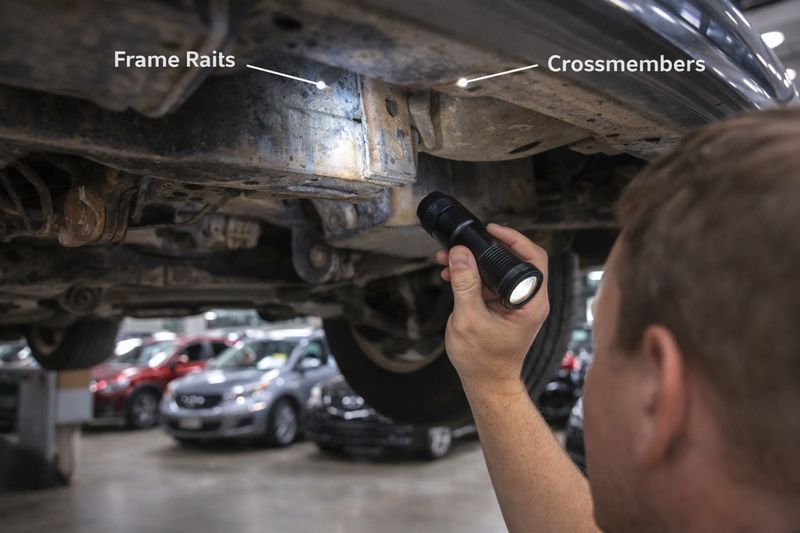
Use a flashlight to inspect the undercarriage for bends, cracks, rust, or damaged crossmembers. Avoid crawling under an unsupported car; instead, look from the side or use a low-angle mirror if available.
Example: On a used SUV from a salvage auction, spotting a bent ladder frame member or weld crack could prevent you from buying a car that would cost thousands to repair.
Reviewing Vehicle History Reports
Always check the vehicle’s history report for past accidents, airbag deployments, or salvage titles. These reports often reveal potential frame damage that isn’t visible to the eye.
Example: A $4,000 sedan may look clean in photos, but a history report showing a rear-end collision with airbags deployed should prompt a closer frame inspection before bidding.
When a DIY Check Is Not Enough
Some frame damage can be subtle, hidden inside the unibody, or masked by bodywork. If you notice warning signs — uneven tire wear, panel misalignment, unusual noises, or a history of accidents — it’s wise to hire a professional for a detailed assessment.
Example: Even if your 5-minute check doesn’t reveal obvious damage, a professional mechanic or frame specialist can detect issues that could compromise safety or require expensive repairs.
The Dangers of Driving With Frame Damage
Driving a car with frame damage is more than just a cosmetic issue — it directly affects your safety, handling, and long-term costs. Even minor bends or twists can compromise the vehicle’s performance and put you at risk. Budget-conscious buyers need to understand these dangers before considering a low-priced auction car.
Reduced Crash Protection
A damaged frame can’t absorb impact forces the way it was designed to. In a collision, the crumple zones may not function correctly, putting passengers at higher risk of injury.
Example: A used SUV from a salvage auction may have a repaired exterior, but if the frame is bent from a previous rollover, even a minor accident could cause serious harm because the structure cannot protect occupants as intended.
Compromised Suspension and Alignment
Frame damage often distorts suspension mounting points and wheel alignment. This can lead to unstable handling, uneven braking, and difficulty steering, making driving less predictable and safe.
Example: A compact sedan with a slightly twisted front frame might feel wobbly when taking corners or braking suddenly, increasing the chance of losing control in everyday driving.
Increased Risk of Future Accidents
Because the car doesn’t behave as intended, the risk of accidents rises. Unexpected pulls, uneven handling, or delayed response from steering components can catch even experienced drivers off guard.
Example: A $3,500 pickup with a bent ladder frame might track straight while cruising on a highway, but under heavy braking or sudden swerves, it could react unpredictably, increasing accident risk.
Faster Tire and Component Wear
A bent or misaligned frame places extra stress on tires, suspension, and other mechanical parts. This accelerates wear and can lead to costly replacements sooner than expected.
Example: Uneven tire wear on a budget sedan may require replacing all four tires within a few thousand miles, even though the car seems mechanically sound, turning a “cheap” purchase into an expensive problem.
Can a Bent Car Frame Be Repaired?
Bent car frames are not always a lost cause. Whether a repair is feasible depends on the type and severity of the damage, the vehicle’s design, and the tools available. For budget-conscious buyers, understanding what’s realistically fixable can help decide if a low-priced auction car is worth pursuing.
When Frame Straightening Is Possible
Minor to moderate bends in the frame can often be corrected with professional straightening. This usually involves pulling or pushing the metal back into its original shape and ensuring proper alignment.
Example: A compact sedan that suffered a small front-end collision may have slightly bent frame rails. A trained technician can restore the frame and alignment, making the car safe and roadworthy again without replacing the entire structure.
When the Damage Is Too Severe
Severe damage, such as twisted ladder frames, crumpled unibody rails, or deep cracks, may be impossible or unsafe to fully repair. Attempting to straighten extensively damaged frames can weaken the metal, leaving the car vulnerable in future accidents.
Example: A pickup truck involved in a rollover may have a sagging frame; even after straightening, the metal could be fatigued, making the repair unreliable and potentially unsafe.
Modern Frame Straightening Equipment
Professional repairs rely on precise tools to ensure the frame is returned to exact specifications. Modern equipment makes the process safer and more accurate than older methods.
Frame Machines
Frame machines use hydraulic pulls and clamps to reposition bent metal accurately. The vehicle is secured, and pressure is applied systematically to restore its original shape.
Example: At a repair shop, a bent sedan’s front rails can be realigned using a frame machine, ensuring the suspension and steering geometry are correct.
Laser Measuring Systems
Laser measuring systems provide precise measurements of the frame before, during, and after straightening. This ensures that every rail, crossmember, and mounting point matches the manufacturer’s specifications.
Example: A laser system can detect subtle deviations in a unibody car that would be impossible to see with the naked eye, guaranteeing a safer and more reliable repair.
The Importance of Professional Repairs
Attempting to fix a bent frame without proper equipment or expertise can make the damage worse, compromise safety, and reduce resale value. Always rely on certified professionals who specialize in frame repair, especially for budget vehicles bought at auctions.
Example: Even if a cheap SUV looks like it only has minor frame damage, a professional assessment can confirm whether straightening is safe or if the car should be avoided entirely.
Frame Damage Repair Cost Breakdown
Understanding repair costs is crucial for budget-conscious buyers. Even a seemingly inexpensive car can become a financial burden if frame damage is involved. Repair costs vary depending on the severity of the damage, type of vehicle, and whether additional work like alignment or suspension repairs is needed.
Minor Frame Straightening Costs
Minor bends or small dents can often be corrected with a professional frame straightening service. Costs typically range from $300 to $1,000, depending on labor and shop rates.
Example: A small sedan with a slightly bent corner from a parking lot mishap may fall into this category. Straightening restores alignment and safety without replacing major parts, making it a reasonable investment for a cheap auction car.
Moderate Structural Repairs
Moderate damage involves larger bends, partial twists, or crumpled sections that require more extensive work. Repair costs usually range from $1,000 to $3,500. This often includes partial replacement of crossmembers, welds, and reinforcement of structural points.
Example: A mid-size SUV with a rear-end collision may need partial frame repair plus suspension adjustments. For buyers, factoring these costs is critical before bidding at salvage auctions.
Severe Frame Replacement Costs
Severe damage, such as a twisted ladder frame or crumpled unibody, can require a full frame replacement. Costs can exceed $5,000 to $10,000, depending on the vehicle type and labor intensity. In some cases, this may exceed the car’s resale value.
Example: A pickup truck involved in a rollover might need complete frame replacement. For budget buyers, the repair cost often makes the car financially unviable.
Additional Costs (Alignment, Suspension, Body Work)
Frame repair is rarely just about straightening metal. Additional costs often include:
- Wheel alignment: $100–$300
- Suspension repairs: $200–$1,000 depending on damage
- Body panel replacement or paint: $500–$2,500
Example: Even a small sedan with a minor bent frame may require alignment and suspension work to drive safely, adding hundreds of dollars to the repair budget.
Evaluate Auction Cars Before You Place a Bid
A car with structural or frame damage may still be a good deal — but only if you understand the repair costs and vehicle history. Reviewing auction reports and past sale data helps buyers estimate real value before committing money.
- ✅ Access to previous auction sale records
- ✅ Vehicle condition insights from listing data
- ✅ Support understanding salvage and rebuilt vehicles
- ✅ Transparent fee structure before bidding
Is It Worth Repairing on a Budget Vehicle?
For budget buyers, the key question is whether repair costs justify the purchase. Minor repairs can make a low-priced car safe and reliable, but severe damage may turn a “bargain” into a money pit. Always weigh:
- Purchase price + repair costs vs. the vehicle’s market value
- Safety risks after repairs
- Potential resale value after frame work
Example: Buying a $3,500 salvage sedan with minor frame damage and $800 in repairs may be a smart investment. Conversely, a $4,000 truck with a twisted frame requiring $6,000 in repairs is likely not worth the risk.
When Insurance Will Declare a Car a Total Loss
Buying a used car from an auction often means dealing with vehicles that were previously involved in accidents. Understanding when insurance declares a car a total loss is essential for budget-conscious buyers. This affects the car’s title, repair options, and future resale value.
How Insurers Calculate Total Loss
Insurance companies declare a car a total loss when the cost to repair the damage exceeds a certain percentage of the car’s actual cash value (ACV). This threshold varies by insurer and state but is often around 70–80% of the vehicle’s value.
Example: A $5,000 compact sedan damaged in a front-end collision may have $4,000 in repair estimates. If the insurer’s total loss threshold is 75%, they might declare it a total loss because repair costs are close to the car’s market value.
The Role of Vehicle Value vs. Repair Cost
The car’s current market value plays a major role in the total loss decision. Cheaper vehicles often reach the total loss threshold with lower repair costs, making budget cars more likely to receive a salvage title after an accident.
Example: A $3,500 salvage auction SUV with a bent frame might only need $2,500 in repairs to drive safely, but the insurer could still declare it a total loss because the repair cost is too close to the vehicle’s value.
Salvage Title After Frame Damage
When a car is declared a total loss, it typically receives a salvage title, which indicates it has significant damage history. Salvage titles alert future buyers to potential structural or frame issues and may affect insurance coverage.
Example: Buying a car with a salvage title can be a bargain, but it requires extra inspection and consideration of hidden frame damage. Auction buyers should always check if the frame was professionally repaired and documented.
What It Means for Future Resale
A car with a history of frame damage or a salvage title will usually sell for less than similar vehicles with clean titles. Even after repairs, resale can be challenging because buyers may be wary of past structural issues.
Example: A used pickup repaired after severe frame damage may drive fine, but its market value could be 20–40% lower than a comparable truck without a salvage history. For budget buyers, this means planning for lower resale value or keeping the car long-term to get full use out of it.
The Risk of Hidden Frame Damage When Buying a Used Car
Buying used cars from auctions or salvage yards can offer big savings, but it also comes with hidden risks. Frame damage is often concealed beneath repaired body panels or cosmetic fixes, and overlooking it can turn a bargain into a costly mistake. Understanding the warning signs is essential for budget-conscious buyers.
Why Auction and Salvage Cars Require Extra Attention
Vehicles sold at auctions or with salvage titles often have a history of accidents, flooding, or structural issues. Sellers may repair cosmetic damage to make the car look appealing, while hidden frame problems remain. A car that looks clean on the surface may have compromised safety or alignment underneath.
Example: A $3,000 sedan at a salvage auction may have new paint and replaced bumpers, but the frame could still be bent from a previous collision, affecting handling and resale value.
Signs of Poor-Quality Frame Repairs
Poor repairs can leave subtle clues. Watch for:
- Uneven gaps between panels
- Weld marks that look inconsistent or rushed
- Mismatched paint or filler over structural areas
- Misaligned doors, hood, or trunk
Example: On a used SUV, one door may close smoothly while the other sticks slightly. This could indicate the frame was poorly straightened, even if the exterior looks fine.
Title Brands That May Indicate Structural Damage
Certain title brands often hint at previous structural or frame issues:
- Salvage – vehicle deemed a total loss by insurance
- Rebuilt/Revived – previously salvage, repaired and inspected
- Flood – water damage can weaken frame and chassis
Example: A $4,000 pickup with a rebuilt title may have had a bent ladder frame repaired, but the quality of the repair can vary significantly. Always inspect carefully before bidding.
Why Cheap Cars With Frame Damage Can Become Expensive
Even if a vehicle seems like a great deal, hidden frame issues can quickly add up. Costs for alignment, suspension repair, and frame straightening can turn a low purchase price into a money pit. Poor repairs also lower resale value and may make the car unsafe.
Example: A budget sedan bought for $3,500 may require $1,500 in repairs just to make it safe to drive, plus future maintenance costs due to compromised suspension. What seemed like a bargain can end up costing much more in the long run.
How to Protect Yourself When Buying From an Auction
Buying a car at an auction can be a great way to save money, but it comes with risks, especially regarding hidden frame damage. Taking the right precautions can help budget-conscious buyers avoid costly mistakes and ensure the car is safe and reliable.
Always Review Vehicle History Reports
Vehicle history reports provide essential information about past accidents, title status, and previous repairs. Always check for:
- Past collisions
- Airbag deployments
- Salvage or rebuilt titles
- Flood damage
Example: A $3,500 sedan may look clean in photos, but a history report showing a rear-end collision with airbags deployed should prompt further inspection before bidding.
Analyze Damage Photos Carefully
Most auction listings include photos of the vehicle. Examine them closely for:
- Uneven panel gaps
- Signs of welding or replacement panels
- Misaligned doors, hood, or trunk
Example: On a compact SUV, the rear bumper may look new, but a slightly crooked tailgate can indicate a bent frame from a past collision. Scrutinizing photos helps identify potential problems you might miss in a quick glance.
Understand Structural Damage Announcements
Auction listings often include notes on structural or frame damage. Don’t ignore them, even if the car looks fine. Terms like “frame damage,” “structural repair,” or “repaired vehicle” should raise red flags.
Example: A $4,000 pickup may be advertised as “minor structural damage repaired.” Always consider this carefully and, if possible, confirm the repair quality before bidding.
Budget for Inspection and Repairs
Even if the auction price is low, set aside money for professional inspections and potential repairs. This ensures you’re not caught off guard by hidden damage or alignment issues.
Example: Buying a budget sedan for $3,500 might require $500–$1,500 in frame and suspension work to make it safe. Including these costs in your budget helps avoid surprises.
Work With a Trusted Auction Broker
An experienced auction broker can help identify risks, review damage reports, and advise on bidding strategies. They can save you time, money, and potential headaches by spotting cars with hidden frame problems before you place a bid.
Example: A first-time buyer may rely on a broker to assess a salvage SUV with a bent frame, ensuring they don’t overpay for a vehicle with costly hidden issues.
What to Do If a Dealer Sold You a Car With Undisclosed Frame Damage
Discovering undisclosed frame damage after buying a car can be frustrating and costly. Knowing the proper steps to take can help protect your rights, potentially recover costs, and ensure safety. Budget-conscious buyers need to act quickly and methodically to avoid further losses.
Check Your State’s Disclosure Laws
Laws about vehicle disclosure vary by state. Some states require dealers to report any known frame or structural damage, while others may have stricter rules for used cars. Understanding these laws helps you determine whether the dealer violated regulations.
Example: In many U.S. states, selling a car with unrepaired or undisclosed frame damage without disclosure can be considered fraud or misrepresentation, giving buyers legal recourse.
Gather Inspection Documentation
Collect all evidence that proves the frame damage exists. This includes:
- Professional mechanic reports
- Photos of the undercarriage or frame
- Vehicle history reports showing prior accidents
- Receipts for any repairs or inspections done after purchase
Example: A mechanic’s report showing a bent unibody on a recently purchased $3,500 sedan can serve as strong evidence when contacting the dealer or pursuing legal action.
Contact the Dealer in Writing
Reach out to the dealer formally, detailing the discovered frame damage and referencing any evidence. Keep a record of all communication. Request a resolution, such as a repair, refund, or partial compensation.
Example: Sending a certified letter to the dealer stating, “The vehicle sold on [date] has undisclosed frame damage confirmed by a licensed inspection,” puts your concerns on official record and starts the process of resolving the issue.
When to Seek Legal Advice
If the dealer refuses to address the issue, or if the damage is severe and costly, consult an attorney familiar with consumer protection or lemon laws. Legal counsel can help determine your options for compensation or rescinding the sale.
Example: A $4,000 SUV purchased with undisclosed frame damage may be eligible for a return or settlement under state lemon laws, but only a lawyer can advise on the best course of action and represent your interests.
How to Prevent Frame Damage
Protecting your vehicle’s frame is key to maintaining safety, performance, and resale value. Simple precautions can prevent costly repairs, especially for budget-conscious buyers who want to avoid hidden damage or alignment problems in the future.
Safe Driving Habits
Many frame issues start with accidents or impacts that could be avoided. Drive defensively, obey speed limits, and give yourself extra space on the road. Avoid sudden swerves or hard braking whenever possible.
Example: A small sedan navigating city streets carefully is far less likely to suffer a bent frame from hitting curbs or other vehicles than a car driven aggressively in tight spaces.
Avoiding Overloading
Carrying more weight than your vehicle is designed for can stress the frame and suspension. This is especially true for trucks and SUVs, where heavy towing or excessive cargo can bend frame rails over time.
Example: A pickup truck regularly loaded beyond its towing capacity may develop subtle sagging or misalignment, which could be expensive to repair later. Stick to manufacturer weight limits to protect the frame.
Rust Prevention and Underbody Protection
Rust is a slow but serious enemy of car frames. Applying rust-proof coatings, washing the undercarriage after exposure to salt or mud, and avoiding prolonged moisture contact can prolong the life of the frame.
Example: A car driven in snowy Midwest states benefits from underbody washing and anti-rust spray each winter to prevent corrosion that could eventually compromise structural integrity.
Regular Inspections in Rust-Prone States
If you live in areas with heavy snowfall, high humidity, or frequent road salt use, schedule regular undercarriage inspections. Catching rust or small frame issues early prevents more extensive damage later.
Example: Checking the frame of a used sedan annually in Minnesota can reveal surface rust before it turns into dangerous frame rot, saving hundreds or even thousands in repairs.
Midwest Rust and Chassis Issues: What Buyers Should Know
For buyers in the Midwest or anyone purchasing cars from rust-prone states, understanding how road salt and environmental exposure affect frames is critical. Rust can range from cosmetic surface issues to severe structural compromise, and knowing what to look for can prevent expensive mistakes.
Why Road Salt Causes Frame Corrosion
During winter, road salt is used to melt ice, but it accelerates corrosion on steel frames. Salt mixes with water, creating an electrolyte that eats through protective coatings and eventually the metal itself.
Example: A $4,000 sedan from Michigan may look clean from the outside, but years of exposure to salted roads could have caused frame rails to weaken or rust through in hidden spots.
Assessing a Rusty Chassis Before Buying
Inspect the undercarriage carefully, looking for signs of rust near suspension mounts, crossmembers, and weld points. Use a flashlight and check areas where water and salt can collect. Tap suspicious spots lightly; a hollow sound may indicate severe rust beneath the surface.
Example: A used SUV at auction may have minor surface rust on the exhaust and frame edges, but if rust appears around suspension mounts, it could signal more serious structural damage.
Surface Rust vs. Structural Rot
Surface rust is usually cosmetic and can be treated with sanding, primer, and paint. Structural rot, however, compromises frame integrity and affects safety. It occurs when rust penetrates the steel, creating holes or weakening joints.
Example: A Midwest sedan may have surface rust along wheel wells that poses no safety risk, but deep rust eating through a frame crossmember is a serious red flag.
Can Rusted Frames Be Repaired Safely?
Minor rust can be treated, but severe rust that affects frame rails or critical mounting points may require replacement. Even professional repairs can’t always restore original strength. Always weigh repair costs against the vehicle’s value before buying.
Example: A budget truck with rusted ladder frame rails might cost $3,500 at auction, but safe repair could exceed $5,000. In such cases, it may be better to walk away rather than risk unsafe or expensive repairs.
Frame Repair Shop Checklist
Choosing the right repair shop is crucial when dealing with frame damage. Poor workmanship can leave a vehicle unsafe, misaligned, or prone to further damage. For budget-conscious buyers, knowing what to look for ensures that repairs are effective and worth the investment.
Verify Certifications and Experience
Ensure the shop has certified technicians experienced in frame repair. Look for ASE (Automotive Service Excellence) or manufacturer-specific certifications. Experienced shops understand different vehicle frames and the proper repair methods for each.
Example: A used SUV with ladder frame damage should be repaired at a shop familiar with truck frames, not a general body shop inexperienced in structural work.
Ask About Measuring and Straightening Equipment
Professional frame repair requires precise equipment. Ask if the shop uses:
- Hydraulic frame machines for controlled pulling
- Laser measuring systems to check exact dimensions
- Jigs or fixtures specific to your vehicle’s make and model
Example: A $4,000 salvage sedan may have minor unibody bends. A shop with laser measuring tools ensures the frame is returned to manufacturer specifications, not just “eyeballed” into place.
Request Before-and-After Measurements
Reliable shops should provide documentation showing the frame’s dimensions before and after repairs. This proves the work was done accurately and can help with resale or insurance claims.
Example: Before-and-after measurement sheets for a bent minivan frame can confirm that suspension mounting points and rail alignment are restored, giving buyers confidence in the repair.
Review Warranty on Structural Repairs
Ask about warranties covering frame work. A reputable shop will stand behind its repairs, offering a warranty on structural integrity for a certain period or mileage.
Example: A warranty covering a repaired $3,500 compact car for 12 months or 12,000 miles ensures that if misalignment or structural issues appear, the shop will correct them at no extra cost.
Final Thoughts: Should You Buy a Car With Frame Damage?
Buying a car with frame damage can be tempting for budget-conscious buyers, but it comes with risks. Understanding when a purchase is reasonable and when it could become a money pit is essential. Proper evaluation, realistic budgeting, and professional inspections are key to making a safe and smart decision.
When It Can Be a Smart Budget Decision
Frame damage isn’t always a deal-breaker. Minor bends or well-repaired frames can be affordable if the repair costs are low and the car passes a professional inspection. Buying such vehicles can save money compared to similar cars with clean titles.
Example: A $3,500 compact sedan with minor frame straightening documented by a reputable shop can be a smart purchase if total costs remain below market value.
When to Walk Away
Severe or poorly repaired frame damage is a major red flag. Cars with twisted frames, structural rot, or unclear repair history may be unsafe and expensive to fix. Walking away avoids unexpected costs, safety risks, and future resale problems.
Example: A $4,000 SUV with sagging ladder frame and questionable welds may cost more to repair than it’s worth, making it wiser to skip the purchase.
Key Questions to Ask Before You Bid
Before bidding on a car at an auction or buying from a dealer, ask:
- Has the frame been professionally inspected or repaired?
- Are repair documents and before-and-after measurements available?
- Does the car have a salvage or rebuilt title?
- What additional costs (alignment, suspension, body work) are expected?
Example: A buyer considering a $3,500 sedan can avoid surprises by reviewing the repair history and understanding the full cost to restore safety and performance.
Summary for Budget-Conscious Buyers
Purchasing a car with frame damage requires careful evaluation. Minor, documented repairs can make a vehicle a good budget option, while severe or poorly repaired damage is best avoided. Always inspect carefully, review history reports, budget for repairs, and work with professionals to ensure safety and value.
Explore Auction Vehicles With Full Transparency
Understanding frame damage is only one part of buying a smart auction vehicle. With BidNDrive, you can browse thousands of vehicles from major U.S. auto auctions and review important listing details before placing your bid.
- ✅ Free account to browse auction inventory
- ✅ Vehicles from Copart, IAAI, and other major auctions
- ✅ Auction history reports for better decision-making
- ✅ Support from bidding to vehicle pickup
Further Reading:
From Salvage to Rebuilt: Complete Guide to Restoring a Salvage Title Car
All About Salvage Title Inspection: What You Need to Know
Should You Buy a Salvage Car? Pros, Cons, and Expert Tips
Understanding Salvage vs. Clean Titles
Frequently Asked Questions
- How serious is frame damage on a car?
Frame damage is very serious because the frame is the main structural component of a vehicle. It supports the engine, suspension, and body, and ensures crash protection. Even minor bends can affect alignment, handling, and safety. Severe frame damage can compromise crashworthiness, making the car unsafe to drive.
- What is an example of frame damage on a car?
An example of frame damage is a bent unibody rail after a front-end collision. This might cause misaligned doors, uneven tire wear, or a noticeable lean in the vehicle. Another example is a sagging ladder frame on a pickup truck caused by heavy towing or a rollover accident.
- Can you fix frame damage on a vehicle?
Yes, minor to moderate frame damage can often be repaired using professional frame straightening, welding, and alignment equipment. However, severe damage or rusted frames may be unsafe or too expensive to repair. Repairs should always be done by certified technicians using proper tools.
- Is having frame damage on a car a very bad thing?
It can be, depending on the severity and quality of repairs. Minor, professionally repaired frame damage may be acceptable, especially for budget vehicles. Severe, hidden, or poorly repaired frame damage can make the car unsafe, reduce resale value, and lead to costly repairs in the future.