
Vehicle Finder
Popular Makes
- Toyota26,909
- Ford26,899
- Chevrolet23,256
- Honda19,487
- Nissan16,713
- Hyundai12,059
- Kia9,374
- Jeep8,578
- Dodge7,051
- Subaru5,906
- Gmc5,554
- Mercedes-Benz5,368
- Bmw5,308
- Volkswagen4,807
- Ram4,110
- Lexus3,987
- Mazda3,776
- Audi3,149
- Buick3,049
- Chrysler2,965
- Tesla2,349
- Cadillac2,332
- Acura2,191
- Infiniti2,170
- Mitsubishi1,640
- Lincoln1,449
- Volvo1,419
- Land Rover1,350
Vehicle Types
7 am to 6 pm EST Mon - Fri


7 am to 6 pm EST Mon - Fri
- Toyota26,909
- Ford26,899
- Chevrolet23,256
- Honda19,487
- Nissan16,713
- Hyundai12,059
- Kia9,374
- Jeep8,578
- Dodge7,051
- Subaru5,906
- Gmc5,554
- Mercedes-Benz5,368
- Bmw5,308
- Volkswagen4,807
- Ram4,110
- Lexus3,987
- Mazda3,776
- Audi3,149
- Buick3,049
- Chrysler2,965
- Tesla2,349
- Cadillac2,332
- Acura2,191
- Infiniti2,170
- Mitsubishi1,640
- Lincoln1,449
- Volvo1,419
- Land Rover1,350
Car Auctions in Phoenix, Arizona

Do You Have
Any Questions?
Ask Question 
Showing result: 1 - 24 of 3,474
Sale Date (recent)


Run & Drive
When a vehicle arrives at an auction’s yard, the auction confirms that the vehicle starts, can be put into gear and can move forward under its own power. These functions are not guaranteed at pickup or delivery, and the vehicle may not be roadworthy.

Clean Title
The clean title definition indicates that the vehicle has never been deemed a total loss but in some states a vehicle with clean title can have total loss history. it is the User’s responsibility 1) to check the car's history and any notes on salvage records or Total loss ( for example NMVTIS report) 2) to verify with their specific state or jurisdiction that the vehicle can be legally titled and registered.We cannot guarantee that any vehicle purchased through our site will be able to be reconstructed or titled in any specific state or country. We are not responsible for any difficulties in passing inspection and registering your car in your state. Please get more info about the reconstruction process before purchasing any vehicle. Each state has different guidelines for salvage titles.
556082163HAEUMML5LL866589101,145
Front End
Clean
55608216
3HAEUMML5LL866589
101,145
Front End
Clean
7/20/2026, 3:00:00 PM
$250
$250
07/20/2026
Clean Title
The clean title definition indicates that the vehicle has never been deemed a total loss but in some states a vehicle with clean title can have total loss history. it is the User’s responsibility 1) to check the car's history and any notes on salvage records or Total loss ( for example NMVTIS report) 2) to verify with their specific state or jurisdiction that the vehicle can be legally titled and registered.We cannot guarantee that any vehicle purchased through our site will be able to be reconstructed or titled in any specific state or country. We are not responsible for any difficulties in passing inspection and registering your car in your state. Please get more info about the reconstruction process before purchasing any vehicle. Each state has different guidelines for salvage titles.
46779466WD3PE7CC3FP165226250,913
Mechanical
Clean
46779466
WD3PE7CC3FP165226
250,913
Mechanical
Clean
7/20/2026, 3:00:00 PM
$0
$0
07/20/2026
Run & Drive
When a vehicle arrives at an auction’s yard, the auction confirms that the vehicle starts, can be put into gear and can move forward under its own power. These functions are not guaranteed at pickup or delivery, and the vehicle may not be roadworthy.
Clean Title
The clean title definition indicates that the vehicle has never been deemed a total loss but in some states a vehicle with clean title can have total loss history. it is the User’s responsibility 1) to check the car's history and any notes on salvage records or Total loss ( for example NMVTIS report) 2) to verify with their specific state or jurisdiction that the vehicle can be legally titled and registered.We cannot guarantee that any vehicle purchased through our site will be able to be reconstructed or titled in any specific state or country. We are not responsible for any difficulties in passing inspection and registering your car in your state. Please get more info about the reconstruction process before purchasing any vehicle. Each state has different guidelines for salvage titles.
488245761FBZX2YMXGKB02706176,302
Minor Dent/Scratches
Clean
48824576
1FBZX2YMXGKB02706
176,302
Minor Dent/Scratches
Clean
7/20/2026, 3:00:00 PM
$725
$725
07/20/2026
Clean Title
The clean title definition indicates that the vehicle has never been deemed a total loss but in some states a vehicle with clean title can have total loss history. it is the User’s responsibility 1) to check the car's history and any notes on salvage records or Total loss ( for example NMVTIS report) 2) to verify with their specific state or jurisdiction that the vehicle can be legally titled and registered.We cannot guarantee that any vehicle purchased through our site will be able to be reconstructed or titled in any specific state or country. We are not responsible for any difficulties in passing inspection and registering your car in your state. Please get more info about the reconstruction process before purchasing any vehicle. Each state has different guidelines for salvage titles.
581591063C6UR5DJ7RG35436332,599
Mechanical
Clean
58159106
3C6UR5DJ7RG354363
32,599
Mechanical
Clean
7/20/2026, 3:00:00 PM
$175
$175
07/20/2026
Run & Drive
When a vehicle arrives at an auction’s yard, the auction confirms that the vehicle starts, can be put into gear and can move forward under its own power. These functions are not guaranteed at pickup or delivery, and the vehicle may not be roadworthy.
Clean Title
The clean title definition indicates that the vehicle has never been deemed a total loss but in some states a vehicle with clean title can have total loss history. it is the User’s responsibility 1) to check the car's history and any notes on salvage records or Total loss ( for example NMVTIS report) 2) to verify with their specific state or jurisdiction that the vehicle can be legally titled and registered.We cannot guarantee that any vehicle purchased through our site will be able to be reconstructed or titled in any specific state or country. We are not responsible for any difficulties in passing inspection and registering your car in your state. Please get more info about the reconstruction process before purchasing any vehicle. Each state has different guidelines for salvage titles.
610089361GDGG31V571903590307,374
Normal Wear
Clean
61008936
1GDGG31V571903590
307,374
Normal Wear
Clean
7/20/2026, 3:00:00 PM
$0
$0
07/20/2026
Run & Drive
When a vehicle arrives at an auction’s yard, the auction confirms that the vehicle starts, can be put into gear and can move forward under its own power. These functions are not guaranteed at pickup or delivery, and the vehicle may not be roadworthy.
Clean Title
The clean title definition indicates that the vehicle has never been deemed a total loss but in some states a vehicle with clean title can have total loss history. it is the User’s responsibility 1) to check the car's history and any notes on salvage records or Total loss ( for example NMVTIS report) 2) to verify with their specific state or jurisdiction that the vehicle can be legally titled and registered.We cannot guarantee that any vehicle purchased through our site will be able to be reconstructed or titled in any specific state or country. We are not responsible for any difficulties in passing inspection and registering your car in your state. Please get more info about the reconstruction process before purchasing any vehicle. Each state has different guidelines for salvage titles.
610141861GDGG31V471904729312,705
Normal Wear
Clean
61014186
1GDGG31V471904729
312,705
Normal Wear
Clean
7/20/2026, 3:00:00 PM
$0
$0
07/20/2026
Run & Drive
When a vehicle arrives at an auction’s yard, the auction confirms that the vehicle starts, can be put into gear and can move forward under its own power. These functions are not guaranteed at pickup or delivery, and the vehicle may not be roadworthy.
Clean Title
The clean title definition indicates that the vehicle has never been deemed a total loss but in some states a vehicle with clean title can have total loss history. it is the User’s responsibility 1) to check the car's history and any notes on salvage records or Total loss ( for example NMVTIS report) 2) to verify with their specific state or jurisdiction that the vehicle can be legally titled and registered.We cannot guarantee that any vehicle purchased through our site will be able to be reconstructed or titled in any specific state or country. We are not responsible for any difficulties in passing inspection and registering your car in your state. Please get more info about the reconstruction process before purchasing any vehicle. Each state has different guidelines for salvage titles.
610071861GDGG31V171904395493,737
Normal Wear
Clean
61007186
1GDGG31V171904395
493,737
Normal Wear
Clean
7/20/2026, 3:00:00 PM
$0
$0
07/20/2026
Run & Drive
When a vehicle arrives at an auction’s yard, the auction confirms that the vehicle starts, can be put into gear and can move forward under its own power. These functions are not guaranteed at pickup or delivery, and the vehicle may not be roadworthy.
Clean Title
The clean title definition indicates that the vehicle has never been deemed a total loss but in some states a vehicle with clean title can have total loss history. it is the User’s responsibility 1) to check the car's history and any notes on salvage records or Total loss ( for example NMVTIS report) 2) to verify with their specific state or jurisdiction that the vehicle can be legally titled and registered.We cannot guarantee that any vehicle purchased through our site will be able to be reconstructed or titled in any specific state or country. We are not responsible for any difficulties in passing inspection and registering your car in your state. Please get more info about the reconstruction process before purchasing any vehicle. Each state has different guidelines for salvage titles.
591900361FTYE2CM0GKA38437214,121
Minor Dent/Scratches
Clean
59190036
1FTYE2CM0GKA38437
214,121
Minor Dent/Scratches
Clean
7/20/2026, 3:00:00 PM
$1,150
$1,150
07/20/2026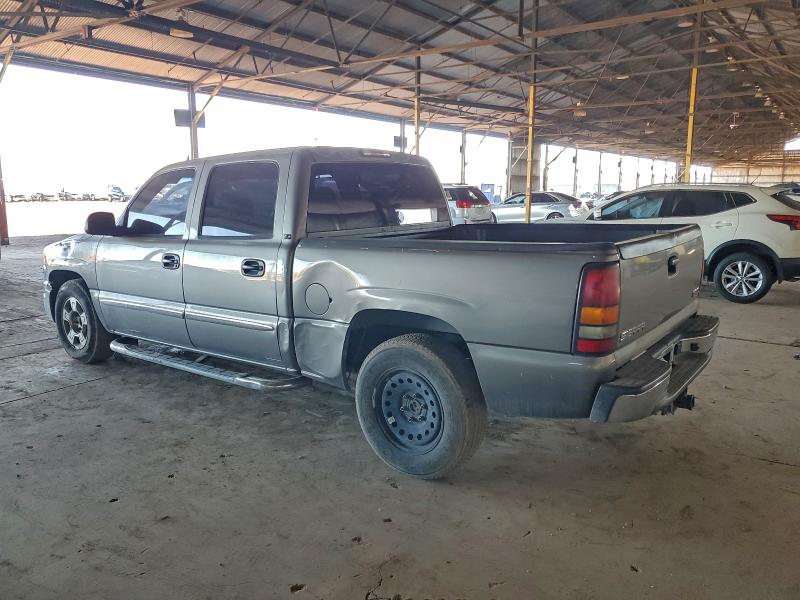
Clean Title
The clean title definition indicates that the vehicle has never been deemed a total loss but in some states a vehicle with clean title can have total loss history. it is the User’s responsibility 1) to check the car's history and any notes on salvage records or Total loss ( for example NMVTIS report) 2) to verify with their specific state or jurisdiction that the vehicle can be legally titled and registered.We cannot guarantee that any vehicle purchased through our site will be able to be reconstructed or titled in any specific state or country. We are not responsible for any difficulties in passing inspection and registering your car in your state. Please get more info about the reconstruction process before purchasing any vehicle. Each state has different guidelines for salvage titles.
957049852GTEC13Z061277788186,515
Mechanical
Clean
95704985
2GTEC13Z061277788
186,515
Mechanical
Clean
7/20/2026, 4:00:00 PM
$325
$2,300
$325
$2,300
07/20/2026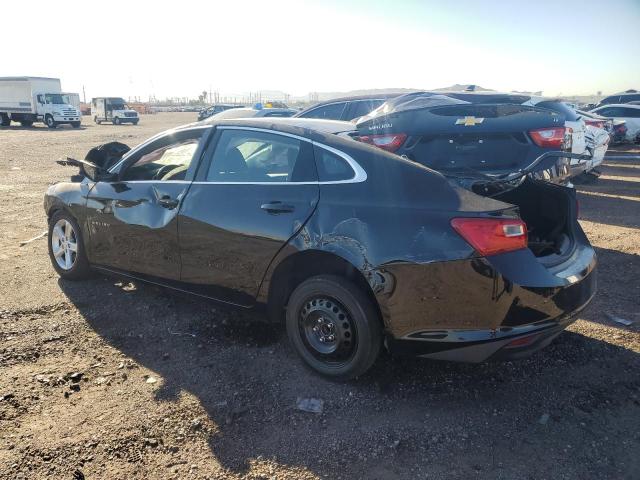
Clean Title
The clean title definition indicates that the vehicle has never been deemed a total loss but in some states a vehicle with clean title can have total loss history. it is the User’s responsibility 1) to check the car's history and any notes on salvage records or Total loss ( for example NMVTIS report) 2) to verify with their specific state or jurisdiction that the vehicle can be legally titled and registered.We cannot guarantee that any vehicle purchased through our site will be able to be reconstructed or titled in any specific state or country. We are not responsible for any difficulties in passing inspection and registering your car in your state. Please get more info about the reconstruction process before purchasing any vehicle. Each state has different guidelines for salvage titles.
730929851G1ZD5ST0PF223915999,999
All Over
Clean
73092985
1G1ZD5ST0PF223915
999,999
All Over
Clean
7/20/2026, 4:00:00 PM
$0
$819
$0
$819
07/20/2026
Clean Title
The clean title definition indicates that the vehicle has never been deemed a total loss but in some states a vehicle with clean title can have total loss history. it is the User’s responsibility 1) to check the car's history and any notes on salvage records or Total loss ( for example NMVTIS report) 2) to verify with their specific state or jurisdiction that the vehicle can be legally titled and registered.We cannot guarantee that any vehicle purchased through our site will be able to be reconstructed or titled in any specific state or country. We are not responsible for any difficulties in passing inspection and registering your car in your state. Please get more info about the reconstruction process before purchasing any vehicle. Each state has different guidelines for salvage titles.
72760555JTHBA1D29G5025207149,960
All Over
Clean
72760555
JTHBA1D29G5025207
149,960
All Over
Clean
7/20/2026, 4:00:00 PM
$0
$2,750
$0
$2,750
07/20/2026 738546551FMCU9MN9RUA74322
0
Front End
Non-Repairable
73854655
1FMCU9MN9RUA74322
0
Front End
Non-Repairable
7/20/2026, 4:00:00 PM
$0
$3,975
$0
$3,975
07/20/2026
Run & Drive
When a vehicle arrives at an auction’s yard, the auction confirms that the vehicle starts, can be put into gear and can move forward under its own power. These functions are not guaranteed at pickup or delivery, and the vehicle may not be roadworthy.
76013685389115601
Minor Dent/Scratches
Salvage
76013685
38911560
1
Minor Dent/Scratches
Salvage
7/20/2026, 4:00:00 PM
$0
$2,200
$0
$2,200
07/20/2026
Clean Title
The clean title definition indicates that the vehicle has never been deemed a total loss but in some states a vehicle with clean title can have total loss history. it is the User’s responsibility 1) to check the car's history and any notes on salvage records or Total loss ( for example NMVTIS report) 2) to verify with their specific state or jurisdiction that the vehicle can be legally titled and registered.We cannot guarantee that any vehicle purchased through our site will be able to be reconstructed or titled in any specific state or country. We are not responsible for any difficulties in passing inspection and registering your car in your state. Please get more info about the reconstruction process before purchasing any vehicle. Each state has different guidelines for salvage titles.
75863785SALWR2WF5EA330458116,781
Mechanical
Clean
75863785
SALWR2WF5EA330458
116,781
Mechanical
Clean
7/20/2026, 4:00:00 PM
$200
$3,975
$200
$3,975
07/20/2026
Clean Title
The clean title definition indicates that the vehicle has never been deemed a total loss but in some states a vehicle with clean title can have total loss history. it is the User’s responsibility 1) to check the car's history and any notes on salvage records or Total loss ( for example NMVTIS report) 2) to verify with their specific state or jurisdiction that the vehicle can be legally titled and registered.We cannot guarantee that any vehicle purchased through our site will be able to be reconstructed or titled in any specific state or country. We are not responsible for any difficulties in passing inspection and registering your car in your state. Please get more info about the reconstruction process before purchasing any vehicle. Each state has different guidelines for salvage titles.
757903251C6RR6NM0FS581449151,563
Mechanical
Clean
75790325
1C6RR6NM0FS581449
151,563
Mechanical
Clean
7/20/2026, 4:00:00 PM
$175
$1,750
$175
$1,750
07/20/2026
Run & Drive
When a vehicle arrives at an auction’s yard, the auction confirms that the vehicle starts, can be put into gear and can move forward under its own power. These functions are not guaranteed at pickup or delivery, and the vehicle may not be roadworthy.
790103355FPYK3F74KB030035109,235
Front End
Salvage
79010335
5FPYK3F74KB030035
109,235
Front End
Salvage
7/20/2026, 4:00:00 PM
$725
$725
07/20/2026 794072152T2BGMCA0GC005341
29,129
All Over
Salvage
79407215
2T2BGMCA0GC005341
29,129
All Over
Salvage
7/20/2026, 4:00:00 PM
$0
$6,100
$0
$6,100
07/20/2026 75518245JN8AY2BB4M9793378
64,700
Side
Salvage
75518245
JN8AY2BB4M9793378
64,700
Side
Salvage
7/20/2026, 4:00:00 PM
$0
$13,500
$0
$13,500
07/20/2026
Clean Title
The clean title definition indicates that the vehicle has never been deemed a total loss but in some states a vehicle with clean title can have total loss history. it is the User’s responsibility 1) to check the car's history and any notes on salvage records or Total loss ( for example NMVTIS report) 2) to verify with their specific state or jurisdiction that the vehicle can be legally titled and registered.We cannot guarantee that any vehicle purchased through our site will be able to be reconstructed or titled in any specific state or country. We are not responsible for any difficulties in passing inspection and registering your car in your state. Please get more info about the reconstruction process before purchasing any vehicle. Each state has different guidelines for salvage titles.
86188845JA4ATWAA1PZ0364940
Front End
Clean
86188845
JA4ATWAA1PZ036494
0
Front End
Clean
7/20/2026, 4:00:00 PM
$0
$2,975
$0
$2,975
07/20/2026
Clean Title
The clean title definition indicates that the vehicle has never been deemed a total loss but in some states a vehicle with clean title can have total loss history. it is the User’s responsibility 1) to check the car's history and any notes on salvage records or Total loss ( for example NMVTIS report) 2) to verify with their specific state or jurisdiction that the vehicle can be legally titled and registered.We cannot guarantee that any vehicle purchased through our site will be able to be reconstructed or titled in any specific state or country. We are not responsible for any difficulties in passing inspection and registering your car in your state. Please get more info about the reconstruction process before purchasing any vehicle. Each state has different guidelines for salvage titles.
416525661C4PJLLB3KD316398218,996
Front End
Clean
41652566
1C4PJLLB3KD316398
218,996
Front End
Clean
7/20/2026, 4:00:00 PM
$0
$2,475
$0
$2,475
07/20/2026 767706954LMBB21117L019086
368,801
Normal Wear
Salvage
76770695
4LMBB21117L019086
368,801
Normal Wear
Salvage
7/20/2026, 4:00:00 PM
$0
$0
07/20/2026
Run & Drive
When a vehicle arrives at an auction’s yard, the auction confirms that the vehicle starts, can be put into gear and can move forward under its own power. These functions are not guaranteed at pickup or delivery, and the vehicle may not be roadworthy.
Clean Title
The clean title definition indicates that the vehicle has never been deemed a total loss but in some states a vehicle with clean title can have total loss history. it is the User’s responsibility 1) to check the car's history and any notes on salvage records or Total loss ( for example NMVTIS report) 2) to verify with their specific state or jurisdiction that the vehicle can be legally titled and registered.We cannot guarantee that any vehicle purchased through our site will be able to be reconstructed or titled in any specific state or country. We are not responsible for any difficulties in passing inspection and registering your car in your state. Please get more info about the reconstruction process before purchasing any vehicle. Each state has different guidelines for salvage titles.
79487835YV1102AK6H1008488143,450
Normal Wear
Clean
79487835
YV1102AK6H1008488
143,450
Normal Wear
Clean
7/20/2026, 4:00:00 PM
$0
$4,975
$0
$4,975
07/20/2026
Clean Title
The clean title definition indicates that the vehicle has never been deemed a total loss but in some states a vehicle with clean title can have total loss history. it is the User’s responsibility 1) to check the car's history and any notes on salvage records or Total loss ( for example NMVTIS report) 2) to verify with their specific state or jurisdiction that the vehicle can be legally titled and registered.We cannot guarantee that any vehicle purchased through our site will be able to be reconstructed or titled in any specific state or country. We are not responsible for any difficulties in passing inspection and registering your car in your state. Please get more info about the reconstruction process before purchasing any vehicle. Each state has different guidelines for salvage titles.
79553905KNDMC5C16J6380728384,765
Front End
Clean
79553905
KNDMC5C16J6380728
384,765
Front End
Clean
7/20/2026, 4:00:00 PM
$0
$1,975
$0
$1,975
07/20/2026 698786951JJV281W25L930075
0
Minor Dent/Scratches
Salvage
69878695
1JJV281W25L930075
0
Minor Dent/Scratches
Salvage
7/20/2026, 4:00:00 PM
$0
$0
07/20/2026
Salvage Cars for Sale in Phoenix, AZ — Wrecked & Repairable Vehicle Auctions Near You
Phoenix offers two advantages that no other major US salvage market can match simultaneously: a desert climate that produces virtually no undercarriage rust, and a monsoon hail season that reliably delivers the highest concentration of cosmetically damaged but mechanically intact vehicles in the Mountain West every fall. If you want structural predictability and seasonal value in a single market, Phoenix is the answer. This guide covers Arizona's salvage title system, where to bid and inspect, and how to budget correctly.
What Is a Salvage Car and How Does Arizona Define It?
Arizona uses a Total Loss Formula under A.R.S. § 28-2091 — a vehicle is declared salvage when repair costs plus salvage value equal or exceed actual cash value. There is no fixed percentage threshold in Arizona statute; the determination depends on each vehicle's specific economics. Arizona recognizes three title types buyers must distinguish before bidding: a Salvage Certificate of Title (can be rebuilt and registered), a Nonrepairable Vehicle Certificate (parts or export only, never registerable in Arizona), and a Stolen Vehicle Certificate of Title (for theft cases). Confirm which certificate type applies to any vehicle before placing any bid.
After repair, Arizona requires a Level II or Level III MVD inspection. Every parts receipt submitted with the inspection must include the VIN of the donor vehicle, the seller's complete name and address, the seller's driver's license number (for private sellers) or tax ID (for businesses), and the title number of the parts vehicle. Missing any of these elements on any single receipt can delay or block the inspection. After passing, the Arizona MVD issues a "Restored Salvage Certificate of Title" — the state's term for what most states call a rebuilt title. Arizona MVD: azdot.gov/motor-vehicles.
How Do Salvage Car Auctions Work in Phoenix?
BidNDrive gives public buyers access to Phoenix auction inventory at Copart and IAAI without a dealer license. Register free, deposit 10% (minimum $600) to bid, pay within 24–48 hours of winning.
Copart Phoenix at 615 S 51st Avenue (phone: 602-484-7075) serves central Phoenix. Copart Phoenix North covers the northern metro. Copart Tucson at 5600 S Arcadia Avenue (phone: 520-663-1900) serves the Tucson and southern Arizona market. IAA Phoenix holds regular public auctions for the metro area. IAA Tucson runs Thursday auctions at 9:30am MST with preview Wednesday from 10am to 2pm. Multiple auction days per week across Phoenix and Tucson give buyers continuous inventory access across two distinct markets within a single drive.
Where Can You Inspect Salvage Cars Near Phoenix Before Bidding?
Physical inspection is available at all Phoenix area yards up to one hour before each sale ends. Copart Phoenix allows preview before each weekly sale. IAA Phoenix holds regular preview sessions. IAA Tucson previews Wednesday from 10am to 2pm.
Phoenix's desert climate makes in-person inspection the most reliable of any major US market. The combination of low humidity, minimal rainfall, and no road salt means undercarriage corrosion is essentially nonexistent on vehicles that have spent their lives in the Tucson-Phoenix corridor. What you see structurally is what you get. This climate reliability is specifically why buyers from rust-belt states — Ohio, Michigan, Illinois — target Phoenix auction inventory.
If in-person inspection isn't possible, order the third-party inspection report at least three days before the auction closes. For Phoenix monsoon season listings (September–November), request mechanical condition documentation specifically — hail-damaged vehicles from Arizona storms run and drive perfectly, but verify this in the inspection report rather than assuming it.
What Types of Wrecked Cars Are Most Common at Phoenix Auctions?
Ford F-150, Ram 1500, Toyota Tundra, and Chevrolet Silverado dominate the truck categories. Phoenix's construction boom and outdoor lifestyle culture drives very high truck ownership. Jeep Wrangler and Toyota 4Runner are strongly represented — off-road capability is a genuine lifestyle requirement for a large portion of the Phoenix market, and both models hold rebuilt value exceptionally well. Toyota RAV4, Honda CR-V, and Chevrolet Equinox lead the crossover volume categories.
Tesla Model 3 and Model Y are increasingly common at Phoenix yards as Arizona's EV adoption accelerates. Scottsdale, Paradise Valley, and North Scottsdale area listings produce BMW X5, Mercedes-Benz GLE, Lexus RX, and Audi Q5 at above-average rates. Nissan Altima and Toyota Camry lead the mainstream sedan categories with predictable repair economics.
What Makes Phoenix's Salvage Market Unique?
Monsoon hail season is Phoenix's defining market characteristic. The Valley of the Sun sits in the path of North American monsoon moisture that moves through from July through September, producing severe hail events across the metro area on a predictable annual schedule. These events push high volumes of cosmetically damaged but mechanically intact vehicles into Phoenix auction yards every fall. A hail-damaged Toyota RAV4 or Ford F-150 from a Phoenix monsoon storm represents a fundamentally different risk profile than a collision vehicle at the same price — there is no structural damage, no airbag deployment, and no frame compromise.
The dry climate structural advantage is real. A vehicle from Phoenix with 100,000 miles has dramatically better undercarriage condition than a vehicle from Cleveland with 60,000 miles. This isn't a small difference — it's the reason buyers from across the country specifically seek Phoenix and Scottsdale auction inventory for structural quality.
Scottsdale's luxury market creates above-average premium salvage inventory at Phoenix-area yards. North Scottsdale, Paradise Valley, and Arcadia are among the highest household income ZIP codes in Arizona, and the rapid vehicle turnover in these communities feeds late-model BMW, Mercedes-Benz, and Porsche inventory into the Phoenix salvage pipeline at rates that don't exist in comparable-sized markets without similar wealth concentration.
Can You Buy Salvage Cars in Phoenix Without a Dealer License?
Yes — BidNDrive open to all public buyers. Free registration, no membership fees, refundable 10% deposit (minimum $600) to bid.
How Do You Calculate a Smart Budget for a Phoenix Salvage Car?
Arizona Level II or III MVD inspection fees vary — contact Arizona MVD for current amounts. Maricopa and Pima counties require emissions testing after rebuild — factor this into the post-repair registration timeline. Forms required: MVD parts receipt documentation (VIN, seller ID, title number for every part). After passing inspection, the MVD issues the Restored Salvage Certificate of Title.
Apply the 60–65% rule: total all-in cost below 60–65% of clean-title Phoenix market value. Arizona's mild climate reduces hidden damage risk, improving the reliability of the budget calculation compared to markets where corrosion is a real variable.
What Damage Types Offer the Best Value at Phoenix Auctions?
Monsoon hail damage (September–November auction season) is the premier value category. Cosmetically damaged, mechanically intact vehicles from monsoon storms appear in high volumes. PDR shops throughout the Valley handle Arizona hail damage at competitive rates with fast turnaround. This is the best annual buying window in the Phoenix market.
Collision damage is most common overall. I-10, the 101, I-17, and the Loop 202 produce consistent front-end and rear-end inventory with bolt-on repair profiles. Frame assessment always the priority check.
Flash flood damage from monsoon precipitation requires specialist assessment. Arizona's desert soil concentrates rainfall rapidly into flash floods that can submerge vehicles in minutes. Any flood-branded Phoenix listing from summer months carries hidden electrical damage risk regardless of external appearance.
Nonrepairable certificates appear in Phoenix listings — these vehicles can never be registered in Arizona. Confirm certificate type before bidding.
What Are the Pros and Cons of Buying Salvage Cars in Phoenix?
On the upside: desert climate produces the most structurally reliable salvage inventory in the US. Monsoon hail season delivers predictable annual high-value inventory. Scottsdale luxury market produces above-average premium salvage supply. No road salt corrosion on any Phoenix vehicle.
On the downside: emissions testing in Maricopa and Pima counties adds a post-rebuild step. Parts documentation requirements for MVD inspection are strict — every receipt needs VIN, seller ID, and title number. Flash flood risk during monsoon season carries hidden electrical damage. And as in all states, financing is difficult and rebuilt titles carry a permanent resale discount.
Key Things to Remember Before Your First Phoenix Auction Bid
- No dealer license needed — BidNDrive open to all public buyers
- Free registration; refundable 10% deposit, minimum $600
- Arizona TLF — no fixed % threshold; confirm Salvage Certificate vs. Nonrepairable before bidding
- Level II or III MVD inspection required; every parts receipt needs VIN + seller ID + title number of parts vehicle
- Rebuilt title called "Restored Salvage Certificate of Title" in Arizona
- Maricopa and Pima counties: emissions testing required after rebuild
- Desert climate = virtually no rust/corrosion — most structurally reliable major US market
- Monsoon hail season (Sept–Nov listings): best annual buying window
- Flash flood damage from monsoon storms: treat with specialist assessment
- Arizona MVD: azdot.gov/motor-vehicles