
Vehicle Finder
Popular Makes
- Toyota26,890
- Ford26,880
- Chevrolet23,230
- Honda19,468
- Nissan16,707
- Hyundai12,053
- Kia9,370
- Jeep8,564
- Dodge7,045
- Subaru5,899
- Gmc5,546
- Mercedes-Benz5,363
- Bmw5,303
- Volkswagen4,805
- Ram4,107
- Lexus3,984
- Mazda3,771
- Audi3,147
- Buick3,045
- Chrysler2,962
- Tesla2,349
- Cadillac2,329
- Acura2,185
- Infiniti2,169
- Mitsubishi1,638
- Lincoln1,446
- Volvo1,419
- Land Rover1,348
Vehicle Types
7 am to 6 pm EST Mon - Fri


7 am to 6 pm EST Mon - Fri
- Toyota26,890
- Ford26,880
- Chevrolet23,230
- Honda19,468
- Nissan16,707
- Hyundai12,053
- Kia9,370
- Jeep8,564
- Dodge7,045
- Subaru5,899
- Gmc5,546
- Mercedes-Benz5,363
- Bmw5,303
- Volkswagen4,805
- Ram4,107
- Lexus3,984
- Mazda3,771
- Audi3,147
- Buick3,045
- Chrysler2,962
- Tesla2,349
- Cadillac2,329
- Acura2,185
- Infiniti2,169
- Mitsubishi1,638
- Lincoln1,446
- Volvo1,419
- Land Rover1,348
Car Auctions in Miami, Florida

Do You Have
Any Questions?
Ask Question 
Showing result: 1 - 24 of 452
Sale Date (recent)
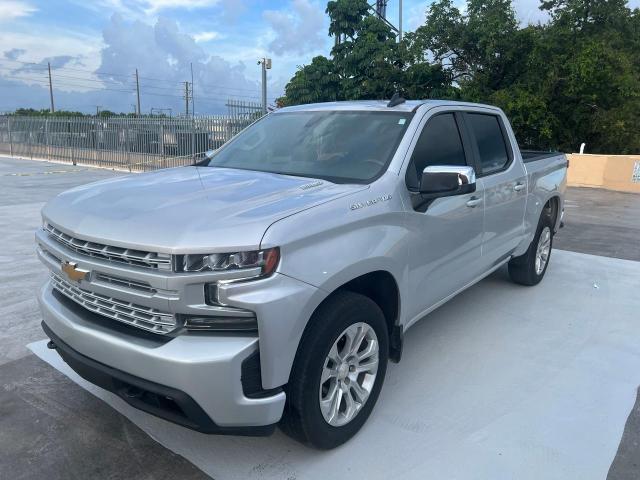

Run & Drive
When a vehicle arrives at an auction’s yard, the auction confirms that the vehicle starts, can be put into gear and can move forward under its own power. These functions are not guaranteed at pickup or delivery, and the vehicle may not be roadworthy.
707728253GCUYDET2MG212792$0
$19,000
07/20/2026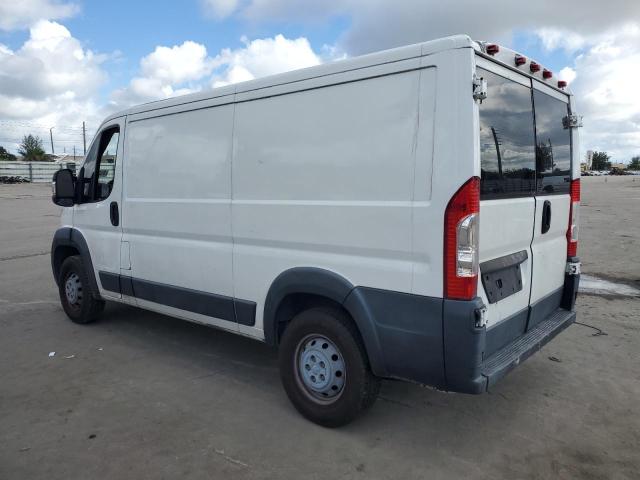

Clean Title
The clean title definition indicates that the vehicle has never been deemed a total loss but in some states a vehicle with clean title can have total loss history. it is the User’s responsibility 1) to check the car's history and any notes on salvage records or Total loss ( for example NMVTIS report) 2) to verify with their specific state or jurisdiction that the vehicle can be legally titled and registered.We cannot guarantee that any vehicle purchased through our site will be able to be reconstructed or titled in any specific state or country. We are not responsible for any difficulties in passing inspection and registering your car in your state. Please get more info about the reconstruction process before purchasing any vehicle. Each state has different guidelines for salvage titles.
853334153C6TRVAG0HE524979$0
$10,500
07/20/2026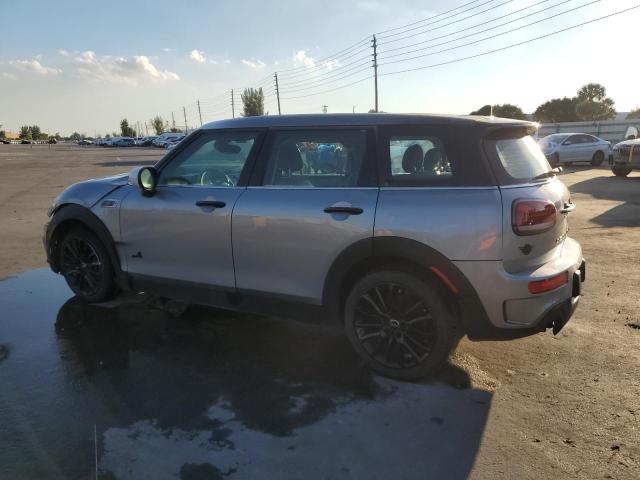 93488685WMWXJ1C04P2T84261
$0
$12,000
07/20/2026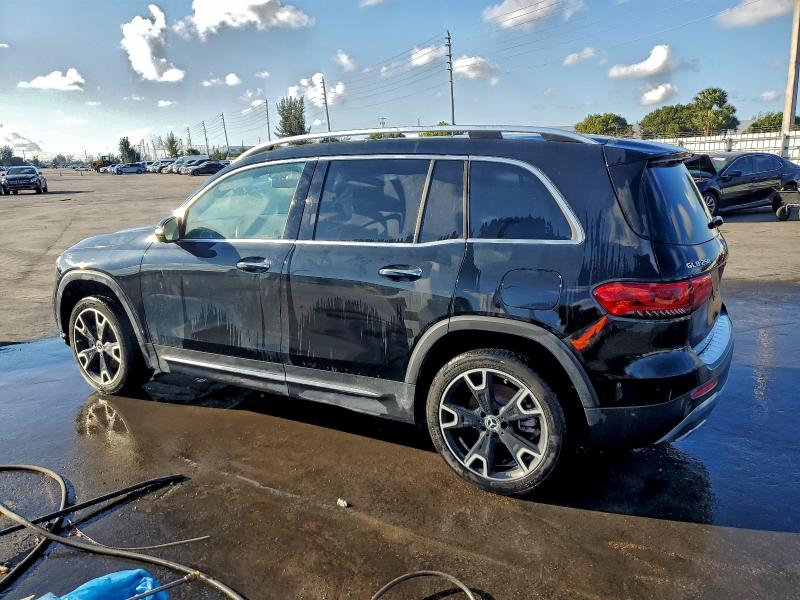
Clean Title
The clean title definition indicates that the vehicle has never been deemed a total loss but in some states a vehicle with clean title can have total loss history. it is the User’s responsibility 1) to check the car's history and any notes on salvage records or Total loss ( for example NMVTIS report) 2) to verify with their specific state or jurisdiction that the vehicle can be legally titled and registered.We cannot guarantee that any vehicle purchased through our site will be able to be reconstructed or titled in any specific state or country. We are not responsible for any difficulties in passing inspection and registering your car in your state. Please get more info about the reconstruction process before purchasing any vehicle. Each state has different guidelines for salvage titles.
93559455W1N4M4GB1PW302465$325
$11,600
07/20/2026
Clean Title
The clean title definition indicates that the vehicle has never been deemed a total loss but in some states a vehicle with clean title can have total loss history. it is the User’s responsibility 1) to check the car's history and any notes on salvage records or Total loss ( for example NMVTIS report) 2) to verify with their specific state or jurisdiction that the vehicle can be legally titled and registered.We cannot guarantee that any vehicle purchased through our site will be able to be reconstructed or titled in any specific state or country. We are not responsible for any difficulties in passing inspection and registering your car in your state. Please get more info about the reconstruction process before purchasing any vehicle. Each state has different guidelines for salvage titles.
93783315SALWR2WF5EA330749$0
$3,775
07/20/2026 93128035B1YD63CSE898
$0
$10,000
07/20/2026
Clean Title
The clean title definition indicates that the vehicle has never been deemed a total loss but in some states a vehicle with clean title can have total loss history. it is the User’s responsibility 1) to check the car's history and any notes on salvage records or Total loss ( for example NMVTIS report) 2) to verify with their specific state or jurisdiction that the vehicle can be legally titled and registered.We cannot guarantee that any vehicle purchased through our site will be able to be reconstructed or titled in any specific state or country. We are not responsible for any difficulties in passing inspection and registering your car in your state. Please get more info about the reconstruction process before purchasing any vehicle. Each state has different guidelines for salvage titles.
956956251C4RJEBT4EC122942$0
$2,050
07/20/2026
Clean Title
The clean title definition indicates that the vehicle has never been deemed a total loss but in some states a vehicle with clean title can have total loss history. it is the User’s responsibility 1) to check the car's history and any notes on salvage records or Total loss ( for example NMVTIS report) 2) to verify with their specific state or jurisdiction that the vehicle can be legally titled and registered.We cannot guarantee that any vehicle purchased through our site will be able to be reconstructed or titled in any specific state or country. We are not responsible for any difficulties in passing inspection and registering your car in your state. Please get more info about the reconstruction process before purchasing any vehicle. Each state has different guidelines for salvage titles.
41720506WDC0G4JB2JV037391$0
$8,475
07/20/2026
Clean Title
The clean title definition indicates that the vehicle has never been deemed a total loss but in some states a vehicle with clean title can have total loss history. it is the User’s responsibility 1) to check the car's history and any notes on salvage records or Total loss ( for example NMVTIS report) 2) to verify with their specific state or jurisdiction that the vehicle can be legally titled and registered.We cannot guarantee that any vehicle purchased through our site will be able to be reconstructed or titled in any specific state or country. We are not responsible for any difficulties in passing inspection and registering your car in your state. Please get more info about the reconstruction process before purchasing any vehicle. Each state has different guidelines for salvage titles.
457265364JGDF7DE6FA483247$0
$5,450
07/20/2026
Run & Drive
When a vehicle arrives at an auction’s yard, the auction confirms that the vehicle starts, can be put into gear and can move forward under its own power. These functions are not guaranteed at pickup or delivery, and the vehicle may not be roadworthy.
416245763GNAXHEG5SL207128$0
$8,950
07/20/2026
Run & Drive
When a vehicle arrives at an auction’s yard, the auction confirms that the vehicle starts, can be put into gear and can move forward under its own power. These functions are not guaranteed at pickup or delivery, and the vehicle may not be roadworthy.
Clean Title
The clean title definition indicates that the vehicle has never been deemed a total loss but in some states a vehicle with clean title can have total loss history. it is the User’s responsibility 1) to check the car's history and any notes on salvage records or Total loss ( for example NMVTIS report) 2) to verify with their specific state or jurisdiction that the vehicle can be legally titled and registered.We cannot guarantee that any vehicle purchased through our site will be able to be reconstructed or titled in any specific state or country. We are not responsible for any difficulties in passing inspection and registering your car in your state. Please get more info about the reconstruction process before purchasing any vehicle. Each state has different guidelines for salvage titles.
46638916KNALW4D43F6020763$0
$2,400
07/20/2026
Clean Title
The clean title definition indicates that the vehicle has never been deemed a total loss but in some states a vehicle with clean title can have total loss history. it is the User’s responsibility 1) to check the car's history and any notes on salvage records or Total loss ( for example NMVTIS report) 2) to verify with their specific state or jurisdiction that the vehicle can be legally titled and registered.We cannot guarantee that any vehicle purchased through our site will be able to be reconstructed or titled in any specific state or country. We are not responsible for any difficulties in passing inspection and registering your car in your state. Please get more info about the reconstruction process before purchasing any vehicle. Each state has different guidelines for salvage titles.
789810151FM5K8AB6PGB68334$0
$8,900
07/20/2026
Run & Drive
When a vehicle arrives at an auction’s yard, the auction confirms that the vehicle starts, can be put into gear and can move forward under its own power. These functions are not guaranteed at pickup or delivery, and the vehicle may not be roadworthy.
Clean Title
The clean title definition indicates that the vehicle has never been deemed a total loss but in some states a vehicle with clean title can have total loss history. it is the User’s responsibility 1) to check the car's history and any notes on salvage records or Total loss ( for example NMVTIS report) 2) to verify with their specific state or jurisdiction that the vehicle can be legally titled and registered.We cannot guarantee that any vehicle purchased through our site will be able to be reconstructed or titled in any specific state or country. We are not responsible for any difficulties in passing inspection and registering your car in your state. Please get more info about the reconstruction process before purchasing any vehicle. Each state has different guidelines for salvage titles.
416251065NMS44AL7PH638849$50
$10,950
07/20/2026
Run & Drive
When a vehicle arrives at an auction’s yard, the auction confirms that the vehicle starts, can be put into gear and can move forward under its own power. These functions are not guaranteed at pickup or delivery, and the vehicle may not be roadworthy.
471922965YFBURHE5HP704181$0
07/20/2026
Clean Title
The clean title definition indicates that the vehicle has never been deemed a total loss but in some states a vehicle with clean title can have total loss history. it is the User’s responsibility 1) to check the car's history and any notes on salvage records or Total loss ( for example NMVTIS report) 2) to verify with their specific state or jurisdiction that the vehicle can be legally titled and registered.We cannot guarantee that any vehicle purchased through our site will be able to be reconstructed or titled in any specific state or country. We are not responsible for any difficulties in passing inspection and registering your car in your state. Please get more info about the reconstruction process before purchasing any vehicle. Each state has different guidelines for salvage titles.
49307876WDDZF4KB8HA065248$0
$7,000
07/20/2026
Clean Title
The clean title definition indicates that the vehicle has never been deemed a total loss but in some states a vehicle with clean title can have total loss history. it is the User’s responsibility 1) to check the car's history and any notes on salvage records or Total loss ( for example NMVTIS report) 2) to verify with their specific state or jurisdiction that the vehicle can be legally titled and registered.We cannot guarantee that any vehicle purchased through our site will be able to be reconstructed or titled in any specific state or country. We are not responsible for any difficulties in passing inspection and registering your car in your state. Please get more info about the reconstruction process before purchasing any vehicle. Each state has different guidelines for salvage titles.
45572786JTHGZ1B23P5071004$0
$19,800
07/20/2026
Run & Drive
When a vehicle arrives at an auction’s yard, the auction confirms that the vehicle starts, can be put into gear and can move forward under its own power. These functions are not guaranteed at pickup or delivery, and the vehicle may not be roadworthy.
50359916JN1BZ4BH8RM361669$0
$18,900
07/20/2026
Run & Drive
When a vehicle arrives at an auction’s yard, the auction confirms that the vehicle starts, can be put into gear and can move forward under its own power. These functions are not guaranteed at pickup or delivery, and the vehicle may not be roadworthy.
Clean Title
The clean title definition indicates that the vehicle has never been deemed a total loss but in some states a vehicle with clean title can have total loss history. it is the User’s responsibility 1) to check the car's history and any notes on salvage records or Total loss ( for example NMVTIS report) 2) to verify with their specific state or jurisdiction that the vehicle can be legally titled and registered.We cannot guarantee that any vehicle purchased through our site will be able to be reconstructed or titled in any specific state or country. We are not responsible for any difficulties in passing inspection and registering your car in your state. Please get more info about the reconstruction process before purchasing any vehicle. Each state has different guidelines for salvage titles.
489976663FA6P0HD2GR394517$0
$4,200
07/20/2026 515530461N6AF0LYXKN811327
$0
$2,985
07/20/2026
Clean Title
The clean title definition indicates that the vehicle has never been deemed a total loss but in some states a vehicle with clean title can have total loss history. it is the User’s responsibility 1) to check the car's history and any notes on salvage records or Total loss ( for example NMVTIS report) 2) to verify with their specific state or jurisdiction that the vehicle can be legally titled and registered.We cannot guarantee that any vehicle purchased through our site will be able to be reconstructed or titled in any specific state or country. We are not responsible for any difficulties in passing inspection and registering your car in your state. Please get more info about the reconstruction process before purchasing any vehicle. Each state has different guidelines for salvage titles.
489595663N1AB7AP9EY230316$0
$2,250
07/20/2026
Run & Drive
When a vehicle arrives at an auction’s yard, the auction confirms that the vehicle starts, can be put into gear and can move forward under its own power. These functions are not guaranteed at pickup or delivery, and the vehicle may not be roadworthy.
Clean Title
The clean title definition indicates that the vehicle has never been deemed a total loss but in some states a vehicle with clean title can have total loss history. it is the User’s responsibility 1) to check the car's history and any notes on salvage records or Total loss ( for example NMVTIS report) 2) to verify with their specific state or jurisdiction that the vehicle can be legally titled and registered.We cannot guarantee that any vehicle purchased through our site will be able to be reconstructed or titled in any specific state or country. We are not responsible for any difficulties in passing inspection and registering your car in your state. Please get more info about the reconstruction process before purchasing any vehicle. Each state has different guidelines for salvage titles.
50269216JTEBU5JR7J5528707$3,600
$12,200
07/20/2026 521326263C6LRVNG9PE522642
$0
$6,480
07/20/2026
Run & Drive
When a vehicle arrives at an auction’s yard, the auction confirms that the vehicle starts, can be put into gear and can move forward under its own power. These functions are not guaranteed at pickup or delivery, and the vehicle may not be roadworthy.
Clean Title
The clean title definition indicates that the vehicle has never been deemed a total loss but in some states a vehicle with clean title can have total loss history. it is the User’s responsibility 1) to check the car's history and any notes on salvage records or Total loss ( for example NMVTIS report) 2) to verify with their specific state or jurisdiction that the vehicle can be legally titled and registered.We cannot guarantee that any vehicle purchased through our site will be able to be reconstructed or titled in any specific state or country. We are not responsible for any difficulties in passing inspection and registering your car in your state. Please get more info about the reconstruction process before purchasing any vehicle. Each state has different guidelines for salvage titles.
48739696ZARFAMAN4K7599798$0
$6,500
07/20/2026
Run & Drive
When a vehicle arrives at an auction’s yard, the auction confirms that the vehicle starts, can be put into gear and can move forward under its own power. These functions are not guaranteed at pickup or delivery, and the vehicle may not be roadworthy.
Clean Title
The clean title definition indicates that the vehicle has never been deemed a total loss but in some states a vehicle with clean title can have total loss history. it is the User’s responsibility 1) to check the car's history and any notes on salvage records or Total loss ( for example NMVTIS report) 2) to verify with their specific state or jurisdiction that the vehicle can be legally titled and registered.We cannot guarantee that any vehicle purchased through our site will be able to be reconstructed or titled in any specific state or country. We are not responsible for any difficulties in passing inspection and registering your car in your state. Please get more info about the reconstruction process before purchasing any vehicle. Each state has different guidelines for salvage titles.
524825761FTBF2B67FED20903$15
$7,800
07/20/2026
Salvage Cars for Sale in Miami, FL — Wrecked & Repairable Vehicle Auctions
Finding the right vehicle in Miami doesn't have to mean paying full price at a dealership. BidNDrive gives public buyers direct access to thousands of salvage, wrecked, and repairable cars available at online auctions across Florida — no dealer license required, free registration, and no membership fees. Whether you're looking for a budget daily driver, a project car to rebuild, or a vehicle to export through Miami's busy port, you'll find the selection and pricing here that traditional car buying simply can't match.
What Are Salvage Cars and Why Are They So Popular in Miami?
A salvage car is a vehicle that an insurance company has declared a total loss — meaning the estimated repair cost exceeded a threshold of the car's actual cash value. In Florida, that threshold sits at 80%. Once branded salvage, the car can no longer be driven on public roads until it's repaired and passes a state inspection, after which it receives a rebuilt title.
Miami's market for salvage vehicles is one of the most active in the country for good reason. The city's size, its dense population of car owners, and its role as a major shipping hub all feed a constant supply of damaged vehicles into local auction yards. Buyers here range from independent mechanics who flip rebuilt cars, to export brokers who ship vehicles to Latin America and the Caribbean, to everyday buyers simply looking for an affordable, repairable car.
Understanding the difference between a salvage title and a rebuilt title before you bid is essential. A salvage title means the car hasn't been repaired yet. A rebuilt title means it has been repaired, inspected, and cleared for registration in Florida. Both types appear regularly in Miami auctions — and both can represent excellent value when bought correctly.
How Does the Online Auction Process Work on BidNDrive?
BidNDrive is a licensed auto broker that provides public buyers with access to vehicles listed at major auction houses across the US, including locations throughout Florida. The process is fully online: you register for free, browse listings filtered by location, damage type, make, or price, and place bids directly through the platform.
You don't need a dealer license to bid. Registration takes a few minutes — just provide your basic details and set up your account. To participate in a live auction, a refundable security deposit of 10% of your intended maximum bid is required, with a minimum of $600. That deposit is returned after the auction concludes, whether you win the vehicle or not.
Once you've won a vehicle, BidNDrive handles the broker process between you and the auction house. Payment is typically due within 24–48 hours of the auction close. After payment clears, you arrange pickup or coordinate shipping from the auction yard. Miami buyers have the advantage of proximity to multiple Copart and IAAI yards in the South Florida area, making in-person inspection and vehicle pickup straightforward.
Can You Inspect a Salvage Car Before Bidding in Miami?
Yes — and you should. Physical inspection of auction vehicles is available at South Florida auction yards up until approximately one hour before the sale ends. If you're registered with BidNDrive, you're welcome to visit the lot yourself and walk through the vehicle. Bring a mechanic if the damage type warrants it, especially for flood or collision damage where hidden structural or electrical issues are common.
If you can't visit in person, a third-party inspection service is available directly from the lot listing page. This generates a detailed report covering engine running condition, suspension components, electrical system functionality, and a full photo documentation of both exterior and interior damage. For remote buyers or those purchasing for export, this inspection report is an essential tool — order it at least three days before the auction closes.
Online photos and condition reports published by the auction house are a starting point, but they're not a substitute for a proper pre-purchase inspection. The few hundred dollars you spend on a professional assessment can prevent a far more expensive mistake after you've already paid.
What Types of Vehicles Can You Find at Miami Auctions?
The Miami market is consistently one of the most diverse in Florida. On any given week, BidNDrive listings in the area include everyday passenger cars, SUVs and trucks, luxury vehicles, motorcycles, and commercial equipment. Here's what buyers most commonly find:
Sedans and hatchbacks are the highest-volume category — Toyota Camry, Honda Civic, Nissan Altima, and Chevrolet Malibu are perennial staples with strong parts availability and affordable repair costs. These are the workhorses of the salvage market: easy to source, easy to fix, easy to resell or register.
Trucks and SUVs command consistent demand. The Ford F-150 and Chevrolet Silverado appear regularly with front-end collision or hail damage, and the body-on-frame construction makes structural assessment straightforward. Jeep Wranglers are a standout in Miami specifically because of export demand — a rebuilt Wrangler sells well in multiple overseas markets, and parts are widely available locally.
Luxury vehicles — BMW, Mercedes-Benz, Audi, Lexus — surface regularly at Miami auctions, often with cosmetic damage that makes them look more severe than they are. These carry higher repair costs and require specialist labor, but for the right buyer they offer a chance to own a premium car at a fraction of its clean-title value.
Why Miami Is One of the Best Cities in Florida to Buy Salvage Cars
Miami's geography and infrastructure create advantages that buyers in most other Florida cities don't have. Port Miami and Port Everglades are two of the busiest vehicle export terminals in the Western Hemisphere. For buyers purchasing salvage cars to export, this means lower shipping costs, faster transit times, and established relationships with freight brokers who specialize in vehicle export.
Locally, Miami has an exceptionally large network of independent repair shops, salvage yards, and parts suppliers. Finding specific components for popular models — or even for less common luxury vehicles — is generally easier here than in smaller Florida markets. That parts availability compresses repair timelines and keeps labor costs competitive.
The sheer volume of auction inventory in South Florida also works in buyers' favor. More listings mean more chances to find the specific make, model, and damage type you're targeting, and competitive bidding is less concentrated than in markets with fewer active buyers. Patient, disciplined bidders in Miami can find consistently good pricing across vehicle categories.
What Are the Real Costs of Buying a Salvage Car in Miami?
The auction price is just one line in the budget. Before you place your maximum bid, total up every cost you'll realistically face:
The buyer's premium — charged by the auction platform — typically runs 10–25% on top of the hammer price depending on the vehicle's sale value. Transportation from the auction yard to your repair shop or storage location adds another variable cost. Repair estimates should come from at least two independent shops before you commit to a bid ceiling.
Once repairs are complete, Florida requires a rebuilt title inspection through the DHSMV before the vehicle can be registered. That inspection has a fee, and if corrections are required, you may need additional inspections. Title transfer fees and registration costs are modest individually but add up.
A useful benchmark: your all-in cost — hammer price plus every fee, transport, and repair dollar — should stay below 60–65% of the vehicle's clean-title market value. If a comparable clean car retails for $18,000, your total investment in the salvage equivalent should not exceed $11,000–$12,000. This protects your margin whether you're keeping the vehicle, reselling it locally, or exporting it.
What Damage Types Should You Prioritize — and Avoid?
Collision damage is the most common damage type in Miami auction listings and generally the most predictable to repair. Front-end and rear-end hits can look dramatic in photos but often involve bolt-on components — bumpers, hoods, fenders — that are cheap and widely available. The critical check is the frame: if a unibody vehicle has structural damage, repair costs escalate sharply.
Hail damage vehicles are among the best values in the salvage market. Hail doesn't typically affect mechanical systems, and paintless dent repair (PDR) technology has made cosmetic restoration fast and affordable. A hail-damaged vehicle often runs and drives perfectly — it just looks rough until the dents are addressed.
Flood damage requires the most caution. Miami's hurricane exposure means flood-damaged vehicles appear in local auctions with some regularity after major storms. Water intrusion causes corrosion and electrical failures that can develop months or even years after the initial event, long after a surface-level inspection shows nothing concerning. Unless you have specialized knowledge of flood vehicle assessment, approach these listings carefully and insist on a full inspection report.
Theft recovery vehicles are worth a second look. Many stolen cars are recovered quickly and with minimal damage — the thief abandoned the vehicle before causing significant harm. These often carry a salvage title simply because the insurance company paid out, not because the car is badly damaged.
Pros and Cons of Buying Salvage Cars in Miami: An Honest Assessment
Every buying decision involves trade-offs, and salvage vehicles are no exception. Here's a clear-eyed view of both sides:
On the upside: the price gap between salvage and clean-title vehicles in Miami is consistently large, often 40–60%. That gap is real money — and for buyers who do their homework, it's capturable. Miami's export infrastructure adds another profit path that simply doesn't exist in landlocked markets. Parts availability and the density of repair shops make the restoration process more manageable here than almost anywhere else in Florida.
On the downside: hidden damage is a genuine risk. Even thorough pre-purchase inspections can miss issues that only surface after a car is on the road. Financing is difficult to arrange for salvage vehicles, so most transactions are cash. And resale to retail buyers always carries a discount versus clean-title equivalents — even a well-repaired car with a rebuilt title will fetch less than a comparable car that was never in an accident.
The buyers who do best in this market are those who combine discipline with knowledge: they know what repairs cost before they bid, they stick to a budget ceiling, and they don't confuse a low auction price with a guaranteed good deal.
How to Register and Start Bidding on Miami Salvage Cars Today
Getting started with BidNDrive takes minutes. Visit the registration page, enter your details, and confirm your email. You can sign up directly or use an existing Google or Facebook account for faster setup. There are no membership fees and no recurring charges — registration is completely free.
Once registered, browse the Miami inventory filtered by your preferred criteria. When you find a vehicle worth pursuing, order the inspection report if you can't visit in person, research the repair costs, set your budget ceiling, and place your maximum bid. The platform manages the live auction bidding on your behalf up to that limit.
BidNDrive's team is available Monday through Friday during business hours to answer questions about specific listings, the inspection process, payment, or title transfer. If you're new to salvage auctions, the FAQ section covers the most common questions buyers encounter — from deposit requirements to what happens after you win.
Key Things to Remember Before Your First Miami Auction Bid
- No dealer license is needed — BidNDrive auctions are open to all public buyers in Florida
- Registration is free; a refundable 10% deposit is required to bid, minimum $600
- Always get a repair estimate before setting your maximum bid — not after winning
- Inspect vehicles in person at Miami-area auction yards when possible; order the lot inspection report for remote purchases
- Factor in buyer's premium, transport, repair, inspection, and title fees — not just the hammer price
- Flood damage carries the highest hidden-risk profile; prioritize collision and hail vehicles if you're newer to the market
- Miami's port access makes this one of Florida's best markets for export-oriented buyers
- A rebuilt title after proper repair is fully registerable in Florida — the process is straightforward once you pass the DHSMV inspection