
Vehicle Finder
Popular Makes
- Ford28,401
- Toyota28,170
- Chevrolet24,337
- Honda20,542
- Nissan17,659
- Hyundai12,600
- Kia9,973
- Jeep9,067
- Dodge7,268
- Subaru6,044
- Gmc5,895
- Mercedes-Benz5,718
- Bmw5,547
- Volkswagen4,908
- Lexus4,213
- Ram4,198
- Mazda3,809
- Audi3,255
- Buick3,122
- Chrysler3,052
- Cadillac2,364
- Infiniti2,334
- Tesla2,327
- Acura2,305
- Mitsubishi1,699
- Volvo1,519
- Lincoln1,489
- Land Rover1,443
Vehicle Types
7 am to 6 pm EST Mon - Fri


7 am to 6 pm EST Mon - Fri
- Ford28,401
- Toyota28,170
- Chevrolet24,337
- Honda20,542
- Nissan17,659
- Hyundai12,600
- Kia9,973
- Jeep9,067
- Dodge7,268
- Subaru6,044
- Gmc5,895
- Mercedes-Benz5,718
- Bmw5,547
- Volkswagen4,908
- Lexus4,213
- Ram4,198
- Mazda3,809
- Audi3,255
- Buick3,122
- Chrysler3,052
- Cadillac2,364
- Infiniti2,334
- Tesla2,327
- Acura2,305
- Mitsubishi1,699
- Volvo1,519
- Lincoln1,489
- Land Rover1,443
Car Auctions in Houston, Texas

Do You Have
Any Questions?
Ask Question 
Showing result: 1 - 24 of 2,840
Sale Date (recent)


Clean Title
The clean title definition indicates that the vehicle has never been deemed a total loss but in some states a vehicle with clean title can have total loss history. it is the User’s responsibility 1) to check the car's history and any notes on salvage records or Total loss ( for example NMVTIS report) 2) to verify with their specific state or jurisdiction that the vehicle can be legally titled and registered.We cannot guarantee that any vehicle purchased through our site will be able to be reconstructed or titled in any specific state or country. We are not responsible for any difficulties in passing inspection and registering your car in your state. Please get more info about the reconstruction process before purchasing any vehicle. Each state has different guidelines for salvage titles.
968239754UZAC2EA5LCMH799481,427
Front End
Clean
96823975
4UZAC2EA5LCMH7994
81,427
Front End
Clean
7/13/2026, 3:00:00 PM
$325
$325
07/13/2026
Clean Title
The clean title definition indicates that the vehicle has never been deemed a total loss but in some states a vehicle with clean title can have total loss history. it is the User’s responsibility 1) to check the car's history and any notes on salvage records or Total loss ( for example NMVTIS report) 2) to verify with their specific state or jurisdiction that the vehicle can be legally titled and registered.We cannot guarantee that any vehicle purchased through our site will be able to be reconstructed or titled in any specific state or country. We are not responsible for any difficulties in passing inspection and registering your car in your state. Please get more info about the reconstruction process before purchasing any vehicle. Each state has different guidelines for salvage titles.
571163963C63RRJL6JG353007320,396
Mechanical
Clean
57116396
3C63RRJL6JG353007
320,396
Mechanical
Clean
7/13/2026, 3:00:00 PM
$0
$8,700
$0
$8,700
07/13/2026

Run & Drive
When a vehicle arrives at an auction’s yard, the auction confirms that the vehicle starts, can be put into gear and can move forward under its own power. These functions are not guaranteed at pickup or delivery, and the vehicle may not be roadworthy.
Clean Title
The clean title definition indicates that the vehicle has never been deemed a total loss but in some states a vehicle with clean title can have total loss history. it is the User’s responsibility 1) to check the car's history and any notes on salvage records or Total loss ( for example NMVTIS report) 2) to verify with their specific state or jurisdiction that the vehicle can be legally titled and registered.We cannot guarantee that any vehicle purchased through our site will be able to be reconstructed or titled in any specific state or country. We are not responsible for any difficulties in passing inspection and registering your car in your state. Please get more info about the reconstruction process before purchasing any vehicle. Each state has different guidelines for salvage titles.
584661461FVACWDT2EHFW344290,778
Minor Dent/Scratches
Clean
58466146
1FVACWDT2EHFW3442
90,778
Minor Dent/Scratches
Clean
7/13/2026, 3:00:00 PM
$8,400
$8,400
07/13/2026
Run & Drive
When a vehicle arrives at an auction’s yard, the auction confirms that the vehicle starts, can be put into gear and can move forward under its own power. These functions are not guaranteed at pickup or delivery, and the vehicle may not be roadworthy.
Clean Title
The clean title definition indicates that the vehicle has never been deemed a total loss but in some states a vehicle with clean title can have total loss history. it is the User’s responsibility 1) to check the car's history and any notes on salvage records or Total loss ( for example NMVTIS report) 2) to verify with their specific state or jurisdiction that the vehicle can be legally titled and registered.We cannot guarantee that any vehicle purchased through our site will be able to be reconstructed or titled in any specific state or country. We are not responsible for any difficulties in passing inspection and registering your car in your state. Please get more info about the reconstruction process before purchasing any vehicle. Each state has different guidelines for salvage titles.
574803261GAZGPFG0G1288129131,739
Minor Dent/Scratches
Clean
57480326
1GAZGPFG0G1288129
131,739
Minor Dent/Scratches
Clean
7/13/2026, 3:00:00 PM
$0
$6,500
$0
$6,500
07/13/2026
Clean Title
The clean title definition indicates that the vehicle has never been deemed a total loss but in some states a vehicle with clean title can have total loss history. it is the User’s responsibility 1) to check the car's history and any notes on salvage records or Total loss ( for example NMVTIS report) 2) to verify with their specific state or jurisdiction that the vehicle can be legally titled and registered.We cannot guarantee that any vehicle purchased through our site will be able to be reconstructed or titled in any specific state or country. We are not responsible for any difficulties in passing inspection and registering your car in your state. Please get more info about the reconstruction process before purchasing any vehicle. Each state has different guidelines for salvage titles.
588752461FDWW36F4YED88415129,999
Mechanical
Clean
58875246
1FDWW36F4YED88415
129,999
Mechanical
Clean
7/13/2026, 3:00:00 PM
$0
$0
07/13/2026
Run & Drive
When a vehicle arrives at an auction’s yard, the auction confirms that the vehicle starts, can be put into gear and can move forward under its own power. These functions are not guaranteed at pickup or delivery, and the vehicle may not be roadworthy.
Clean Title
The clean title definition indicates that the vehicle has never been deemed a total loss but in some states a vehicle with clean title can have total loss history. it is the User’s responsibility 1) to check the car's history and any notes on salvage records or Total loss ( for example NMVTIS report) 2) to verify with their specific state or jurisdiction that the vehicle can be legally titled and registered.We cannot guarantee that any vehicle purchased through our site will be able to be reconstructed or titled in any specific state or country. We are not responsible for any difficulties in passing inspection and registering your car in your state. Please get more info about the reconstruction process before purchasing any vehicle. Each state has different guidelines for salvage titles.
540237263C6TRVDG4LE11819181,998
Minor Dent/Scratches
Clean
54023726
3C6TRVDG4LE118191
81,998
Minor Dent/Scratches
Clean
7/13/2026, 3:00:00 PM
$0
$0
07/13/2026
Run & Drive
When a vehicle arrives at an auction’s yard, the auction confirms that the vehicle starts, can be put into gear and can move forward under its own power. These functions are not guaranteed at pickup or delivery, and the vehicle may not be roadworthy.
Clean Title
The clean title definition indicates that the vehicle has never been deemed a total loss but in some states a vehicle with clean title can have total loss history. it is the User’s responsibility 1) to check the car's history and any notes on salvage records or Total loss ( for example NMVTIS report) 2) to verify with their specific state or jurisdiction that the vehicle can be legally titled and registered.We cannot guarantee that any vehicle purchased through our site will be able to be reconstructed or titled in any specific state or country. We are not responsible for any difficulties in passing inspection and registering your car in your state. Please get more info about the reconstruction process before purchasing any vehicle. Each state has different guidelines for salvage titles.
596644461N6BF0KM4CN100260287,205
Rear End
Clean
59664446
1N6BF0KM4CN100260
287,205
Rear End
Clean
7/13/2026, 3:00:00 PM
$0
$0
07/13/2026
Clean Title
The clean title definition indicates that the vehicle has never been deemed a total loss but in some states a vehicle with clean title can have total loss history. it is the User’s responsibility 1) to check the car's history and any notes on salvage records or Total loss ( for example NMVTIS report) 2) to verify with their specific state or jurisdiction that the vehicle can be legally titled and registered.We cannot guarantee that any vehicle purchased through our site will be able to be reconstructed or titled in any specific state or country. We are not responsible for any difficulties in passing inspection and registering your car in your state. Please get more info about the reconstruction process before purchasing any vehicle. Each state has different guidelines for salvage titles.
591844463C6UR5DJ4TG2993141,632
Rollover
Clean
59184446
3C6UR5DJ4TG299314
1,632
Rollover
Clean
7/13/2026, 3:00:00 PM
$0
$0
07/13/2026
Clean Title
The clean title definition indicates that the vehicle has never been deemed a total loss but in some states a vehicle with clean title can have total loss history. it is the User’s responsibility 1) to check the car's history and any notes on salvage records or Total loss ( for example NMVTIS report) 2) to verify with their specific state or jurisdiction that the vehicle can be legally titled and registered.We cannot guarantee that any vehicle purchased through our site will be able to be reconstructed or titled in any specific state or country. We are not responsible for any difficulties in passing inspection and registering your car in your state. Please get more info about the reconstruction process before purchasing any vehicle. Each state has different guidelines for salvage titles.
550425961GBK7C1G79F406714135,438
Mechanical
Clean
55042596
1GBK7C1G79F406714
135,438
Mechanical
Clean
7/13/2026, 3:00:00 PM
$0
$0
07/13/2026
Run & Drive
When a vehicle arrives at an auction’s yard, the auction confirms that the vehicle starts, can be put into gear and can move forward under its own power. These functions are not guaranteed at pickup or delivery, and the vehicle may not be roadworthy.
Clean Title
The clean title definition indicates that the vehicle has never been deemed a total loss but in some states a vehicle with clean title can have total loss history. it is the User’s responsibility 1) to check the car's history and any notes on salvage records or Total loss ( for example NMVTIS report) 2) to verify with their specific state or jurisdiction that the vehicle can be legally titled and registered.We cannot guarantee that any vehicle purchased through our site will be able to be reconstructed or titled in any specific state or country. We are not responsible for any difficulties in passing inspection and registering your car in your state. Please get more info about the reconstruction process before purchasing any vehicle. Each state has different guidelines for salvage titles.
584759161FDWE3FL5CDA21322231,395
Minor Dent/Scratches
Clean
58475916
1FDWE3FL5CDA21322
231,395
Minor Dent/Scratches
Clean
7/13/2026, 3:00:00 PM
$0
$0
07/13/2026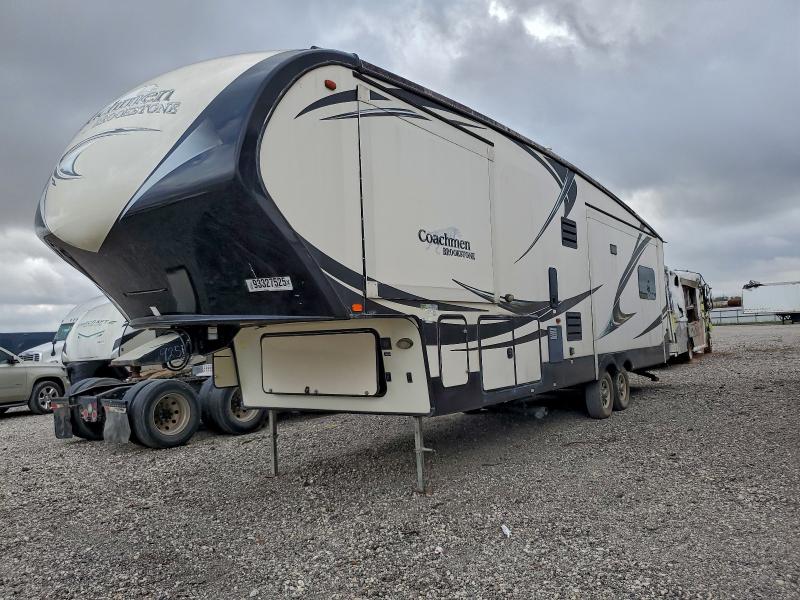
Clean Title
The clean title definition indicates that the vehicle has never been deemed a total loss but in some states a vehicle with clean title can have total loss history. it is the User’s responsibility 1) to check the car's history and any notes on salvage records or Total loss ( for example NMVTIS report) 2) to verify with their specific state or jurisdiction that the vehicle can be legally titled and registered.We cannot guarantee that any vehicle purchased through our site will be able to be reconstructed or titled in any specific state or country. We are not responsible for any difficulties in passing inspection and registering your car in your state. Please get more info about the reconstruction process before purchasing any vehicle. Each state has different guidelines for salvage titles.
933275255ZT3BKYBXEA3092560
Side
Clean
93327525
5ZT3BKYBXEA309256
0
Side
Clean
7/13/2026, 4:00:00 PM
$30
$4,250
$30
$4,250
07/13/2026
Clean Title
The clean title definition indicates that the vehicle has never been deemed a total loss but in some states a vehicle with clean title can have total loss history. it is the User’s responsibility 1) to check the car's history and any notes on salvage records or Total loss ( for example NMVTIS report) 2) to verify with their specific state or jurisdiction that the vehicle can be legally titled and registered.We cannot guarantee that any vehicle purchased through our site will be able to be reconstructed or titled in any specific state or country. We are not responsible for any difficulties in passing inspection and registering your car in your state. Please get more info about the reconstruction process before purchasing any vehicle. Each state has different guidelines for salvage titles.
908634751NNVA4012SM2530930
Normal Wear
Clean
90863475
1NNVA4012SM253093
0
Normal Wear
Clean
7/13/2026, 4:00:00 PM
$0
$0
07/13/2026
Run & Drive
When a vehicle arrives at an auction’s yard, the auction confirms that the vehicle starts, can be put into gear and can move forward under its own power. These functions are not guaranteed at pickup or delivery, and the vehicle may not be roadworthy.
Clean Title
The clean title definition indicates that the vehicle has never been deemed a total loss but in some states a vehicle with clean title can have total loss history. it is the User’s responsibility 1) to check the car's history and any notes on salvage records or Total loss ( for example NMVTIS report) 2) to verify with their specific state or jurisdiction that the vehicle can be legally titled and registered.We cannot guarantee that any vehicle purchased through our site will be able to be reconstructed or titled in any specific state or country. We are not responsible for any difficulties in passing inspection and registering your car in your state. Please get more info about the reconstruction process before purchasing any vehicle. Each state has different guidelines for salvage titles.
906162651JJV281N8SL283815190,903
Front End
Clean
90616265
1JJV281N8SL283815
190,903
Front End
Clean
7/13/2026, 4:00:00 PM
$0
$0
07/13/2026
Clean Title
The clean title definition indicates that the vehicle has never been deemed a total loss but in some states a vehicle with clean title can have total loss history. it is the User’s responsibility 1) to check the car's history and any notes on salvage records or Total loss ( for example NMVTIS report) 2) to verify with their specific state or jurisdiction that the vehicle can be legally titled and registered.We cannot guarantee that any vehicle purchased through our site will be able to be reconstructed or titled in any specific state or country. We are not responsible for any difficulties in passing inspection and registering your car in your state. Please get more info about the reconstruction process before purchasing any vehicle. Each state has different guidelines for salvage titles.
748499054P53F4925S14204270
Minor Dent/Scratches
Clean
74849905
4P53F4925S1420427
0
Minor Dent/Scratches
Clean
7/13/2026, 4:00:00 PM
$0
$9,950
$0
$9,950
07/13/2026
Clean Title
The clean title definition indicates that the vehicle has never been deemed a total loss but in some states a vehicle with clean title can have total loss history. it is the User’s responsibility 1) to check the car's history and any notes on salvage records or Total loss ( for example NMVTIS report) 2) to verify with their specific state or jurisdiction that the vehicle can be legally titled and registered.We cannot guarantee that any vehicle purchased through our site will be able to be reconstructed or titled in any specific state or country. We are not responsible for any difficulties in passing inspection and registering your car in your state. Please get more info about the reconstruction process before purchasing any vehicle. Each state has different guidelines for salvage titles.
906175251NNVA2815LM1376690
Normal Wear
Clean
90617525
1NNVA2815LM137669
0
Normal Wear
Clean
7/13/2026, 4:00:00 PM
$0
$0
07/13/2026
Clean Title
The clean title definition indicates that the vehicle has never been deemed a total loss but in some states a vehicle with clean title can have total loss history. it is the User’s responsibility 1) to check the car's history and any notes on salvage records or Total loss ( for example NMVTIS report) 2) to verify with their specific state or jurisdiction that the vehicle can be legally titled and registered.We cannot guarantee that any vehicle purchased through our site will be able to be reconstructed or titled in any specific state or country. We are not responsible for any difficulties in passing inspection and registering your car in your state. Please get more info about the reconstruction process before purchasing any vehicle. Each state has different guidelines for salvage titles.
76017495WA1BAAFY4M2010205125,243
Minor Dent/Scratches
Clean
76017495
WA1BAAFY4M2010205
125,243
Minor Dent/Scratches
Clean
7/13/2026, 4:00:00 PM
$0
$13,200
$0
$13,200
07/13/2026
Clean Title
The clean title definition indicates that the vehicle has never been deemed a total loss but in some states a vehicle with clean title can have total loss history. it is the User’s responsibility 1) to check the car's history and any notes on salvage records or Total loss ( for example NMVTIS report) 2) to verify with their specific state or jurisdiction that the vehicle can be legally titled and registered.We cannot guarantee that any vehicle purchased through our site will be able to be reconstructed or titled in any specific state or country. We are not responsible for any difficulties in passing inspection and registering your car in your state. Please get more info about the reconstruction process before purchasing any vehicle. Each state has different guidelines for salvage titles.
75762075SADCK2BV2HA894931116,039
Mechanical
Clean
75762075
SADCK2BV2HA894931
116,039
Mechanical
Clean
7/13/2026, 4:00:00 PM
$0
$0
07/13/2026
Clean Title
The clean title definition indicates that the vehicle has never been deemed a total loss but in some states a vehicle with clean title can have total loss history. it is the User’s responsibility 1) to check the car's history and any notes on salvage records or Total loss ( for example NMVTIS report) 2) to verify with their specific state or jurisdiction that the vehicle can be legally titled and registered.We cannot guarantee that any vehicle purchased through our site will be able to be reconstructed or titled in any specific state or country. We are not responsible for any difficulties in passing inspection and registering your car in your state. Please get more info about the reconstruction process before purchasing any vehicle. Each state has different guidelines for salvage titles.
794912152LMPJ6LR6GBL60648134,670
Front End
Clean
79491215
2LMPJ6LR6GBL60648
134,670
Front End
Clean
7/13/2026, 4:00:00 PM
$0
$2,750
$0
$2,750
07/13/2026
Run & Drive
When a vehicle arrives at an auction’s yard, the auction confirms that the vehicle starts, can be put into gear and can move forward under its own power. These functions are not guaranteed at pickup or delivery, and the vehicle may not be roadworthy.
Clean Title
The clean title definition indicates that the vehicle has never been deemed a total loss but in some states a vehicle with clean title can have total loss history. it is the User’s responsibility 1) to check the car's history and any notes on salvage records or Total loss ( for example NMVTIS report) 2) to verify with their specific state or jurisdiction that the vehicle can be legally titled and registered.We cannot guarantee that any vehicle purchased through our site will be able to be reconstructed or titled in any specific state or country. We are not responsible for any difficulties in passing inspection and registering your car in your state. Please get more info about the reconstruction process before purchasing any vehicle. Each state has different guidelines for salvage titles.
794913451N4BL4DV3PN33671291,261
Front End
Clean
79491345
1N4BL4DV3PN336712
91,261
Front End
Clean
7/13/2026, 4:00:00 PM
$0
$7,500
$0
$7,500
07/13/2026
Run & Drive
When a vehicle arrives at an auction’s yard, the auction confirms that the vehicle starts, can be put into gear and can move forward under its own power. These functions are not guaranteed at pickup or delivery, and the vehicle may not be roadworthy.
813091155J6TF1H51EL000364149,726
Front End
Salvage
81309115
5J6TF1H51EL000364
149,726
Front End
Salvage
7/13/2026, 4:00:00 PM
$100
$100
07/13/2026
Clean Title
The clean title definition indicates that the vehicle has never been deemed a total loss but in some states a vehicle with clean title can have total loss history. it is the User’s responsibility 1) to check the car's history and any notes on salvage records or Total loss ( for example NMVTIS report) 2) to verify with their specific state or jurisdiction that the vehicle can be legally titled and registered.We cannot guarantee that any vehicle purchased through our site will be able to be reconstructed or titled in any specific state or country. We are not responsible for any difficulties in passing inspection and registering your car in your state. Please get more info about the reconstruction process before purchasing any vehicle. Each state has different guidelines for salvage titles.
459159061FTEW1CGXJFA05871226,574
Front End
Clean
45915906
1FTEW1CGXJFA05871
226,574
Front End
Clean
7/13/2026, 4:00:00 PM
$0
$4,950
$0
$4,950
07/13/2026
Clean Title
The clean title definition indicates that the vehicle has never been deemed a total loss but in some states a vehicle with clean title can have total loss history. it is the User’s responsibility 1) to check the car's history and any notes on salvage records or Total loss ( for example NMVTIS report) 2) to verify with their specific state or jurisdiction that the vehicle can be legally titled and registered.We cannot guarantee that any vehicle purchased through our site will be able to be reconstructed or titled in any specific state or country. We are not responsible for any difficulties in passing inspection and registering your car in your state. Please get more info about the reconstruction process before purchasing any vehicle. Each state has different guidelines for salvage titles.
45916686JTNKHMBXXK1034748218,866
Minor Dent/Scratches
Clean
45916686
JTNKHMBXXK1034748
218,866
Minor Dent/Scratches
Clean
7/13/2026, 4:00:00 PM
$0
$4,850
$0
$4,850
07/13/2026
Clean Title
The clean title definition indicates that the vehicle has never been deemed a total loss but in some states a vehicle with clean title can have total loss history. it is the User’s responsibility 1) to check the car's history and any notes on salvage records or Total loss ( for example NMVTIS report) 2) to verify with their specific state or jurisdiction that the vehicle can be legally titled and registered.We cannot guarantee that any vehicle purchased through our site will be able to be reconstructed or titled in any specific state or country. We are not responsible for any difficulties in passing inspection and registering your car in your state. Please get more info about the reconstruction process before purchasing any vehicle. Each state has different guidelines for salvage titles.
465750561FT8W3DT0MED43682371,024
Rear End
Clean
46575056
1FT8W3DT0MED43682
371,024
Rear End
Clean
7/13/2026, 4:00:00 PM
$0
$11,500
$0
$11,500
07/13/2026
Clean Title
The clean title definition indicates that the vehicle has never been deemed a total loss but in some states a vehicle with clean title can have total loss history. it is the User’s responsibility 1) to check the car's history and any notes on salvage records or Total loss ( for example NMVTIS report) 2) to verify with their specific state or jurisdiction that the vehicle can be legally titled and registered.We cannot guarantee that any vehicle purchased through our site will be able to be reconstructed or titled in any specific state or country. We are not responsible for any difficulties in passing inspection and registering your car in your state. Please get more info about the reconstruction process before purchasing any vehicle. Each state has different guidelines for salvage titles.
459160461FT7X2A61KED150330
Front End
Clean
45916046
1FT7X2A61KED15033
0
Front End
Clean
7/13/2026, 4:00:00 PM
$0
$4,900
$0
$4,900
07/13/2026
Salvage Cars for Sale in Houston, TX — Wrecked & Repairable Vehicle Auctions Near You
Houston is home to one of the largest and most active salvage car markets in the United States — five auction days per week, direct Gulf Coast export access, and a constant supply of repairable vehicles from storm damage, collision, and fleet turnover. This guide covers everything a Houston buyer needs: how Texas salvage titles work, where to inspect vehicles before bidding, what damage types to target, and how to calculate a budget that actually protects your money.
What Is a Salvage Car and How Does Texas Define It?
A salvage car is a vehicle an insurance company has declared a total loss — meaning the cost of repairs, combined with the vehicle's salvage value, equals or exceeds its actual cash value before the damage. Texas uses a Total Loss Formula (TLF) rather than a fixed percentage threshold, so the determination depends on the specific economics of each vehicle rather than a single cutoff number.
Once a vehicle receives a Texas salvage title, it cannot be driven on public roads until it is fully repaired and passes an anti-theft inspection at an authorized Texas DPS station. After passing, the owner submits Form VTR-61 to TxDMV along with documentation of all component parts used in the rebuild. The vehicle then receives a "Rebuilt Salvage" title — a permanent designation that follows it through all subsequent title transfers in Texas and other states.
Texas also recognizes a nonrepairable title for vehicles so severely damaged they can only be used for parts or scrap. A nonrepairable vehicle can never be registered or driven again in Texas under any circumstances. Confirming which title type applies to a vehicle — salvage or nonrepairable — is the most important step before placing any bid.
How Do Salvage Car Auctions Work in Houston?
BidNDrive is a licensed auto broker that gives public buyers access to vehicles at Copart and IAAI auction houses throughout Houston — no dealer license required. You register for free, browse listings filtered by damage type, make, or price, and set a maximum bid. The platform manages live auction bidding on your behalf up to that ceiling.
To participate in a live auction, a refundable security deposit of 10% of your intended maximum bid is required, with a minimum of $600. That deposit is returned after the auction ends whether you win or not. Payment on a won vehicle is due within 24–48 hours. After payment clears, you arrange pickup or coordinate shipping from the yard.
Houston's auction infrastructure is exceptional. IAA Houston holds Wednesday auctions at 9:30am CT with preview available Tuesday from 10am to 2pm. IAA Houston-North runs Thursday auctions at 9:30am CT with preview Wednesday. IAA Houston South runs Friday auctions at 9:30am CT with preview Thursday. Copart Houston at 1655 Rankin Road (phone: 281-214-7800) and Copart Houston East provide additional weekly sale days — giving Houston buyers five or more separate auction opportunities every week across different yards and different inventory pools.
Where Can You Inspect Salvage Cars Near Houston Before Bidding?
Physical inspection is available at all Houston-area auction yards up to one hour before each sale ends. IAA Houston's preview window runs Tuesday from 10am to 2pm. IAA Houston-North previews on Wednesday from 10am to 2pm. Copart Houston and Copart Houston East both allow preview before each weekly sale — contact the branch at (281) 214-7800 to confirm the current preview schedule before visiting.
If in-person inspection isn't possible, order the third-party inspection report directly from the lot listing page. This report covers engine running condition, suspension components, electrical system functionality, and full photographic documentation of exterior and interior damage. For Houston listings specifically, request documentation of any undercarriage rust or water intrusion evidence — flood damage from Gulf Coast storms can appear in Houston auction yards in volume after major events, and standard lot photos often don't capture water line indicators inside door sills or corrosion on electrical connectors.
Order the inspection report at least three days before the auction closes. For export-oriented buyers, an inspection report combined with a full vehicle history report is the minimum documentation you should have before bidding on any Houston listing for international shipment.
What Types of Wrecked Cars Are Most Common at Houston Auctions?
Ford F-150 dominates Houston auction listings — consistently the highest-volume model across all five area yards. Houston's construction sector, oil and gas industry, and suburban driving culture produce exceptionally high F-150 ownership, and salvage F-150 units appear with collision, hail, and flood damage at rates that give buyers multiple opportunities to find the right condition and price point every week. Parts availability for F-150 in Houston is better than virtually anywhere else in the country.
Chevrolet Silverado, Ram 1500, GMC Sierra, and Toyota Tundra follow closely in the truck category. For SUVs, Jeep Wrangler, Ford Expedition, Chevrolet Tahoe, and Toyota RAV4 are consistently listed. Toyota Camry, Honda CR-V, and Honda Accord lead the mainstream sedan and crossover categories. Tesla Model 3 and Model Y are increasingly present as Houston's EV market grows. BMW, Mercedes-Benz, and Lexus appear at above-average rates at yards serving The Woodlands, Sugar Land, and other affluent Houston suburbs.
Motorcycles, boats, and ATVs also surface at Houston auction yards — Florida-level recreational vehicle inventory doesn't appear here, but buyers targeting anything beyond standard passenger vehicles will find more options in Houston than in most Texas markets outside Dallas-Fort Worth.
What Makes Houston's Salvage Market Different From Other Texas Cities?
The Port of Houston is the defining feature that separates Houston from every other Texas salvage market. It is the largest port in the United States by foreign waterborne tonnage and one of the most active vehicle export terminals in the Western Hemisphere. Vehicles purchased at Houston area yards can reach Mexico, Central America, and West Africa faster and more cheaply than from any other US auction market outside Miami. For export-oriented buyers, Houston's logistics chain is unmatched.
Hail damage is Houston's seasonal value category. The DFW hail corridor extends southeast through Houston's northern suburbs, and spring and early summer storms regularly push cosmetically damaged but mechanically sound vehicles into Houston auction yards. A hail-damaged Chevrolet Equinox or Toyota Camry that runs and drives perfectly is often a better buy than a collision vehicle at the same price — and PDR shops throughout Houston handle hail restoration at competitive rates.
Hurricane exposure gives Houston a category of inventory that most markets don't have: post-storm flood vehicles in volume. After major Gulf Coast events, Houston yards see flood inventory that can temporarily represent the largest concentration of water-damaged vehicles in any single US market. For buyers with flood vehicle expertise, this creates opportunity. For buyers without that expertise, it creates risk. The distinction between a Salvage Flood listing and standard collision inventory needs to be clear before you bid on any Houston listing during storm season.
Can You Buy Salvage Cars in Houston Without a Dealer License?
Yes — BidNDrive auctions are fully open to public buyers without a dealer license. Registration is free and takes minutes. You can sign up directly or use an existing Google or Facebook account. There are no membership fees and no recurring charges.
The only financial requirement to bid is a refundable security deposit of 10% of your intended maximum bid, with a minimum of $600. This deposit is returned after the auction ends regardless of outcome. Once you're registered and your deposit is in place, you can browse live auction listings across all Houston yards and place bids through BidNDrive's platform.
BidNDrive's team is available Monday through Friday during business hours to answer questions about listings, the inspection process, payment, or title transfer. The FAQ section covers the most common buyer questions — from how deposits work to what happens after winning.
How Do You Calculate a Smart Budget for a Houston Salvage Car?
The hammer price is the starting point, not the final number. Every Houston salvage purchase budget needs to include: buyer's premium (typically 10–25% on top of hammer price), transportation from the yard to your repair facility, repair costs from at least two independent shops, the TxDMV rebuilt title fee of $65.25, and any storage charges if the vehicle isn't picked up promptly.
For the rebuild process itself: after repairs, bring the vehicle to a Texas DPS Authorized Inspector for the anti-theft inspection. Prepare Form VTR-61 (Rebuilt Vehicle Statement) documenting all component parts used, along with bills of sale for those parts. Submit the completed VTR-61, the salvage title, Form 130-U (Application for Texas Certificate of Title), and the $65.25 fee to TxDMV. Questions about the process can be directed to TxDMV at (888) 368-4689 or txdmv.gov.
Apply the 60–65% rule: your total all-in cost should not exceed 60–65% of the vehicle's clean-title market value. If a comparable clean-title F-150 sells for $28,000 in the Houston market, your total investment in the salvage equivalent — hammer price plus every fee and repair dollar — should stay at or below $18,200. This rule protects your margin whether you're keeping the vehicle, reselling it locally, or shipping it through Port of Houston.
What Damage Types Offer the Best Value at Houston Auctions?
Hail damage is the strongest value category in Houston's auction market. Spring storm seasons push cosmetically damaged but mechanically intact vehicles into yards consistently, and the 60%+ price discount versus comparable clean-title vehicles is achievable on hail inventory without the structural risk that collision vehicles carry. Request an inspection report specifically checking for any collision damage that may have occurred alongside the hail event — occasionally a vehicle sustains both.
Collision damage is the most common type overall and the most predictable to price. Front-end and rear-end impacts typically involve bolt-on components with well-established parts pricing at Houston's enormous body shop network. The critical variable is always frame integrity — structural damage on any unibody vehicle changes the rebuild economics significantly. Make frame assessment the first line item in any inspection report for collision vehicles.
Flood damage is Houston's highest-risk category. Gulf Coast hurricane and tropical storm events push flood inventory into Houston yards in concentrations that don't exist in landlocked markets. Electrical failures, corrosion, and mechanical deterioration from flood exposure can surface months after purchase. Unless you have direct experience assessing flood vehicles — including electrical harness inspection, ECU condition checks, and long-term corrosion assessment — treat flood inventory as specialist territory and prioritize collision and hail listings instead.
Theft recovery vehicles appear regularly at Houston yards and frequently represent excellent value. Many are recovered quickly with minimal actual damage and carry a salvage designation simply because the insurance payout was processed. Inspect theft recovery units carefully for missing components and any damage sustained during the theft or recovery.
What Are the Pros and Cons of Buying Salvage Cars in Houston?
On the upside: Houston's five-auction-per-week schedule gives buyers more weekly opportunities than any market outside Los Angeles. The Port of Houston makes this the premier US city for export-oriented buyers targeting Mexico, Central America, and West Africa. Repair infrastructure across the metro — hundreds of independent body shops, import specialists, and domestic brand facilities — is among the deepest in Texas. And hail season delivers genuinely excellent seasonal value on a predictable annual schedule.
On the downside: Hurricane flood inventory requires specialist knowledge that casual buyers shouldn't apply casually. The metro's traffic and geographic spread mean that a vehicle at Copart Houston East and a repair shop in Katy may be an hour apart in Houston traffic — factor logistics realistically. And as in all states, financing for salvage vehicles is difficult and rebuilt titles carry a permanent resale discount versus clean-title equivalents.
Key Things to Remember Before Your First Houston Auction Bid
- No dealer license needed — BidNDrive open to all public buyers in Texas
- Free registration; refundable 10% deposit required, minimum $600
- Texas uses Total Loss Formula — no fixed % threshold
- Confirm salvage vs. nonrepairable title before bidding — nonrepairable cannot be registered in TX ever
- Five auction days per week across Houston yards: IAA Wed/Thu/Fri + Copart multiple days
- After repair: DPS anti-theft inspection → Form VTR-61 → Form 130-U → TxDMV ($65.25 fee)
- Hail season (spring/early summer): best value buying window for Houston inventory
- Hurricane flood inventory: requires specialist assessment — not for inexperienced buyers
- Port of Houston: premier US export facility for Latin America and Mexico
- TxDMV: (888) 368-4689 | txdmv.gov