
Vehicle Finder
Popular Makes
- Ford29,310
- Toyota29,246
- Chevrolet25,265
- Honda21,516
- Nissan18,853
- Hyundai13,135
- Kia10,605
- Jeep9,229
- Dodge7,383
- Subaru6,132
- Gmc6,129
- Bmw5,812
- Mercedes-Benz5,593
- Volkswagen5,067
- Lexus4,464
- Ram4,228
- Mazda4,113
- Audi3,527
- Buick3,240
- Chrysler3,122
- Cadillac2,496
- Acura2,445
- Infiniti2,316
- Tesla2,305
- Mitsubishi1,759
- Land Rover1,531
- Volvo1,512
- Lincoln1,375
Vehicle Types
7 am to 6 pm EST Mon - Fri


7 am to 6 pm EST Mon - Fri
- Ford29,310
- Toyota29,246
- Chevrolet25,265
- Honda21,516
- Nissan18,853
- Hyundai13,135
- Kia10,605
- Jeep9,229
- Dodge7,383
- Subaru6,132
- Gmc6,129
- Bmw5,812
- Mercedes-Benz5,593
- Volkswagen5,067
- Lexus4,464
- Ram4,228
- Mazda4,113
- Audi3,527
- Buick3,240
- Chrysler3,122
- Cadillac2,496
- Acura2,445
- Infiniti2,316
- Tesla2,305
- Mitsubishi1,759
- Land Rover1,531
- Volvo1,512
- Lincoln1,375
Salvage cars with Stripped damage for sale

Do You Have
Any Questions?
Ask Question 
Showing result: 145 - 168 of 268
Sale Date (recent)


Clean Title
The clean title definition indicates that the vehicle has never been deemed a total loss but in some states a vehicle with clean title can have total loss history. it is the User’s responsibility 1) to check the car's history and any notes on salvage records or Total loss ( for example NMVTIS report) 2) to verify with their specific state or jurisdiction that the vehicle can be legally titled and registered.We cannot guarantee that any vehicle purchased through our site will be able to be reconstructed or titled in any specific state or country. We are not responsible for any difficulties in passing inspection and registering your car in your state. Please get more info about the reconstruction process before purchasing any vehicle. Each state has different guidelines for salvage titles.
55942126KMHTC6AD1HU31771558,993
Stripped
Clean
55942126
KMHTC6AD1HU317715
58,993
Stripped
Clean
6/9/2026, 2:00:00 PM
$0
$1,350
$0
$1,350
06/09/2026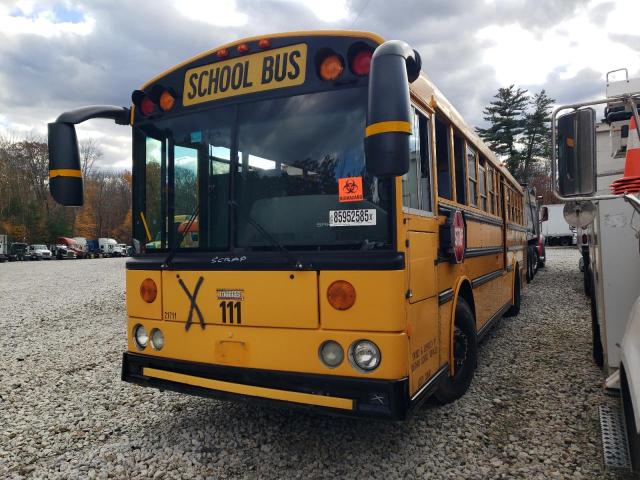
Clean Title
The clean title definition indicates that the vehicle has never been deemed a total loss but in some states a vehicle with clean title can have total loss history. it is the User’s responsibility 1) to check the car's history and any notes on salvage records or Total loss ( for example NMVTIS report) 2) to verify with their specific state or jurisdiction that the vehicle can be legally titled and registered.We cannot guarantee that any vehicle purchased through our site will be able to be reconstructed or titled in any specific state or country. We are not responsible for any difficulties in passing inspection and registering your car in your state. Please get more info about the reconstruction process before purchasing any vehicle. Each state has different guidelines for salvage titles.
859525851T7YN4E20C11501020
Stripped
Clean
85952585
1T7YN4E20C1150102
0
Stripped
Clean
6/9/2026, 3:00:00 PM
$0
$2,500
$0
$2,500
06/09/2026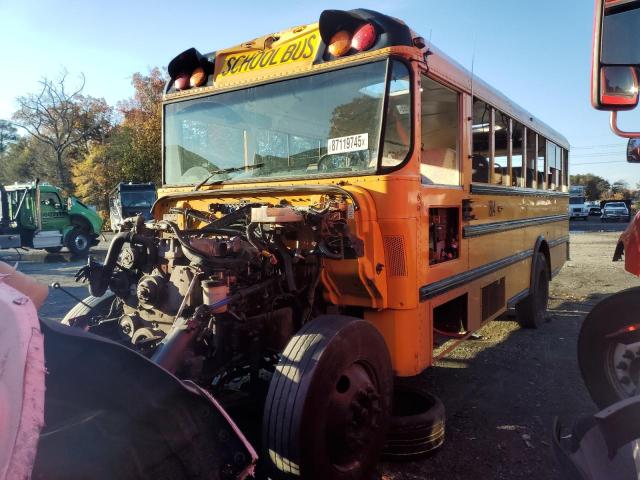
Clean Title
The clean title definition indicates that the vehicle has never been deemed a total loss but in some states a vehicle with clean title can have total loss history. it is the User’s responsibility 1) to check the car's history and any notes on salvage records or Total loss ( for example NMVTIS report) 2) to verify with their specific state or jurisdiction that the vehicle can be legally titled and registered.We cannot guarantee that any vehicle purchased through our site will be able to be reconstructed or titled in any specific state or country. We are not responsible for any difficulties in passing inspection and registering your car in your state. Please get more info about the reconstruction process before purchasing any vehicle. Each state has different guidelines for salvage titles.
871197454DRBUAAP6FB6434750
Stripped
Clean
87119745
4DRBUAAP6FB643475
0
Stripped
Clean
6/9/2026, 3:00:00 PM
$0
$1,100
$0
$1,100
06/09/2026
Clean Title
The clean title definition indicates that the vehicle has never been deemed a total loss but in some states a vehicle with clean title can have total loss history. it is the User’s responsibility 1) to check the car's history and any notes on salvage records or Total loss ( for example NMVTIS report) 2) to verify with their specific state or jurisdiction that the vehicle can be legally titled and registered.We cannot guarantee that any vehicle purchased through our site will be able to be reconstructed or titled in any specific state or country. We are not responsible for any difficulties in passing inspection and registering your car in your state. Please get more info about the reconstruction process before purchasing any vehicle. Each state has different guidelines for salvage titles.
513084864X4TWDD2XBR3404390
Stripped
Clean
51308486
4X4TWDD2XBR340439
0
Stripped
Clean
6/9/2026, 3:00:00 PM
$0
$1,350
$0
$1,350
06/09/2026
Clean Title
The clean title definition indicates that the vehicle has never been deemed a total loss but in some states a vehicle with clean title can have total loss history. it is the User’s responsibility 1) to check the car's history and any notes on salvage records or Total loss ( for example NMVTIS report) 2) to verify with their specific state or jurisdiction that the vehicle can be legally titled and registered.We cannot guarantee that any vehicle purchased through our site will be able to be reconstructed or titled in any specific state or country. We are not responsible for any difficulties in passing inspection and registering your car in your state. Please get more info about the reconstruction process before purchasing any vehicle. Each state has different guidelines for salvage titles.
506167561XPBA48X8FD2993950
Stripped
Clean
50616756
1XPBA48X8FD299395
0
Stripped
Clean
6/9/2026, 3:00:00 PM
$0
$0
06/09/2026
Clean Title
The clean title definition indicates that the vehicle has never been deemed a total loss but in some states a vehicle with clean title can have total loss history. it is the User’s responsibility 1) to check the car's history and any notes on salvage records or Total loss ( for example NMVTIS report) 2) to verify with their specific state or jurisdiction that the vehicle can be legally titled and registered.We cannot guarantee that any vehicle purchased through our site will be able to be reconstructed or titled in any specific state or country. We are not responsible for any difficulties in passing inspection and registering your car in your state. Please get more info about the reconstruction process before purchasing any vehicle. Each state has different guidelines for salvage titles.
506739464VZEM7197XC03018332,359
Stripped
Clean
50673946
4VZEM7197XC030183
32,359
Stripped
Clean
6/9/2026, 3:00:00 PM
$0
$1,400
$0
$1,400
06/09/2026
Clean Title
The clean title definition indicates that the vehicle has never been deemed a total loss but in some states a vehicle with clean title can have total loss history. it is the User’s responsibility 1) to check the car's history and any notes on salvage records or Total loss ( for example NMVTIS report) 2) to verify with their specific state or jurisdiction that the vehicle can be legally titled and registered.We cannot guarantee that any vehicle purchased through our site will be able to be reconstructed or titled in any specific state or country. We are not responsible for any difficulties in passing inspection and registering your car in your state. Please get more info about the reconstruction process before purchasing any vehicle. Each state has different guidelines for salvage titles.
520370461FDUF4GY0DEB004450
Stripped
Clean
52037046
1FDUF4GY0DEB00445
0
Stripped
Clean
6/9/2026, 3:00:00 PM
$0
$2,000
$0
$2,000
06/09/2026
Clean Title
The clean title definition indicates that the vehicle has never been deemed a total loss but in some states a vehicle with clean title can have total loss history. it is the User’s responsibility 1) to check the car's history and any notes on salvage records or Total loss ( for example NMVTIS report) 2) to verify with their specific state or jurisdiction that the vehicle can be legally titled and registered.We cannot guarantee that any vehicle purchased through our site will be able to be reconstructed or titled in any specific state or country. We are not responsible for any difficulties in passing inspection and registering your car in your state. Please get more info about the reconstruction process before purchasing any vehicle. Each state has different guidelines for salvage titles.
5445647647CTS5K245J1616020
Stripped
Clean
54456476
47CTS5K245J161602
0
Stripped
Clean
6/9/2026, 3:00:00 PM
$0
$850
$0
$850
06/09/2026
Clean Title
The clean title definition indicates that the vehicle has never been deemed a total loss but in some states a vehicle with clean title can have total loss history. it is the User’s responsibility 1) to check the car's history and any notes on salvage records or Total loss ( for example NMVTIS report) 2) to verify with their specific state or jurisdiction that the vehicle can be legally titled and registered.We cannot guarantee that any vehicle purchased through our site will be able to be reconstructed or titled in any specific state or country. We are not responsible for any difficulties in passing inspection and registering your car in your state. Please get more info about the reconstruction process before purchasing any vehicle. Each state has different guidelines for salvage titles.
513280364V4NC9EJ4FN1832580
Stripped
Clean
51328036
4V4NC9EJ4FN183258
0
Stripped
Clean
6/9/2026, 3:00:00 PM
$0
$0
06/09/2026
Clean Title
The clean title definition indicates that the vehicle has never been deemed a total loss but in some states a vehicle with clean title can have total loss history. it is the User’s responsibility 1) to check the car's history and any notes on salvage records or Total loss ( for example NMVTIS report) 2) to verify with their specific state or jurisdiction that the vehicle can be legally titled and registered.We cannot guarantee that any vehicle purchased through our site will be able to be reconstructed or titled in any specific state or country. We are not responsible for any difficulties in passing inspection and registering your car in your state. Please get more info about the reconstruction process before purchasing any vehicle. Each state has different guidelines for salvage titles.
537673662NP2HJ7X2LM692157144,650
Stripped
Clean
53767366
2NP2HJ7X2LM692157
144,650
Stripped
Clean
6/9/2026, 3:00:00 PM
$10,200
$10,200
06/09/2026
Clean Title
The clean title definition indicates that the vehicle has never been deemed a total loss but in some states a vehicle with clean title can have total loss history. it is the User’s responsibility 1) to check the car's history and any notes on salvage records or Total loss ( for example NMVTIS report) 2) to verify with their specific state or jurisdiction that the vehicle can be legally titled and registered.We cannot guarantee that any vehicle purchased through our site will be able to be reconstructed or titled in any specific state or country. We are not responsible for any difficulties in passing inspection and registering your car in your state. Please get more info about the reconstruction process before purchasing any vehicle. Each state has different guidelines for salvage titles.
724671651BAKFCPA3CF2857470
Stripped
Clean
72467165
1BAKFCPA3CF285747
0
Stripped
Clean
6/9/2026, 3:00:00 PM
$0
$0
06/09/2026 481043461FT8W3BT7FEA75784
104,898
Stripped
Salvage
48104346
1FT8W3BT7FEA75784
104,898
Stripped
Salvage
6/9/2026, 4:00:00 PM
$0
$5,900
$0
$5,900
06/09/2026
Clean Title
The clean title definition indicates that the vehicle has never been deemed a total loss but in some states a vehicle with clean title can have total loss history. it is the User’s responsibility 1) to check the car's history and any notes on salvage records or Total loss ( for example NMVTIS report) 2) to verify with their specific state or jurisdiction that the vehicle can be legally titled and registered.We cannot guarantee that any vehicle purchased through our site will be able to be reconstructed or titled in any specific state or country. We are not responsible for any difficulties in passing inspection and registering your car in your state. Please get more info about the reconstruction process before purchasing any vehicle. Each state has different guidelines for salvage titles.
749801851C4PJMDB0EW1518270
Stripped
Clean
74980185
1C4PJMDB0EW151827
0
Stripped
Clean
6/9/2026, 4:00:00 PM
$0
$0
06/09/2026 928985953TMLB5JN3RM030876
0
Stripped
Salvage
92898595
3TMLB5JN3RM030876
0
Stripped
Salvage
6/9/2026, 4:00:00 PM
$0
$0
06/09/2026
Clean Title
The clean title definition indicates that the vehicle has never been deemed a total loss but in some states a vehicle with clean title can have total loss history. it is the User’s responsibility 1) to check the car's history and any notes on salvage records or Total loss ( for example NMVTIS report) 2) to verify with their specific state or jurisdiction that the vehicle can be legally titled and registered.We cannot guarantee that any vehicle purchased through our site will be able to be reconstructed or titled in any specific state or country. We are not responsible for any difficulties in passing inspection and registering your car in your state. Please get more info about the reconstruction process before purchasing any vehicle. Each state has different guidelines for salvage titles.
527875464T1BE32K73U222859157,009
Stripped
Clean
52787546
4T1BE32K73U222859
157,009
Stripped
Clean
6/9/2026, 4:00:00 PM
$0
$0
06/09/2026 468663462G1105S35J9112608
0
Stripped
Salvage
46866346
2G1105S35J9112608
0
Stripped
Salvage
6/9/2026, 4:00:00 PM
$0
$0
06/09/2026 75969665CCL447F512911
17,964
Stripped
Non-Repairable
75969665
CCL447F512911
17,964
Stripped
Non-Repairable
6/9/2026, 4:00:00 PM
$0
$0
06/09/2026
Clean Title
The clean title definition indicates that the vehicle has never been deemed a total loss but in some states a vehicle with clean title can have total loss history. it is the User’s responsibility 1) to check the car's history and any notes on salvage records or Total loss ( for example NMVTIS report) 2) to verify with their specific state or jurisdiction that the vehicle can be legally titled and registered.We cannot guarantee that any vehicle purchased through our site will be able to be reconstructed or titled in any specific state or country. We are not responsible for any difficulties in passing inspection and registering your car in your state. Please get more info about the reconstruction process before purchasing any vehicle. Each state has different guidelines for salvage titles.
554943161GCRKSE7XDZ1862630
Stripped
Clean
55494316
1GCRKSE7XDZ186263
0
Stripped
Clean
6/9/2026, 4:00:00 PM
$0
$1,150
$0
$1,150
06/09/2026 986266351GNSCGKC0HR343339
0
Stripped
Salvage
98626635
1GNSCGKC0HR343339
0
Stripped
Salvage
6/9/2026, 4:00:00 PM
$0
$0
06/09/2026 55465736CP1F29W26636
0
Stripped
Salvage
55465736
CP1F29W26636
0
Stripped
Salvage
6/9/2026, 4:00:00 PM
$0
$2,800
$0
$2,800
06/09/2026
Clean Title
The clean title definition indicates that the vehicle has never been deemed a total loss but in some states a vehicle with clean title can have total loss history. it is the User’s responsibility 1) to check the car's history and any notes on salvage records or Total loss ( for example NMVTIS report) 2) to verify with their specific state or jurisdiction that the vehicle can be legally titled and registered.We cannot guarantee that any vehicle purchased through our site will be able to be reconstructed or titled in any specific state or country. We are not responsible for any difficulties in passing inspection and registering your car in your state. Please get more info about the reconstruction process before purchasing any vehicle. Each state has different guidelines for salvage titles.
537122861FTCR11X5VTA415110
Stripped
Clean
53712286
1FTCR11X5VTA41511
0
Stripped
Clean
6/10/2026, 2:00:00 PM
$0
$550
$0
$550
06/10/2026
Clean Title
The clean title definition indicates that the vehicle has never been deemed a total loss but in some states a vehicle with clean title can have total loss history. it is the User’s responsibility 1) to check the car's history and any notes on salvage records or Total loss ( for example NMVTIS report) 2) to verify with their specific state or jurisdiction that the vehicle can be legally titled and registered.We cannot guarantee that any vehicle purchased through our site will be able to be reconstructed or titled in any specific state or country. We are not responsible for any difficulties in passing inspection and registering your car in your state. Please get more info about the reconstruction process before purchasing any vehicle. Each state has different guidelines for salvage titles.
551056164DRBUAFN66B2068570
Stripped
Clean
55105616
4DRBUAFN66B206857
0
Stripped
Clean
6/10/2026, 2:00:00 PM
$0
$0
06/10/2026
Clean Title
The clean title definition indicates that the vehicle has never been deemed a total loss but in some states a vehicle with clean title can have total loss history. it is the User’s responsibility 1) to check the car's history and any notes on salvage records or Total loss ( for example NMVTIS report) 2) to verify with their specific state or jurisdiction that the vehicle can be legally titled and registered.We cannot guarantee that any vehicle purchased through our site will be able to be reconstructed or titled in any specific state or country. We are not responsible for any difficulties in passing inspection and registering your car in your state. Please get more info about the reconstruction process before purchasing any vehicle. Each state has different guidelines for salvage titles.
54779656YV4A22PK7G10522890
Stripped
Clean
54779656
YV4A22PK7G1052289
0
Stripped
Clean
6/10/2026, 2:00:00 PM
$0
$0
06/10/2026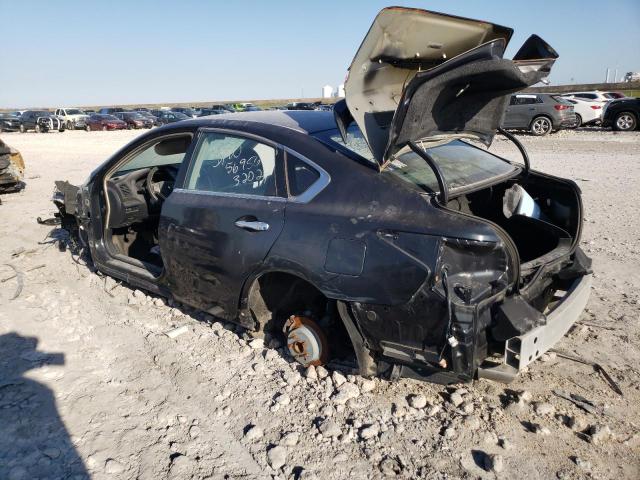 956303851N4AL3AP8DN452303
0
Stripped
Salvage
95630385
1N4AL3AP8DN452303
0
Stripped
Salvage
6/10/2026, 4:00:00 PM
$0
$0
06/10/2026
What is Stripped damage?
Stripped damage refers to the condition of a vehicle where significant parts or components essential for its operation and functionality have been removed or stripped away. This type of damage typically occurs when a vehicle has been dismantled or disassembled, often for salvage or parts harvesting purposes. At auctions, vehicles with stripped damage may be listed for sale, usually at lower prices reflecting their incomplete state. Potential buyers should exercise caution and thoroughly inspect such vehicles to assess the extent of missing parts and the feasibility of restoration before considering purchase.
What damage can be caused by Stripped damage?
Stripped damage refers to the removal of essential parts or components from a vehicle, leading to various types of harm and affecting its operability and value. Here are common manifestations and types of stripped damage:
Types of Stripped Damage:
Missing Parts:
- Engine components such as cylinder heads, pistons, or intake manifold.
- Transmission parts like gears, clutch assembly, or torque converter.
- Electrical components such as wiring harnesses, fuse boxes, or control modules.
- Interior components including seats, dashboard parts, or navigation systems.
Implications of Stripped Damage:
Operational Challenges:
- Incomplete vehicles may lack essential parts needed for operation, rendering them non-functional.
- Missing components can affect safety, reliability, and drivability.
Cosmetic and Structural Concerns:
- Vehicles with stripped damage often appear incomplete or disassembled, impacting their visual appeal and resale value.
- Structural integrity may be compromised if key structural components are removed, affecting safety and durability.
Repair and Restoration Costs:
- Restoring a vehicle with stripped damage can involve significant time and expense to source and replace missing parts.
- Labor costs for assembly and integration of components may be substantial.
Vehicles with stripped damage may be available for sale at auctions or suitable for export, often targeted at buyers looking for parts or restoration projects. Prospective buyers should conduct thorough inspections and assessments to understand the extent of missing parts and the feasibility of restoring the vehicle to operational condition before making purchasing decisions.
Advantages and Disadvantages of Buying a Car with Stripped damage
Buying a car with stripped damage presents both advantages and disadvantages that buyers should carefully consider:
Advantages:
- Lower Purchase Price: Vehicles with stripped damage are typically priced significantly lower than intact counterparts, offering potential savings.
- Parts Availability: The vehicle can serve as a source of parts for other projects or repairs, potentially reducing costs for future vehicle maintenance.
- Customization Potential: Some buyers may view stripped cars as blank canvases for customization or restoration, allowing for personalization according to preferences.
Disadvantages:
- Operational Challenges: Stripped vehicles often lack essential components necessary for operation, making them non-functional or requiring substantial investment to restore.
- Repair Costs: Restoring a vehicle with stripped damage can be costly and time-consuming, involving sourcing and replacing numerous missing parts.
- Resale Value: Even after restoration, the resale value of a vehicle with a history of stripped damage may be lower compared to similar fully intact vehicles.
Making an informed decision involves assessing the specific vehicle's condition, estimating restoration costs, and considering long-term implications for functionality and resale value. Prospective buyers should conduct thorough inspections and possibly consult with mechanics or experts in vehicle restoration before committing to purchase a car with stripped damage.
Where can I buy a car with Stripped damage?
Cars with Stripped damage can primarily be found at online auto auctions, notably at platforms like Copart and IAAI. These auctions frequently feature vehicles that have been involved in accidents, including those with Stripped damage.
If you're considering purchasing a car with Stripped damage, consider exploring bidndrive.com. This platform offers several advantages:
Combines Offers from Major Auctions:
bidndrive.com aggregates listings from various major auctions, providing you with a comprehensive selection of vehicles to choose from.
Wide Selection for Any Budget:
Whether you're looking for a budget-friendly option or a higher-end vehicle, bidndrive.com offers a wide range of cars with Stripped damage to suit different budgets and preferences.
Consider exploring bidndrive.com for your next purchase of a car with Stripped damage.
How can I buy a car with Stripped damage?
If you're looking to purchase a car with Stripped damage, Bidndrive is your best option for finding great deals from the USA. Here's why:
Best Deals:
Bidndrive offers some of the best deals on cars with Stripped damage from the United States. With savings reaching up to 70-80%, you can find incredible bargains on a wide range of vehicles.
Simple Buying Process:
The buying process with Bidndrive is straightforward and easy to follow:
1. Registration:
Create an account on Bidndrive's website to get started.
2.Deposit:
Make a deposit of 10% of your planned maximum bid (minimum $600) to participate in auctions.
3. Place a Bid:
Once registered and the deposit is made, you can start bidding on vehicles with Stripped damage that interest you.
4. Winning the Vehicle:
If your bid is successful, you'll be notified, and the vehicle will be yours to purchase.
5. Shipping to Your Home:
Bidndrive facilitates the shipping process, ensuring your purchased vehicle is delivered to your desired destination.
Bidndrive streamlines the purchasing process, making it convenient and accessible for buyers across America
Is it possible to register a car with Stripped damage in the United States?
Registering a car with stripped damage in the United States is generally challenging and often not straightforward due to various regulations and safety concerns. Here are key considerations:
-
State Regulations: Each state has its own regulations regarding vehicle safety and roadworthiness. Stripped damage typically renders a vehicle non-operational or incomplete, which may not meet state requirements for registration.
-
Safety and Emissions Inspections: Many states require vehicles to pass safety and emissions inspections before registration. A vehicle with stripped damage may lack essential components necessary to pass these inspections, such as headlights, brakes, or emission control systems.
-
Title Classification: If a vehicle has been significantly stripped, it may be classified as salvage or dismantled by the state's Department of Motor Vehicles (DMV). Salvage vehicles often require additional inspections and documentation before they can be registered for road use.
-
Insurance Coverage: Insurance companies may have restrictions or limitations on insuring vehicles with stripped damage, especially if it affects safety systems or structural integrity.
-
Vehicle History Disclosure: Sellers and buyers are legally required to disclose the vehicle's history, including any stripped damage, during transfers of ownership. This transparency ensures that future owners are aware of the vehicle's condition and its implications.
In summary, while it may technically be possible to register a car with stripped damage in some states under certain conditions, the process is complex and varies widely. Potential buyers should thoroughly research local regulations, consult with state authorities, and carefully assess the vehicle's condition and feasibility for road use before attempting to register a car with stripped damage in the United States.