
Vehicle Finder
Popular Makes
- Toyota30,175
- Ford30,152
- Chevrolet25,968
- Honda22,184
- Nissan19,342
- Hyundai13,525
- Kia10,949
- Jeep9,528
- Dodge7,595
- Subaru6,319
- Gmc6,308
- Bmw5,991
- Mercedes-Benz5,784
- Volkswagen5,230
- Lexus4,600
- Ram4,367
- Mazda4,255
- Audi3,631
- Buick3,341
- Chrysler3,198
- Cadillac2,563
- Acura2,528
- Tesla2,396
- Infiniti2,386
- Mitsubishi1,811
- Land Rover1,571
- Volvo1,565
- Lincoln1,417
Vehicle Types
7 am to 6 pm EST Mon - Fri


7 am to 6 pm EST Mon - Fri
- Toyota30,175
- Ford30,152
- Chevrolet25,968
- Honda22,184
- Nissan19,342
- Hyundai13,525
- Kia10,949
- Jeep9,528
- Dodge7,595
- Subaru6,319
- Gmc6,308
- Bmw5,991
- Mercedes-Benz5,784
- Volkswagen5,230
- Lexus4,600
- Ram4,367
- Mazda4,255
- Audi3,631
- Buick3,341
- Chrysler3,198
- Cadillac2,563
- Acura2,528
- Tesla2,396
- Infiniti2,386
- Mitsubishi1,811
- Land Rover1,571
- Volvo1,565
- Lincoln1,417
Salvage cars with Stripped damage for sale

Do You Have
Any Questions?
Ask Question 
Showing result: 169 - 192 of 275
Sale Date (recent)


Clean Title
The clean title definition indicates that the vehicle has never been deemed a total loss but in some states a vehicle with clean title can have total loss history. it is the User’s responsibility 1) to check the car's history and any notes on salvage records or Total loss ( for example NMVTIS report) 2) to verify with their specific state or jurisdiction that the vehicle can be legally titled and registered.We cannot guarantee that any vehicle purchased through our site will be able to be reconstructed or titled in any specific state or country. We are not responsible for any difficulties in passing inspection and registering your car in your state. Please get more info about the reconstruction process before purchasing any vehicle. Each state has different guidelines for salvage titles.
551056164DRBUAFN66B2068570
Stripped
Clean
55105616
4DRBUAFN66B206857
0
Stripped
Clean
6/10/2026, 2:00:00 PM
$0
$0
06/10/2026
Clean Title
The clean title definition indicates that the vehicle has never been deemed a total loss but in some states a vehicle with clean title can have total loss history. it is the User’s responsibility 1) to check the car's history and any notes on salvage records or Total loss ( for example NMVTIS report) 2) to verify with their specific state or jurisdiction that the vehicle can be legally titled and registered.We cannot guarantee that any vehicle purchased through our site will be able to be reconstructed or titled in any specific state or country. We are not responsible for any difficulties in passing inspection and registering your car in your state. Please get more info about the reconstruction process before purchasing any vehicle. Each state has different guidelines for salvage titles.
54779656YV4A22PK7G10522890
Stripped
Clean
54779656
YV4A22PK7G1052289
0
Stripped
Clean
6/10/2026, 2:00:00 PM
$0
$0
06/10/2026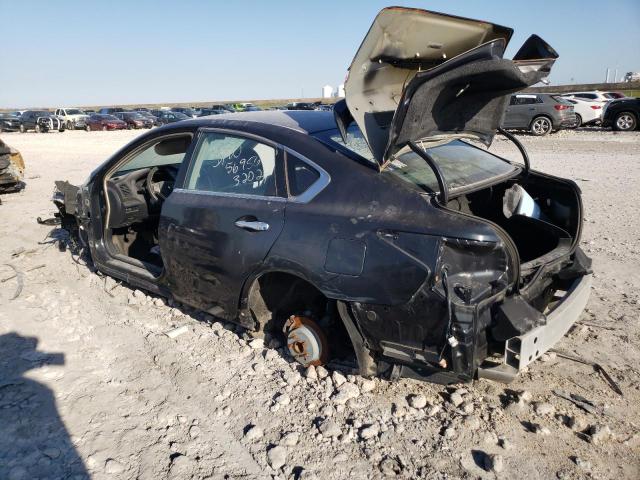 956303851N4AL3AP8DN452303
0
Stripped
Salvage
95630385
1N4AL3AP8DN452303
0
Stripped
Salvage
6/10/2026, 4:00:00 PM
$0
$0
06/10/2026
Clean Title
The clean title definition indicates that the vehicle has never been deemed a total loss but in some states a vehicle with clean title can have total loss history. it is the User’s responsibility 1) to check the car's history and any notes on salvage records or Total loss ( for example NMVTIS report) 2) to verify with their specific state or jurisdiction that the vehicle can be legally titled and registered.We cannot guarantee that any vehicle purchased through our site will be able to be reconstructed or titled in any specific state or country. We are not responsible for any difficulties in passing inspection and registering your car in your state. Please get more info about the reconstruction process before purchasing any vehicle. Each state has different guidelines for salvage titles.
46771446WA1DGAFE8FD016304284,028
Stripped
Clean
46771446
WA1DGAFE8FD016304
284,028
Stripped
Clean
6/11/2026, 4:00:00 PM
$0
$0
06/11/2026
Clean Title
The clean title definition indicates that the vehicle has never been deemed a total loss but in some states a vehicle with clean title can have total loss history. it is the User’s responsibility 1) to check the car's history and any notes on salvage records or Total loss ( for example NMVTIS report) 2) to verify with their specific state or jurisdiction that the vehicle can be legally titled and registered.We cannot guarantee that any vehicle purchased through our site will be able to be reconstructed or titled in any specific state or country. We are not responsible for any difficulties in passing inspection and registering your car in your state. Please get more info about the reconstruction process before purchasing any vehicle. Each state has different guidelines for salvage titles.
783132255LMCJ1D94NUL0107847,487
Stripped
Clean
78313225
5LMCJ1D94NUL01078
47,487
Stripped
Clean
6/12/2026, 2:00:00 PM
$0
$7,850
$0
$7,850
06/12/2026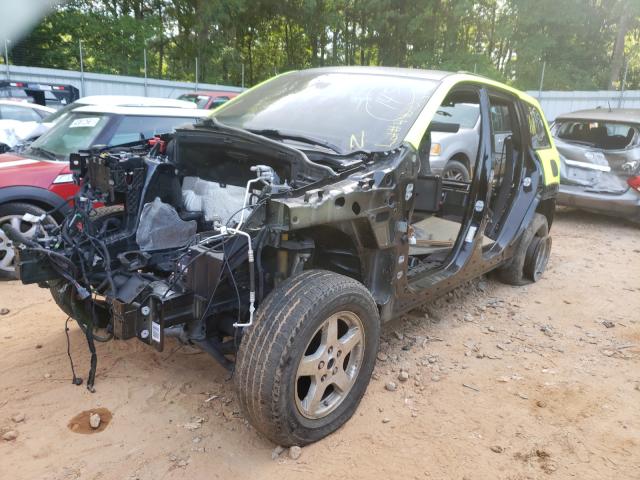 558997911C4RJFN99JC223538
0
Stripped
Non-Repairable
55899791
1C4RJFN99JC223538
0
Stripped
Non-Repairable
7/10/2026, 2:00:00 PM
$325
$325
07/10/2026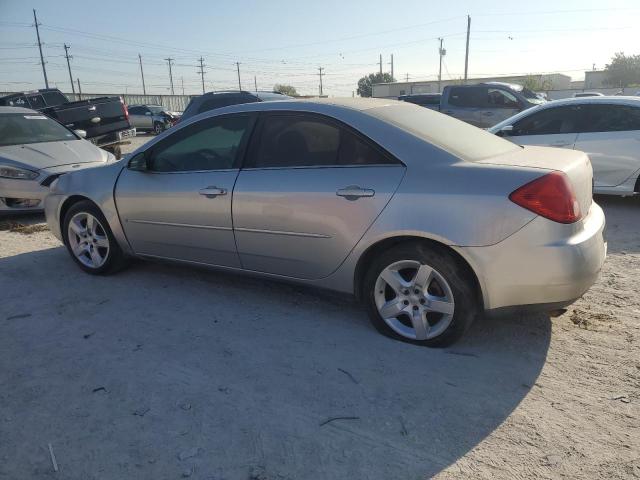 714379941G2ZG57B984206675
257,665
Stripped
Non-Repairable
71437994
1G2ZG57B984206675
257,665
Stripped
Non-Repairable
Not assigned
$0
$0
Not assigned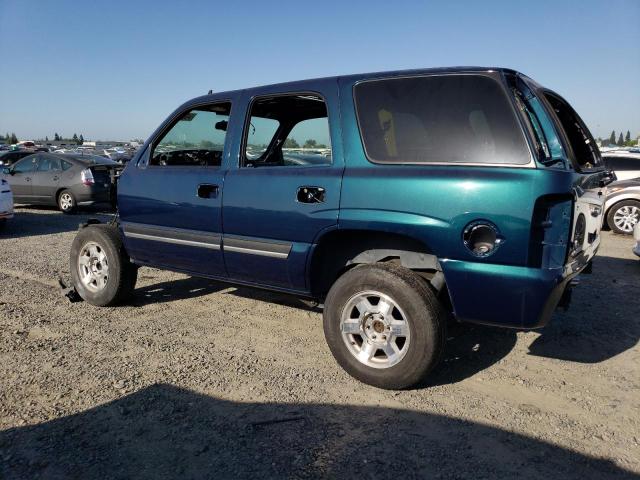 540091051GNEC13VX6R145830
0
Stripped
Salvage
54009105
1GNEC13VX6R145830
0
Stripped
Salvage
Not assigned
$0
$0
Not assigned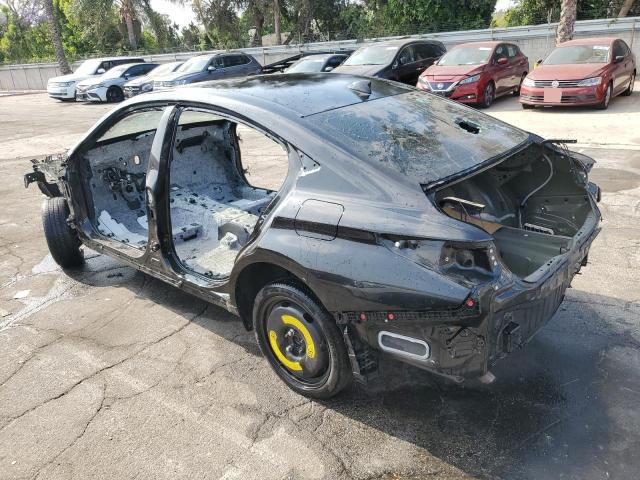 5932076558ADA1C18RU046453
0
Stripped
Non-Repairable
59320765
58ADA1C18RU046453
0
Stripped
Non-Repairable
Not assigned
$150
$150
Not assigned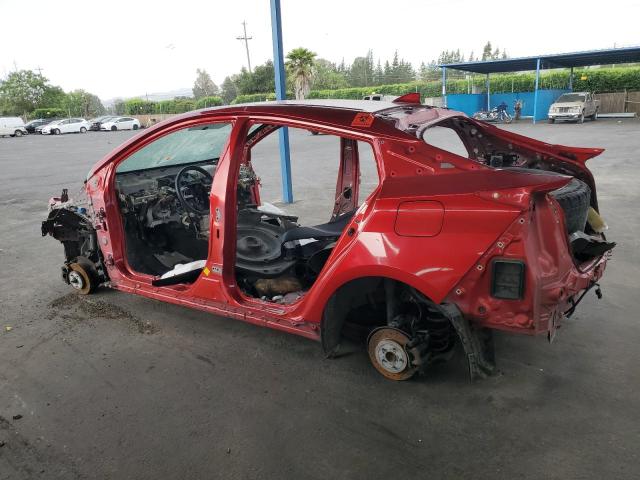 56628705JTDKBRFU4G3512936
0
Stripped
Non-Repairable
56628705
JTDKBRFU4G3512936
0
Stripped
Non-Repairable
Not assigned
$0
$0
Not assigned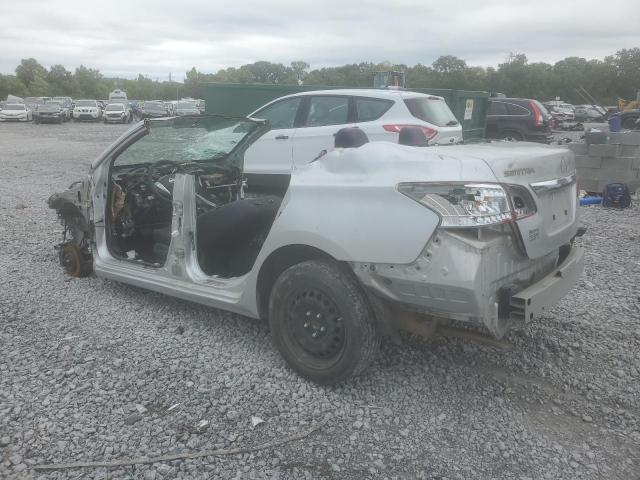 673135753N1AB7AP3FY372842
0
Stripped
Non-Repairable
67313575
3N1AB7AP3FY372842
0
Stripped
Non-Repairable
Not assigned
$0
$0
Not assigned 905980952HNYD2H70BH520969
0
Stripped
Salvage
90598095
2HNYD2H70BH520969
0
Stripped
Salvage
Not assigned
$125
$125
Not assigned
Clean Title
The clean title definition indicates that the vehicle has never been deemed a total loss but in some states a vehicle with clean title can have total loss history. it is the User’s responsibility 1) to check the car's history and any notes on salvage records or Total loss ( for example NMVTIS report) 2) to verify with their specific state or jurisdiction that the vehicle can be legally titled and registered.We cannot guarantee that any vehicle purchased through our site will be able to be reconstructed or titled in any specific state or country. We are not responsible for any difficulties in passing inspection and registering your car in your state. Please get more info about the reconstruction process before purchasing any vehicle. Each state has different guidelines for salvage titles.
866106051J4GZ58Y0WC2801920
Stripped
Clean
86610605
1J4GZ58Y0WC280192
0
Stripped
Clean
Not assigned
$0
$0
Not assigned 82696695WA1EVBF18KD034731
0
Stripped
Salvage
82696695
WA1EVBF18KD034731
0
Stripped
Salvage
Not assigned
$0
$0
Not assigned 837770945NPE34AF4JH637940
0
Stripped
Salvage
83777094
5NPE34AF4JH637940
0
Stripped
Salvage
Not assigned
$0
$0
Not assigned 959146353NSG4L925NG381371
0
Stripped
Salvage
95914635
3NSG4L925NG381371
0
Stripped
Salvage
Not assigned
$2,100
$2,100
Not assigned 767941151C4BJWDG4DL581457
0
Stripped
Salvage
76794115
1C4BJWDG4DL581457
0
Stripped
Salvage
Not assigned
$0
$0
Not assigned 769729153FRNF7FCXAV274851
0
Stripped
Salvage
76972915
3FRNF7FCXAV274851
0
Stripped
Salvage
Not assigned
$15
$15
Not assigned 99778735KNAFX6A81E5190685
0
Stripped
Salvage
99778735
KNAFX6A81E5190685
0
Stripped
Salvage
Not assigned
$0
$0
Not assigned 462081562C3CDZFJ1MH641377
0
Stripped
Salvage
46208156
2C3CDZFJ1MH641377
0
Stripped
Salvage
Not assigned
$0
$0
Not assigned

Run & Drive
When a vehicle arrives at an auction’s yard, the auction confirms that the vehicle starts, can be put into gear and can move forward under its own power. These functions are not guaranteed at pickup or delivery, and the vehicle may not be roadworthy.
963661051G1FD1RS5K014962349,070
Stripped
Salvage
96366105
1G1FD1RS5K0149623
49,070
Stripped
Salvage
Not assigned
$300
$300
Not assigned 481578261GNSKNKD8NR267686
0
Stripped
Salvage
48157826
1GNSKNKD8NR267686
0
Stripped
Salvage
Not assigned
$0
$0
Not assigned
Clean Title
The clean title definition indicates that the vehicle has never been deemed a total loss but in some states a vehicle with clean title can have total loss history. it is the User’s responsibility 1) to check the car's history and any notes on salvage records or Total loss ( for example NMVTIS report) 2) to verify with their specific state or jurisdiction that the vehicle can be legally titled and registered.We cannot guarantee that any vehicle purchased through our site will be able to be reconstructed or titled in any specific state or country. We are not responsible for any difficulties in passing inspection and registering your car in your state. Please get more info about the reconstruction process before purchasing any vehicle. Each state has different guidelines for salvage titles.
78809585STE64619K0210
Stripped
Clean
78809585
STE64619K021
0
Stripped
Clean
Not assigned
$70
$70
Not assigned 789611852C3CCAPJ8PH500488
0
Stripped
Non-Repairable
78961185
2C3CCAPJ8PH500488
0
Stripped
Non-Repairable
Not assigned
$0
$0
Not assigned
What is Stripped damage?
Stripped damage refers to the condition of a vehicle where significant parts or components essential for its operation and functionality have been removed or stripped away. This type of damage typically occurs when a vehicle has been dismantled or disassembled, often for salvage or parts harvesting purposes. At auctions, vehicles with stripped damage may be listed for sale, usually at lower prices reflecting their incomplete state. Potential buyers should exercise caution and thoroughly inspect such vehicles to assess the extent of missing parts and the feasibility of restoration before considering purchase.
What damage can be caused by Stripped damage?
Stripped damage refers to the removal of essential parts or components from a vehicle, leading to various types of harm and affecting its operability and value. Here are common manifestations and types of stripped damage:
Types of Stripped Damage:
Missing Parts:
- Engine components such as cylinder heads, pistons, or intake manifold.
- Transmission parts like gears, clutch assembly, or torque converter.
- Electrical components such as wiring harnesses, fuse boxes, or control modules.
- Interior components including seats, dashboard parts, or navigation systems.
Implications of Stripped Damage:
Operational Challenges:
- Incomplete vehicles may lack essential parts needed for operation, rendering them non-functional.
- Missing components can affect safety, reliability, and drivability.
Cosmetic and Structural Concerns:
- Vehicles with stripped damage often appear incomplete or disassembled, impacting their visual appeal and resale value.
- Structural integrity may be compromised if key structural components are removed, affecting safety and durability.
Repair and Restoration Costs:
- Restoring a vehicle with stripped damage can involve significant time and expense to source and replace missing parts.
- Labor costs for assembly and integration of components may be substantial.
Vehicles with stripped damage may be available for sale at auctions or suitable for export, often targeted at buyers looking for parts or restoration projects. Prospective buyers should conduct thorough inspections and assessments to understand the extent of missing parts and the feasibility of restoring the vehicle to operational condition before making purchasing decisions.
Advantages and Disadvantages of Buying a Car with Stripped damage
Buying a car with stripped damage presents both advantages and disadvantages that buyers should carefully consider:
Advantages:
- Lower Purchase Price: Vehicles with stripped damage are typically priced significantly lower than intact counterparts, offering potential savings.
- Parts Availability: The vehicle can serve as a source of parts for other projects or repairs, potentially reducing costs for future vehicle maintenance.
- Customization Potential: Some buyers may view stripped cars as blank canvases for customization or restoration, allowing for personalization according to preferences.
Disadvantages:
- Operational Challenges: Stripped vehicles often lack essential components necessary for operation, making them non-functional or requiring substantial investment to restore.
- Repair Costs: Restoring a vehicle with stripped damage can be costly and time-consuming, involving sourcing and replacing numerous missing parts.
- Resale Value: Even after restoration, the resale value of a vehicle with a history of stripped damage may be lower compared to similar fully intact vehicles.
Making an informed decision involves assessing the specific vehicle's condition, estimating restoration costs, and considering long-term implications for functionality and resale value. Prospective buyers should conduct thorough inspections and possibly consult with mechanics or experts in vehicle restoration before committing to purchase a car with stripped damage.
Where can I buy a car with Stripped damage?
Cars with Stripped damage can primarily be found at online auto auctions, notably at platforms like Copart and IAAI. These auctions frequently feature vehicles that have been involved in accidents, including those with Stripped damage.
If you're considering purchasing a car with Stripped damage, consider exploring bidndrive.com. This platform offers several advantages:
Combines Offers from Major Auctions:
bidndrive.com aggregates listings from various major auctions, providing you with a comprehensive selection of vehicles to choose from.
Wide Selection for Any Budget:
Whether you're looking for a budget-friendly option or a higher-end vehicle, bidndrive.com offers a wide range of cars with Stripped damage to suit different budgets and preferences.
Consider exploring bidndrive.com for your next purchase of a car with Stripped damage.
How can I buy a car with Stripped damage?
If you're looking to purchase a car with Stripped damage, Bidndrive is your best option for finding great deals from the USA. Here's why:
Best Deals:
Bidndrive offers some of the best deals on cars with Stripped damage from the United States. With savings reaching up to 70-80%, you can find incredible bargains on a wide range of vehicles.
Simple Buying Process:
The buying process with Bidndrive is straightforward and easy to follow:
1. Registration:
Create an account on Bidndrive's website to get started.
2.Deposit:
Make a deposit of 10% of your planned maximum bid (minimum $600) to participate in auctions.
3. Place a Bid:
Once registered and the deposit is made, you can start bidding on vehicles with Stripped damage that interest you.
4. Winning the Vehicle:
If your bid is successful, you'll be notified, and the vehicle will be yours to purchase.
5. Shipping to Your Home:
Bidndrive facilitates the shipping process, ensuring your purchased vehicle is delivered to your desired destination.
Bidndrive streamlines the purchasing process, making it convenient and accessible for buyers across America
Is it possible to register a car with Stripped damage in the United States?
Registering a car with stripped damage in the United States is generally challenging and often not straightforward due to various regulations and safety concerns. Here are key considerations:
-
State Regulations: Each state has its own regulations regarding vehicle safety and roadworthiness. Stripped damage typically renders a vehicle non-operational or incomplete, which may not meet state requirements for registration.
-
Safety and Emissions Inspections: Many states require vehicles to pass safety and emissions inspections before registration. A vehicle with stripped damage may lack essential components necessary to pass these inspections, such as headlights, brakes, or emission control systems.
-
Title Classification: If a vehicle has been significantly stripped, it may be classified as salvage or dismantled by the state's Department of Motor Vehicles (DMV). Salvage vehicles often require additional inspections and documentation before they can be registered for road use.
-
Insurance Coverage: Insurance companies may have restrictions or limitations on insuring vehicles with stripped damage, especially if it affects safety systems or structural integrity.
-
Vehicle History Disclosure: Sellers and buyers are legally required to disclose the vehicle's history, including any stripped damage, during transfers of ownership. This transparency ensures that future owners are aware of the vehicle's condition and its implications.
In summary, while it may technically be possible to register a car with stripped damage in some states under certain conditions, the process is complex and varies widely. Potential buyers should thoroughly research local regulations, consult with state authorities, and carefully assess the vehicle's condition and feasibility for road use before attempting to register a car with stripped damage in the United States.