



Buying a car on a tight budget? A bill of sale is one of the most important documents in the deal. It proves the transaction, protects your money, and helps you avoid legal problems. In this guide, you’ll learn what a bill of sale is, when you need it, and how to use it correctly to keep your vehicle purchase safe and stress-free.
What Is a Bill of Sale for a Car?
A bill of sale for a car is a written document that proves a vehicle was sold from one person to another. It shows that money changed hands and ownership was transferred.
Think of it as a receipt — but much more important.
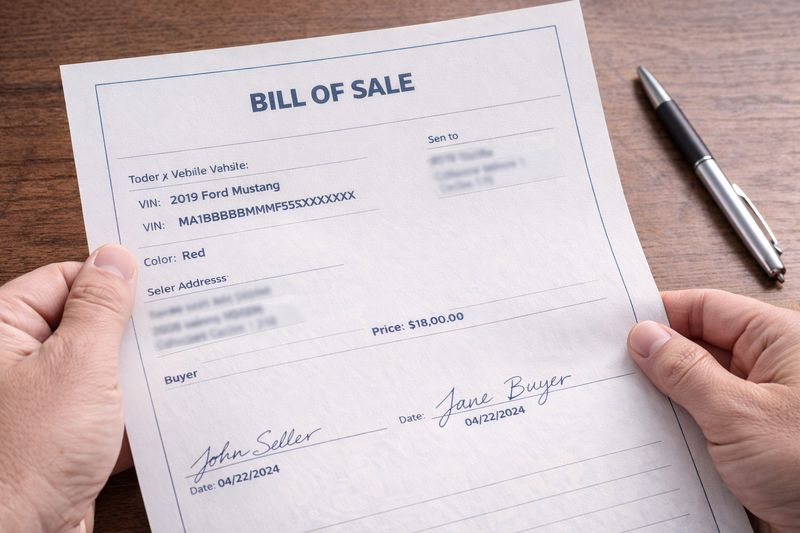
If you’re buying a car from a private seller, especially to save money, a bill of sale protects you. It clearly states what you bought, how much you paid, and when the deal happened. If any dispute comes up later, this paper can help you prove the terms of the agreement.
For many budget buyers who purchase cars from online auctions or private listings, the bill of sale is often one of the first documents they receive after payment.
Purpose of a Bill of Sale
The main purpose of a bill of sale is to document the transaction. It protects both the buyer and the seller.
For the buyer, it proves:
- You paid for the vehicle.
- The agreed price.
- The date of purchase.
- The condition of the car at the time of sale (if stated).
For the seller, it proves:
- The vehicle was transferred to a new owner.
- They are no longer responsible for tickets, accidents, or damage after the sale date.
Imagine buying a used car at a good price from a private seller. Two weeks later, you receive a parking fine dated after the sale. Without a bill of sale, it may be harder to prove when ownership changed. With it, you have written evidence.
In short, it reduces risk — which is especially important when every dollar matters.
Bill of Sale vs Car Title vs Registration
Many first-time buyers confuse these documents. They are not the same.
Bill of Sale
This is the proof of transaction. It shows that the vehicle was sold.
Car Title
The title is the legal ownership document issued by the state. It proves who officially owns the car. Without a properly signed title, you cannot fully transfer ownership.
Registration
Registration allows the vehicle to be legally driven on public roads. It connects the car to the owner in state records and confirms that taxes and fees are paid.
Here’s a simple way to understand it:
- The bill of sale shows you bought the car.
- The title shows you own the car.
- The registration allows you to drive the car legally.
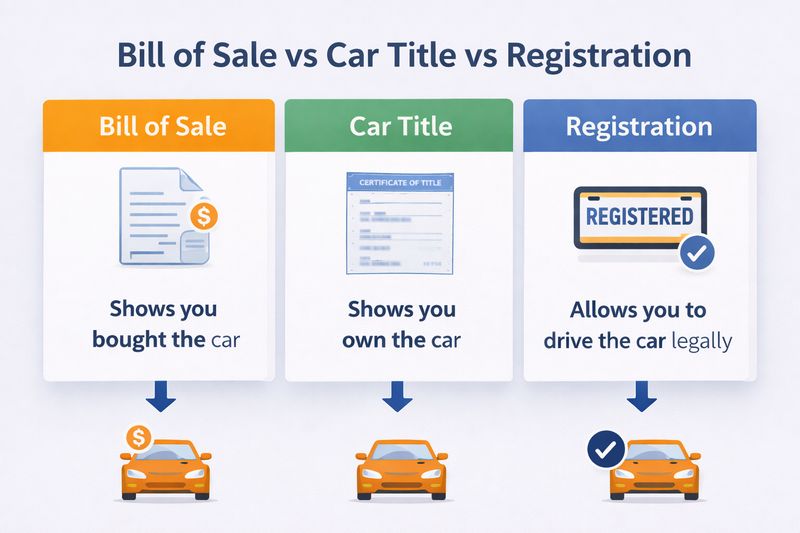
If you are buying from a private seller to save money, make sure you get both the signed title and the bill of sale. One does not replace the other.
When a Bill of Sale Is Required
A bill of sale is commonly required in:
- Private party vehicle sales.
- Some state DMV title transfer processes.
- Transactions involving older vehicles.
- Sales where the title is missing or being replaced.
- Situations where the sale price must be verified for tax purposes.
Some states legally require a bill of sale to register or transfer the vehicle. Others strongly recommend it, even if it is not mandatory.
For budget buyers purchasing from online auto auctions, a bill of sale may be provided automatically as part of the transaction documents. It serves as proof of purchase while waiting for the official title paperwork.
Even if your state does not strictly require one, it is always smart to have it. Skipping this step to “save time” can cost you much more later in legal fees, taxes, or ownership disputes.
Do You Need a Bill of Sale to Sell or Buy a Vehicle?
The short answer: in many cases, yes — and even when it’s not legally required, it’s strongly recommended.
If you are buying a vehicle to save money, especially from a private seller or online auction, skipping paperwork is risky. A bill of sale adds an extra layer of protection. It documents the deal clearly and helps avoid misunderstandings.
Some states require a bill of sale for title transfer. Others only require it in specific situations, such as older vehicles or transactions without a listed sale price on the title. But regardless of state rules, having one is always a smart move.
When you are working with a limited budget, you can’t afford expensive mistakes.
Benefits of a Bill of Sale for Buyers and Sellers
A bill of sale protects both sides of the transaction.
For buyers, it:
- Confirms how much you paid.
- Shows the exact date of purchase.
- Provides proof of ownership transfer.
- Helps calculate taxes correctly.
- Protects you if disputes arise.
For example, imagine buying a used car at a low price from a private seller. A month later, the seller claims you still owe part of the payment. With a signed bill of sale, you have written proof of the agreed price and payment terms.
For sellers, it:
- Proves the vehicle was sold.
- Shows the transfer date.
- Helps avoid responsibility for future accidents, tickets, or toll violations.
Without documentation, small problems can quickly turn into expensive legal issues.
Should You Write a Bill of Sale If You’re the Buyer?
Yes — even if the seller doesn’t suggest it.
As a buyer, especially one trying to stretch every dollar, you should always protect yourself. If the seller does not provide a bill of sale, you can create one yourself and ask them to sign it.
This is common in private sales. It doesn’t need to be complicated. A simple written agreement with key details is enough in most cases.
If you are buying from an online auto auction, the platform usually provides official sale documents. Still, always review them carefully. Make sure all details are correct before signing.
Being proactive with paperwork can save you from paying for someone else’s mistake later.
How to Obtain a Bill of Sale Form
There are several ways to get a bill of sale form:
- Download a template from your state’s DMV website.
- Use a trusted legal document website.
- Create a simple custom document yourself.
- Receive one directly from the auction platform or dealership.
Many state DMVs provide free templates that meet local legal requirements. This is often the safest option because it ensures the document includes all necessary fields.
If you write your own, make sure it includes:
- Vehicle details.
- Buyer and seller information.
- Sale price.
- Date of transaction.
- Signatures.
Keep copies for both parties. Digital and paper copies are even better.
Using BidNDrive Services to Simplify the Process
When buying through BidNDrive, much of the paperwork process becomes easier.
Online auction transactions usually include official sale documents prepared according to auction and state requirements. This reduces the chance of missing important details.
For buyers who are new to auctions, paperwork can feel overwhelming. There are titles, bills of sale, transfer deadlines, and DMV requirements. One small error can delay registration or create extra fees.
Using professional services like BidNDrive helps reduce these risks. Instead of trying to handle everything alone, you get structured documentation and guidance. This is especially valuable if you are buying remotely or from another state.
How to Write a Bill of Sale for a Car
Writing a bill of sale for a car is not complicated. You don’t need legal language or long paragraphs. What you need is clear, accurate information.
If you’re buying a vehicle at a good price from a private seller or through an online auction, this document protects your money. A simple, well-written bill of sale can prevent disputes, registration delays, or unexpected tax problems.
You can use a state DMV template or create your own document. The key is to include all essential details.
Key Information to Include in a Bill of Sale
A proper bill of sale should clearly describe three main things:
- The vehicle.
- The buyer and seller.
- The transaction itself.
If any of this information is missing or incorrect, you may face problems when transferring the title or registering the car.
Vehicle Details (Make, Model, VIN, Year, Condition)
This section identifies the exact vehicle being sold.
Include:
- Make (for example, Toyota).
- Model (for example, Camry).
- Year.
- Full VIN (Vehicle Identification Number).
- Current mileage.
- General condition (optional but recommended).
The VIN is especially important. One wrong digit can cause major issues at the DMV.
If you’re buying a budget vehicle, always double-check the VIN on:
- The dashboard.
- The driver’s door frame.
- The title.
- The bill of sale.
All numbers must match.
You may also note the vehicle’s condition, such as “sold as-is.” This is common in used and auction vehicles and protects the seller from future repair claims.
Buyer and Seller Information (Names, Addresses, Signatures)
Both parties must be clearly identified.
Include:
- Full legal names.
- Residential addresses.
- Phone numbers (optional but helpful).
- Signatures of both buyer and seller.
Make sure names match the title exactly. If the seller’s name on the title is different from the name on the bill of sale, the DMV may reject the transfer.
For budget buyers, this step is critical. Fixing paperwork mistakes later can mean extra fees, wasted time, and additional trips to the DMV.
Always keep a signed copy for yourself.
Transaction Details (Price, Payment Method, Date)
This section explains the financial part of the deal.
Include:
- Sale price.
- Payment method (cash, bank transfer, cashier’s check, etc.).
- Date of sale.
The sale price matters for tax purposes. Some states calculate registration tax based on the declared purchase price.
Be honest. Writing a lower amount to save on taxes can lead to penalties if the state questions the value.
The date of sale is also important. It determines when ownership responsibility changes. If the seller gets a traffic ticket after this date, your bill of sale proves the vehicle was already transferred.
Odometer Disclosure Statement
An odometer disclosure confirms the vehicle’s mileage at the time of sale.
Federal law requires an odometer disclosure for most vehicles under 20 years old. Some states have specific forms for this.
This protects buyers from odometer fraud — a serious issue in the used car market.
When It’s Required
In most cases, an odometer disclosure is required when:
- The vehicle is less than 20 years old.
- Ownership is being transferred.
- The vehicle is titled.
If you are buying from a private seller, this statement may be included directly on the title or attached as a separate document.
Skipping this step can delay title transfer or even cause legal trouble.
Using a Vehicle History Report to Confirm Odometer Reading
If you’re trying to save money, you might be tempted to skip extra checks. But verifying mileage is worth it.
A vehicle history report can:
- Show past odometer readings.
- Reveal inconsistencies.
- Alert you to possible rollback fraud.
Imagine buying what looks like a low-mileage car at a great price, only to find out later the mileage was altered. Repairs on high-mileage cars can quickly destroy your savings.
Always compare:
- The odometer reading on the dashboard.
- The number listed on the title.
- The number written in the bill of sale.
- The history report data.
Everything should match.
Optional Supporting Documents
While not always required, supporting documents can strengthen your transaction and give you more confidence in your purchase.
These documents can help verify details and support the declared value of the car.
Recreated Window Sticker or Manufacturer Info
A recreated window sticker or manufacturer information sheet can provide:
- Original MSRP.
- Factory-installed options.
- Engine specifications.
- Standard equipment.
For budget buyers, this information helps confirm you’re getting what was advertised. If the seller claims the car has certain features, the original equipment list helps verify it.
It can also support the declared sale price if questions arise during tax calculation.
Selling or Buying Through a Dealer
Buying or selling a car through a dealer is different from handling a private sale. The biggest difference is paperwork responsibility.
When you buy from a private seller, you and the seller handle everything yourselves. When you work with a dealer, most of the documents are prepared for you.
For buyers with limited budgets, this can be both good and bad. It reduces paperwork stress, but dealer prices are often higher than private sales or auction vehicles. The key is understanding how the process works so you can decide what fits your situation.
Differences Between Dealer Transactions and Private Sales
The main difference comes down to who manages the paperwork and risk.
In a private sale, you:
- Prepare or review the bill of sale.
- Make sure the title is signed correctly.
- Verify there are no liens.
- Handle DMV transfer yourself.
This option is often cheaper. Many budget buyers choose private sellers to save money. But the responsibility is fully on you. One small mistake — like a missing signature or wrong VIN — can delay registration.
In a dealer transaction, the dealer:
- Prepares the bill of sale.
- Handles title reassignment.
- Submits transfer documents to the DMV (in most cases).
- Calculates taxes and fees.
This feels safer because professionals manage the process. However, dealers may charge documentation fees, processing fees, or higher vehicle prices to cover this service.
For someone trying to stretch every dollar, private sales may offer lower prices, but dealer purchases offer more convenience and structure.
How Dealers Handle Bill of Sale and Title Transfers
When buying from a dealer, the bill of sale is usually part of a larger purchase agreement package. You will typically sign multiple documents at once.
The dealer will:
- Prepare an official bill of sale.
- Ensure the title is properly assigned.
- Collect applicable sales tax.
- Submit paperwork to the DMV.
- Issue temporary registration (in many states).
This reduces the chance of errors. Dealers are licensed and required to follow state rules.
However, you should still review everything carefully. Even when professionals handle paperwork, mistakes can happen. Check:
- Your name spelling.
- The VIN.
- The sale price.
- Mileage listed.
If you’re buying through an auction platform that works with licensed dealers, the process is usually structured in a similar way. Documentation is standardized and prepared according to state requirements.
How to Use a Bill of Sale
Signing a bill of sale is not the final step. It is the beginning of the ownership transfer process.
Many budget buyers think once money is paid and the document is signed, the deal is done. In reality, you still need to complete several important steps to make the car legally yours.
Using the bill of sale correctly helps you register the vehicle, pay the right taxes, and protect yourself from future problems.
Steps After Signing the Bill of Sale
Once both parties sign the bill of sale, you should:
1. Receive the signed title.
The title must also be properly signed by the seller. The bill of sale alone does not transfer ownership.
2. Verify all information.
Check that the VIN, sale price, date, and names match across all documents.
3. Get insurance.
Most states require active insurance before registration.
4. Visit the DMV (or complete online transfer if available).
Submit:
- Signed title
- Bill of sale
- Odometer disclosure (if required)
- Identification
- Payment for taxes and registration fees
5. Pay required taxes and fees.
Sales tax is often based on the purchase price listed on the bill of sale.
If you purchased through an auction platform or dealer, some of these steps may already be handled for you. But always confirm what has been completed and what remains your responsibility.
For buyers trying to avoid extra costs, missing deadlines can lead to late penalties. Act quickly after signing.
How Long It Takes to Transfer Vehicle Ownership
The timeline depends on your state and how you purchased the vehicle.
In most cases:
- Title transfer at the DMV can be completed the same day you submit documents.
- Receiving the physical title in your name may take 2 to 6 weeks.
- Dealer-handled transfers may take slightly longer because paperwork is processed through the dealership first.
If you bought a car from an online auction, shipping time and document delivery may add extra days before you can begin registration.
Budget buyers should plan for this waiting period. If you need the car for work or daily transportation, check whether temporary registration is available.
Delays usually happen because:
- Information doesn’t match.
- A signature is missing.
- There is an unresolved lien.
- The odometer disclosure is incomplete.
Careful paperwork saves time and prevents repeat DMV visits.
Keeping Copies for Legal Protection
Never rely on a single original document.
Keep:
- A physical copy of the signed bill of sale.
- A digital scanned copy.
- Copies of the signed title and supporting documents.
Why is this important?
If a dispute arises — for example:
- The seller claims the sale price was different.
- You receive a toll or parking violation dated after the sale.
- Tax authorities question the declared value.
Your copy of the bill of sale becomes proof.
For sellers, it also protects against liability for accidents or violations after the sale date.
When you’re buying a car on a tight budget, you cannot afford legal complications. Good recordkeeping is free, simple, and extremely valuable.
Risks and Considerations
A bill of sale may look simple, but small mistakes can create big problems.
If you are buying a car to save money, the last thing you want is extra DMV visits, legal disputes, or unexpected fines. Many issues happen not because of fraud, but because of incomplete or incorrect paperwork.
Understanding the risks helps you avoid turning a good deal into an expensive lesson.
Common Mistakes in Bill of Sale Documents
Here are the most common errors buyers and sellers make:
Incorrect VIN
One wrong digit in the Vehicle Identification Number can stop your title transfer immediately. Always double-check it against the car and the title.
Missing signatures
Both parties must sign. A missing signature can make the document invalid.
Incorrect sale price
If the number on the bill of sale doesn’t match the title or other paperwork, the DMV may question it.
No sale date
The sale date determines when responsibility changes. Without it, disputes can arise.
Incomplete buyer or seller information
Full legal names and addresses are important. Nicknames or partial names may cause problems.
Forgetting the odometer reading
If required and missing, your transfer may be delayed.
Many budget buyers rush through paperwork because they are excited about getting a good price. Slowing down for 10 extra minutes can prevent weeks of trouble.
Legal Implications of an Incomplete or Incorrect Bill of Sale
An incorrect bill of sale can lead to:
Registration delays
The DMV may reject your application until errors are corrected.
Tax issues
If the declared sale price seems unrealistic, the state may calculate tax based on market value instead.
Liability disputes
If the sale date is unclear, the seller could remain legally connected to the vehicle. Or the buyer could struggle to prove ownership.
Fraud investigations
Intentionally underreporting the sale price to reduce taxes can lead to penalties.
For example, imagine buying a car cheaply from a private seller and writing a lower amount on the bill of sale to save on taxes. If the state reviews the transaction and adjusts the value, you may end up paying more than expected — plus possible fines.
When every dollar matters, legal problems are far more expensive than proper documentation.
Tips for Buyers With Limited Budgets
If you’re buying a car on a tight budget, follow these practical tips:
1. Use official templates.
Download your state DMV’s bill of sale form when possible. It reduces the chance of missing required information.
2. Double-check everything.
Verify VIN, mileage, names, and price before signing.
3. Match all documents.
The bill of sale, title, and odometer disclosure should all show consistent information.
4. Don’t rush the paperwork.
Even if the seller seems in a hurry, take your time.
5. Keep copies immediately.
Take photos or scans of signed documents before leaving.
6. Verify the title before payment.
Make sure the seller legally owns the vehicle and there are no outstanding liens.
Buying a car at a great price feels like a win. But real savings happen when the entire process — including paperwork — goes smoothly.
Tips for Smooth Vehicle Transactions
A smooth vehicle transaction is not just about getting a low price. It is about avoiding hidden problems that can cost you time and money later.
Many budget buyers focus only on the deal itself. But paperwork mistakes, hidden liens, or title issues can quickly turn savings into extra expenses.
If you want to protect your investment, follow these practical steps before and after signing any documents.
Verifying the Title Before Purchase
Before you hand over any money, carefully review the title.
Check the following:
- The seller’s name matches their ID.
- The VIN on the title matches the VIN on the vehicle.
- The title status (clean, salvage, rebuilt, etc.).
- There are no alterations or suspicious marks.
- The title is properly signed.
If the seller’s name on the title is different from the person selling the car, that is a red flag. This situation is known as “title jumping,” and it can create serious registration problems.
If you are buying from a private seller because the price is lower, do not skip this step. A cheap car with title issues can become impossible to register.
Always verify first. Pay second.
Checking for Liens or Outstanding Loans
A lien means a lender still has a legal claim on the vehicle. If the previous owner financed the car and hasn’t fully paid it off, the lender may still technically own it.
If you buy a car with an active lien, you could face:
- Registration denial.
- Legal disputes.
- Possible repossession.
To avoid this, you should:
- Review the title for lienholder information.
- Request a lien release document if a loan was recently paid off.
- Use a vehicle history report to check for financial records.
- Confirm directly with the lender if necessary.
Imagine finding a great deal from a private seller, only to learn later that the car still has an unpaid loan attached. Fixing that situation can cost far more than the discount you thought you were getting.
For budget-conscious buyers, verifying liens is not optional — it’s essential.
Using Professionals Like BidNDrive to Handle Paperwork Safely
Handling vehicle paperwork alone can feel overwhelming, especially if you are buying from another state or through an online auction.
Professional services like BidNDrive help simplify the process by:
- Providing structured documentation.
- Ensuring auction paperwork is completed correctly.
- Reducing errors in title assignments.
- Guiding buyers through ownership transfer steps.
For someone new to online auto auctions, it is easy to miss small but important details. A missing signature or incorrect VIN can delay registration and add unexpected costs.
Using professionals does not mean spending more unnecessarily. In many cases, it protects you from costly mistakes that wipe out your savings.
If your goal is to buy a car at the best possible price, protecting that purchase with correct paperwork is part of a smart strategy.
A Bill of Sale plays an important role in documenting a vehicle transaction, but it is not the same as a certificate of title. Understanding the difference is essential for buyers in the U.S., since ownership transfer, registration, and legal road use depend on having the correct documents.
When buying at U.S. auto auctions, knowing what paperwork is provided and what is required for registration in your state can help prevent delays and unexpected issues. BidNDrive gives buyers access to auction listings with clear vehicle information and supports a straightforward purchasing process, helping you understand what documentation comes with each vehicle before you place a bid.
If you’re planning to buy a car through a U.S. auction and want to review available listings and documentation details, you can create a free account with BidNDrive and explore current inventory.
Further Reading:
What Does a Clean Title Mean and Why Does It Matters When Buying a Car?
Clean Title vs. Clear Title: Understanding the Difference
Navigating Title Types: A Guide to Clean, Rebuilt, and Salvage Titles for Smart Buyers
What Is a Branded Title? What It Means, Types, and Risks
Frequently Asked Questions
- Do I always need a bill of sale when buying a car?
- What information must be included in a bill of sale?
- Can a bill of sale replace a car title?
- How long does it take to transfer ownership after signing a bill of sale?