



Buying a salvage title car can save you thousands, but it comes with legal and safety questions. This guide explains when and where you can drive a salvage car, what repairs and inspections are needed, and how to insure it. Budget-conscious buyers will learn how to navigate the rules, avoid costly mistakes, and make smart decisions at auctions or private sales.
What Is a Salvage Title?
A salvage title is a special type of vehicle title that indicates a car has been significantly damaged and declared a total loss by an insurance company. It serves as a warning to buyers that the vehicle has a history of serious issues. For budget-conscious buyers, salvage cars can offer huge discounts at auctions, but it’s important to understand what this title really means before making a purchase.
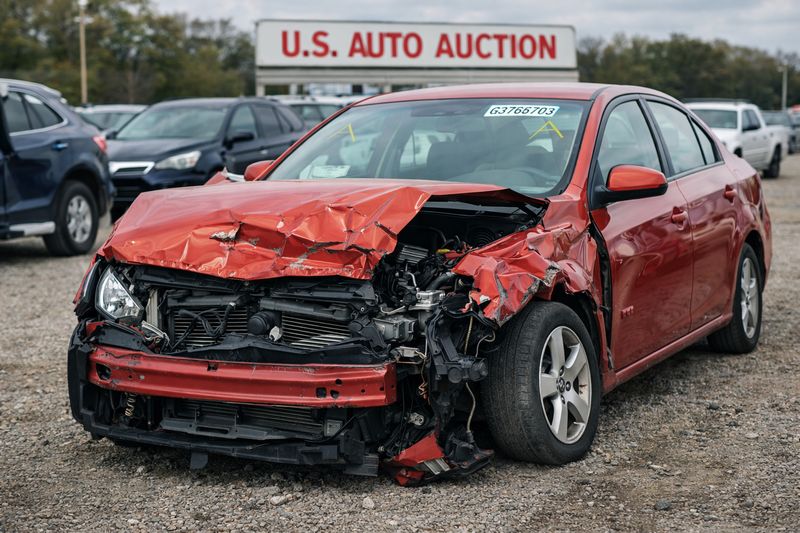
Vehicles with a salvage title are not automatically road-legal. They usually need repairs and a state inspection before they can be registered for driving. Knowing how a car earns a salvage title and why it’s flagged can help buyers make informed decisions and avoid costly surprises.
How a Vehicle Gets a Salvage Title
A vehicle gets a salvage title when the cost of repairs after damage exceeds a certain percentage of the car’s value, typically 70% to 80%, depending on the state. This doesn’t always mean the car is ruined — sometimes the damage is cosmetic or localized — but the title signals that the car was expensive to repair or deemed unsafe to drive until fixed.
Once an insurance company declares a car a total loss, they notify the DMV. The state then issues a salvage title, permanently marking the vehicle’s record. This title stays with the car even after repairs or rebuilding, so future buyers are aware of its history.
Common Reasons Cars Are Declared Salvage
There are several typical scenarios that lead to a vehicle receiving a salvage title. Understanding these situations helps buyers anticipate potential risks and repair costs.
Accident Damage
One of the most common causes is collision damage. If a car is in a serious accident and repair costs are high, insurers may declare it a total loss. Structural damage, bent frames, and extensive bodywork often lead to a salvage title.
Example: A compact car gets T-boned at an intersection. Repairing the frame and replacing airbags would cost more than the car’s market value, so the insurer totals it.
Flood, Fire, or Hail Damage
Natural disasters or environmental events can also trigger a salvage title. Flooded engines, fire damage, or severe hail dents can make a car unsafe or uneconomical to repair.
Example: After a hurricane, several cars are submerged. Even if the body looks fine, water can ruin the engine and electrical systems, resulting in a salvage title.
Theft Recovery and Vandalism
Cars that are stolen and recovered may be branded salvage if they were damaged during the theft or tampering. Similarly, extreme vandalism that’s expensive to fix can result in a salvage designation.
Example: A stolen SUV is found with a broken ignition and damaged electronics. Repair costs exceed the vehicle’s value, so the insurer declares it a total loss.
Can You Legally Drive a Car With a Salvage Title?
Buying a salvage vehicle can save money, but one of the biggest questions for budget buyers is whether you can legally drive it. The answer depends on the car’s condition, repairs, and your state’s rules. Understanding these restrictions ensures you don’t end up with a car you can’t legally use on public roads.
Short Answer: Why Salvage Cars Are Usually Not Road Legal
In most cases, cars with a salvage title are not road-legal until they are repaired and pass a state inspection. The salvage title indicates the vehicle was previously declared a total loss due to significant damage, which often affects safety systems, structural integrity, or emissions. Driving a salvage car without proper repairs and documentation is usually illegal and can put you and others at risk.
For example, a car with frame damage or missing airbags may not meet minimum safety standards. Even if it runs, it may fail inspection and could be ticketed if driven before repairs.
State-by-State Rules and Exceptions
Rules for driving salvage vehicles vary by state. Some states allow limited driving under certain conditions, while others strictly prohibit it until the car has been rebuilt and certified:
- Strict states: Require full repairs, inspections, and a rebuilt title before registration or road use.
- Moderate states: May allow limited movement, such as driving to an inspection site or repair shop.
- Exceptions: Some states permit salvage vehicles for off-road or farm use even if they are not rebuilt.
Always check your state DMV rules before purchasing a salvage car. Budget buyers who assume they can drive a salvage vehicle immediately may face fines or impoundment.
Temporary Permits and When They Apply
Some states issue temporary permits for salvage vehicles to allow them to be moved legally to a repair shop or inspection center. These permits are usually valid for a few days or weeks and do not allow regular driving until the vehicle passes inspection and is issued a rebuilt or regular title.
Example: You win a salvage car at an auction. With a temporary permit, you can drive it directly to your mechanic to perform repairs. Once repaired and inspected, you can then apply for a rebuilt title to register it for normal road use.
Is It Dangerous to Drive a Salvage Title Car?
Many budget buyers are drawn to salvage cars for the low price, but safety concerns are often a major worry. While a salvage title indicates the car was previously damaged, it doesn’t automatically mean the vehicle is unsafe. With proper repairs and inspections, many salvage cars can be roadworthy and reliable. Understanding the risks and what to check can help buyers make safer decisions.
Rebuilt and Salvage Vehicles Aren’t Always Unsafe
A rebuilt salvage car that has been properly repaired, inspected, and certified can be just as safe as a similar vehicle with a clean title. Skilled mechanics can restore structural integrity, replace damaged systems, and ensure the car meets state safety standards.
Example: A sedan declared salvage due to a front-end collision can be rebuilt with a new frame section, airbags, and engine components. Once inspected and issued a rebuilt title, it may drive safely for years. For budget-conscious buyers, this means the car’s history isn’t a deal-breaker—condition and repair quality are more important.
Safety Risks to Watch For
Despite potential, there are still risks to consider. Budget buyers should carefully inspect salvage vehicles before purchase. Key areas of concern include:
Structural Damage
Frame and chassis damage is one of the most serious issues. Even minor misalignment can affect handling, suspension, and crash performance. Poorly repaired structural damage can also lead to uneven tire wear and increased risk in future accidents. Always check inspection reports and, if possible, get a professional to assess frame integrity.
Electrical and Airbag Issues
Salvage cars may have damaged electrical systems or missing/undeployed airbags after an accident. Faulty wiring can lead to engine problems or fire risks, while inoperative airbags compromise safety in a collision. Verify that all electronics work correctly, and ensure airbags have been replaced or reset as part of the rebuilding process.
Pros and Cons of Buying a Salvage Title Car
Buying a salvage title car can be a smart choice for budget-conscious buyers, but it comes with trade-offs. Understanding the advantages and disadvantages helps you make an informed decision and avoid surprises at the auction or after purchase.
Pro: Salvage Cars Are a Great Deal
One of the biggest benefits of salvage vehicles is the low purchase price. Cars with salvage titles often sell for 30% to 50% less than similar vehicles with clean titles. For buyers on a tight budget, this discount can make a reliable car affordable, especially if you have the skills or resources to manage repairs yourself.
Example: A minor-collision sedan valued at $12,000 might sell for $7,500 at an auction due to its salvage title. Even after modest repairs, it can still offer significant savings compared to a clean-title vehicle.
Pro: The Damage Isn’t Always Severe
Not all salvage cars are heavily damaged. Some vehicles receive a salvage title for minor accidents, cosmetic damage, or fender benders. If inspected carefully, many of these cars can be repaired safely at a reasonable cost. For budget buyers, this means a salvage car isn’t automatically unsafe or unreliable—it’s an opportunity to get a good deal if you know what to look for.
Con: You Can’t Drive It Right Away
Most salvage cars are not immediately road-legal. They require repairs and a state inspection before they can be registered. This means extra time, effort, and sometimes towing costs. If you need a car for daily driving right away, a salvage vehicle might not be convenient until it’s rebuilt and approved for the road.
Con: You May Not Have the Entire Picture
Salvage titles indicate prior damage, but not all issues are visible or disclosed. Hidden structural problems, electrical issues, or incomplete repairs can emerge later, leading to unexpected costs. Budget buyers need to perform thorough inspections, request repair documentation, and review vehicle history reports to minimize surprises.
What Is a Rebuilt Title?
A rebuilt title is a designation given to a previously salvage vehicle that has been repaired, inspected, and deemed roadworthy by the state. Essentially, it shows that the car was once considered a total loss but has now been restored to a safe and functional condition. For budget-conscious buyers, rebuilt title cars can be an affordable way to own a vehicle without starting entirely from scratch, but it’s important to understand the differences and legal requirements.
Salvage Title vs Rebuilt Title Explained
The key difference between a salvage title and a rebuilt title lies in the car’s road legality and repair status:
- Salvage Title: Indicates the car was damaged severely enough to be declared a total loss. It cannot be legally driven until it is repaired and inspected.
- Rebuilt Title: Issued after a salvage car has undergone repairs and passed a state inspection. The car is now considered safe to drive and can be registered for use on public roads.
Example: A sedan totaled in a fender-bender may receive a salvage title. After replacing damaged body panels, fixing the frame, and passing a DMV inspection, the title is updated to “rebuilt,” allowing the new owner to legally drive it.
When a Salvage Car Becomes Road Legal
A salvage car becomes road legal only after it has been properly repaired and officially inspected. The process generally includes:
- Repairing all damage: This could involve structural, mechanical, or cosmetic fixes.
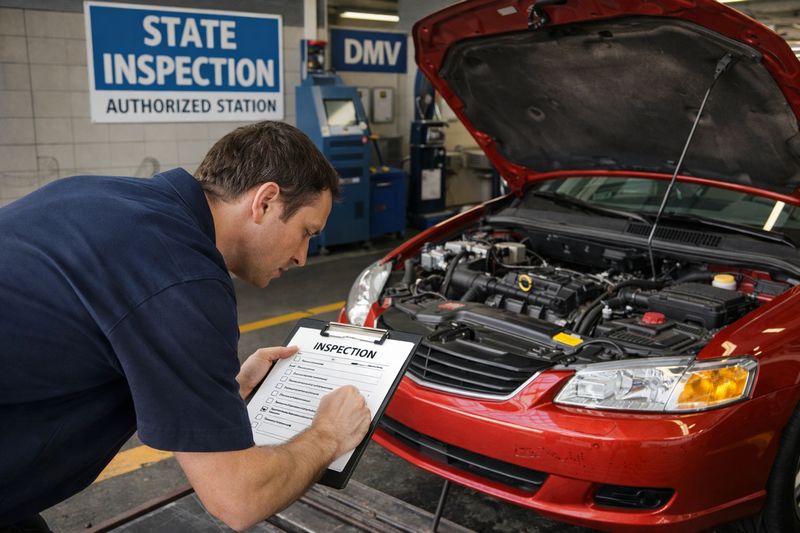
- Passing a state inspection: The DMV or an authorized inspection station verifies the car meets safety and emissions standards.
- Issuing a rebuilt title: Once approved, the state updates the title from salvage to rebuilt, marking it as roadworthy.
How Do You Get a Rebuilt Title for Your Car?
Turning a salvage car into a road-legal vehicle requires obtaining a rebuilt title. This process ensures the vehicle is safe, properly repaired, and legally registered. For budget-conscious buyers, understanding the steps to get a rebuilt title helps avoid surprises and ensures your investment is protected.
Step-by-Step Rebuilt Title Process
The process for obtaining a rebuilt title involves several key steps, from repairing the vehicle to submitting the correct documents to your DMV. Each stage is important to ensure your car is safe and legally allowed on the road.
Repairs and Documentation
The first step is repairing the vehicle to meet safety and operational standards. Depending on the damage, this could involve structural repairs, replacing airbags, fixing the engine or electrical systems, and ensuring brakes, lights, and tires are in good condition.
While making repairs, document everything:
- Receipts for parts and labor
- Photos of before-and-after repairs
- Work orders from mechanics
This documentation is crucial when applying for a rebuilt title because the DMV must verify that the car has been properly restored. Budget buyers should keep detailed records to avoid delays or title rejections.
State Inspection Requirements
Once repairs are complete, the car usually needs to pass a state inspection. Inspectors check that the vehicle meets safety and, in some states, emissions standards. They may examine:
- Frame and structural integrity
- Functioning airbags and seatbelts
- Lights, brakes, and tires
- Engine, transmission, and other mechanical systems
Passing this inspection is mandatory for your DMV to issue a rebuilt title. Failing the inspection means additional repairs are required before approval.
DMV Application and Fees
After passing inspection, you apply for a rebuilt title at your local DMV. You’ll typically need:
- The salvage title
- Proof of repairs and documentation
- Inspection certificate
- Completed rebuilt title application form
Fees vary by state but generally include title processing and sometimes inspection verification costs. Once approved, the DMV issues a rebuilt title, officially marking the car as road-legal.
Get a Salvage Car Inspected Before Repair
Inspecting a salvage vehicle before and after repairs is critical for budget buyers. A thorough inspection helps you avoid unsafe cars, hidden costs, and legal issues, while ensuring that your investment will result in a drivable, road-legal vehicle. Proper inspections save money and stress in the long run.
Pre-Purchase Inspection at Auctions
When buying a salvage car at an auction, always request a pre-purchase inspection or hire a professional mechanic to check the vehicle. This inspection should focus on:
- Structural integrity: Look for frame damage or signs of improper repairs.
- Mechanical condition: Check the engine, transmission, brakes, and suspension.
- Electrical systems: Ensure lights, wiring, and airbags are intact or can be repaired.
Example: A buyer at an online auction notices a salvage SUV listed at a low price. A pre-purchase inspection reveals a bent frame that would be expensive to fix, allowing the buyer to skip a potentially costly mistake.
Budget-conscious buyers benefit most when inspections help them estimate repair costs accurately before placing a bid, preventing surprises after purchase.
Post-Repair Safety and Mechanical Checks
After repairing a salvage vehicle, a post-repair inspection is essential to confirm that it is safe and ready for the road. Key checks include:
- Frame alignment: Ensures the car handles properly and can withstand normal driving stress.
- Airbag functionality: Confirms the vehicle meets safety standards.
- Brakes, tires, and suspension: Checks that all critical systems work as expected.
- Electrical and engine systems: Verifies there are no lingering issues that could cause breakdowns.
Even small missed repairs can lead to expensive problems later. A thorough post-repair inspection gives peace of mind and ensures your car passes state requirements for a rebuilt title.
Knowing Your State’s Lemon Law
Understanding your state’s lemon law is also important when dealing with salvage vehicles. While lemon laws usually protect buyers of new cars, some states extend protections to rebuilt or recently repaired salvage vehicles. Knowing these rules helps you:
- Identify your rights if major defects appear after purchase
- Avoid being stuck with a car that has recurring mechanical issues
- Ensure you have legal recourse in case repairs fail
Can a Salvage Title Be Insured?
Buying a salvage car is often appealing because of the lower price, but insurance can be tricky. Many buyers assume they can get full coverage like a regular car, but salvage titles come with limitations. Understanding how insurance works for salvage vehicles helps budget-conscious buyers plan for both protection and cost.
Why Insurance Is Limited for Salvage Cars
Cars with a salvage title are considered higher risk by insurers because of their damage history. Even after repairs, insurers may worry about hidden structural problems, mechanical failures, or safety system malfunctions. As a result, full coverage insurance is often restricted or unavailable for salvage vehicles.
Example: A budget buyer purchases a salvage SUV for $8,000. While the car runs perfectly, many insurance companies will only offer limited coverage or exclude comprehensive and collision insurance, citing the vehicle’s history as a total loss.
Insurance companies want to avoid paying high claims on cars that may have recurring issues. This makes it essential for buyers to shop around and understand what types of coverage are actually available for salvage vehicles.
Liability-Only vs Full Coverage
For salvage cars, the most common insurance option is liability-only coverage, which protects you if you cause damage to someone else or their property. This coverage is usually affordable and meets legal minimums for driving.
Full coverage, which includes collision and comprehensive insurance, is sometimes available for rebuilt salvage cars after inspections and proof of repairs. Insurers may require:
- A professional inspection confirming roadworthiness
- Documentation of repairs and parts used
- Proof that the car has a rebuilt or road-legal title
Example: After repairing a salvage sedan and getting a rebuilt title, a buyer may qualify for full coverage. Without these documents, the same insurer might only offer liability coverage.
Can You Get Full Coverage on a Rebuilt Title?
For budget buyers, a rebuilt title car is an attractive way to save money, but insurance coverage can be a concern. While salvage vehicles often have limited options, full coverage can be obtained once the car has been properly repaired and certified. Understanding when and how full coverage becomes available helps buyers protect their investment without overspending.
When Full Coverage Becomes Available
Full coverage insurance—which includes collision and comprehensive protection—becomes available after the car has been restored to roadworthy condition and officially issued a rebuilt title. Insurance companies need assurance that the vehicle is safe, reliable, and meets state safety standards before offering full protection.
Example: A 2015 sedan purchased at an auction with a salvage title is repaired for frame damage, airbags are replaced, and the car passes a state inspection. Once the rebuilt title is issued, the buyer can approach insurers for full coverage.
It’s important to note that not all rebuilt vehicles automatically qualify. Minor cosmetic repairs usually aren’t enough; insurers focus on structural integrity, mechanical reliability, and safety systems.
Insurance Company Requirements
Insurance companies may require the following to provide full coverage for a rebuilt title car:
- Rebuilt title: Proof from the DMV that the car has been inspected and approved for road use.
- Repair documentation: Receipts, photos, or work orders showing that all major damage was properly fixed.
- Professional inspection: Some insurers may request an independent inspection to verify roadworthiness.
- Vehicle history report: Confirms that repairs were completed and identifies any ongoing risk factors.
Driving, Registering, and Insuring a Rebuilt Title Car
Owning a rebuilt title car comes with unique responsibilities. Budget buyers need to understand how to legally drive, register, and insure these vehicles to avoid fines, legal trouble, or gaps in protection. While rebuilt cars offer cost savings, proper documentation and adherence to state rules are essential for safe and legal use.
Registration Rules After Rebuild
Once a salvage car has been repaired and issued a rebuilt title, it can generally be registered for normal road use. The registration process typically requires:
- Presenting the rebuilt title from the DMV.
- Providing inspection certificates that confirm repairs meet state safety and emissions standards.
- Completing any state-specific forms or fees for rebuilt vehicles.
Example: A budget buyer purchases a salvage SUV, repairs frame and airbag damage, and submits all documentation to the DMV. After verification, the SUV receives license plates and can legally be driven on public roads.
It’s important to note that some states may have additional requirements, such as VIN verification or emissions testing, to ensure rebuilt vehicles are safe for the road. Failing to follow these rules can result in registration delays or fines.
Ongoing Insurance Considerations
Even after registration, insurance for a rebuilt title car can be different from a clean-title vehicle. Key considerations include:
- Coverage limitations: Some insurers may initially provide only liability coverage until they confirm the rebuild is complete and the car is safe.
- Full coverage eligibility: Once the car passes inspection and meets all documentation requirements, full coverage (collision and comprehensive) may be offered.
- Premium costs: Insurance for rebuilt vehicles can sometimes be slightly higher due to the car’s history, even if repairs are complete.
Example: A rebuilt sedan may qualify for full coverage, but the insurer may charge higher premiums compared to a similar clean-title car. Buyers should compare multiple insurance providers to find the best balance of coverage and cost.
Salvage and Rebuilt Cars at Auto Auctions
Auto auctions are a popular place to find salvage and rebuilt vehicles at discounted prices, making them attractive to budget-conscious buyers. However, buying at an auction comes with risks, especially if you don’t understand the differences between salvage and rebuilt titles, and the legal and mechanical considerations involved. Knowing what to expect can help you make smarter bids and avoid costly mistakes.
Why Salvage Cars Are Common at Auctions
Salvage cars appear frequently at auctions because they are sold by insurance companies, rental fleets, and private owners who want to recover some value after damage. Auction houses provide a platform where these vehicles can be sold quickly, often at prices well below market value.
Examples of typical auction cars include:
- Accident-damaged vehicles: Minor or major collisions that insurers wrote off.
- Flood or fire-damaged cars: Insurance companies often sell these vehicles to recoup partial costs.
- Theft recoveries: Vehicles recovered after being stolen but damaged or tampered with.
For budget buyers, auctions can be a way to score a deal on a car that would otherwise be too expensive, but it’s essential to understand the title type, repair needs, and legal requirements before placing a bid.
What Budget Buyers Should Know Before Bidding
Before bidding on a salvage or rebuilt vehicle, buyers should carefully consider several factors:
- Title Type: Know whether the car has a salvage or rebuilt title, and what that means for legal driving and insurance.
- Repair Costs: Estimate repairs before bidding, including parts, labor, and possible inspections. Budget buyers need to make sure the car can be safely rebuilt without exceeding its value.
- Inspection Reports: Request pre-auction inspections or vehicle condition reports to avoid hidden damage. Some auctions provide detailed photos and mechanical notes.
- Legal Requirements: Understand your state’s requirements for registering and driving salvage or rebuilt vehicles. Some cars cannot be driven until they pass a state inspection and receive a rebuilt title.
- Insurance Implications: Confirm whether your insurer will cover the vehicle and under what conditions, as coverage may be limited or more expensive for salvage cars.
Example: A buyer sees a salvage pickup truck listed at $6,000. The auction notes minor collision damage, and a pre-bid inspection reveals the frame is straight but requires cosmetic repairs. Knowing this, the buyer can estimate repair costs and insurance options before making a responsible bid.
When Does Buying a Salvage Title Car Make Sense?
Buying a salvage title car isn’t for everyone, but for budget-conscious buyers, it can be a strategic way to get a reliable vehicle at a lower cost. Understanding when it makes sense—and when it doesn’t—helps avoid expensive mistakes and ensures that you’re making a safe, informed purchase.
Best Scenarios for Budget-Conscious Buyers
Salvage cars can be a great deal under the right circumstances:
- You’re handy with repairs or have access to affordable mechanics: If you can repair minor damage yourself, you can save thousands compared to buying a clean-title car.
- The car has mostly cosmetic damage: Vehicles with scratches, dents, or minor collision damage can often be repaired quickly and safely.
- You plan to use it for work or as a secondary vehicle: A salvage car is ideal for a construction truck, delivery vehicle, or any car that doesn’t need to maintain perfect resale value.
- Exporting vehicles: International buyers or car exporters may find salvage vehicles appealing due to lower purchase costs and fewer concerns about resale restrictions in their home country.
Example: A budget buyer purchases a salvage SUV with minor front-end damage for $7,500. After $1,500 in repairs and passing the rebuilt title inspection, the SUV is fully drivable and insured, saving thousands compared to a similar clean-title vehicle.
When to Walk Away
Despite the potential savings, some salvage vehicles are better left alone:
- Severe structural damage: If the frame is bent, the car may never be fully safe, even after repairs.
- Flooded or heavily fire-damaged vehicles: Water or fire damage can compromise electronics, engine components, and safety systems in ways that are costly or impossible to fix.
- Incomplete or questionable repair records: Without documentation, insurers may refuse coverage, and registration may be difficult or impossible.
- Excessive repair costs: If fixing the car costs more than the market value of a similar clean-title vehicle, the deal isn’t worth it.
Example: A budget buyer considers a salvage pickup with water damage. A pre-purchase inspection reveals engine and transmission problems, plus electrical issues that would exceed the car’s market value. Walking away prevents a financial disaster.
A salvage title doesn’t automatically mean a vehicle can’t be driven, but it does come with important legal and practical restrictions that vary by state. Registration rules, insurance availability, and inspection requirements all play a role in whether a salvage-title car can legally return to the road.
For buyers in the U.S. market, understanding state-specific regulations and evaluating repair costs before buying at auction is essential. BidNDrive helps buyers navigate U.S. auto auctions by providing access to a wide range of vehicles and clear listing information, allowing buyers to make informed decisions before placing a bid.
If you’re considering a salvage-title vehicle and want to review available options at U.S. auctions, you can create a free account with BidNDrive and explore current listings.
Further Reading:
Salvage Title: What Does It Mean and Should You Buy One?
Should You Buy a Salvage Car? Pros, Cons, and Expert Tips
All About Salvage Title Inspection: What You Need to Know
From Salvage to Rebuilt: Complete Guide to Restoring a Salvage Title Car
Frequently Asked Questions
- What states can I drive a salvage title car?