


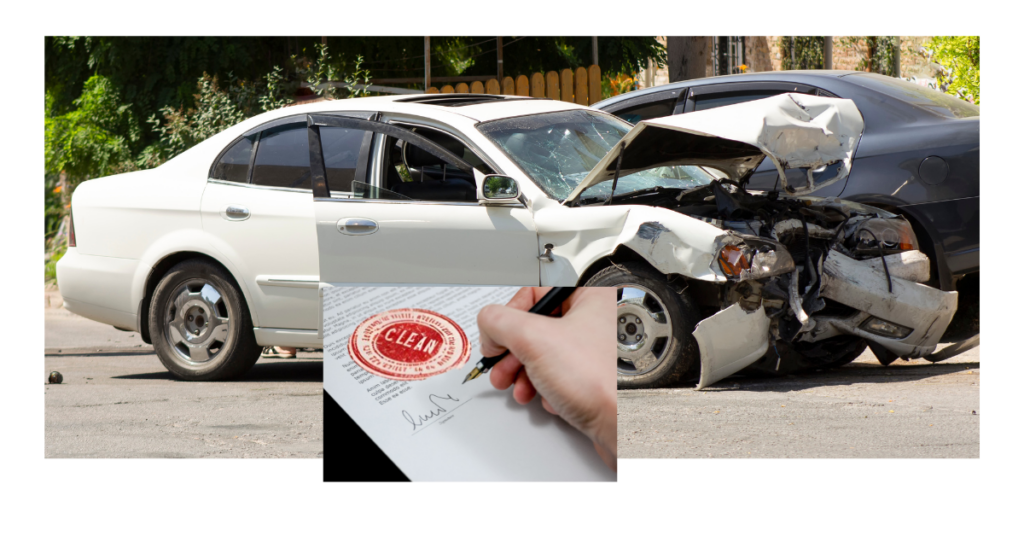
The term "clean title" is often misunderstood by car buyers and sellers alike. While a clean title indicates that a vehicle is free from liens and has not been declared a total loss by an insurance company, it does not necessarily mean the car has never been in an accident. Understanding the nuances of what a clean title represents can help buyers make informed decisions and avoid potential pitfalls. In this article, we'll break down the meaning of a clean title, its implications, and how it relates to a car's accident history.
What Is a Clean Title?
A clean title is a vehicle ownership document that confirms the car has no significant legal or financial issues tied to it. This means the vehicle has not been classified as a total loss by an insurance company due to severe damage from accidents, floods, or other events. Additionally, a clean title ensures that there are no outstanding liens, making the car's ownership status straightforward and free of legal encumbrances.
Definition of a Clean Title
In legal terms, a clean title is issued to vehicles that meet specific conditions. According to state Departments of Motor Vehicles (DMVs), a clean title means the car has not been salvaged, rebuilt, or declared a total loss by an insurance company. However, the title does not record every accident or repair a car has undergone, as minor damages that do not lead to an insurance total loss are often excluded. For example, a car could have undergone substantial repairs that don’t meet the threshold for a salvage title and still retain its clean title status.
Why Is a Clean Title Important?
A clean title is essential for car buyers because it reassures them about the vehicle’s history and potential resale value. Cars with clean titles typically fetch higher market prices compared to those with salvage or rebuilt designations. Moreover, financial institutions are more likely to provide loans for vehicles with clean titles, making financing easier. For sellers, having a clean title is crucial for maintaining transparency and attracting potential buyers.
Can a car with previous accident damage still have a clean title?
Yes, a car can sustain accident damage and still hold a clean title, provided the damage did not lead to it being classified as a total loss. Minor accidents or repairs paid out-of-pocket rather than through insurance often do not appear on the title. However, accident history may be recorded in vehicle history reports from providers like CARFAX or AutoCheck. These reports compile data from insurance claims, service records, and DMV filings, offering buyers a more comprehensive understanding of the car’s condition.
Do all states use the same criteria for clean titles?
No, states have varying criteria for issuing clean titles. While the general principles are similar, the thresholds for classifying a car as salvaged or totaled can differ. For example, some states consider a car a total loss if repair costs exceed 75% of its value, while others may use 80% or even different benchmarks. Additionally, disclosure laws vary by state. In states with less stringent requirements, a car with significant damage may still retain a clean title, which is why reviewing both the title and vehicle history reports is critical before purchasing.
Buying a Clean Title Vehicle? Know What to Check
A clean title doesn’t always mean a car has never been damaged. Before making a decision, review vehicle history, prior auction records, and listing details carefully. BidNDrive helps buyers access transparent information before placing a bid.
- ✅ Access to detailed vehicle listings
- ✅ Transparent service pricing
- ✅ Support understanding auction terminology
- ✅ Help choosing the right lot
Does a Clean Title Mean No Accidents?
What Does a Clean Title Ensure?
A clean title guarantees that the vehicle has not been classified as a total loss by an insurance company or suffered damage severe enough to warrant a salvage or rebuilt designation. It indicates that the car's ownership and financial status are free of liens or other legal issues. However, a clean title does not necessarily certify that the car has never been in an accident or had damage repaired. While a clean title is a strong starting point, buyers should always dig deeper into the car’s history for a full picture.
Common Misconceptions About Clean Titles
One of the most common misconceptions is that a clean title means a car has never been damaged. While a clean title ensures the car wasn’t declared a total loss, it doesn’t account for minor accidents or repairs that fall below the threshold for salvage classification. For instance, if a car owner paid for repairs out-of-pocket instead of filing an insurance claim, those damages might not appear on the title or even a vehicle history report.
Another misconception is that clean titles ensure mechanical reliability. A car can have significant wear and tear or hidden damage not recorded in its title status. This is why professional inspections and vehicle history reports are essential for buyers.
How Accident History Can Still Be Present with a Clean Title
Accident history can exist alongside a clean title in several scenarios. For example:
- Insurance Repairs Below Total Loss Threshold: If an insurance company covers the cost of repairs but the damage doesn’t exceed the car’s value, the title remains clean.
- Unreported Accidents: Accidents that weren’t reported to insurance companies or authorities won’t show up on the title.
- Cosmetic Damage: Non-structural damage, such as scratches or minor dents, often goes unrecorded.
Vehicle history reports from services like CARFAX or AutoCheck can reveal these details, offering insight beyond the clean title itself.
Check Auction History Before You Bid
Even vehicles with clean titles may have prior damage records. Use available auction history reports and sold price insights to better understand a vehicle’s background and true market value.
- ✅ Free auction history reports
- ✅ Access to previous sale photos when available
- ✅ Sold vehicle price comparisons
- ✅ Better risk assessment before bidding
What’s the Difference Between a Clean Title and a Rebuilt Title?
Key Features of Each Title Type
- Clean Title: A clean title indicates the car has not been significantly damaged, salvaged, or rebuilt. It reassures buyers about the car's integrity but doesn’t guarantee an accident-free history.
- Rebuilt Title: A rebuilt title is issued to cars that were previously declared total losses (salvaged) but have since been repaired and passed inspections to be roadworthy. While cheaper than clean-title cars, they often come with reduced resale value and potential insurance challenges.
Can a Title Status Change from Clean to Rebuilt?
Yes, a title status can shift from clean to rebuilt under specific circumstances. For example, if a car with a clean title sustains major damage in an accident, it may be classified as a total loss and issued a salvage title. Should the vehicle be repaired and pass state-mandated inspections, it would then receive a rebuilt title. This process highlights why it’s critical to verify a car’s current title status and accident history when purchasing, as the vehicle’s history can have long-term implications for reliability and resale value.
Title Washing: What You Need to Know
What Is Title Washing?
Title washing is a fraudulent practice where a vehicle’s title is altered to conceal its prior damage, salvage status, or rebuilt history. This deception often occurs when sellers transfer the title across state lines to exploit varying title regulations. The end result is a car that appears to have a clean title but may have significant undisclosed damage or repairs in its past.
How Does Title Washing Happen?
Title washing typically occurs through loopholes in state titling laws. For instance:
- State-to-State Transfers: A seller moves the vehicle to a state with lenient title laws or no salvage-title classification, effectively erasing its history.
- Improper Paperwork: Dishonest sellers might falsify documents or omit accident records during the retitling process.
- Clerical Errors: In some cases, title washing may result from mistakes at the Department of Motor Vehicles (DMV).
Fraudulent dealers or private sellers often use this tactic to sell damaged or unsafe vehicles at higher prices, exploiting unsuspecting buyers.
Methods to Detect Title Washing
- Run a Vehicle History Report: Services like CARFAX or AutoCheck can reveal discrepancies in the car’s title and history. Look for red flags such as frequent ownership changes or inconsistencies in the title status.
- Cross-State Searches: Use the National Motor Vehicle Title Information System (NMVTIS) to check if the car has been retitled in another state.
- Professional Inspection: Hire a trusted mechanic to inspect the vehicle for signs of structural damage, rust, or improper repairs that might indicate a prior salvage history.
- Request Title Copies: Ask for the original title or prior documents to compare against the current title for inconsistencies.
FAQs About Clean Titles
Are cars with clean titles more expensive?
Yes, vehicles with clean titles generally command higher prices than those with salvage or rebuilt titles. A clean title signals fewer risks and typically better resale value, making these cars more appealing to buyers and easier to finance. However, even cars with clean titles can vary in price based on mileage, condition, and accident history.
Can I get full coverage insurance on a car with a clean title that was previously salvaged in another state?
Insurance companies often assess vehicles based on their full history, not just the current title status. If a car has been salvaged or rebuilt in the past, even if it now holds a clean title due to title washing or state loopholes, insurers may offer limited coverage or refuse full coverage entirely. It’s crucial to disclose the vehicle’s history and verify insurability with your insurance provider before purchase.
What can I do if I suspect dirty dealings with my title?
If you believe a vehicle has been title-washed or its history misrepresented, take these steps:
- Contact the DMV: Report your suspicions to your state’s DMV or the DMV of the state where the title was issued.
- File a Complaint: Use the Federal Trade Commission (FTC) or your state attorney general’s office to report fraudulent practices.
- Seek Legal Advice: Consult an attorney specializing in consumer protection or auto fraud to explore your options for recourse.
Is there anything I need to worry about when buying a vehicle with a clean title?
While a clean title is reassuring, it doesn’t guarantee the absence of issues. Buyers should:
- Check Vehicle History: Use trusted services to ensure the car has no hidden accident or damage records.
- Inspect Thoroughly: Look for signs of repairs, mismatched paint, or unusual wear that could indicate prior damage.
- Request Maintenance Records: A well-maintained car often comes with service documentation, adding transparency to its condition.
Being cautious can help avoid costly surprises after purchase.
Find the Right Vehicle With Full Buying Support
Whether you're considering a clean title, salvage, or rebuilt vehicle, BidNDrive helps you register, bid, and purchase with full transparency. Get access to thousands of auction vehicles and buy with confidence.
- ✅ No dealer license required
- ✅ Low service fees
- ✅ Domestic transport and export worldwide
- ✅ Support from registration to delivery