


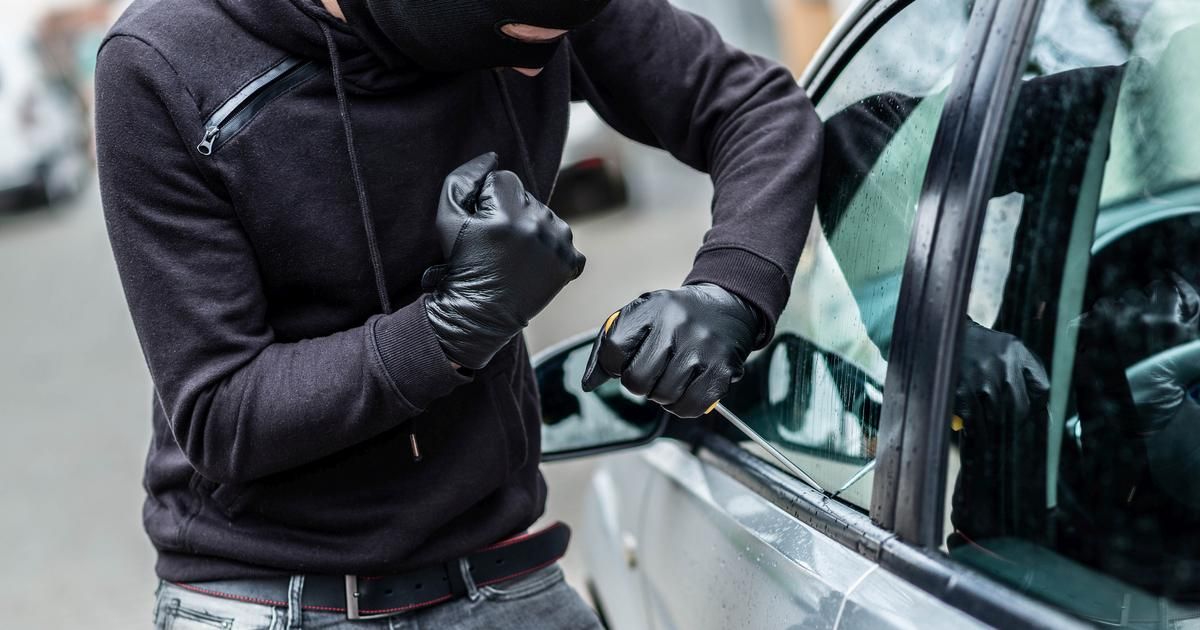
If you're considering purchasing a car with a salvage title due to theft, it's essential to understand what this designation means and how it affects the vehicle's value and future prospects. This guide will explain the key factors you need to consider, from assessing risks to making a smart purchase. By the end of this article, you'll be equipped to make an informed decision about buying a salvage title car.
What Is a Salvage Title Due to Theft?
A salvage title due to theft is issued when a vehicle is reported stolen but later recovered. This status indicates that the car was once stolen, but the owner or the insurance company has deemed it not worth the cost of repair or replacement. After the vehicle is recovered, it undergoes a process of inspection and documentation to determine its condition and assign it a salvage title.
How a Car Gets a Salvage Title Due to Theft: When a car is stolen, the owner typically files a police report, and their insurance company may issue a payout for the loss. If the car is later found, its history is updated, and it is likely to be given a salvage title to reflect its previous theft. This title is a warning to potential buyers that the vehicle has a history of being stolen, which could impact its value, reliability, and future insurability.
Process of Getting a Salvage Title Due to Theft:
- Police Report: The car is reported stolen, and once recovered, the police and relevant authorities update the vehicle’s records.
- Insurance Assessment: If the car was insured, the insurance company may write off the vehicle if the costs to repair or recover it exceed the car’s value, leading to the salvage designation.
- Inspection: After being recovered, the car is often inspected for damages and previous use, ensuring it's safe to drive if it’s going to be resold.
Difference Between Salvage Title Due to Theft and Other Salvage Titles: While a car with a salvage title due to theft has been stolen, it is often considered less risky than a vehicle with a salvage title from an accident. This is because a stolen car’s damages are typically more related to how it was handled during the theft (e.g., vandalism, engine wear, or minor damages), whereas cars that are labeled as salvage due to accidents may have sustained more serious, structural damage.
How Theft Affects the Car's History and Value
When a vehicle is stolen and later recovered, its history and value can be significantly impacted, even if the car is restored and repaired. A salvage title due to theft can affect how potential buyers view the car, its market price, and how insurers handle it.
Impact on Car's History: A car that has been stolen, even if it is later found and repaired, will always have a history of theft recorded on its title. This marks it as a salvage vehicle, which is a red flag for many buyers. While the car may still be mechanically sound, the stigma of theft often lowers its desirability.
- Record of Theft: When a car is stolen and then recovered, its title will reflect this history, even after repairs are made. This affects its vehicle history report, which is a crucial reference for prospective buyers.
- Documentation Issues: In some cases, cars with salvage titles due to theft may have incomplete or conflicting documentation about their past, making it harder to verify how much of the car's previous condition is still intact.
How Theft Affects Market Value: Cars with a salvage title due to theft are usually worth less than similar cars with clean titles. The reason for this is the perceived risk associated with the vehicle's history. Buyers are generally less willing to pay top dollar for a car that has been stolen, even if it was recovered in good condition. The loss of resale value is a significant consideration for anyone thinking about buying a salvage-title car.
- Lower Resale Value: On average, a car with a salvage title due to theft is worth 20-40% less than a similar model with a clean title, depending on its condition and the market.
- Depreciation Risk: Even if the car is repaired, it might face a higher rate of depreciation due to its history of theft. Many buyers avoid these vehicles, fearing hidden issues or a history that could affect long-term reliability.
Insurance Impact: Insurance companies may be hesitant to insure cars with salvage titles, particularly those with a history of theft. If they do offer coverage, it may come with significant limitations or higher premiums.
- Limited Coverage Options: Many insurers will offer limited coverage for a car with a salvage title, especially if the vehicle was stolen and recovered. Comprehensive and collision coverage may not be available, which could be a concern if the car is involved in an accident.
- Difficulty in Claims: If the car were to suffer damage in the future, the insurance company might be less willing to cover repairs or may offer a payout that's lower than the car’s market value.
Impact on Resale and Selling: Selling a car with a salvage title due to theft can be challenging. Even though the car might be mechanically sound after repairs, the stigma of a stolen history can significantly reduce interest from buyers. Additionally, potential buyers may face financing challenges, as banks and lenders are often wary of loaning money for cars with salvage titles.
- Longer Time on Market: Cars with salvage titles generally take longer to sell because fewer people are willing to take on the risk, especially if they plan to finance the purchase.
- Difficulty in Obtaining Financing: Many lenders will refuse to finance a car with a salvage title, or they may offer financing at a higher interest rate, further discouraging potential buyers.
Pros and Cons of Buying a Car with a Salvage Title Due to Theft
When considering the purchase of a car with a salvage title due to theft, it's important to weigh the potential advantages and disadvantages. While a salvage title may raise concerns, understanding the pros and cons can help you make an informed decision about whether this type of car is the right choice for you.
Pros of Buying a Car with a Salvage Title Due to Theft
-
Lower Purchase Price: One of the main advantages of buying a salvage title car due to theft is the lower purchase price. Cars with salvage titles are typically priced 20-40% lower than similar models with clean titles. This can be an opportunity to save money, especially if you're looking for an affordable option and are willing to invest in repairs or restoration.
- Example: You might find a late-model sedan that was stolen and later recovered for just $8,000, compared to the $12,000 price tag of a similar car in good condition. If the vehicle is otherwise in decent shape, this can represent significant savings.
-
Potential for Restoration: Depending on the extent of the damage and the condition of the car after recovery, there could be an opportunity for restoration. Many buyers enjoy the process of bringing a car back to life, especially if the car is a classic model or has features that are hard to find.
- Example: A vintage sports car with a salvage title due to theft might be worth restoring if you have the skills or the resources to fix it. In this case, the salvage title could represent a steep discount on a rare vehicle.
-
Less Risk than Other Salvage Title Cars: While a salvage title due to theft does indicate some form of loss or damage, it may be less risky than one resulting from a serious accident. A car that's been stolen and recovered may have fewer structural or mechanical issues compared to a car that's been involved in a major crash.
- Example: A car with a salvage title due to theft may have a few minor cosmetic damages or missing parts, but it might still be in overall good condition and safer than a car that has sustained severe frame or engine damage in an accident.
Cons of Buying a Car with a Salvage Title Due to Theft
-
Incomplete Vehicle History: One of the main risks associated with buying a salvage title car is the incomplete vehicle history. Even though the car was recovered after being stolen, there may be gaps in its service records or documentation. This lack of full transparency can make it harder to verify the condition of the car, leading to potential concerns about its maintenance or repairs.
- Example: The car may have had some parts replaced or repaired, but you may not have access to the full history of those repairs. Without knowing exactly what was done, it's difficult to assess whether the car has been properly restored.
-
Hidden or Unresolved Damage: Cars with a salvage title due to theft may have undergone repairs, but there's always a risk of hidden damage. Even though the car was recovered, certain parts or systems might have been compromised during the theft or the recovery process, leading to potential long-term issues.
- Example: A car that was stolen might have been left in an open or exposed area, leading to weather-related damage or issues with the electrical system. This could cause problems down the road that may not be immediately apparent during an inspection.
-
Insurance and Financing Challenges: Even though a car with a salvage title due to theft might be less risky than one from an accident, you may still face challenges in getting insurance or financing for the vehicle. Insurance companies may be reluctant to offer full coverage or may only provide liability coverage, and lenders may be hesitant to offer loans for cars with a salvage title, especially if the value is significantly lower.
- Example: You may only be able to get liability insurance on the car, meaning you're responsible for all repair costs in the event of an accident. Additionally, banks might offer limited financing options or charge higher interest rates.
-
Difficulty Reselling the Car: When it's time to sell the car, the salvage title can make it harder to find buyers, even if the car is in excellent condition. Potential buyers may be hesitant because of the car's history, and it could take longer to sell compared to a car with a clean title.
- Example: A buyer may be interested in the car but may be unwilling to pay more than a fraction of the value because of the salvage title. This can result in a longer selling period or a lower resale price.
Why This Type of Salvage Title Might Be Less Risky Than Accident-Damaged Cars
While both theft and accident-related salvage titles come with risks, a salvage title due to theft may present less risk than a car that has been seriously damaged in an accident. This is because cars with a history of theft often have fewer structural issues than those involved in severe collisions. Theft may result in cosmetic damage, missing parts, or minor mechanical issues, while a car that has been in a major crash might have frame damage or undetected mechanical problems that could affect its safety and performance.
Considering a Theft-Recovered Vehicle?
Vehicles with salvage titles due to theft can sometimes present strong value — but only when you fully understand their history and condition. Explore available listings carefully and review title details before bidding.
- ✅ Access to salvage and theft-recovered vehicles
- ✅ Detailed lot descriptions and photos
- ✅ Transparent buying process
- ✅ Wide selection across U.S. locations
How to Assess a Theft-Related Salvage Title Car
When buying a car with a salvage title due to theft, it's crucial to assess its condition carefully. While these cars can present an opportunity for savings, they also come with risks that can be avoided with proper research and inspection. Here’s a guide on how to evaluate such a car, covering important checks on documents, the vehicle's history, and physical condition.
1. Check the Vehicle’s Documentation
The first step when assessing any salvage title car, especially one with a theft history, is to examine the vehicle's documentation carefully. Ensure you get as much information as possible about the car’s background to understand the extent of the damage and repairs.
-
Police and Theft Reports:
Start by checking whether there is a police report for the theft. The report will provide valuable details on how the car was stolen, where it was found, and if there were any significant damages during the theft or recovery process. Some states allow you to access this information online or through local law enforcement agencies.- Example: If the car was recovered soon after the theft, it may have minimal wear and tear. However, if it was recovered months later, there could be more issues from exposure to the elements or mishandling during recovery.
-
Ownership History:
Investigate the ownership history to see how many owners the car has had and whether there are any gaps in registration or insurance coverage during the time the car was stolen. You can check the car’s Vehicle Identification Number (VIN) through services like Carfax or AutoCheck to look up past ownership and accident records.- Tip: If the car has multiple previous owners, it might be a red flag as it could indicate trouble with the car’s reliability or repair history.
2. Inspect the Vehicle’s Condition
Next, it’s essential to conduct a thorough inspection of the vehicle to evaluate its current state. Although the car may have been recovered after the theft, it’s important to look for signs of hidden damage, especially related to theft.
-
Exterior Condition:
Check for signs of cosmetic damage, such as scratches, dents, or mismatched paint, which could have occurred during the theft or when the vehicle was being transported back to its rightful owner. Pay attention to whether the car looks like it was poorly repaired or if it shows signs of neglect, like rust or exposure to the elements.- Example: If you notice that the body panels don’t align properly, it could be a sign that the car was involved in a recovery process where parts were swapped or improperly repaired.
-
Interior Condition:
Examine the interior for damage as well. A car that was stolen might have had the seats or electronics removed. Look for any unusual signs of tampering or missing components. Make sure to check that all electrical systems are functioning, especially locks, windows, and dashboard displays.- Tip: If the car’s interior shows excessive wear or damage that doesn’t match its overall mileage or age, it could indicate a poor recovery process or improper handling after the theft.
-
Mechanical Inspection:
Get a mechanical inspection from a trusted mechanic. This is one of the most important steps, as the car might have hidden mechanical problems that were caused during or after the theft. Have the mechanic look for any signs of tampering with the engine, transmission, suspension, or electrical systems.-
Example: Check if the car starts smoothly, drives without unusual noises, or has any issues like engine stalling or hesitation. These could be signs of electrical damage or parts that were swapped out improperly after the theft.
-
Tip: A test drive is essential to check the overall performance of the car. Make sure to drive the car in different conditions (highway, stop-and-go traffic) to see how it handles.
-
3. Verify Repairs and Modifications
It’s crucial to assess the repairs made to the vehicle after the theft, as some might have been poorly executed or might not have been documented. Ask the seller for any available repair records or receipts that show what was done to the car after recovery. If the car was involved in a recovery process that required significant repairs, those records will give you insight into the quality of the restoration.
-
Check for Aftermarket Parts:
Sometimes stolen cars have aftermarket parts installed, such as replacement wheels, stereo systems, or electronics. While aftermarket parts aren’t necessarily bad, they can affect the vehicle’s performance or value. Check that the parts are of good quality and properly installed.- Tip: If you see mismatched parts or poorly installed accessories, it could be a sign of subpar repairs or an attempt to cut costs on restoring the car to a usable condition.
4. Assess the Vehicle’s Title Status
Ensure the vehicle’s title is correctly marked as a salvage title due to theft. This ensures that it’s been officially recognized by the state as a salvage vehicle, and any potential buyer is aware of its history. Be cautious if there are discrepancies in the title or if the car has a reconstructed or rebuilt title, which could indicate more serious problems with the vehicle.
- Tip: If the car has a rebuilt title, it means the car has undergone significant repairs and is legally allowed to be driven on the road again. You’ll want to be extra careful with cars that have this title, as they may have hidden issues that could be costly to fix later.
5. Review the Car’s Insurance and Financing Options
Finally, understand that obtaining insurance for a theft-related salvage title car can be tricky. Many insurance companies may only offer liability insurance, leaving you to cover the costs of any damage to the car yourself. Additionally, you may find it difficult to secure financing for a car with a salvage title, as banks or lenders are more cautious about loans for vehicles with this status.
- Tip: Contact your insurance company and lender before making the purchase to understand what kind of coverage or loan options are available for a salvage title vehicle.
Insurance and Registration for Salvage Title Cars Due to Theft
When purchasing a car with a salvage title due to theft, there are unique challenges that come with registration and insurance. These cars have a history that makes them less desirable to many insurers and regulators, but understanding the process can help you navigate the system. Here’s what you need to know about registering and insuring a salvage title car with a history of theft.
1. Registering a Car with a Salvage Title Due to Theft
Registering a salvage title car after it's been marked as "salvaged" due to theft can be more complicated than a regular car registration process. Here are the key steps involved:
-
Check State Regulations:
Each state has specific regulations for registering salvage title vehicles, and it’s important to understand these before you proceed. Some states require that you have the car inspected by a state-certified inspector before registering it, especially if it was repaired or has a salvage title due to theft.- Example: In California, you may need to pass a Vehicle Inspection to ensure the car was restored properly and that no stolen parts remain. The inspection confirms that the car is safe to drive and that it meets the state’s requirements.
-
Submit the Necessary Paperwork:
The key documents usually required for registration include:- The salvage title showing the car’s history of theft.
- Proof of repairs (if applicable), including receipts for any work done to restore the vehicle.
- A Bill of Sale showing that you legally purchased the car.
- Proof of insurance (for some states).
-
Rebuilt Title:
If the car was repaired after being stolen, it may be eligible for a rebuilt title, which allows you to register the car for normal use on the road. In many cases, the car must pass an inspection proving that the repairs were done correctly and the car is safe to drive.- Tip: A rebuilt title means that the vehicle has been restored after receiving a salvage title. It can be registered for normal use, but it might come with restrictions on resale or insurance coverage.
2. Problems with Getting Insurance for a Salvage Title Car Due to Theft
One of the most common issues with buying a salvage title car, especially one marked due to theft, is finding insurance coverage. Many insurance companies are hesitant to cover these cars because they pose a higher risk. Here's why:
-
Limited Coverage:
For salvage title vehicles, many insurers will only offer liability coverage and will refuse to provide comprehensive or collision coverage. This is because a car with a salvage title, especially one from theft, may have underlying issues that are costly to repair, or the car’s market value may be too low to justify the cost of full coverage. -
Increased Risk for Insurers:
Insurers consider stolen and recovered cars as higher risk because they may have hidden damage or improperly repaired components. The car might also have a less predictable history, making it harder to determine the true condition of the vehicle.- Example: If the car was stolen and recovered after being left exposed for a period of time, there could be hidden damage such as water damage or rust that might not be immediately apparent but can cause major issues down the line.
-
Insurance Premiums:
Even if you are able to find full coverage, expect the premiums to be higher. Insuring a salvage title car, particularly one stolen and recovered, is riskier for the insurer, so they may charge higher premiums to compensate for the potential risk.
3. How to Get Adequate Insurance for a Salvage Title Car
While it may be more difficult to find insurance for a car with a salvage title due to theft, there are still ways to get the coverage you need:
-
Shop Around:
Not all insurers are the same, so it’s important to shop around and compare quotes. Some specialized insurers may be willing to offer coverage for salvage title cars, including comprehensive and collision coverage. It’s worth seeking out these companies, as they often specialize in higher-risk vehicles.- Tip: Use an insurance broker to help you find insurers who are more familiar with salvage title cars. They can assist in finding policies that best meet your needs.
-
Consider State-Run Insurance Programs:
In some states, there are state-run insurance programs for high-risk drivers or vehicles, including salvage title cars. These programs may offer more affordable coverage, although it’s typically limited to liability coverage. -
Get a Vehicle Inspection:
To boost your chances of securing comprehensive insurance, consider getting a professional inspection of the car to demonstrate that it is in good condition. Having a mechanic confirm that the car has been properly repaired and is roadworthy can help show insurers that the vehicle is safe to insure.- Tip: Provide documentation of any repairs or improvements made to the car after it was stolen. A solid repair history can help reduce the perception of risk from the insurer’s perspective.
Estimate the True Investment Before You Bid
Even if a theft-recovered vehicle has minimal damage, you should evaluate the full cost. Use the built-in calculator on each lot page to estimate auction fees, transportation, and overall purchase expenses before committing.
- ✅ Transparent auction fee estimates
- ✅ Transportation cost visibility
- ✅ Clear service pricing
- ✅ Better budgeting before purchase
What to Consider Before Buying a Car with a Salvage Title Due to Theft
Buying a salvage title car, particularly one with a history of theft, can be an attractive option for those looking for a lower price. However, before making the decision, it’s important to carefully consider the risks, potential rewards, and long-term implications. Here’s a breakdown of what you should weigh before purchasing a salvage title car due to theft:
1. Risks and Potential Consequences
A salvage title due to theft indicates that the vehicle has been stolen and later recovered, often with some damage or modification. While these cars are usually cheaper, there are several risks to be aware of:
-
Uncertain Repair History:
One of the biggest concerns with salvage title cars is the uncertainty of their repair history. When a car is stolen, the thief may have made alterations to the vehicle, and repairs done afterward may be subpar or incomplete. Even if the car has been professionally repaired, there could be hidden damage that might not be immediately visible but could become problematic down the road.- Example: A car that was stolen and recovered could have wiring issues from electrical components being tampered with or parts that were replaced with cheaper alternatives, potentially compromising its safety and functionality.
-
Hidden Damage:
Even after being recovered, stolen cars may have hidden damage that affects their performance. For example, they might have been left exposed to the elements for a prolonged period before recovery, leading to issues like rust, water damage, or even mold growth. If these problems are not detected early, they can lead to costly repairs in the future. -
Lower Resale Value:
A salvage title car will have a much lower resale value compared to a clean title car. This could affect your ability to sell the car in the future or trade it in. Potential buyers will be wary of purchasing a car with a salvage title, which can make it harder to recoup your investment.
2. When to Walk Away from the Purchase
Not every salvage title car is worth buying. There are certain scenarios where it’s better to walk away from a potential purchase:
-
Unclear or Incomplete Repair Records:
If the repair history of the car is unclear or incomplete, it can be a huge red flag. Without solid documentation on what was fixed and how, you could be buying a car that’s been patched up without addressing critical issues. If you cannot verify the quality of repairs, it's often best to move on. -
Vehicle in Poor Condition:
If the car shows significant physical damage, has severe rust, or demonstrates mechanical issues during a test drive, it may not be worth your time or money. Excessive wear and tear can indicate that the car is not suitable for restoration or could require more repairs than it’s worth.- Tip: If you notice things like misaligned body panels, gaps in the frame, or strange noises during a test drive, these could indicate deeper problems with the car, making it a risky purchase.
-
High Cost of Repairs:
If the cost of necessary repairs is close to or higher than the car’s value, then buying the car is probably not a good idea. Always get a professional mechanic to inspect the vehicle before you buy it to assess the condition and potential repair costs. If the repairs needed are extensive and expensive, you’ll likely end up spending more than the car is worth.
3. When Buying a Salvage Title Car Can Be a Good Deal
Despite the risks, buying a salvage title car due to theft can be a smart decision in certain circumstances, especially if you’re willing to invest in repairs. Here are some situations where buying a salvage title car can be a good deal:
-
Restoration Projects:
If you enjoy working on cars and have the necessary skills and tools, a salvage title car can provide a great opportunity for a restoration project. Many classic car enthusiasts buy salvage title cars because they offer the chance to restore them to their former glory at a fraction of the price.- Example: A buyer might find a classic sports car with a salvage title due to theft. If the car is structurally sound and only requires cosmetic repairs, this could be an excellent investment for someone with mechanical expertise.
-
Parts Harvesting:
Sometimes, buying a salvage title car can be beneficial for those who are looking to harvest parts from the vehicle. If the car is still in decent condition but the overall structure is too damaged to repair, the individual parts (like the engine, transmission, and other components) may be worth more than the whole vehicle. If you can get the car at a significantly low price and the parts are in good condition, you may be able to profit by selling the parts individually. -
Low-Cost Commuter Car:
If you’re simply looking for a cheap daily driver and don’t mind the possibility of making some repairs, buying a salvage title car might work for you. With some minor repairs and proper maintenance, a car with a salvage title due to theft can still serve as an affordable option for daily commuting.
How to Maximize the Value of a Theft-Related Salvage Title Car
If you've purchased a salvage title car due to theft or are considering doing so, maximizing its value through restoration and careful handling can turn a risky investment into a profitable one. While a salvage title often leads to a lower initial purchase price, restoring the vehicle properly can increase its resale value and make it more marketable. Here’s a detailed guide on how to maximize the value of a theft-related salvage title car:
1. Restoring the Car After Theft
Restoring a car with a salvage title due to theft can be a rewarding project, but it requires careful planning and attention to detail. Here’s how to approach the restoration process:
-
Assess the Damage:
The first step is to assess the damage caused by the theft. Was the car stripped for parts, or was it simply abandoned after being recovered? Sometimes stolen cars are found with significant mechanical issues, while others might have minor cosmetic damage.- Tip: If the vehicle has been stripped of valuable components (like the stereo, airbags, or parts of the engine), it may be worth assessing if the cost of replacing these parts justifies the restoration.
-
Rebuild or Replace Missing Parts:
Many cars with salvage titles due to theft may have missing parts. In some cases, stolen cars have components like wheels, the interior, or electronics removed. Make sure to replace these parts with original or high-quality aftermarket parts. Rebuilding the car can be costly, but it’s essential to restore it to a safe, roadworthy condition.- Example: If a car has missing airbags, not only does the car become unsafe, but it may also fail safety inspections, lowering its resale value.
-
Work with Professionals:
Unless you have extensive mechanical knowledge, consider working with professionals to restore your car. A mechanic or a specialist in car restorations can make sure the car is properly rebuilt and safe to drive. If the car has been severely damaged, a professional can help ensure that everything is up to code and meets state regulations, which will ultimately raise its value.
2. Restoring the Car’s Documentation
One of the most critical aspects of a salvage title car is its paperwork. Restoring the car’s documentation can improve its value and make it easier to sell later.
-
Verify Ownership and Repair History:
Ensure that all ownership records are in place, as well as documentation for repairs made. If the car was stolen and recovered, it’s crucial to have the police report and any relevant documents showing the car's recovery. You’ll also need repair invoices to demonstrate the work that has been done. -
Apply for a Rebuilt Title:
In many states, after the restoration is complete, the car can be reclassified from a salvage title to a rebuilt title. This process typically requires a state inspection to verify the car's roadworthiness and safety. A rebuilt title allows the car to be legally driven and resold at a higher value than a salvage title car.- Tip: Having a rebuilt title is essential for getting full coverage from insurance companies and for resale purposes.
3. Improving the Car’s Condition
After repairing the car, make sure to address any remaining cosmetic and mechanical issues to improve its overall condition and value. Here are a few ways to improve its condition:
-
Exterior Restoration:
Repairing any dents, scratches, or rust spots can help the car look more appealing to potential buyers. A fresh coat of paint can go a long way in making a salvage title car look newer and more attractive. Even if you’re not aiming for a full-on restoration, simple fixes like washing, waxing, and replacing broken lights can make a big difference. -
Interior Work:
Sometimes stolen cars suffer interior damage, like ripped seats or broken dashboards. Repairing these issues can improve the car’s appearance and comfort. Depending on the car's condition, you may want to replace the seats, the steering wheel, or fix the air conditioning system. -
Mechanical Inspection:
Make sure all major systems (engine, transmission, brakes, etc.) are functioning properly. Even if the car looks great on the outside, mechanical issues could negatively affect its performance and value. Ensuring the car is in good running condition is essential for maximizing its value.
4. Selling or Reselling a Salvage Title Car
Once you’ve restored the car and improved its condition, it’s time to think about how to sell or resell it for the highest value. There are a few things to keep in mind to increase your chances of getting a good price:
-
Market It as a Rebuilt Title:
If the car has passed inspection and is now titled as a rebuilt title, make sure to highlight this when selling it. Buyers will be more confident in the car's condition if they know it’s been properly restored and inspected.- Tip: Market the car as a “rebuilt title car” rather than a “salvage title car” to indicate that it's been restored and cleared for sale.
-
Set a Competitive Price:
Since salvage title cars are often sold at a discount, you’ll want to set a competitive price. However, make sure the price reflects the car’s condition and the amount you’ve invested in repairs. A well-restored car with a rebuilt title can fetch a higher price than one still labeled as a salvage title car. -
Provide Documentation:
Be transparent with potential buyers about the car’s history. Provide them with all the relevant documentation, such as the police report, repair receipts, and inspection certificates. This builds trust with buyers and helps them understand the work that has gone into restoring the car. -
Consider Selling to Specialty Markets:
Some buyers, like those who specialize in restoring classic cars or buying cars for parts, may be interested in your salvage title car. Look into these markets to find the right buyer who understands the value of the car and the effort that went into restoring it.
In conclusion, purchasing a car with a salvage title due to theft can offer potential savings, but it comes with specific risks and challenges that buyers should be aware of. By carefully assessing the vehicle’s condition, history, and potential for restoration, you can make an informed choice. Ready to find the right car for you? Explore a wide range of affordable options, place bids, and buy vehicles with confidence at Bidndrive.com today!
Find the Right Salvage Vehicle at Auction
If you’ve weighed the pros and risks of a theft-related salvage title, browse available auction inventory and register to start bidding with full support from selection to delivery.
- ✅ No dealer license required
- ✅ Free membership registration
- ✅ Unlimited bidding
- ✅ Domestic transport and export worldwide