



Truck driver bookkeeping helps owner-operators track profits, reduce tax stress, manage fuel costs, and avoid expensive financial mistakes. This guide explains how to organize receipts, handle IFTA reporting, manage invoices, track expenses, and improve cash flow so truck drivers can save money and build a more stable trucking business.
Why Is Bookkeeping Important for Truck Drivers?
Bookkeeping is one of the most important parts of running a trucking business, especially for owner-operators and independent truck drivers. Many truckers focus heavily on loads, fuel prices, maintenance, and finding profitable routes, but poor financial organization can quietly destroy profits over time.
Good bookkeeping helps truck drivers understand exactly how much money they earn, how much they spend, and where they may be losing money unnecessarily. It also helps reduce tax stress, avoid penalties, and make smarter business decisions.
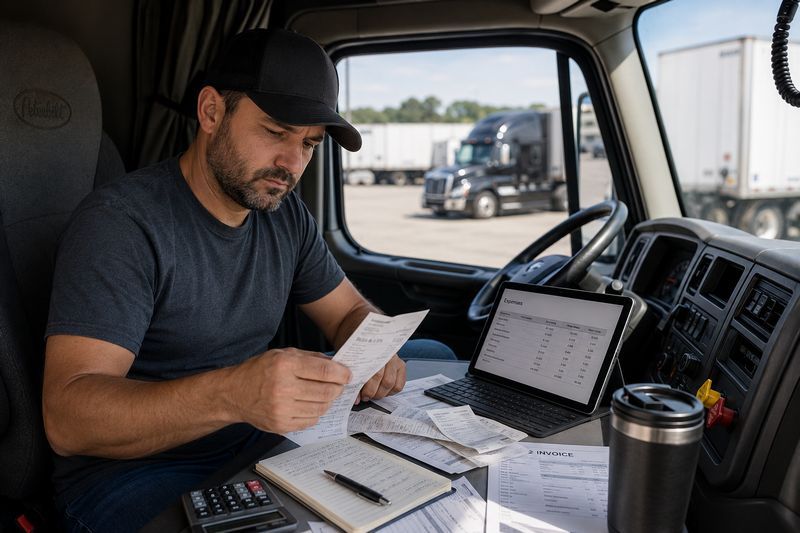
For drivers operating on tight budgets, accurate financial records can make the difference between staying profitable and constantly struggling with cash flow problems.
How Proper Bookkeeping Helps Owner-Operators Stay Profitable
Owner-operators have many business expenses that company drivers usually never think about. Fuel, tires, repairs, insurance, permits, tolls, maintenance, and truck payments all add up quickly.
Without proper bookkeeping, it becomes very difficult to know whether loads are actually profitable. A driver may feel busy and constantly on the road while still losing money because expenses are not tracked correctly.
For example, an owner-operator may gross $8,000 in a week but fail to realize that fuel, repairs, insurance, and deadhead miles reduced actual profit dramatically.
Proper bookkeeping helps drivers:
- Track income accurately
- Monitor fuel spending
- Calculate profit per load
- Plan for repairs and taxes
- Avoid overspending
- Improve long-term financial stability
Drivers who understand their numbers usually make smarter business decisions and avoid many financial surprises.
Common Financial Mistakes Truck Drivers Make
Many truck drivers struggle with bookkeeping simply because they are busy driving long hours and managing daily operations.
One of the biggest mistakes is mixing personal and business expenses together. Using the same bank account for groceries, family bills, truck repairs, and fuel creates confusion during tax season.
Another common mistake is failing to save receipts. Small purchases like truck washes, tools, parking fees, and scale tickets may seem unimportant individually, but together they can become significant tax deductions.
Some drivers also forget to track deadhead miles properly. Empty miles still cost fuel, maintenance, and time, and they directly affect profitability.
Other common bookkeeping mistakes include:
- Ignoring quarterly tax payments
- Failing to reconcile bank statements
- Losing fuel receipts
- Not tracking maintenance costs
- Forgetting toll and parking expenses
- Waiting until tax season to organize records
Many truckers only realize bookkeeping problems after facing IRS issues, cash flow shortages, or unexpected repair bills.
Why Poor Recordkeeping Can Lead to Tax Problems
Poor bookkeeping often creates serious tax problems for owner-operators and independent truck drivers.
The trucking industry includes many deductible business expenses, but drivers must keep proper documentation to support those deductions. Missing receipts or incomplete records can create problems during audits.
For example, a driver may spend thousands of dollars yearly on fuel, repairs, tolls, and meals but fail to claim those deductions correctly because records were lost or poorly organized.
Incorrect mileage tracking can also create problems with IFTA reporting and tax filings. Fuel tax audits may become expensive if records are incomplete or inaccurate.
Poor bookkeeping may lead to:
- Missed deductions
- Higher tax bills
- IRS penalties
- Audit risks
- Interest charges
- Incorrect profit reporting
Many drivers underestimate how important financial organization becomes once they operate as independent businesses instead of regular employees.
How Accurate Books Help Truckers Grow Their Business
Good bookkeeping does more than simply help with taxes. It also helps truck drivers grow their business more confidently.
Drivers with organized financial records can better understand:
- Which loads are most profitable
- Which routes cost too much
- How fuel affects profits
- When to replace equipment
- Whether they can afford another truck
- How much emergency savings they need
Accurate records also help drivers apply for financing more easily. Banks and lenders usually want proof of income, expense history, and business stability before approving truck loans or business credit.
For example, a driver with clean financial records may qualify for better financing when purchasing another work truck through BidNDrive or expanding into a small fleet operation.
Without organized bookkeeping, many owner-operators struggle to scale their business successfully.
Why Independent Truck Drivers Need a Financial System
Independent truck drivers are not just drivers — they are small business owners. That means they need systems to manage money properly.
A financial system does not need to be complicated. Even simple habits can make a huge difference:
- Saving every receipt
- Tracking income weekly
- Using separate business accounts
- Recording mileage consistently
- Reviewing expenses monthly
- Backing up important documents digitally
Drivers who create financial routines usually experience less stress during tax season and have better control over their business overall.
A strong bookkeeping system also helps drivers survive slow freight markets, rising fuel prices, and unexpected repairs. Instead of constantly reacting to financial problems, organized drivers can plan ahead more effectively.
What Financial Records Should Truck Drivers Keep?
Truck drivers deal with many business expenses every week, and keeping proper financial records is extremely important for staying organized and profitable. Good recordkeeping helps owner-operators track expenses, prepare taxes correctly, manage cash flow, and avoid problems during audits.
Many drivers lose money simply because they fail to document expenses properly. Small costs may not seem important in the moment, but over time they can add up to thousands of dollars in deductions and business expenses.
Keeping organized records also helps drivers understand the true cost of operating a truck and running a trucking business.
Fuel Receipts and Fuel Tax Records
Fuel is usually one of the largest expenses for truck drivers, so fuel records must be tracked carefully.
Drivers should save every fuel receipt and make sure the receipt includes:
- Date of purchase
- Fuel station location
- Gallons purchased
- Total amount paid
- Truck unit number if possible
These records are especially important for IFTA reporting. Incorrect or missing fuel documentation can create tax problems and increase audit risks.

Many drivers use fuel cards or trucking apps to simplify tracking, but paper receipts should still be backed up digitally whenever possible.
Fuel records also help drivers calculate fuel mileage and identify routes or driving habits that waste money unnecessarily.
Maintenance and Repair Expenses
Truck maintenance costs can become unpredictable very quickly. Repairs, oil changes, tires, brakes, roadside service, and preventive maintenance all need to be documented carefully.
Drivers should keep invoices and receipts for:
- Engine repairs
- Tire replacements
- Oil and filter changes
- Brake service
- Towing costs
- DOT inspections
- Parts purchases
- Emergency roadside repairs
Tracking maintenance history helps drivers budget more accurately for future repairs.
For example, if a truck consistently requires expensive repairs every few months, the owner may decide it is cheaper to replace the vehicle instead of continuing repairs.
Good maintenance records can also increase resale value when selling a work truck later.
Toll, Parking, and Scale Ticket Records
Small operating expenses often get ignored, but they add up quickly throughout the year.
Truck drivers should save records for:
- Tolls
- Parking fees
- Weigh station tickets
- Scale tickets
- Truck stop parking
- Bridge fees
- Road use permits
Many owner-operators spend hundreds or even thousands of dollars yearly on these expenses.
Without proper records, drivers may miss legitimate tax deductions that could reduce taxable income significantly.
Digital toll statements and E-ZPass reports can also help simplify bookkeeping and reduce lost paperwork.
Insurance and Registration Documents
Insurance paperwork is another critical part of trucking bookkeeping.
Drivers should keep organized copies of:
- Truck insurance policies
- Cargo insurance
- Liability coverage
- Trailer insurance
- Workers’ compensation documents
- Registration renewals
- License plate fees
- IRP registration paperwork
- Permit renewals
These records help drivers track operating costs and prove compliance if needed during inspections or audits.
Insurance premiums are also major deductible business expenses, especially for owner-operators running independently.
Keeping insurance and registration documents organized prevents problems during roadside inspections and business renewals.
Dispatch Sheets and Load Confirmations
Dispatch records help truck drivers track income and verify completed work.
Important documents include:
- Rate confirmations
- Dispatch sheets
- Bills of lading
- Load confirmations
- Broker agreements
- Delivery receipts
- Freight invoices
These records help drivers compare income against operating expenses and calculate profitability per load.
For example, a load that initially looks profitable may actually lose money after considering fuel, deadhead miles, tolls, and maintenance costs.
Dispatch records also help resolve payment disputes with brokers or shippers if problems occur later.
Organized load records make bookkeeping much easier during tax season.
Mileage Logs and Odometer Tracking
Mileage tracking is extremely important for trucking businesses, especially for IFTA reporting and tax compliance.
Drivers should keep accurate records of:
- Total trip miles
- Miles driven in each state
- Loaded miles
- Deadhead miles
- Odometer readings
- Fuel stops by state
Poor mileage tracking can create major tax problems and inaccurate fuel tax calculations.
Many truckers now use ELD systems and GPS tracking tools to automate mileage logging, but drivers should still review records regularly for accuracy.
Mileage records also help drivers understand which routes are most profitable and how efficiently the truck is being operated.
Truck Lease and Loan Payment Records
Truck payments are one of the largest monthly expenses for many owner-operators.
Drivers should keep organized records for:
- Lease agreements
- Loan contracts
- Monthly truck payments
- Interest charges
- Trailer financing
- Equipment financing
- Down payment records
Tracking these expenses helps drivers monitor debt obligations and understand long-term operating costs.
Loan documents are also important when preparing taxes because interest payments may qualify as deductible business expenses.
Drivers shopping for replacement trucks through BidNDrive may also need organized financial records when applying for financing or business credit.
Driver Payroll and Contractor Payments
Fleet owners and small trucking companies must also track payments made to drivers or contractors.
Important payroll records include:
- Driver pay statements
- Contractor invoices
- 1099 payments
- Payroll taxes
- Bonuses
- Reimbursements
- Settlement sheets
Accurate payroll bookkeeping helps prevent tax reporting mistakes and legal problems.
Even small trucking operations need organized payment systems to avoid confusion and maintain accurate financial reporting.
For owner-operators working alone, keeping personal compensation records still helps separate business income from personal spending.
Bank Statements and Credit Card Transactions
Bank statements and business credit card records provide a complete picture of business activity.
Truck drivers should review statements regularly to:
- Verify expenses
- Catch duplicate charges
- Identify fraud
- Track automatic payments
- Reconcile income deposits
Using separate business accounts makes bookkeeping much easier and helps avoid mixing personal expenses with trucking expenses.
Dedicated business credit cards also simplify expense tracking because fuel, repairs, and maintenance costs remain separated from personal purchases.
Drivers who review financial statements consistently usually catch problems earlier and maintain better control over cash flow.
Why Saving Every Receipt Matters
Many truck drivers underestimate how important receipts become over time.
A single coffee or parking ticket may seem unimportant, but small expenses accumulate quickly across an entire year of trucking operations.
Saving receipts helps drivers:
- Maximize deductions
- Reduce taxable income
- Support expense claims during audits
- Track spending habits
- Improve budgeting accuracy
Lost receipts often mean lost money during tax season.
Many drivers now use smartphone apps to scan receipts immediately after purchases. Digital storage reduces clutter and makes records easier to organize later.
Good receipt habits may feel time-consuming at first, but they save major stress when preparing taxes, reviewing business expenses, or dealing with audits.
Find Budget-Friendly Work Trucks Through Online Auctions
Managing trucking expenses starts with controlling equipment costs. BidNDrive helps owner-operators access used work trucks, semi trucks, fleet vehicles, and commercial trucks from major U.S. online auctions at lower prices than many dealerships.
- ✅ Access to thousands of commercial auction vehicles
- ✅ Lower prices compared to traditional dealerships
- ✅ Free auction history reports with active deposit
- ✅ Nationwide auction access without dealer license
How Can Truck Drivers Organize Their Bookkeeping?
Good bookkeeping is not only about saving receipts and tracking income. Organization is what makes financial records actually useful. Many truck drivers lose valuable deductions, miss payments, or create tax problems simply because their records are scattered across paper folders, glove compartments, text messages, and random apps.
A simple bookkeeping system helps drivers save time, reduce stress, and stay prepared for taxes, audits, and business decisions. The goal is not to create complicated accounting systems. The goal is to build easy habits that work consistently even during busy weeks on the road.
For owner-operators managing tight budgets, organized bookkeeping can help protect profits and avoid expensive financial mistakes.
Using Separate Business and Personal Bank Accounts
One of the smartest things a truck driver can do is separate business and personal finances completely.
Using one account for both business and personal spending creates confusion very quickly. Fuel purchases, grocery bills, truck repairs, family expenses, and insurance payments become mixed together, making bookkeeping difficult and messy.
Separate bank accounts make it easier to:
- Track trucking income
- Monitor business expenses
- Prepare taxes
- Review cash flow
- Prove deductions during audits
- Understand actual business profitability
Even single-truck owner-operators benefit from this separation.
For example, if a driver deposits freight payments into a dedicated business account and uses that account only for trucking expenses, monthly bookkeeping becomes much simpler.
Separate accounts also help drivers avoid accidentally spending tax money or maintenance reserves on personal expenses.
Why Truckers Should Use a Dedicated Business Credit Card
A dedicated business credit card can simplify bookkeeping dramatically for truck drivers.
Instead of sorting through personal purchases and trucking expenses together, drivers can use one card specifically for:
- Fuel
- Repairs
- Tolls
- Parking
- Truck washes
- Hotels
- Tires
- Maintenance parts
This creates automatic transaction records that are much easier to review later.
Business credit cards also help drivers:
- Build business credit
- Track spending categories
- Download monthly reports
- Manage cash flow
- Reduce bookkeeping errors
Some cards also offer fuel rewards or cashback programs that help owner-operators save money over time.
However, drivers should avoid carrying large balances whenever possible. High-interest debt can quickly damage profitability in the trucking business.
The key advantage is organization and expense tracking, not overspending.
Digital vs Paper Receipt Storage
Truck drivers today can choose between paper receipt systems, digital storage, or a combination of both.
Paper receipts still work, but they create problems over time. Receipts fade, get damaged, disappear in the truck cab, or become difficult to organize after several months on the road.
Digital storage is becoming much more popular because it allows drivers to:
- Scan receipts instantly
- Store backups securely
- Search records quickly
- Reduce physical clutter
- Share files easily with accountants
Many drivers still keep paper copies temporarily while also creating digital backups.
For example, a driver may place paper receipts into a folder during the week and then scan everything into organized digital folders at the end of the month.
The most important thing is consistency. A simple system used regularly works better than a complicated system abandoned after two weeks.
Best Ways to Scan and Archive Documents
Scanning receipts and financial records immediately helps prevent lost paperwork.
Many truck drivers now use smartphone scanning apps to capture:
- Fuel receipts
- Repair invoices
- Toll records
- Insurance documents
- Bills of lading
- Tax forms
Digital files should be stored in organized folders with clear names and dates.
For example:
- 2026_Fuel_Receipts
- 2026_Maintenance
- January_Repairs
- IFTA_Q1_2026
Cloud storage services help protect files if a phone, laptop, or truck computer gets damaged or stolen.
Drivers should also back up important financial records regularly because losing tax documents or expense records can create major problems later.
Simple organization today can prevent huge stress during tax season.
Organizing Files by Month and Expense Category
One of the easiest ways to stay organized is separating records by both month and expense type.
For example, drivers can create folders for:
- Fuel
- Repairs
- Tolls
- Insurance
- Permits
- Maintenance
- Truck payments
- Taxes
- Income statements
Inside each category, documents can then be sorted by month.
This makes it much easier to:
- Find records quickly
- Review spending patterns
- Calculate deductions
- Prepare quarterly taxes
- Respond to audits
Drivers who organize records monthly usually avoid the massive paperwork backlog that builds up before tax season.
A few minutes of organization each week can save many hours later.
Daily, Weekly, and Monthly Recordkeeping Habits
Bookkeeping becomes much easier when drivers build small routines instead of waiting until the end of the year.
Daily habits may include:
- Saving fuel receipts
- Logging mileage
- Recording tolls
- Tracking load payments
Weekly habits may include:
- Scanning receipts
- Reviewing bank transactions
- Updating expense spreadsheets
- Checking fuel costs
Monthly habits may include:
- Reconciling bank accounts
- Reviewing profit and loss reports
- Organizing folders
- Preparing tax estimates
- Reviewing maintenance spending
Drivers who stay consistent with small bookkeeping tasks usually avoid major financial confusion later.
Even 10 to 15 minutes of regular organization can make a huge difference over time.
How to Create an Audit-Proof Filing System
An audit-proof bookkeeping system means keeping records organized, accurate, and easy to verify.
Truck drivers should always maintain:
- Clear receipts
- Matching bank transactions
- Organized mileage logs
- Accurate fuel records
- Backup copies of documents
- Proper tax forms
- Consistent income records
The IRS and fuel tax authorities may request proof of deductions or mileage during audits. Drivers without organized records often struggle to defend their expenses properly.
A strong filing system should allow drivers to quickly locate:
- Fuel receipts by date
- Repair invoices
- Insurance payments
- Toll records
- IFTA documentation
- Dispatch records
- Bank statements
Digital backups are extremely important because paper records can be lost, damaged, or destroyed.
Good bookkeeping systems also reduce stress. Drivers with organized records usually feel far more confident during tax season because they already know where their paperwork is located.
Top Bookkeeping Tips for Owner-Operator Truck Drivers
Bookkeeping can feel overwhelming for owner-operators because trucking already demands long hours, constant travel, fuel planning, maintenance management, and load scheduling. Many drivers push bookkeeping aside until tax season arrives, but waiting too long often creates stress, missing records, and expensive mistakes.
The good news is that bookkeeping does not need to be complicated. Small habits practiced consistently can help truck drivers stay organized, reduce financial problems, and improve long-term profitability.
For owner-operators working with tight margins, strong bookkeeping habits are just as important as finding good-paying loads.
Save Every Receipt — Even Small Purchases
One of the most important bookkeeping habits is saving every receipt, even for small purchases.
Many drivers throw away receipts for coffee, parking, truck washes, tolls, tools, gloves, or scale tickets because the amounts seem insignificant. However, these expenses add up quickly throughout the year.
A driver spending only a few dollars daily on small business expenses may still accumulate thousands of dollars in deductible costs annually.
Important receipts include:
- Fuel purchases
- Repairs
- Parking fees
- Truck stop expenses
- Tolls
- Meals during business travel
- Maintenance parts
- Scale tickets
- Supplies and equipment
Saving receipts also helps protect drivers during audits because expenses without documentation may not qualify as deductions.
Many truckers now scan receipts immediately using mobile apps to avoid losing paper copies.
Keep a Running Tally of Expenses and Income
Many owner-operators know roughly how much they earn but have no clear understanding of their actual profits.
Keeping a running record of both income and expenses helps drivers understand where money is going every week.
This can be done using:
- Spreadsheets
- Bookkeeping software
- Mobile apps
- Accounting programs
- Simple handwritten logs
The key is updating records consistently instead of waiting until the end of the month or year.
Tracking income and expenses regularly helps drivers:
- Spot overspending quickly
- Calculate profit per load
- Monitor fuel costs
- Prepare taxes
- Manage cash flow
For example, a driver may discover that certain routes or brokers consistently produce lower profits after accounting for fuel, tolls, and deadhead miles.
Without accurate tracking, these financial problems often go unnoticed.
Reconcile Bank Accounts Regularly
Bank reconciliation means comparing bookkeeping records against actual bank statements and credit card transactions.
This process helps drivers identify:
- Missing transactions
- Duplicate charges
- Fraud
- Accounting errors
- Incorrect deposits
- Unrecorded expenses
Many truck drivers skip reconciliation because it feels time-consuming, but it prevents major bookkeeping problems later.
Even reviewing accounts once per week can help catch mistakes early.
Drivers who use separate business bank accounts and dedicated business credit cards usually find reconciliation much easier.
Regular account reviews also help owner-operators understand whether cash flow is improving or becoming unstable.
Track Maintenance Costs Carefully
Truck maintenance is one of the biggest operating expenses in the trucking industry.
Many drivers only focus on major repairs while ignoring smaller maintenance costs that slowly increase over time.
Careful tracking helps drivers understand:
- Average monthly maintenance costs
- Cost trends over time
- Whether repairs are becoming excessive
- When replacing the truck may make more financial sense
Important maintenance records include:
- Oil changes
- Tires
- Brake work
- Engine repairs
- Roadside assistance
- Suspension work
- Preventive maintenance
- DOT inspections
For example, if a truck starts requiring expensive repairs every few months, organized records may reveal that continuing repairs is costing more than upgrading to another used work truck through BidNDrive.
Good maintenance tracking also improves budgeting accuracy and reduces surprise repair stress.
Record Deadhead Miles and Fuel Usage
Deadhead miles are one of the biggest hidden profit killers in trucking.
Many drivers track loaded miles carefully but ignore empty miles driven between loads or during repositioning trips.
Deadhead miles still create:
- Fuel costs
- Tire wear
- Maintenance expenses
- Lost driving time
Tracking both loaded and unloaded miles helps drivers evaluate true profitability.
Fuel usage tracking is equally important. Monitoring fuel economy can help identify:
- Inefficient driving habits
- Poor route planning
- Mechanical problems
- Excessive idling
- Fuel theft issues
Small improvements in fuel efficiency can save owner-operators thousands of dollars annually.
Drivers who monitor fuel and mileage closely often make smarter dispatch and route decisions.
Review Profit and Loss Statements Monthly
Many truck drivers judge their financial success based only on how much money enters their bank account.
However, revenue alone does not show actual profitability.
Monthly profit and loss reviews help drivers understand:
- Total income
- Total expenses
- Net profit
- Operating trends
- Areas wasting money
This allows owner-operators to make better business decisions instead of relying on guesses.
For example, a driver may discover that rising insurance costs or maintenance expenses are slowly reducing profits even though freight revenue appears stable.
Monthly reviews also help drivers prepare for seasonal freight changes and slower markets more effectively.
Even simple profit tracking creates much better financial awareness.
Prepare for Quarterly Taxes in Advance
One of the biggest financial mistakes owner-operators make is waiting until tax season to think about taxes.
Independent truck drivers are usually responsible for quarterly estimated tax payments. Failing to prepare can create:
- Large unexpected tax bills
- IRS penalties
- Interest charges
- Cash flow problems
Smart owner-operators regularly set aside part of their income specifically for taxes.
Many drivers transfer a percentage of every load payment into a separate savings account reserved for tax obligations.
Quarterly preparation reduces stress and prevents situations where drivers must use repair funds or emergency savings to cover tax bills.
Good bookkeeping makes tax planning much easier because drivers already know their income and deductible expenses accurately.
Separate Personal and Business Spending
Mixing personal and business spending is one of the fastest ways to create bookkeeping confusion.
Using one account for:
- Family bills
- Fuel purchases
- Truck repairs
- Groceries
- Insurance payments
- Personal shopping
makes it difficult to track business profitability and prepare taxes correctly.
Separate accounts simplify:
- Expense tracking
- Tax reporting
- Bank reconciliation
- Audit preparation
- Business budgeting
Even single-truck owner-operators benefit greatly from separating finances clearly.
This habit also helps drivers develop stronger financial discipline and better understand the true financial health of their trucking business.
Store Backup Copies of Important Financial Files
Lost financial records can create serious problems during audits, tax preparation, or insurance disputes.
Truck drivers should always maintain backup copies of important documents such as:
- Fuel receipts
- Repair invoices
- Tax forms
- Insurance records
- Bank statements
- Dispatch paperwork
- IFTA records
- Maintenance logs
Cloud storage, external hard drives, and mobile scanning apps make digital backups much easier today.
Paper receipts can fade, get wet, or disappear inside the truck cab. Digital copies provide extra protection if physical documents are lost.
Organized backups also save time when working with accountants or preparing taxes.
Work With a Trucking-Specific Accountant When Needed
Many owner-operators try handling everything themselves at first, which can work for smaller operations. However, trucking taxes and bookkeeping become more complicated as businesses grow.
A trucking-specific accountant understands:
- IFTA reporting
- Fuel tax requirements
- Per diem rules
- Truck depreciation
- Equipment write-offs
- Owner-operator deductions
- Multi-state tax issues
Good accountants can often help drivers save far more money than their service fees cost.
Drivers should especially consider professional help if they:
- Operate multiple trucks
- Struggle with taxes
- Fall behind on bookkeeping
- Face audits
- Have complicated deductions
- Plan fleet expansion
Even drivers managing bookkeeping independently may benefit from occasional professional reviews to catch mistakes early.
What Expenses Can Truck Drivers Deduct on Taxes?
Owner-operators and independent truck drivers have many business expenses that may qualify as tax deductions. Understanding these deductions is extremely important because they can significantly reduce taxable income and help truckers keep more of the money they earn.
Many drivers overpay taxes simply because they fail to track deductible expenses properly. Small daily costs often become major deductions when added together over an entire year.
Good bookkeeping and organized receipts are critical because deductions usually require documentation. Without proper records, drivers may lose legitimate tax savings during audits or tax preparation.
Fuel Expenses and Fuel Tax Credits
Fuel is usually the largest operating expense for truck drivers, which makes fuel deductions extremely important.
Drivers can generally deduct:
- Diesel fuel purchases
- DEF fluid
- Fuel additives
- Fuel card fees
- Fuel-related taxes
Fuel tax credits may also apply in certain situations, especially when fuel taxes were paid for non-highway use or specific qualifying operations.
Accurate fuel records are especially important for IFTA reporting. Drivers should keep detailed fuel receipts showing:
- Date
- Location
- Gallons purchased
- Total amount paid
Fuel deductions can save owner-operators thousands of dollars yearly, especially for long-haul drivers with high mileage.
Truck Repairs and Preventive Maintenance
Truck repairs and maintenance costs are generally deductible business expenses because they help keep the truck operating safely and efficiently.
Deductible maintenance expenses may include:
- Brake repairs
- Engine work
- Electrical repairs
- Suspension repairs
- Transmission service
- Cooling system repairs
- DOT inspections
- Roadside service
Preventive maintenance is also important because regular servicing helps reduce expensive breakdowns later.
Drivers who carefully track maintenance expenses often gain a better understanding of total truck ownership costs. This becomes especially useful when deciding whether to continue repairing an older truck or replace it with another used work truck through BidNDrive.
Tires, Oil Changes, and Parts
Tires and routine service expenses may not feel dramatic individually, but they become major annual costs for truck drivers.
Deductible expenses may include:
- Tire replacements
- Tire balancing
- Alignments
- Oil changes
- Filters
- Brake pads
- Batteries
- Hoses
- Belts
- Replacement parts
Heavy-duty truck tires alone can cost thousands of dollars yearly depending on mileage and driving conditions.
Keeping organized receipts for routine service helps maximize deductions and also helps drivers monitor long-term maintenance trends.
Small preventive expenses today often prevent larger repair bills later.
Insurance Premiums and Permits
Insurance is another major expense category for owner-operators and trucking businesses.
Deductible insurance costs may include:
- Liability insurance
- Cargo insurance
- Physical damage coverage
- Trailer insurance
- Occupational accident insurance
- Workers’ compensation coverage
Truck drivers can also deduct many permit and registration expenses such as:
- IRP registration fees
- UCR fees
- DOT permits
- State permits
- CDL renewal fees
- Oversize load permits
These costs add up quickly throughout the year, especially for interstate operators.
Drivers should organize insurance paperwork carefully because policies and renewals are often needed during audits and business reviews.
Cell Phone and Internet Expenses
Cell phones and internet service are essential business tools for modern truck drivers.
Owner-operators use phones constantly for:
- Dispatch communication
- GPS navigation
- Load boards
- Banking
- Fuel apps
- ELD systems
- Email communication
- Accounting software
Business-related portions of phone and internet expenses may qualify as deductions.
Drivers should maintain reasonable documentation showing that devices are used for business purposes.
Additional deductible technology expenses may include:
- Tablets
- Mobile hotspots
- GPS subscriptions
- Communication apps
- Truck Wi-Fi systems
Reliable communication tools are critical for trucking operations, especially for independent drivers managing loads and finances themselves.
Meals and Travel Expenses
Truck drivers often spend long periods away from home, which creates travel-related business expenses.
Depending on current tax rules and eligibility, drivers may deduct qualifying:
- Meals
- Hotels
- Showers
- Laundry services
- Travel-related expenses
Per diem rules may also apply for eligible long-haul truck drivers.
Travel deductions can become valuable because life on the road creates many unavoidable daily expenses.
However, drivers should understand that meal deduction rules can change over time, so working with a trucking-specific accountant is often helpful.
Accurate travel records and receipts help protect these deductions if questions arise later.
Tolls, Parking Fees, and Weigh Stations
Small trucking expenses often become large annual deductions once combined.
Deductible costs may include:
- Highway tolls
- Bridge tolls
- Parking fees
- Truck stop parking
- Weigh station fees
- Scale tickets
- Road access charges
Many drivers underestimate how much money they spend yearly on these expenses.
Electronic toll statements and mobile payment systems make tracking easier today, but drivers should still save digital or paper records whenever possible.
Even small daily expenses matter when trying to reduce taxable income legally.
Office Supplies and Dispatch Software
Independent truck drivers operate small businesses, which means many office-related expenses may qualify as deductions.
Possible deductible business expenses include:
- Printers
- Paper
- Ink
- Notebooks
- Filing supplies
- Accounting software
- Dispatch software
- Load board subscriptions
- Bookkeeping apps
- ELD subscription fees
Many drivers now rely heavily on software for managing loads, mileage tracking, fuel reporting, bookkeeping, and tax preparation.
Technology expenses have become a normal part of operating a trucking business efficiently.
Drivers should track these subscriptions carefully because monthly software charges often go unnoticed but accumulate significantly over time.
Truck Depreciation and Equipment Purchases
Truck depreciation is one of the largest tax deductions available to many owner-operators.
Instead of deducting the full purchase price immediately, trucks and large equipment are often depreciated over time according to tax rules.
Deductible equipment purchases may include:
- Trucks
- Trailers
- Refrigeration units
- Liftgates
- Toolboxes
- ELD equipment
- Safety equipment
- Auxiliary power units
Special depreciation rules or Section 179 deductions may allow faster write-offs in some situations.
Because depreciation rules can become complicated, many owner-operators work with accountants to maximize tax savings properly.
Understanding total ownership costs is especially important when purchasing another truck through online auction platforms like BidNDrive.
Home Office Deductions for Owner-Operators
Some owner-operators may qualify for home office deductions if part of their home is used regularly and exclusively for business purposes.
Possible deductible home office expenses may include:
- Office space
- Internet service
- Utilities
- Office furniture
- Computer equipment
- Business phone lines
Many truck drivers use home offices for:
- Dispatch work
- Bookkeeping
- Tax preparation
- Load planning
- Invoice management
- Compliance paperwork
To qualify, the office space generally must be used specifically for business activities rather than personal use.
Home office deductions can help reduce taxable income further, especially for owner-operators handling their own administration and financial management.
How Does IFTA Affect Truck Driver Bookkeeping?
IFTA bookkeeping is one of the most important financial responsibilities for owner-operators and interstate trucking businesses. Drivers operating across multiple states must carefully track fuel purchases and mileage because fuel taxes are distributed differently depending on where the truck travels.
Poor IFTA recordkeeping can create serious problems, including penalties, audits, interest charges, and incorrect tax payments. Many truck drivers struggle with IFTA simply because they do not organize records consistently throughout the year.
The good news is that proper bookkeeping habits and modern tracking tools can make IFTA reporting much easier and far less stressful.
What Is IFTA and Why Is It Important?
IFTA stands for the International Fuel Tax Agreement. It is a system used by U.S. states and Canadian provinces to simplify fuel tax reporting for commercial motor carriers operating across multiple jurisdictions.
Instead of filing separate fuel tax reports in every state, truck drivers file one combined quarterly IFTA report through their base jurisdiction.
The purpose of IFTA is to make sure fuel taxes are distributed fairly based on where miles were actually driven.
For example, a truck may purchase fuel in Georgia but drive through Tennessee, Kentucky, and Ohio. IFTA calculates how fuel taxes should be divided among those states based on mileage traveled.
IFTA applies mainly to qualifying commercial vehicles that:
- Operate in multiple states or provinces
- Meet certain weight requirements
- Carry interstate loads
Accurate bookkeeping becomes extremely important because drivers must maintain detailed records supporting every IFTA report filed.
How to Track Miles by State
Mileage tracking is one of the most important parts of IFTA bookkeeping.
Drivers must record how many miles the truck travels in each state during every reporting period. Incorrect mileage records can create major problems during audits.
Important mileage information includes:
- Trip dates
- Starting and ending locations
- Odometer readings
- Total trip miles
- Miles driven in each state
- Route information
Many truck drivers now use ELD systems, GPS tracking tools, and fleet management software to automate state mileage tracking.
However, drivers should still review records carefully because technology errors can happen.
Poor mileage tracking often leads to:
- Incorrect tax calculations
- Overpayment or underpayment of fuel taxes
- Audit risks
- Missing records
- Penalties and interest
Drivers who track mileage daily usually avoid large reporting problems later.
Fuel Purchase Documentation Requirements
Fuel receipts are critical for IFTA compliance. Without proper documentation, fuel purchases may not qualify during audits.
A valid fuel receipt should usually include:
- Date of purchase
- Seller’s name and address
- Number of gallons purchased
- Fuel type
- Total amount paid
- Vehicle or unit number when possible
Drivers should save every fuel receipt carefully, including small purchases.
Electronic fuel card statements can help organize records, but paper or digital receipt copies are still extremely important for audit protection.
Many truckers scan receipts immediately using mobile apps to avoid losing paperwork on the road.
Missing fuel records can become very expensive because auditors may disallow undocumented fuel purchases entirely.
Good fuel bookkeeping also helps drivers monitor fuel efficiency and operating costs more accurately.
Common IFTA Filing Mistakes
Many truck drivers make IFTA mistakes simply because they wait until the last minute to organize records.
Some of the most common IFTA filing mistakes include:
- Missing fuel receipts
- Incorrect mileage totals
- Estimating miles instead of tracking accurately
- Mixing personal and business fuel purchases
- Failing to reconcile odometer readings
- Forgetting deadhead miles
- Using incomplete trip records
- Entering incorrect state mileage
Another major problem is inconsistent bookkeeping. Some drivers track records carefully for a few weeks and then stop updating everything during busy freight periods.
Even small errors can create large tax problems over time.
Late IFTA filings may also result in:
- Penalties
- Interest charges
- Suspension risks
- Additional audits
Consistent organization is far easier than trying to rebuild months of missing records later.
Best Tools for Managing IFTA Reporting
Modern technology has made IFTA bookkeeping much easier compared to paper log systems used years ago.
Many truck drivers now use:
- ELD systems
- GPS mileage tracking software
- Fuel card reporting tools
- Trucking accounting software
- Expense tracking apps
- Fleet management systems
These tools help automate:
- State mileage tracking
- Fuel purchase recording
- Trip reports
- Tax calculations
- Audit documentation
Some accounting programs can even integrate fuel purchases directly into bookkeeping systems, reducing manual data entry.
However, technology should not completely replace human review. Drivers still need to verify records regularly for accuracy.
Even simple spreadsheets can work well for smaller owner-operators if updated consistently.
The best system is usually the one a driver will actually use every week.
How Accurate Records Reduce Audit Risks
Accurate bookkeeping is one of the best protections against IFTA audits and tax problems.
Auditors may request:
- Mileage records
- Fuel receipts
- Trip reports
- Odometer readings
- Fuel card statements
- Dispatch records
Drivers with organized records usually complete audits much faster and with far less stress.
Poor documentation creates red flags that may increase scrutiny and result in additional penalties.
Good bookkeeping helps drivers:
- Prove fuel purchases
- Verify mileage accuracy
- Support tax calculations
- Avoid estimated assessments
- Reduce audit risks
Keeping digital backups is also extremely important because paper records can be lost or damaged.
Many experienced owner-operators create monthly folders for:
- Fuel receipts
- Mileage logs
- Dispatch sheets
- IFTA reports
- Maintenance records
This organization makes quarterly reporting far easier.
What Accounting Methods Work Best for Truck Drivers?
Choosing the right accounting method is an important part of running a profitable trucking business. Many owner-operators focus mainly on loads, fuel, and maintenance, but poor financial tracking can quietly create serious cash flow and tax problems.
A good accounting system helps truck drivers understand how much money the business actually makes, when income arrives, and how expenses affect profitability. It also helps with taxes, budgeting, loan applications, and long-term business planning.
For independent truck drivers operating on tight margins, simple and consistent accounting methods usually work better than overly complicated systems.
Cash Basis vs Accrual Accounting Explained
The two main accounting methods used in trucking are cash basis accounting and accrual accounting.
Cash basis accounting is the simpler method. Income is recorded when money is actually received, and expenses are recorded when they are paid.
For example:
- A load delivered in March but paid in April counts as April income.
- A repair bill paid today counts as today’s expense.
Most small owner-operators prefer cash basis accounting because it is easier to understand and manage.
Accrual accounting works differently. Income is recorded when it is earned, even if payment has not arrived yet. Expenses are recorded when they are incurred, even if they are not paid immediately.
For example:
- A delivered load may count as income before the broker sends payment.
- A repair invoice may count as an expense before the bill is paid.
Accrual accounting provides a more detailed picture of long-term business performance, but it requires more bookkeeping work and organization.
Which Accounting Method Is Better for Owner-Operators?
For most independent truck drivers and small owner-operators, cash basis accounting is usually the better option.
It is simpler, easier to track, and works well for businesses with straightforward operations.
Cash basis accounting helps drivers:
- Monitor available cash
- Simplify tax preparation
- Reduce bookkeeping complexity
- Understand real bank balances
- Avoid confusion with unpaid invoices
Many owner-operators care most about actual money available for fuel, repairs, insurance, and truck payments. Cash basis accounting reflects this more directly.
However, larger trucking businesses or fleet operations sometimes use accrual accounting because it provides better long-term financial analysis.
For example, a fleet owner managing multiple trucks, drivers, and broker invoices may benefit from tracking unpaid receivables and future obligations more carefully.
The best system is often the one that matches the size and complexity of the trucking business.
How to Track Accounts Receivable and Invoices
Accounts receivable refers to money customers or brokers still owe after loads are delivered.
Tracking receivables is extremely important because trucking companies often wait days or weeks for payments.
Drivers should carefully track:
- Invoice dates
- Broker names
- Load numbers
- Payment due dates
- Amounts owed
- Outstanding balances
Poor invoice tracking can create major cash flow problems if unpaid loads go unnoticed.
Many truck drivers use:
- Spreadsheets
- Accounting software
- Transportation management systems
- Invoice tracking apps
to monitor receivables more efficiently.
Organized invoice systems help drivers identify:
- Late-paying brokers
- Missing payments
- Disputed invoices
- Problem customers
For example, a driver may realize one broker consistently delays payments by 45 days, making those loads less profitable despite higher rates.
Strong invoice tracking improves financial stability and helps owner-operators avoid cash shortages between loads.
Managing Cash Flow in the Trucking Industry
Cash flow is one of the biggest challenges in trucking.
Even profitable trucking businesses can struggle financially if incoming payments arrive too slowly while expenses continue daily.
Truck drivers must constantly manage:
- Fuel costs
- Repairs
- Insurance payments
- Truck payments
- Taxes
- Permit renewals
- Driver payroll
- Emergency breakdowns
At the same time, broker payments may take several weeks to arrive.
This creates situations where drivers appear profitable on paper but still struggle with daily operating cash.
Good bookkeeping and accounting help drivers:
- Monitor available cash
- Plan ahead for expenses
- Build emergency reserves
- Avoid unnecessary debt
- Prepare for slow freight periods
Some owner-operators also use factoring services to receive load payments faster, although factoring fees reduce overall profits.
Careful budgeting is especially important for drivers with older trucks because unexpected repairs can quickly damage cash flow.
Drivers purchasing lower-cost work trucks through BidNDrive often focus heavily on total ownership costs to help improve long-term cash flow stability.
Why Month-End Financial Reviews Matter
Many owner-operators focus only on daily operations and rarely review their overall financial performance.
Month-end financial reviews help drivers understand:
- Total revenue
- Fuel spending
- Maintenance costs
- Net profit
- Outstanding invoices
- Tax obligations
- Cash reserves
Without regular reviews, financial problems often remain hidden until they become serious.
For example, rising maintenance expenses or declining fuel efficiency may slowly reduce profitability without the driver noticing immediately.
Monthly reviews also help drivers:
- Identify unnecessary expenses
- Compare profitable routes
- Plan equipment upgrades
- Prepare quarterly taxes
- Adjust business strategies
Even simple monthly reviews can dramatically improve financial awareness.
Drivers do not necessarily need complicated accounting reports. Basic profit-and-loss summaries, expense tracking, and invoice reviews are often enough to make smarter business decisions.
What Software Helps Truck Drivers With Bookkeeping?
Modern trucking businesses generate a huge amount of financial data every week. Fuel purchases, repairs, invoices, tolls, mileage logs, dispatch paperwork, and tax records can quickly become overwhelming without proper software.
Bookkeeping software helps truck drivers stay organized, save time, reduce paperwork, and improve financial accuracy. Many owner-operators who once relied on paper folders and spreadsheets now use digital tools to manage their business more efficiently.
The best software is usually not the most complicated one. For most truck drivers, the right system is simple, reliable, and easy to use consistently while on the road.
Trucking Accounting Software Explained
Accounting software helps truck drivers track income, expenses, invoices, taxes, and overall profitability.
Instead of manually calculating everything, software can automatically organize:
- Fuel expenses
- Repair costs
- Load payments
- Bank transactions
- Tax records
- Profit and loss reports
Many trucking businesses use accounting programs because they reduce bookkeeping errors and simplify tax preparation.
Good accounting software also helps drivers:
- Monitor cash flow
- Track unpaid invoices
- Prepare quarterly taxes
- Generate financial reports
- Store digital receipts
Some accounting systems are designed specifically for trucking, while others are general business accounting programs adapted for owner-operators.
The most important factor is consistency. Even simple software becomes powerful if updated regularly.
Transportation Management Systems (TMS) for Financial Tracking
Transportation Management Systems, often called TMS platforms, help trucking companies manage both operations and finances.
A TMS can organize:
- Dispatch information
- Load tracking
- Broker payments
- Driver settlements
- Fuel costs
- Route planning
- Invoice management
For owner-operators running multiple loads every week, a TMS helps connect financial tracking directly with dispatch operations.
For example, drivers can compare:
- Revenue per load
- Fuel cost by route
- Deadhead mileage
- Profit margins
- Payment delays by broker
This makes it easier to identify which freight is actually profitable.
Larger fleets benefit even more because TMS platforms help manage multiple trucks, drivers, and customers in one system.
Many transportation management systems also integrate with accounting software to reduce duplicate data entry.
Best Apps for Receipt Scanning and Expense Tracking
Receipt scanning apps have become extremely popular among truck drivers because paper receipts are easy to lose or damage on the road.
Mobile apps allow drivers to:
- Scan receipts instantly
- Categorize expenses
- Store digital backups
- Track spending automatically
- Organize records by date
This helps simplify bookkeeping and reduce stress during tax season.
Expense tracking apps are especially useful for:
- Fuel receipts
- Repairs
- Meals
- Parking fees
- Tolls
- Maintenance purchases
- Hotel expenses
Many drivers use smartphone apps daily because they are faster than storing paper documents inside the truck cab.
Digital receipt storage also protects drivers during audits because records remain searchable and organized.
Even owner-operators working with small budgets can benefit greatly from simple mobile bookkeeping tools.
Software for Fuel, Mileage, and IFTA Reporting
Fuel and mileage tracking are critical parts of trucking bookkeeping because they directly affect profitability and IFTA reporting.
Specialized trucking software can help drivers:
- Track fuel purchases
- Monitor MPG performance
- Record state mileage
- Calculate fuel taxes
- Prepare IFTA reports
- Monitor idle time
Automated mileage tracking reduces many manual bookkeeping tasks that previously required paper trip logs.
These tools also help drivers identify:
- Excessive fuel consumption
- Unprofitable routes
- Poor fuel economy
- Missing mileage records
Many systems connect directly with fuel cards and ELD devices to simplify reporting further.
Good IFTA software reduces audit risks because records become more accurate and easier to verify.
For owner-operators operating across multiple states, fuel and mileage software can save many hours of paperwork every quarter.
Integrating ELD Data With Accounting Systems
Electronic Logging Devices (ELDs) are now standard in much of the trucking industry, and many bookkeeping systems can integrate directly with ELD data.
This integration helps automate:
- Mileage tracking
- Route records
- Fuel reporting
- Driver hours
- Trip summaries
Instead of manually entering mileage and trip data, drivers can transfer information automatically into accounting systems.
This reduces:
- Data entry mistakes
- Missing records
- Time spent on paperwork
Integrated systems also help improve financial reporting because mileage, fuel, and load data remain connected together.
For example, owner-operators can review:
- Revenue per mile
- Fuel cost per trip
- Deadhead percentages
- Maintenance cost trends
This creates a much clearer picture of business profitability.
Automation becomes especially valuable for drivers balancing long driving hours with bookkeeping responsibilities.
Cloud-Based vs Desktop Accounting Programs
Truck drivers today can choose between cloud-based accounting software and traditional desktop programs.
Cloud-based systems store data online and allow drivers to access records from:
- Smartphones
- Tablets
- Laptops
- Office computers
This flexibility is extremely useful for truckers constantly traveling between states.
Cloud systems also provide:
- Automatic backups
- Real-time updates
- Easier accountant access
- Remote document storage
Desktop accounting software stores data locally on one computer instead.
Some drivers prefer desktop programs because they:
- Work without internet access
- Offer more local control
- Avoid monthly subscription fees
However, desktop systems may create problems if computers fail or files are not backed up properly.
For most modern owner-operators, cloud-based bookkeeping systems are becoming more practical because trucking businesses are highly mobile.
How Automation Saves Time for Truck Drivers
Time management is one of the biggest challenges for owner-operators. Driving, dispatching, maintenance scheduling, invoicing, and bookkeeping all compete for attention.
Automation helps reduce repetitive paperwork tasks such as:
- Entering fuel purchases
- Matching receipts
- Tracking mileage
- Creating invoices
- Categorizing expenses
- Generating reports
This gives drivers more time to focus on:
- Finding profitable loads
- Managing operations
- Resting properly
- Planning business growth
Automation also improves accuracy because fewer manual calculations are required.
For example, software can automatically pull transactions from:
- Business bank accounts
- Fuel cards
- Credit cards
- ELD systems
This reduces bookkeeping mistakes and keeps records updated more consistently.
Many owner-operators initially resist software because they think it will be expensive or difficult to learn. In reality, even basic bookkeeping automation can save major time and reduce financial stress significantly.
Reduce Long-Term Trucking Costs With Smarter Vehicle Buying
Unexpected repairs and expensive truck payments can destroy cash flow for owner-operators. BidNDrive helps truck drivers compare affordable used trucks, fleet vehicles, and auction inventory to find equipment that matches their budget and business goals.
- ✅ Large selection of work trucks and semi trucks
- ✅ Vehicle history reports for better transparency
- ✅ Auction access from all major U.S. states
- ✅ Helpful support for first-time auction buyers
How Can Truck Drivers Manage Invoices and Payments?
Managing invoices and payments is one of the biggest financial responsibilities for owner-operators and independent trucking businesses. A truck driver may complete many profitable loads, but if invoices are delayed, disorganized, or unpaid, cash flow problems can quickly appear.
Fuel, repairs, insurance, and truck payments continue every week regardless of whether brokers or shippers pay on time. This is why strong invoice management is critical for staying financially stable in the trucking industry.
Simple systems for tracking invoices, payments, and outstanding balances can help drivers avoid stress and protect profits.
Creating Professional Freight Invoices
Professional invoices help truck drivers get paid faster and reduce payment disputes.
A good freight invoice should clearly include:
- Business name and contact information
- Invoice number
- Load number
- Pickup and delivery dates
- Broker or shipper information
- Agreed freight rate
- Additional charges if applicable
- Payment terms
- Total amount due
Invoices should also attach supporting documents such as:
- Signed bills of lading
- Rate confirmations
- Delivery receipts
- Lumper receipts if necessary
Clear and organized invoices create a more professional image and reduce confusion for brokers and accounting departments.
Many trucking software platforms now generate invoices automatically, saving time and reducing paperwork errors.
For owner-operators managing loads independently, consistent invoice formatting makes bookkeeping much easier later.
Tracking Outstanding Payments
Many trucking companies operate on delayed payments. Some brokers may pay within a few days, while others may take 30, 45, or even 60 days.
Without proper tracking, unpaid invoices can easily be forgotten.
Truck drivers should monitor:
- Invoice dates
- Payment due dates
- Broker payment history
- Outstanding balances
- Overdue invoices
Simple spreadsheets, bookkeeping software, or transportation management systems can help organize receivables more efficiently.
Tracking outstanding payments helps drivers:
- Identify slow-paying brokers
- Predict incoming cash flow
- Avoid financial surprises
- Follow up on unpaid invoices faster
For example, a driver may realize one broker consistently pays late, making those loads less profitable despite decent freight rates.
Strong payment tracking helps owner-operators make smarter business decisions about future loads and broker relationships.
Managing Broker and Shipper Payments
Broker and shipper payment management is one of the most important parts of trucking cash flow.
Some brokers have excellent payment reputations, while others delay payments regularly or create disputes over paperwork.
Truck drivers should carefully verify:
- Payment terms before accepting loads
- Required paperwork
- Invoice submission procedures
- Broker credit reputation
- Detention and layover policies
Keeping organized communication records also helps if payment disputes occur later.
Drivers should maintain copies of:
- Emails
- Rate confirmations
- Delivery receipts
- Signed paperwork
- Invoice submissions
Professional communication matters as well. Quick responses and organized documentation often help resolve payment issues faster.
Many experienced owner-operators prefer working repeatedly with reliable brokers because consistent payment behavior reduces financial stress significantly.
Factoring Services and Cash Flow Solutions
Factoring services are commonly used in trucking because waiting weeks for broker payments can create serious cash flow problems.
Factoring companies purchase unpaid invoices and provide drivers with immediate cash, usually within a day or two.
This helps owner-operators cover:
- Fuel costs
- Repairs
- Insurance payments
- Payroll
- Truck payments
without waiting for brokers to pay.
Factoring can improve short-term cash flow, especially for newer trucking businesses with limited savings.
However, factoring companies charge fees, which reduce overall profits.
Drivers should compare:
- Factoring rates
- Contract terms
- Hidden fees
- Payment speed
- Customer support
before choosing a factoring provider.
Some owner-operators eventually stop using factoring once they build stronger cash reserves and more stable broker relationships.
The goal is usually long-term financial stability, not permanent dependence on factoring.
Avoiding Late Payments and Collection Issues
Late payments are a major problem in the trucking industry. Even profitable owner-operators can struggle financially if payments arrive too slowly.
Several habits help reduce collection problems:
- Sending invoices immediately after delivery
- Double-checking paperwork accuracy
- Following broker invoice instructions carefully
- Confirming receipt of invoices
- Tracking overdue accounts consistently
Drivers should not wait too long before following up on unpaid invoices.
Professional communication is important. Calm and organized follow-up emails or phone calls often resolve issues quickly.
However, repeated late payments may signal unreliable brokers or financial instability.
Many experienced drivers avoid brokers with poor payment histories because chasing unpaid invoices wastes valuable time and creates unnecessary stress.
Good bookkeeping also helps drivers identify collection issues early before they become major financial problems.
Best Practices for Invoice Organization
Organized invoice systems make bookkeeping, taxes, and cash flow management much easier.
Truck drivers should organize invoices by:
- Month
- Broker
- Payment status
- Load number
- Customer name
Many owner-operators create separate folders for:
- Paid invoices
- Outstanding invoices
- Overdue invoices
- Factored invoices
Digital storage is especially helpful because invoices can be searched quickly during audits or payment disputes.
Drivers should also back up important records regularly using cloud storage or external drives.
Good invoice organization helps:
- Reduce bookkeeping stress
- Simplify tax preparation
- Improve cash flow visibility
- Prevent lost payments
- Support audit documentation
Strong financial organization also helps owner-operators prepare for business growth later.
For example, drivers planning to upgrade equipment or purchase additional work trucks through BidNDrive may need organized financial records when applying for financing or expanding operations.
Should Truck Drivers Hire a Bookkeeper or Accountant?
Many owner-operators handle bookkeeping themselves when starting out because they want to save money. In the beginning, this often makes sense, especially for single-truck operations with simple finances.
However, as trucking businesses grow, bookkeeping and taxes usually become more complicated. Fuel taxes, IFTA reporting, invoices, depreciation, maintenance costs, and quarterly tax payments can quickly create stress if records are not managed properly.
Hiring a bookkeeper or accountant can help truck drivers stay organized, avoid costly mistakes, and focus more time on running their business and hauling freight.
Differences Between a Bookkeeper and an Accountant
Many truck drivers use the words “bookkeeper” and “accountant” interchangeably, but they perform different roles.
A bookkeeper mainly handles daily financial organization tasks such as:
- Recording income and expenses
- Organizing receipts
- Tracking invoices
- Reconciling bank accounts
- Managing payroll records
- Maintaining bookkeeping software
An accountant usually handles higher-level financial and tax responsibilities such as:
- Tax preparation
- Financial analysis
- Tax planning
- Business structure advice
- Audit support
- Depreciation calculations
- Quarterly tax estimates
In simple terms, bookkeepers keep financial records organized, while accountants help interpret those records and manage taxes.
Some small trucking businesses use only an accountant during tax season, while larger operations may use both bookkeeping and accounting support year-round.
When DIY Bookkeeping Makes Sense
Handling bookkeeping yourself can work well for many owner-operators, especially early in the business.
DIY bookkeeping usually makes sense when:
- You operate one truck
- Your finances are relatively simple
- You are comfortable using accounting software
- You consistently organize receipts and invoices
- You have time for weekly bookkeeping tasks
Many drivers successfully manage their own bookkeeping using:
- Spreadsheets
- Mobile apps
- Accounting software
- Cloud-based bookkeeping systems
Doing bookkeeping yourself can save money and help drivers understand their business finances more closely.
For example, owner-operators who review expenses regularly often become more aware of:
- Fuel costs
- Maintenance spending
- Profit margins
- Cash flow problems
However, DIY bookkeeping only works if records are updated consistently. Waiting until tax season to organize months of paperwork usually creates confusion and stress.
Signs It’s Time to Hire a Professional
Many truck drivers eventually reach a point where professional bookkeeping or accounting becomes necessary.
Common signs include:
- Falling behind on paperwork
- Missing receipts regularly
- Confusion about taxes
- Struggling with IFTA reporting
- Cash flow problems
- Multiple trucks or drivers
- IRS notices or audits
- Unpaid invoices piling up
- Difficulty understanding profitability
Hiring a professional may also make sense when drivers want to:
- Expand their business
- Improve tax planning
- Apply for financing
- Reduce bookkeeping stress
- Focus more on driving and operations
For example, an owner-operator planning to grow into a small fleet may benefit greatly from professional financial systems before expansion creates larger bookkeeping problems.
Professional help often prevents expensive mistakes that cost far more than bookkeeping fees.
Benefits of Using a Trucking-Specific Bookkeeping Service
The trucking industry has unique financial and tax rules that many general bookkeepers may not fully understand.
A trucking-specific bookkeeping service is usually more familiar with:
- IFTA reporting
- Fuel tax requirements
- Owner-operator deductions
- Per diem rules
- Truck depreciation
- Maintenance expense tracking
- Multi-state operations
- Freight invoice management
This industry knowledge can help drivers avoid mistakes and maximize deductions properly.
Truck-specific bookkeeping services also understand the cash flow challenges owner-operators face, including delayed broker payments and fluctuating fuel costs.
Some trucking bookkeepers can even help drivers identify unprofitable routes or unnecessary expenses by reviewing operating data carefully.
For owner-operators running tight budgets, industry-specific financial guidance can improve profitability significantly.
Questions to Ask Before Hiring a Bookkeeper
Not every bookkeeper is a good fit for trucking businesses. Drivers should ask several important questions before hiring someone.
Helpful questions include:
- Do you work with trucking companies regularly?
- Do you understand IFTA reporting?
- What bookkeeping software do you recommend?
- How do you organize receipts and records?
- Can you help with quarterly taxes?
- Do you understand owner-operator deductions?
- How do you handle audits?
- What services are included in your fees?
Truck drivers should also ask about communication and responsiveness.
A good bookkeeper should explain financial information clearly instead of using confusing accounting language.
For budget-conscious owner-operators, pricing transparency is also extremely important. Drivers should understand exactly what services are included before signing agreements.
How Professional Accounting Can Reduce Tax Stress
Tax season creates major stress for many truck drivers, especially when records are disorganized.
Professional accountants help reduce this stress by:
- Organizing deductions properly
- Preparing tax filings accurately
- Calculating quarterly taxes
- Reviewing bookkeeping errors
- Managing depreciation schedules
- Handling audit questions
- Explaining tax rules clearly
Good accountants may also help drivers legally reduce taxable income through better financial planning.
For example, accountants can help owner-operators understand:
- Equipment write-offs
- Truck depreciation
- Fuel tax credits
- Business deductions
- Estimated tax payments
Professional accounting also helps drivers avoid costly IRS penalties caused by incorrect filings or missing records.
Many truck drivers feel overwhelmed trying to balance driving, dispatching, maintenance, invoicing, and taxes alone. Professional financial support allows drivers to focus more on operating their business efficiently.
This becomes especially valuable for owner-operators purchasing additional equipment or affordable work trucks through BidNDrive while planning long-term business growth.
How Can Truck Drivers Prepare for Tax Season?
Tax season can become extremely stressful for owner-operators who wait until the last minute to organize financial records. Missing receipts, incomplete mileage logs, unpaid taxes, and disorganized paperwork often create major problems that could have been avoided with better planning throughout the year.
Truck drivers operate small businesses, which means taxes are usually more complicated than standard employee tax returns. Fuel expenses, maintenance costs, depreciation, IFTA reporting, and quarterly tax obligations all require careful recordkeeping.
Preparing consistently during the year helps drivers reduce stress, avoid penalties, and maximize legitimate deductions.
Organizing Tax Documents Throughout the Year
The easiest way to survive tax season is to stay organized all year long.
Many truck drivers make the mistake of throwing receipts into envelopes or boxes and waiting until tax deadlines approach. By then, paperwork is often incomplete, damaged, or impossible to organize properly.
Drivers should maintain organized records for:
- Fuel receipts
- Repair invoices
- Insurance payments
- Toll expenses
- Mileage logs
- Bank statements
- Load confirmations
- Tax forms
- IFTA reports
Creating monthly folders — both digital and physical — makes tax preparation much easier later.
For example, drivers can organize records by:
- January Fuel Receipts
- February Repairs
- Quarterly Tax Payments
- Insurance Documents
- Maintenance Records
Small weekly bookkeeping habits save enormous amounts of time and frustration during tax season.
Quarterly Estimated Tax Payments Explained
Many owner-operators do not have taxes automatically withheld from their income like regular employees do.
Instead, independent truck drivers are usually responsible for making quarterly estimated tax payments throughout the year.
These payments help cover:
- Federal income taxes
- Self-employment taxes
- State taxes when applicable
Drivers who fail to make quarterly payments may face:
- IRS penalties
- Interest charges
- Large year-end tax bills
- Cash flow problems
One common mistake is spending all incoming freight revenue without setting aside money for taxes.
Many experienced owner-operators automatically transfer part of every load payment into a separate tax savings account.
This helps prevent situations where drivers suddenly owe thousands of dollars without enough cash available.
Good bookkeeping makes quarterly tax estimates much more accurate because drivers already understand their income and deductible expenses clearly.
Common Tax Filing Mistakes for Owner-Operators
Truck drivers often make tax mistakes simply because trucking finances can become complicated very quickly.
Some of the most common tax filing mistakes include:
- Missing deductions
- Poor receipt organization
- Incorrect mileage tracking
- Mixing personal and business expenses
- Forgetting quarterly payments
- Missing 1099 forms
- Incorrect depreciation reporting
- Failing to report all income
Another major mistake is guessing numbers instead of using accurate records.
For example, estimating fuel expenses without proper receipts can create problems during audits and may reduce deduction accuracy.
Some drivers also fail to track smaller deductible expenses such as:
- Parking fees
- Scale tickets
- Cell phone costs
- Truck washes
- Dispatch software
- Safety equipment
Even small missed deductions add up over time.
Many owner-operators reduce these risks by using trucking-specific accountants who understand industry tax rules.
How to Prepare for a Tax Audit
Audits are stressful, but organized bookkeeping makes them far easier to handle.
Truck drivers should always maintain records that clearly support:
- Income reported
- Mileage driven
- Fuel purchases
- Business expenses
- Equipment purchases
- Tax deductions
Good audit preparation includes:
- Saving digital backups
- Organizing receipts by category
- Maintaining mileage logs
- Reconciling bank statements
- Keeping accurate fuel records
- Tracking invoices carefully
Drivers should also keep records for multiple years according to applicable tax regulations.
Poor organization during an audit can result in:
- Disallowed deductions
- Additional taxes
- Penalties
- Interest charges
Digital recordkeeping systems are especially helpful because documents can be located quickly if auditors request information.
The goal is not simply avoiding audits — it is being fully prepared if one happens.
Why Accurate Books Simplify Tax Preparation
Accurate bookkeeping makes tax preparation dramatically easier.
Drivers with organized financial records already know:
- Total income
- Fuel costs
- Maintenance expenses
- Deductible business expenses
- Outstanding invoices
- Tax payments made
This eliminates the panic many owner-operators experience when searching for missing paperwork at the last minute.
Accurate books also help accountants work more efficiently, which may reduce accounting fees and preparation time.
Drivers with strong bookkeeping systems can:
- File taxes faster
- Maximize deductions
- Reduce mistakes
- Lower audit risks
- Understand profitability more clearly
Good bookkeeping also helps drivers make better business decisions year-round, not just during tax season.
For example, organized records may reveal that an older truck is becoming too expensive to maintain, making it smarter to replace it with another affordable work truck through BidNDrive.
Year-End Financial Review Checklist
Before tax season arrives, owner-operators should complete a full financial review of the year.
Important year-end review tasks include:
- Organizing all receipts
- Reconciling bank accounts
- Reviewing profit and loss reports
- Verifying mileage totals
- Checking IFTA records
- Reviewing unpaid invoices
- Confirming quarterly tax payments
- Organizing maintenance records
- Reviewing depreciation schedules
Drivers should also evaluate:
- Fuel efficiency trends
- Maintenance costs
- Broker payment performance
- Cash flow stability
- Emergency savings levels
Year-end reviews help owner-operators understand the true financial health of their business before entering a new year.
This process also helps drivers identify areas where they can reduce expenses or improve profitability moving forward.
What Are the Biggest Bookkeeping Challenges for Truck Drivers?
Bookkeeping is difficult for many truck drivers because trucking is already a demanding business. Long hours on the road, changing freight rates, rising fuel costs, maintenance problems, and payment delays make financial management more complicated than many people expect.
Owner-operators are not just drivers — they are small business owners responsible for tracking income, expenses, taxes, invoices, and compliance requirements. Without strong bookkeeping habits, financial problems can quickly grow unnoticed.
Understanding the biggest bookkeeping challenges helps truck drivers create better systems and avoid common mistakes that hurt profitability.
Irregular Income and Seasonal Freight Changes
One of the biggest challenges in trucking is inconsistent income.
Freight markets change constantly throughout the year. Some months may produce strong revenue, while other periods become much slower because of:
- Seasonal freight cycles
- Fuel price increases
- Economic slowdowns
- Weather conditions
- Market oversupply
- Lower freight demand
This makes budgeting difficult for many owner-operators.
A driver may earn very strong income during busy freight seasons but struggle during slower months if money was not managed carefully.
Irregular income creates problems when drivers still must pay:
- Truck loans
- Insurance
- Fuel
- Repairs
- Permits
- Taxes
even during slower freight periods.
Good bookkeeping helps drivers monitor average monthly income and prepare emergency reserves for weaker markets.
Financial planning becomes extremely important for owner-operators operating on tight budgets.
Managing High Fuel Costs
Fuel is usually the largest operating expense in trucking, and fuel prices can change dramatically within short periods of time.
Many drivers underestimate how quickly rising diesel prices can reduce profits.
Without careful bookkeeping, owner-operators may not notice:
- Increasing fuel cost per mile
- Poor fuel efficiency
- Excessive idling
- Unprofitable routes
- Rising deadhead expenses
Tracking fuel spending accurately helps drivers make smarter business decisions.
For example, bookkeeping records may reveal that certain loads appear profitable at first but actually lose money after fuel costs are calculated properly.
Fuel tracking also helps drivers identify driving habits or mechanical problems affecting fuel economy.
Many truckers now use fuel cards, mileage software, and bookkeeping apps to monitor fuel expenses more carefully.
Keeping Up With Receipt Organization
Truck drivers generate huge amounts of paperwork every week.
Fuel receipts, repair invoices, toll tickets, parking fees, maintenance records, and dispatch paperwork can quickly become disorganized inside the truck cab.
Many owner-operators struggle with:
- Lost receipts
- Faded receipts
- Unsorted paperwork
- Missing invoices
- Incomplete records
This creates major stress during tax season and increases audit risks.
Drivers often intend to organize paperwork later but become too busy with loads and deadlines.
Digital receipt scanning apps have helped simplify organization, but consistent habits are still necessary.
Even small daily bookkeeping routines — like scanning receipts every evening — can prevent massive paperwork problems later.
For truck drivers trying to maximize deductions and reduce tax stress, receipt organization is extremely important.
Tracking Expenses Across Multiple States
Interstate trucking creates additional bookkeeping complexity because expenses and mileage occur across many different states.
Truck drivers must track:
- State mileage
- Fuel purchases by state
- Toll expenses
- Permit fees
- IFTA records
- Tax obligations
Poor state tracking can create problems with:
- IFTA reporting
- Fuel tax calculations
- Audit compliance
- Mileage accuracy
Drivers operating in multiple jurisdictions often struggle to maintain complete records consistently, especially during busy freight periods.
Electronic logging devices (ELDs), GPS systems, and fuel reporting software help automate much of this process, but drivers still need to review records regularly for accuracy.
Multi-state operations make trucking bookkeeping far more complicated than normal small business accounting.
Understanding Complex Tax Rules
Tax rules for trucking businesses can become confusing very quickly.
Owner-operators must understand:
- Self-employment taxes
- Quarterly estimated taxes
- IFTA requirements
- Fuel tax reporting
- Per diem rules
- Depreciation rules
- Business deductions
- State tax obligations
Many truck drivers accidentally overpay taxes because they fail to claim legitimate deductions properly.
Others create problems by:
- Mixing personal and business expenses
- Missing tax deadlines
- Using incomplete records
- Filing inaccurate mileage reports
Tax regulations also change periodically, making bookkeeping even more difficult for independent drivers managing everything themselves.
This is one reason many owner-operators eventually work with trucking-specific accountants who understand industry tax rules more deeply.
Balancing Driving Time and Administrative Work
One of the hardest parts of trucking bookkeeping is simply finding time to do it.
Truck drivers already spend long hours:
- Driving
- Waiting at shippers
- Managing loads
- Handling maintenance
- Planning routes
- Dealing with dispatch
After long days on the road, bookkeeping often becomes the last priority.
Unfortunately, delaying paperwork creates larger problems later.
Many owner-operators struggle to balance:
- Driving responsibilities
- Financial management
- Tax preparation
- Invoice tracking
- Maintenance scheduling
- Business planning
This is why simple systems and automation are so valuable.
Mobile apps, cloud bookkeeping software, receipt scanners, and integrated accounting tools help reduce administrative workload significantly.
Some drivers also outsource bookkeeping tasks once the business grows larger or paperwork becomes overwhelming.
Strong organization helps owner-operators spend less time fighting paperwork and more time focusing on profitable operations.
This becomes especially important for drivers planning long-term business growth or purchasing additional affordable work trucks through BidNDrive.
How Can Better Financial Management Help Truck Drivers Grow?
Many truck drivers focus mainly on finding loads and keeping the wheels moving, but long-term business growth depends heavily on financial management. A trucking business can generate strong revenue and still struggle financially if expenses are poorly controlled or profits are not tracked carefully.
Good financial management helps owner-operators understand where money is going, which loads are truly profitable, and how to plan for future growth. It also helps drivers survive difficult freight markets, prepare for emergencies, and make smarter business decisions.
For truck drivers operating on narrow margins, financial discipline is often what separates long-term success from constant financial stress.
Understanding Profit Margins Per Load
Many owner-operators judge loads based only on gross revenue. However, high-paying loads do not always produce strong profits.
A load may appear profitable until expenses such as:
- Fuel
- Tolls
- Deadhead miles
- Maintenance
- Driver time
- Insurance costs
are fully calculated.
Understanding profit margins per load helps drivers identify which freight actually makes money.
For example, a shorter regional load with lower gross pay may produce better profit margins than a long-distance load with expensive fuel costs and excessive deadhead miles.
Careful bookkeeping allows drivers to calculate:
- Revenue per mile
- Fuel cost per trip
- Maintenance cost averages
- Net profit per load
This information helps owner-operators make smarter dispatch decisions and avoid freight that wastes time and money.
Drivers who understand their true operating costs usually become much more selective about the loads they accept.
Identifying Unnecessary Expenses
Small unnecessary expenses can slowly damage profitability without drivers realizing it.
Good financial tracking helps identify waste such as:
- Excessive idling
- Poor fuel efficiency
- Unused subscriptions
- Expensive toll routes
- Repeated late fees
- High-interest debt
- Unnecessary truck upgrades
For example, bookkeeping records may reveal that certain fuel stops consistently cost more than others or that frequent emergency repairs are creating avoidable expenses because preventive maintenance is being ignored.
Tracking spending carefully also helps drivers avoid emotional purchases that hurt cash flow.
Many owner-operators improve profitability simply by reducing unnecessary spending rather than increasing revenue dramatically.
Small savings repeated consistently over months and years can create major financial improvements.
Budgeting for Repairs and Emergencies
Breakdowns are one of the biggest financial risks in trucking.
Unexpected repairs can quickly create serious problems if drivers do not maintain emergency savings.
Good financial management helps owner-operators prepare for:
- Engine repairs
- Tire blowouts
- Transmission problems
- Towing costs
- Downtime
- Slow freight periods
Instead of waiting for emergencies to happen, organized drivers build repair reserves gradually over time.
Even saving small amounts consistently from each load can create important financial protection later.
Budgeting also helps drivers avoid relying heavily on high-interest credit cards or emergency loans when major repairs occur.
Truck drivers operating older equipment especially benefit from careful repair planning because maintenance costs often increase with age and mileage.
Good bookkeeping helps reveal long-term repair trends and predict future maintenance expenses more accurately.
Planning for Truck Upgrades or Fleet Expansion
Financial management becomes even more important when owner-operators want to grow their business.
Drivers planning to:
- Upgrade trucks
- Purchase trailers
- Add drivers
- Expand into a fleet
- Improve equipment
need organized financial records to make smart decisions.
Banks and lenders usually require proof of:
- Income stability
- Profitability
- Business history
- Expense records
- Tax filings
before approving financing.
Drivers with strong bookkeeping systems are usually in much better positions to qualify for loans and business credit.
For example, an owner-operator with organized financial statements may qualify more easily for financing when purchasing another affordable work truck through BidNDrive.
Financial planning also helps drivers avoid expanding too quickly without enough cash reserves or stable income.
Controlled growth is usually safer than aggressive expansion without proper financial preparation.
Building Better Business Credit
Strong business credit can create major advantages for trucking companies.
Good business credit may help drivers:
- Qualify for truck financing
- Lower interest rates
- Access fuel cards
- Obtain equipment loans
- Increase business flexibility
Building business credit requires consistent financial responsibility.
Important habits include:
- Paying bills on time
- Managing debt carefully
- Maintaining separate business accounts
- Keeping accurate financial records
- Monitoring cash flow consistently
Many owner-operators rely too heavily on personal credit because they never establish organized business finances.
Over time, strong business credit can reduce financing costs significantly and improve long-term financial stability.
Good bookkeeping also helps drivers provide accurate financial documents when applying for financing or commercial credit accounts.
Why Financial Discipline Improves Long-Term Success
Trucking is a business with unpredictable markets, fluctuating fuel prices, and expensive equipment costs. Drivers who survive long term usually develop strong financial discipline.
Financial discipline means:
- Tracking expenses consistently
- Avoiding unnecessary debt
- Planning for taxes
- Building emergency reserves
- Monitoring profitability
- Staying organized year-round
Many trucking businesses fail not because drivers cannot haul freight, but because financial management problems slowly destroy profitability.
Good financial habits help drivers stay calm during:
- Slow freight markets
- Major repairs
- Fuel price spikes
- Economic downturns
Disciplined owner-operators usually make smarter long-term decisions because they understand their numbers clearly.
Financial management also reduces stress. Drivers who know their business finances are organized often feel more confident about taxes, repairs, and future planning.
How Can BidNDrive Help Truck Drivers Save Money on Vehicles?
Buying a truck is one of the biggest financial decisions for owner-operators and small trucking businesses. New commercial trucks can cost extremely high amounts, and monthly payments may put serious pressure on cash flow, especially for drivers operating with limited budgets.
This is why many truck drivers search for lower-cost alternatives through online auto auctions. Used trucks, repossessed vehicles, fleet units, and auction inventory can often provide much better value than traditional dealership pricing.
BidNDrive helps buyers access online vehicle auctions across the United States, making it easier to find work trucks, semi trucks, and commercial vehicles at more affordable prices.
Buying Used Trucks at Online Auctions
Online vehicle auctions have become extremely popular among truck drivers looking to reduce equipment costs.
Instead of shopping only at dealerships, buyers can browse thousands of commercial vehicles through auction platforms connected with BidNDrive.
Auction inventory may include:
- Semi trucks
- Work trucks
- Pickup trucks
- Box trucks
- Fleet vehicles
- Repossessed commercial vehicles
- Used construction trucks
Many auction vehicles come from:
- Fleet replacements
- Lease returns
- Insurance companies
- Government agencies
- Transportation companies
This creates opportunities for owner-operators to purchase trucks at prices significantly lower than retail dealer inventory.
Online auctions also provide access to a much larger selection of vehicles nationwide instead of limiting buyers to local inventory only.
Why Auction Trucks Can Cost Less Than Dealer Inventory
Auction trucks are often cheaper because dealerships usually add:
- Reconditioning costs
- Transportation expenses
- Marketing costs
- Dealer markups
- Financing overhead
When buying through auctions, owner-operators may avoid many of these added retail costs.
Some auction trucks may also have:
- Higher mileage
- Cosmetic damage
- Previous commercial use
- Minor repair needs
which reduces pricing further.
For budget-conscious truck drivers, this can create major savings opportunities.
For example, a used work truck with cosmetic wear may still operate perfectly well for business purposes while costing thousands less than a similar dealership vehicle.
Many experienced owner-operators care more about mechanical condition and maintenance history than cosmetic appearance alone.
Auction buying also gives drivers more flexibility when searching for affordable backup trucks or fleet expansion vehicles.
Finding Budget-Friendly Work Trucks and Semi Trucks
One of the biggest advantages of online auctions is the ability to compare many vehicle types and price ranges quickly.
Buyers using BidNDrive can search for:
- Light-duty work trucks
- Diesel pickups
- Flatbed trucks
- Day cabs
- Sleeper semi trucks
- Utility trucks
- Cargo vans
- Commercial fleet vehicles
This helps owner-operators match equipment choices to their actual business needs and budget.
For example:
- Local contractors may focus on affordable utility trucks
- Regional drivers may prefer fuel-efficient day cabs
- Long-haul operators may search for lower-cost sleeper trucks
Buying used commercial vehicles often allows drivers to enter the trucking industry with lower startup costs compared to purchasing brand-new equipment.
This becomes especially important for new owner-operators trying to avoid overwhelming monthly truck payments early in their business.
Vehicle History Reports and Auction Transparency
Buying used trucks always involves some risk, which is why vehicle history information is extremely important.
BidNDrive helps buyers review available auction information, vehicle photos, and history details before placing bids.
Vehicle history reports may reveal:
- Previous accidents
- Odometer history
- Salvage records
- Prior ownership
- Fleet use
- Service history
- Insurance claims
This transparency helps buyers make more informed decisions and avoid hidden problems.
BidNDrive also provides free auction history reports for customers with active deposits, including previous sale photos, mileage information, and historical auction data.
For budget-conscious buyers, this information can help identify:
- Trucks with hidden risks
- Vehicles with repeated auction history
- Potential repair concerns
- Better-value opportunities
The more information buyers have before bidding, the lower the chances of expensive surprises later.
Tips for Inspecting Used Trucks Before Buying
Careful inspection is extremely important when purchasing used commercial vehicles.
Buyers should pay close attention to:
- Engine condition
- Transmission performance
- Tire wear
- Suspension components
- Brake systems
- Oil leaks
- Rust and corrosion
- Frame condition
- Maintenance records
- Odometer consistency
Commercial trucks experience heavy workloads, so maintenance history often matters more than appearance alone.
Buyers should also check for:
- Excessive idle hours
- Uneven tire wear
- Smoke during startup
- Fluid leaks
- Warning lights
- Signs of poor maintenance
Auction photos help, but professional inspections are often worth the extra cost for expensive commercial vehicles.
A cheaper truck may become extremely expensive later if major mechanical repairs are needed immediately after purchase.
Careful inspections help buyers avoid turning “cheap” trucks into costly financial mistakes.
Exporting Commercial Trucks Internationally Through Auctions
Many international buyers use U.S. vehicle auctions to purchase affordable commercial trucks for export.
BidNDrive helps buyers access auction inventory and organize vehicle exports to many countries worldwide.
This creates opportunities for:
- International trucking companies
- Construction businesses
- Export dealers
- Fleet operators
- Independent owner-operators overseas
U.S. auction markets often provide larger vehicle selection and lower pricing compared to local commercial truck markets in many countries.
International buyers may purchase:
- Diesel pickups
- Semi trucks
- Utility vehicles
- Fleet trucks
- Construction equipment
at prices that would be difficult to find locally.
Final Thoughts on Truck Driver Bookkeeping
Truck driver bookkeeping is about far more than taxes and paperwork. Strong financial management helps owner-operators understand their business, protect profits, reduce stress, and plan for long-term success.
Many trucking businesses fail not because drivers cannot find freight, but because poor financial organization slowly creates cash flow problems, tax issues, and unnecessary expenses.
Good bookkeeping gives truck drivers more control over their business. It helps them make smarter decisions, prepare for emergencies, and build stronger financial stability over time.
For owner-operators working hard to stay profitable, bookkeeping is one of the most important business tools they can have.
Why Good Bookkeeping Is Essential for Owner-Operators
Owner-operators manage much more than driving. They are responsible for:
- Fuel costs
- Repairs
- Taxes
- Invoices
- Insurance
- Permits
- Maintenance
- Cash flow
Without organized bookkeeping, it becomes very difficult to know whether the business is truly profitable.
Good bookkeeping helps drivers:
- Track income accurately
- Understand operating costs
- Monitor profit margins
- Prepare taxes properly
- Avoid financial surprises
Drivers who understand their numbers usually make better business decisions and avoid many common financial mistakes.
Bookkeeping also helps owner-operators prepare for future growth by creating clear financial records that lenders, accountants, and business partners may require later.
How Organized Finances Reduce Stress and Save Money
Disorganized finances create major stress for many truck drivers.
Lost receipts, unpaid invoices, missing tax records, and surprise expenses often create problems that could have been avoided with better organization.
Organized bookkeeping helps reduce stress because drivers always know:
- What they earned
- What they spent
- Which invoices remain unpaid
- How much taxes they may owe
- Whether cash flow is stable
Good organization also helps drivers avoid:
- Missed deductions
- Late fees
- IRS penalties
- Duplicate payments
- Unnecessary spending
Small bookkeeping habits practiced consistently can save thousands of dollars over time.
For example, carefully tracking fuel expenses and maintenance costs may reveal opportunities to improve fuel efficiency or reduce unnecessary repairs.
Financial organization gives drivers more confidence because they understand their business clearly instead of constantly guessing about money.
Why Technology Makes Trucking Accounting Easier
Technology has made bookkeeping much easier for truck drivers compared to older paper-based systems.
Today, many owner-operators use:
- Mobile bookkeeping apps
- Cloud accounting software
- Receipt scanning tools
- ELD integrations
- Fuel tracking systems
- Mileage reporting software
These tools help automate many repetitive tasks and reduce bookkeeping mistakes.
Drivers can now:
- Scan receipts instantly
- Track expenses automatically
- Generate invoices faster
- Monitor cash flow in real time
- Prepare IFTA reports more easily
Technology also helps reduce paperwork clutter inside the truck cab.
Cloud-based systems are especially useful because drivers can access financial records from anywhere using phones, tablets, or laptops.
Even simple software can save major time and improve financial accuracy significantly.
How Better Financial Tracking Improves Profitability
Many truck drivers focus mainly on revenue, but profitability depends heavily on controlling expenses and understanding operating costs.
Better financial tracking helps drivers identify:
- Profitable loads
- Expensive routes
- Fuel waste
- Rising maintenance costs
- Slow-paying brokers
- Unnecessary subscriptions
- Poor cash flow habits
For example, bookkeeping records may show that certain freight lanes consistently produce weak profits after fuel and deadhead costs are calculated properly.
Without accurate financial tracking, these problems often stay hidden.
Drivers who review profit-and-loss reports regularly usually make smarter business decisions and improve profitability over time.
Good financial management also helps owner-operators prepare for:
- Equipment upgrades
- Fleet expansion
- Economic slowdowns
- Emergency repairs
- Seasonal freight changes
Understanding the financial side of trucking is just as important as understanding the operational side.
Why Smart Truck Buyers Focus on Total Ownership Costs
Many truck drivers focus only on purchase price when buying equipment, but long-term ownership costs are often far more important.
A cheaper truck may become extremely expensive later if it has:
- Poor fuel economy
- Constant repairs
- High insurance costs
- Expensive parts
- Major downtime
Smart buyers evaluate:
- Maintenance history
- Fuel efficiency
- Reliability
- Repair costs
- Financing terms
- Depreciation
- Insurance expenses
before purchasing a truck.
This is one reason many owner-operators search for lower-cost commercial vehicles through BidNDrive. Online auctions often provide opportunities to purchase work trucks and semi trucks at prices below traditional dealer inventory.
However, successful buyers still focus carefully on total ownership costs instead of price alone.
Good bookkeeping helps drivers analyze these costs more accurately and avoid expensive purchasing mistakes.
For owner-operators trying to build stable trucking businesses long term, financial discipline, organized bookkeeping, and smart equipment decisions all work together to improve profitability and reduce financial stress.
Buy Commercial Trucks Smarter With BidNDrive
Whether you are starting as an owner-operator or expanding your fleet, BidNDrive gives you access to affordable commercial trucks from online U.S. auto auctions. Find work trucks, diesel pickups, semi trucks, and fleet vehicles while keeping your business budget under control.
- ✅ Thousands of auction vehicles updated daily
- ✅ Free auction history reports for active buyers
- ✅ Lower startup costs for owner-operators
- ✅ Support with bidding, transportation, and export
Further Reading:
Interstate vs Intrastate Trucking: Full Guide for Cost-Conscious Drivers and Dealers
Everything You Need to Know About Freightliner Trucks
Car Dealership Accounting: Complete Guide for Dealers and Auction Buyers
Truck Auctions: A Comprehensive Guide
Frequently Asked Questions
- How to do bookkeeping for truck drivers?
- What expenses can I write off as a truck driver?
- How much should you pay a bookkeeper per hour?
- Is AI replacing bookkeepers?