


Looking for a motorcycle on a budget? Understanding salvage title motorcycles can help you save thousands while avoiding costly mistakes. This guide explains what a salvage title means, why bikes get branded, and what to check before buying. By the end, you’ll know how to spot opportunities, assess risks, and make smarter purchases at auctions or from private sellers.
What Is a Salvage Title Motorcycle?
Definition and legal meaning
A salvage title motorcycle is a bike that has been damaged to the point where an insurance company declares it a total loss. This doesn’t always mean the motorcycle is “junk.” It simply means the cost of repairing it was higher than the insurer thought the bike was worth. For budget-minded buyers, this can be an opportunity to get a motorcycle for a much lower price—if you understand the risks and the condition of the vehicle.
How a motorcycle becomes “salvage”
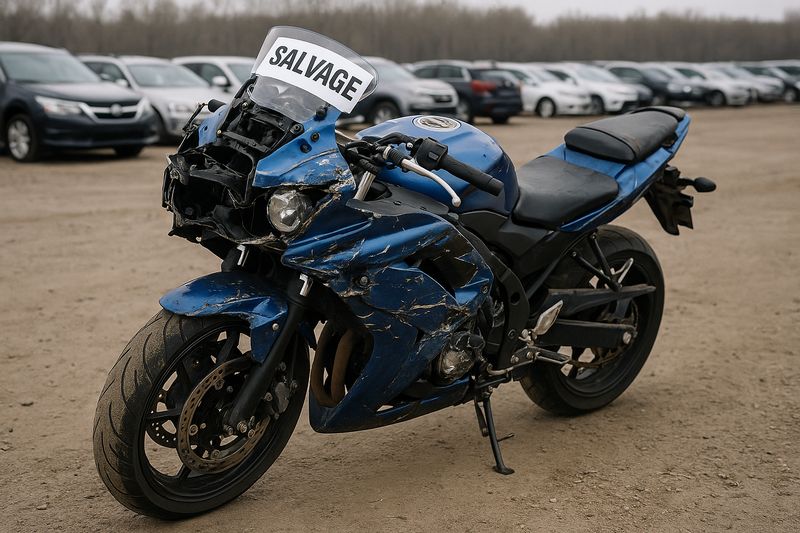
A motorcycle receives a salvage title when the damage is significant enough for the insurer to decide it’s not profitable to fix. After the payout, the motorcycle is sold at auction—often at places like Copart or IAAI. Many buyers on a tight budget look at salvage title bikes because the starting bids are far below market value. The bike may need mechanical repairs, cosmetic updates, or sometimes just minor work, depending on the cause of the damage.
Common reasons for salvage branding (accidents, theft recovery, flood, fire)
A salvage title can come from a variety of situations:
- Accidents: The most common cause. Even moderate collision damage can push repair costs above the bike’s value, especially on older models.
- Theft recovery: Often a great deal for bargain hunters. The bike may have been missing for months, leading the insurer to declare it a loss—even if it returns with little to no damage.
- Flood: Water flood damage varies. Sometimes it’s limited to wiring or electronics, but in more serious cases, it affects the engine and frame.
- Fire: Heat or smoke damage might be repairable, but in severe cases, structural parts may be compromised.
How Insurance Companies Determine Repair Costs
Total loss thresholds
Insurance companies use a “total loss threshold” to decide when a motorcycle is no longer worth repairing. This threshold varies by state but usually falls between 60% and 90% of the bike’s market value. If the repair estimate reaches or exceeds that percentage, the insurer labels the motorcycle a total loss. For buyers trying to stay within a tight budget, this is important to understand—many salvage bikes look repairable, but the insurer simply didn’t want to take on the high cost of labor and parts.
Repair vs. replacement value
When deciding whether to repair or replace a motorcycle, insurers compare two numbers: the estimated repair cost and the bike’s actual cash value (ACV). If fixing the motorcycle costs more than replacing it, the insurer chooses the cheaper option—usually replacement. For example, an older sport bike worth $3,000 may need $2,500 in repairs after a minor crash. Even though a handy buyer could fix it for less using used parts, the insurer still totals it because they use standard shop labor rates and new OEM parts for their calculations.
Why bikes get salvaged more often than cars
Motorcycles are declared salvage more frequently than cars for several reasons:
- Higher repair costs relative to value: Bikes typically have lower market values, so even moderate damage can push repair expenses past the threshold.
- Exposure of components: Unlike cars, most critical parts on a bike—forks, frame, engine covers—are exposed. A low-speed impact can damage key components that are expensive to replace.
- Cosmetic damage adds up fast: Fairings, mirrors, tanks, and handlebars are costly. Even if the bike still runs, replacing these items can exceed the bike's value.
- Lower labor tolerance: Because motorcycles are smaller and simpler, insurers often find it cheaper to total them rather than invest in detailed repairs.
Pros and Cons of Salvage Title Motorcycles
Pros of buying a salvage motorcycle
Lower purchase price
The biggest advantage is the cost. Salvage title motorcycles often sell for a fraction of their market value. For someone trying to stay within a tight budget, this can make previously unaffordable bikes suddenly realistic. A rider who couldn’t dream of buying a $10,000 cruiser might pick one up at a salvage auction for a few thousand dollars.
Access to rare or high-end models at a discount
Salvage auctions sometimes include premium or hard-to-find models. These bikes might have cosmetic damage, theft recovery branding, or minor mechanical issues but still offer incredible value. If you’ve always wanted a high-end sport bike or a classic model but couldn’t justify the full price, a salvage title version may be your chance to own it without breaking the bank.
Great for parts or project builds
For DIY enthusiasts, salvage bikes are ideal project machines. Many buyers pick them up to restore over weekends, learn mechanical skills, or use them as donors for parts. Even if the bike itself isn’t worth rebuilding, the components alone—engine, wheels, suspension—can be worth more than the auction price. This makes salvage motorcycles a smart choice for anyone building a budget project.
Cons of buying a salvage motorcycle
Potential hidden damage
Even with detailed auction photos, some issues may not be obvious. Frame bends, electrical problems, and engine damage can stay hidden until repairs begin. This can turn what looked like a cheap purchase into a costly project. Buyers on a limited budget should always factor in extra money for unexpected repairs.
Difficult insurance approval
Getting full insurance coverage for a salvage title motorcycle can be challenging. Some insurers avoid salvage bikes entirely, while others offer only liability coverage. If you plan to ride the bike on public roads, you might need a rebuilt inspection first—adding time and extra steps.
Lower resale value
A salvage title always impacts resale. Even after a full rebuild, many buyers hesitate to pay top dollar for a bike with a salvage history. This makes salvage motorcycles better for long-term ownership or personal projects rather than quick resale. If you plan to keep the bike and enjoy it, the lower initial price can still make the deal worthwhile.
What Can You Do With a Salvage Title Motorcycle?
Restore for personal use
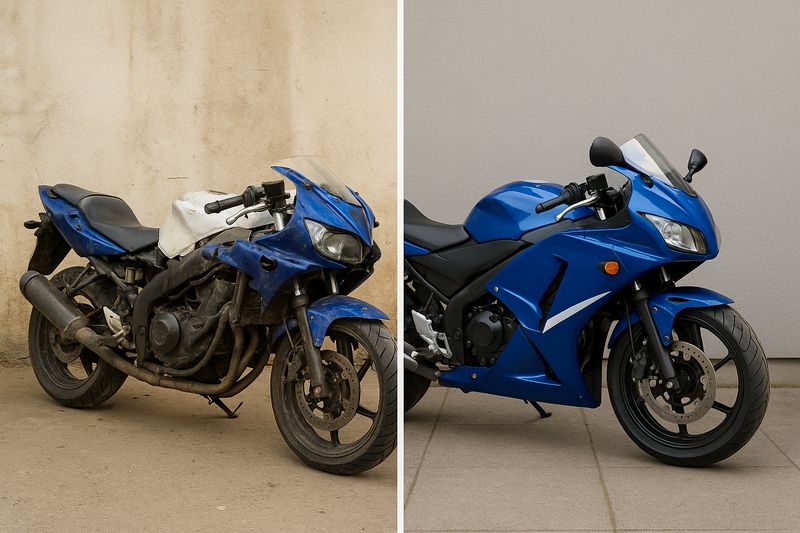
Many budget-minded riders buy salvage motorcycles to restore them for everyday use. If the damage is mostly cosmetic or minor mechanical work, the bike can often be brought back to safe riding condition at a reasonable cost. This path is especially appealing for riders who enjoy hands-on projects and prefer spreading repairs across weekends instead of paying high shop rates. Once restored and inspected, the bike can often receive a rebuilt title, allowing it to be legally registered and insured for the road.
Part out or use as a donor bike
Some buyers pick up salvage motorcycles specifically for parts. If the bike is too damaged to justify a full rebuild, it can still be valuable as a donor. Engines, wheels, suspension, electronics, and even small accessories can be resold individually. In many cases, parting out a salvage bike earns back more than the purchase price. This is a smart strategy for riders who own the same model and want a cheap source of spare parts.
Sell as salvage or rebuilt
Depending on its condition and the buyer’s skills, a salvage motorcycle can be repaired and resold as a rebuilt bike. While the resale value will still be lower than a clean title model, there’s a strong market for affordable motorcycles—especially among new riders or people searching for low-cost transportation. If repairs are not financially worthwhile, you can still sell the bike as-is to another enthusiast, a shop, or a dismantler.
Use for off-road or track-only riding
If getting insurance or registration is difficult, a salvage motorcycle can still be used off-road or on closed-course tracks. Many riders buy salvaged sport bikes for track days because they don’t want to risk damaging a clean-title machine. Off-road riders may also use salvage dirt bikes or dual-sports on private land. This option lets you enjoy riding without the extra expenses or paperwork of making the motorcycle street-legal again.
Can You Register a Salvage Title Motorcycle?
State-by-state rules
Registering a salvage title motorcycle depends heavily on the state you live in. Some states have very straightforward rules, while others require multiple inspections and extra paperwork. In most cases, you cannot register a motorcycle while it still carries a salvage title. Instead, the bike must be repaired and approved through your state’s inspection process before it becomes eligible for registration. Because each DMV has its own procedures, riders on a budget should always check their state’s exact requirements before buying a salvage bike at auction.
Documentation requirements
To register (or eventually rebuild) a salvage motorcycle, you will need certain documents. These typically include:
- The salvage title issued by the insurance company
- A bill of sale from the auction or seller
- Receipts for all major repairs and parts installed
- A completed inspection form from a certified inspector
Having clean, organized paperwork is critical. It prevents delays and helps prove that all parts used during the rebuild were legally obtained. For buyers working with a limited budget, keeping receipts also helps track repair costs and avoid overspending.
When a rebuilt title is required
Most states require a rebuilt title before the motorcycle can be legally ridden on public roads. A rebuilt title indicates that the bike has passed certain safety and identity checks after being repaired. This typically involves:
- A structural or safety inspection
- A VIN verification
- Proof that stolen parts were not used
Once approved, the DMV rebrands the title from “salvage” to “rebuilt,” making the bike eligible for insurance and registration. However, even with a rebuilt title, some insurers may only offer limited coverage.
Challenges you might face at the DMV
Registering a salvage or rebuilt motorcycle can be time-consuming. Riders often face challenges such as:
- Long wait times for inspection appointments
- Requests for additional receipts or documentation
- Inspectors questioning repairs that weren’t professionally documented
- DMV clerks unfamiliar with salvage procedures
- Rejected applications due to incomplete paperwork
Does a Salvage Title Motorcycle Need Insurance?
Insurance requirements for registration
Yes, a salvage—or more accurately, a rebuilt—motorcycle needs insurance before it can be registered and legally ridden on public roads. Most states require at least basic liability insurance to complete the registration process. If you’ve recently repaired a salvage bike, you’ll need to show proof of insurance at the DMV when applying for a rebuilt title or registration. For riders trying to save money, this is an important step to plan for, as insurance must be secured even before you can enjoy the motorcycle on the road.
Types of insurance available
Salvage and rebuilt motorcycles qualify for several types of insurance, but availability varies by insurer. The main options include:
- Liability: Covers damage you cause to others. This is the minimum required for street use.
- Comprehensive: Covers non-collision damage such as theft, vandalism, or weather events.
- Collision: Covers damage to your motorcycle in an accident you cause.
While clean-title bikes can usually get all three types easily, salvage or rebuilt bikes may have limits depending on the insurer and the bike’s history.
Difficulty obtaining full coverage
Getting full coverage (comprehensive + collision) for a salvage or rebuilt motorcycle can be challenging. Many insurers avoid salvage bikes altogether because they see them as higher-risk. Others offer full coverage but at higher rates, or they limit payouts based on the bike’s pre-damage value. Some insurers require photos, inspections, or detailed repair records before offering any coverage at all. For budget-conscious riders, this can be frustrating, especially after spending time and money repairing the bike.
When liability-only policies make sense
Liability-only insurance is often the most practical and affordable choice for salvage or rebuilt motorcycles. It allows you to legally ride the bike while keeping insurance costs low. This option makes sense if:
- The motorcycle has a low market value
- You built it as a budget commuter or weekend bike
- You’re not concerned about receiving compensation if the motorcycle is damaged again
- You want the simplest, cheapest insurance option available
How to Get a Salvage Title for a Motorcycle
1. Acquire a salvage certificate
The process starts with obtaining a salvage certificate, which is usually issued after an insurance company declares the motorcycle a total loss. If you buy the bike from an auction like Copart or IAAI, this certificate will come with the sale. It serves as the legal documentation proving that the motorcycle is classified as salvage and cannot be registered or ridden until it passes the proper steps. For budget-focused buyers, understanding this document is important—it’s the foundation for every step that follows.
2. Repair the motorcycle
Before a salvage motorcycle can be titled or registered again, it must be repaired. This includes fixing structural, mechanical, and cosmetic issues. Some buyers choose to perform the work themselves to save money, while others use a trusted mechanic. Keeping detailed receipts for every part and service is critical. These documents help prove to the state that all parts were legally purchased and that the motorcycle was restored safely. Taking photos before and after repairs can also help during inspections.
3. Schedule a state inspection
Once the repairs are complete, the motorcycle must go through an official inspection. Each state has its own requirements, but most inspections focus on:
- Vehicle identification number (VIN) verification
- Safety and structural checks
- Proof of repairs and parts receipts
The goal is to ensure the motorcycle is safe and not built with stolen parts. Budget-minded owners should prepare all documents in advance to avoid multiple trips or inspection delays.
4. Apply for a rebuilt title
If the motorcycle passes inspection, you can apply for a rebuilt title. This new title replaces the salvage certificate and indicates the bike has been repaired and cleared by the state. While the rebuilt title still shows a history of prior damage, it allows the motorcycle to be insured and registered for road use. Getting this title is a major milestone, especially for riders who rebuilt the bike themselves to save money.
5. Register the motorcycle
After receiving the rebuilt title, the final step is registration. This usually requires:
- Proof of insurance
- The rebuilt title
- Payment of registration fees
Tips for Buying a Motorcycle with a Salvage Title
Verify legal ownership
Before buying a salvage title motorcycle, always confirm that the seller or auction has the legal right to transfer ownership. The title should clearly show the salvage branding, and the VIN on the motorcycle must match the VIN on the document. This protects you from future problems during inspection or registration. For budget-conscious buyers, verifying ownership early prevents costly surprises later—especially if the paperwork turns out to be incomplete or incorrect.
Use a VIN decoder and vehicle history report
A VIN decoder and a history report are essential tools when evaluating any salvage motorcycle. They reveal past accidents, insurance claims, theft records, title changes, and previous odometer readings. This information helps you understand the true condition of the bike before making a bid or offer. Many buyers on a tight budget rely on these reports because they reduce the risk of buying a motorcycle with hidden damage or an unclear past.
Thoroughly inspect the bike (frame, engine, electronics)
A hands-on inspection is one of the most important steps in buying a salvage bike. Pay close attention to:
- Frame: Look for bends, cracks, or weld marks. Frame damage is often expensive to repair.
- Engine: Check for leaks, odd noises, or difficulty starting.
- Electronics: Inspect wiring, lights, sensors, and gauges—these are often affected by floods or crashes.
If you’re not confident in your mechanical skills, bringing a knowledgeable friend or hiring an independent inspector can save you money in the long run.
Understand state-specific salvage laws
Each state has its own rules for rebuilding, inspecting, and registering salvage title motorcycles. Some states require multiple inspections, while others have strict photo or documentation requirements. Before purchasing, research your state’s regulations so you know what to expect. This prevents you from buying a motorcycle that becomes too expensive or complicated to register later—an important factor when you’re trying to stay within a tight budget.
Negotiate the purchase price
The biggest advantage of a salvage title motorcycle is the potential savings. Use the bike’s damage, title status, and repair costs as leverage when negotiating. Compare the current auction price or asking price to the market value of a clean-title model. Most salvage motorcycles sell far below book value, and sellers usually expect negotiation. For buyers looking to maximize their savings, negotiating can make the difference between a great deal and an expensive mistake.
How to Estimate the Value of a Salvage Motorcycle
Assess repair costs
The first step in valuing a salvage motorcycle is estimating the cost to repair it. Look at the damage to key components such as the frame, engine, suspension, and electronics. Include parts, labor, and any specialized services you may need. For budget-conscious buyers, knowing the likely repair costs upfront helps avoid overspending and ensures the motorcycle is still affordable after restoration.
Compare with clean-title value
Next, compare the salvage bike’s cost plus repair estimate with the market value of a similar clean-title motorcycle. This gives you a realistic idea of whether the purchase is worth it. For example, if a salvage sport bike costs $2,500 and repairs are $1,500, but a clean version sells for $5,000, you could save a significant amount—assuming the repairs are manageable.
Evaluate post-repair condition
Consider how the motorcycle will perform once repaired. Some bikes may be mechanically sound but still have cosmetic issues, while others might be fully restored to nearly factory condition. Evaluate whether the bike will meet your needs—daily commuting, weekend rides, or a project build—before factoring it into the value. A bike that functions reliably and looks decent post-repair has higher practical value than one that still requires ongoing fixes.
Consider rarity or collector value
Some salvage motorcycles have added value due to rarity, brand prestige, or collector interest. Limited-edition sport bikes, vintage models, or iconic cruisers can still be worth restoring even if the initial purchase and repair costs are high. For budget-minded buyers, this can turn a salvage bike into a long-term investment or a desirable weekend ride that others might pay more for in the future.
Estimate resale potential
Finally, think about how much the motorcycle could sell for after repairs. Salvage title bikes typically sell for less than clean-title motorcycles, but a well-restored bike can still attract buyers, especially if it’s a popular model or has collectible value. Estimating resale potential helps ensure you’re making a financially sound decision and prevents spending more than the bike is likely to be worth down the road.
How to Insure a Salvage Title Motorcycle
Challenges of insuring salvage motorcycles
Insuring a salvage title motorcycle can be tricky because insurers view these bikes as higher risk. The previous damage may not be obvious, and repairs can vary in quality. Some companies refuse to provide full coverage, while others may limit payouts or charge higher premiums. For budget-conscious riders, this means you need to plan ahead and understand that insurance might be more complicated than with a clean-title bike.
How to find insurance companies that accept salvage or rebuilt bikes
Not all insurance companies cover salvage or rebuilt motorcycles, so research is key. Start by calling multiple insurers to ask specifically about salvage or rebuilt coverage. Specialty insurers and some local companies often accept these bikes, especially if you provide proof of repairs, receipts, and inspection certificates. Online searches for “rebuilt motorcycle insurance” can also help identify companies familiar with high-risk vehicles.
Available insurance options for high-risk vehicles
Even if full coverage is limited, there are several insurance options for salvage or rebuilt motorcycles:
- Liability-only: Covers damage you cause to others and is often the easiest and cheapest option.
- Collision and comprehensive coverage: Some insurers may offer limited coverage for collision or theft, usually at a higher premium.
- Custom policies: Specialty insurers may create tailored policies for high-value or rare motorcycles, even if they have a salvage history.
Understanding these options allows you to choose the right level of protection while staying within your budget.
Tips for lowering insurance costs
There are several strategies to reduce insurance expenses on a salvage motorcycle:
- Maintain a clean riding record: Fewer tickets or accidents can help lower premiums.
- Bundle policies: Combine your motorcycle insurance with auto or home policies for discounts.
- Provide detailed documentation: Receipts, photos, and inspection reports reassure insurers about the bike’s condition, which may lower risk-based rates.
- Choose liability-only if appropriate: For low-value bikes or weekend project motorcycles, liability coverage is often the most cost-effective choice.
By following these tips, budget-conscious riders can secure the insurance they need without overspending.
Top 5 Things Every Buyer Should Know About Salvage Motorcycles
Hidden risks are common — inspections are essential
Salvage motorcycles often have hidden issues that aren’t obvious from photos or auction descriptions. Frame bends, engine problems, or electrical faults can turn a seemingly cheap bike into an expensive repair project. That’s why thorough inspections are essential before purchase. Budget-conscious buyers should either inspect the bike themselves or hire a professional to spot potential problems and avoid costly surprises.
Salvage bikes can be great budget projects
For riders looking to save money, salvage motorcycles can be ideal project bikes. They allow you to buy a bike at a fraction of its clean-title value and restore it gradually. This approach is perfect for DIY enthusiasts or people who enjoy hands-on work, turning a damaged motorcycle into a functional and affordable ride without spending thousands upfront.
Some states have strict rebuilt inspection rules
Not every state treats salvage motorcycles the same. Many require rigorous inspections before issuing a rebuilt title, which can include VIN verification, structural checks, and proof of repairs. Buyers need to understand their state-specific rules to ensure the bike can legally be registered after repair. Failing to follow these regulations can result in extra costs or prevent registration entirely.
Insurance might be limited
Obtaining insurance for a salvage motorcycle can be more difficult than for a clean-title bike. Some insurers refuse coverage, while others limit payouts or only offer liability insurance. Full coverage may be available but usually at higher rates. Buyers should research insurance options before purchase to ensure they can protect their investment without unexpected costs.
Not all salvage bikes are worth rebuilding
Finally, it’s important to recognize that not every salvage motorcycle is a good deal. Some bikes have extensive damage, rare or expensive parts, or hidden structural issues that make repair cost-prohibitive. For budget-conscious buyers, carefully evaluating repair costs, market value, and personal skills is key to deciding whether a salvage bike is worth the investment.
Final Advice for Budget Buyers
When a salvage motorcycle is a smart investment
A salvage motorcycle can be a smart investment when the damage is mostly cosmetic or limited to easily replaceable parts. Bikes with good frames, engines, and electronics often offer excellent value for budget-conscious buyers. If you enjoy DIY repairs or have access to affordable mechanics, you can restore the motorcycle for a fraction of the cost of a clean-title bike. Rare or high-demand models can also be worthwhile, as even a salvage bike can be turned into a desirable, functional ride or a collector’s project.
When you should avoid salvage bikes
Not all salvage motorcycles are worth the effort. Avoid bikes with severe frame damage, extensive engine problems, or signs of flood or fire damage that might compromise safety. Also, if your skills or budget are limited, a heavily damaged bike could end up costing more than it’s worth. Remember, some salvage motorcycles have hidden issues that only appear after purchase, so it’s crucial to evaluate each bike carefully before making a decision.
Best practices for buying at Copart, IAAI, and other auctions
When buying a salvage motorcycle at auctions like Copart or IAAI, follow these best practices:
- Research the bike thoroughly: Use VIN decoders and vehicle history reports to check for prior damage and title issues.
- Inspect in person if possible: Photos can be misleading, so seeing the bike firsthand—or hiring an inspector—helps identify hidden problems.
- Know the auction rules: Understand fees, payment requirements, and pickup deadlines before bidding.
- Set a strict budget: Factor in repair costs, insurance, and registration fees to avoid overspending.
- Have a plan for post-auction repairs or resale: Decide in advance whether you will restore, part out, or sell the bike as-is.
By following these steps, budget buyers can maximize savings while minimizing risks, turning a salvage motorcycle into a practical and rewarding purchase.
Are you interested in buying a vehicle from Online Auto Auctions?
With this being said – you can still export vehicles and save up a few thousand dollars with Bidndrive. We have an inventory of over 150k plus vehicles with titles you can export for you to choose from. Once you have placed your bid and won the auction a Bill of Sale document is then emailed to you as proof of purchase – after full payments have been made.
To gain access and get started on your purchase, sign up for free.
Further Reading:
All About Salvage Title Inspection: What You Need to Know
From Salvage to Rebuilt: Complete Guide to Restoring a Salvage Title Car
Should You Buy a Salvage Car? Pros, Cons, and Expert Tips
Salvage Title: What Does It Mean and Should You Buy One?
Frequently Asked Questions
- What is the most common reason for a salvage title?
- Is buying a salvage title bad?
- Is rebuilt better than salvaged?
- Why wouldn't you want a salvage title?