


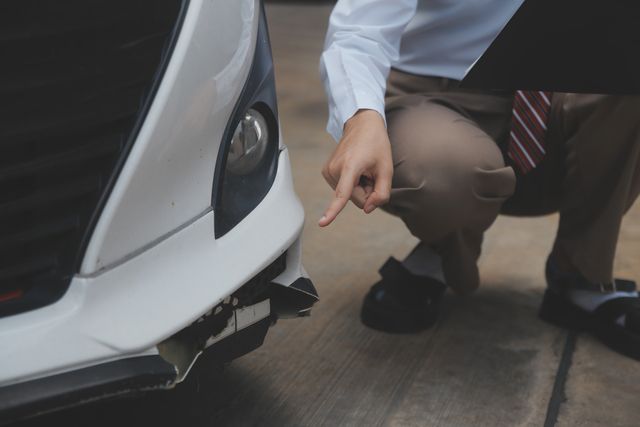
Worried about accidents with your salvage car? This guide explains what happens if someone hits your vehicle, how insurance works, and what steps to take afterward. Learn practical tips to protect your investment, manage repairs, and understand the impact on resale value—all in simple, budget-friendly terms.
What Is a Salvage Car?
Understanding what a salvage car is helps budget-conscious buyers make smarter choices at online auctions. Salvage cars are often sold at lower prices, but they come with unique considerations. Knowing the basics ensures you can bid confidently and avoid surprises after purchase.
Definition of a salvage car
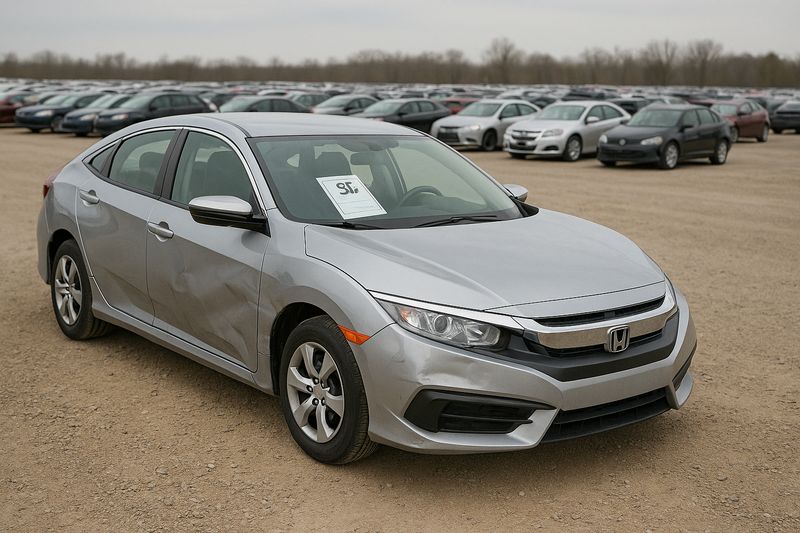
A salvage car is a vehicle that an insurance company has deemed a total loss due to damage from an accident, flood, fire, or other incident. While the car can still be repaired, its value is significantly lower than a similar vehicle with a clean title. Many buyers choose salvage cars to save money, knowing they can fix or use them for parts. For example, someone on a tight budget might buy a lightly damaged Honda Civic from an auction for half the market price and restore it affordably.
Common reasons cars receive salvage titles
Cars receive salvage titles for several reasons, including:
- Accidents: Major collisions where repair costs exceed the car’s value.
- Flood or water damage: Cars damaged by storms or hurricanes.
- Theft recovery: Vehicles recovered after theft that have been stripped or damaged.
- Fire or vandalism: Cars damaged by fire or malicious acts.
For buyers at auctions, these reasons help explain why some cars are so affordable. For instance, a Toyota Camry hit by a minor flood might still run perfectly but comes with a lower starting bid.
How a salvage title differs from a rebuilt title
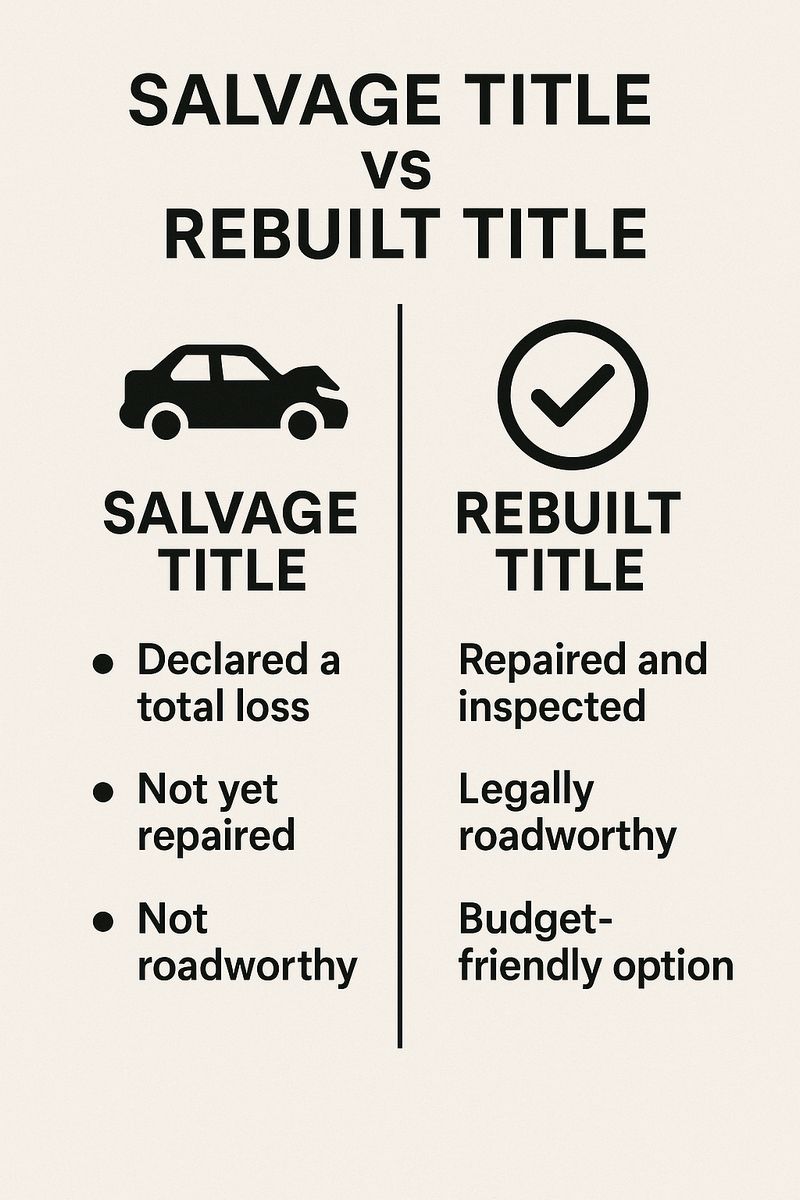
A salvage title indicates the car was declared a total loss and has not yet passed inspection after repairs. A rebuilt title means the car has been repaired, inspected, and is legally roadworthy again. Budget-conscious buyers often prefer rebuilt cars because they offer a safer, usable option at a fraction of the cost of a clean-title vehicle, while still understanding the history behind it. Knowing this difference helps you decide what’s worth bidding on at an auction.
Understanding Salvage and Rebuilt Titles
For anyone buying a budget-friendly car at an online auction, knowing the difference between salvage and rebuilt titles is essential. These titles affect insurance, resale value, and what you can expect from repairs. Understanding them helps you make informed choices and avoid surprises after purchase.
Salvage title explained
A salvage title is issued when an insurance company declares a car a total loss after damage from an accident, flood, fire, or theft. The vehicle may still be repairable, but it’s considered too costly to fix relative to its market value. Cars with salvage titles are often sold at auctions at significantly lower prices, which is why many budget-conscious buyers use them to save money. However, these cars may require additional inspections and repairs before they’re safe to drive.
Rebuilt title explained
A rebuilt title means the car was previously declared a total loss with a salvage title but has since been repaired, inspected, and approved for road use. Rebuilt cars can be driven legally, and their resale value is higher than a salvage car, but still lower than a clean-title vehicle. For example, a buyer could purchase a rebuilt Toyota Corolla from an auction, knowing it has been repaired properly and passed all inspections.
The car's title at the time of accident
When a car is damaged, its title status at the time of the accident determines how it will be labeled afterward. A clean-title car can become a salvage car if the damage is severe enough. Understanding this timeline helps buyers evaluate the car’s history and decide if it’s worth bidding on. For instance, a clean-title Ford F-150 hit by a flood will get a salvage title, signaling potential long-term risks but also a lower auction price.
If the car has a “rebuilt” title
If a car already has a rebuilt title, it indicates that repairs were completed and inspected after it was declared a total loss. Buyers should still check the repair quality, as poor work can lead to further issues down the road. Budget-conscious buyers often find rebuilt cars appealing because they combine affordability with roadworthiness, allowing you to save money while still getting a usable vehicle.
How Insurance Works for Salvage Cars
Owning a salvage car comes with unique insurance considerations. While these vehicles are more affordable upfront, coverage options and claims processes differ from standard cars. Understanding how insurance works helps budget-conscious buyers protect their investment and avoid unexpected costs after an accident.
Types of insurance coverage available
Salvage cars can be insured, but coverage is often limited compared to clean-title vehicles. Common options include:
- Liability insurance: Required by law, it covers damage to others in an accident.
- Comprehensive coverage: May cover fire, theft, or natural disasters, but some insurers limit or exclude salvage vehicles.
- Collision coverage: Pays for repairs after an accident, though approval can vary based on the vehicle’s condition.
Budget buyers should shop around, as some insurance companies specialize in salvage or rebuilt cars and offer more flexible policies.
Limitations and exclusions for salvage vehicles
Insurance for salvage cars often comes with restrictions. Many companies exclude total-loss coverage or cap payouts at a fraction of the car’s value. For example, if a rebuilt Honda Civic is hit, the insurer may only cover repair costs up to a set limit rather than the full market value. Understanding these limits helps you avoid surprises and plan repair budgets realistically.
Filing a claim after an accident
If your salvage car is involved in an accident, the claims process can be more complicated than for a clean-title car. Insurers may require detailed inspection reports or proof of previous repairs. Documenting damage with photos and keeping receipts for any work done can speed up the process. Budget-conscious owners should know that filing a claim may not always result in full coverage, especially for extensive damage.
Navigating claims and valuation
Salvage vehicles are valued differently than clean-title cars. Insurers typically consider the car’s salvage history, previous repairs, and current condition. When filing a claim, it’s important to understand that total loss payouts may be lower than expected. Buyers can prepare by researching the car’s current market value and keeping repair records, which can help ensure a fair settlement if the vehicle is damaged.
Steps to Take Immediately After an Accident with a Salvage Car
Accidents happen, even with carefully maintained salvage cars. Acting quickly and correctly can protect your safety, your investment, and your insurance claim. Knowing the steps ahead of time helps budget-conscious buyers handle the situation without added stress or unnecessary costs.
Ensuring safety and calling authorities
The first priority after any accident is safety. Check yourself and passengers for injuries and move to a safe location if possible. Call 911 or local authorities to report the accident, especially if there are injuries or significant property damage. Even minor fender-benders should be documented officially—this protects you in case of disputes or claims.
Documenting the accident
Take detailed photos of the accident scene, including all vehicles involved, license plates, skid marks, and damage to your salvage car. Note the date, time, location, and contact information for other drivers and witnesses. For salvage cars, documenting pre-existing damage is crucial. Clear photos and notes help insurance companies understand which damages are new versus previous repair work.
Contacting your insurance company
Notify your insurance company as soon as possible. Provide all documentation, including photos, police reports, and any repair estimates. Explain that your car is a salvage or rebuilt vehicle so they can apply the correct coverage rules. Quick reporting can speed up the claim process and help ensure your car is repaired without unnecessary delays or denied claims.
Tow and repair considerations
If your salvage car isn’t drivable, arrange for a tow to a licensed repair shop familiar with salvage vehicles. Not all mechanics handle salvage cars, so choosing one experienced can prevent mistakes and reduce costs. For budget buyers, consider shops that offer affordable repairs or used parts while maintaining quality. Proper towing and repair planning can save money and keep your car roadworthy after the accident.
Repair and Resale Considerations
After an accident, salvage car owners need to carefully evaluate repairs and future value. Making smart decisions here can save money and protect your investment, especially for budget-conscious buyers who purchased the car to save on upfront costs.
Assessing damage on a salvage car
Start by inspecting both visible and hidden damage. Salvage cars often have prior repairs, so it’s important to differentiate new damage from old. Check the frame, suspension, engine, and electrical systems. For example, if a flood-damaged Toyota Camry was hit in a minor accident, ensure water-related issues aren’t worsened before proceeding with repairs. Professional inspections can prevent costly surprises later.
Repair options and costs
Repairing a salvage car can be done in several ways:
- DIY or local mechanics: Lower-cost repairs using affordable parts.
- Certified repair shops: Higher-quality repairs but at a premium.
- Used or aftermarket parts: Often cheaper than new OEM parts.
Budget buyers often combine local mechanics with used parts to restore functionality without overspending. Understanding the balance between cost and quality ensures the car remains safe and reliable.
Impact on resale value
A salvage car’s resale value is always lower than a clean-title vehicle. After an accident, this value can drop further depending on the severity of damage and quality of repairs. Buyers need to accept that some of the savings from the initial purchase may be offset by reduced resale potential. However, a well-repaired rebuilt car can still be sold at a reasonable price to another budget-conscious buyer.
Selling a salvage car after an accident
When selling, full disclosure is essential. Clearly state the car’s salvage history, repairs, and any accident damage. Highlight any professional inspections or repairs completed to reassure potential buyers. Many budget buyers actively seek salvage vehicles for affordability, so transparency can help you sell faster and at a fair price. For example, a rebuilt Honda Accord with minor post-accident repairs can still attract buyers looking for a reliable, low-cost car.
Legal and Financial Implications
Owning a salvage car comes with unique legal and financial responsibilities. Knowing the potential consequences of an accident can help budget-conscious buyers avoid costly mistakes and stay compliant with state laws.
Liability concerns for salvage cars
If you’re involved in an accident with a salvage car, you may still be liable for damages to other vehicles, property, or injuries. Liability coverage is required by law, but it’s important to ensure your policy adequately covers third-party damages. Budget buyers should double-check that their insurance limits are sufficient, especially since salvage cars may have repair restrictions that limit coverage for your own vehicle.
How accidents affect market value
Accidents can significantly reduce a salvage car’s market value, even after repairs. Buyers of salvage vehicles are already expecting lower prices, but a new collision may lower resale potential further. For example, a rebuilt Toyota Camry that’s been in a minor accident may still sell, but its auction or resale price will likely be lower than before the incident. Understanding this helps owners set realistic expectations for future sales.
State regulations regarding salvage car accidents
Each state has rules for salvage cars, including reporting accidents and inspections after repairs. Some states require additional inspections or updated title paperwork if a rebuilt vehicle is damaged again. Failing to comply can result in fines or difficulties with insurance claims. Budget-conscious buyers should familiarize themselves with local regulations to ensure their salvage car remains legal and insurable after an accident.
Pros & Cons of Owning a Salvage Car
Owning a salvage car can be a smart way to save money, but it comes with trade-offs. Understanding the advantages and disadvantages helps budget-conscious buyers make informed decisions and avoid unexpected costs down the road.
Pros
- Lower purchase price: Salvage cars are often sold at a fraction of the cost of clean-title vehicles, making them ideal for buyers on a budget.
- Access to newer models: You can often afford a newer or higher-end model than you could with a clean-title car at the same price.
- Repair and customization opportunities: If you’re handy or know an affordable mechanic, you can restore the car yourself or customize it for your needs.
- Auction variety: Salvage cars are widely available through online auctions, giving you more options in terms of make, model, and condition.
For example, a budget buyer might buy a lightly damaged Honda Accord with a salvage title for half the usual market price, repair minor dents and scratches, and enjoy a reliable car at a big savings.
Cons
- Reduced resale value: Salvage cars always sell for less than clean-title cars, even after repairs.
- Insurance limitations: Some insurance companies offer limited coverage or higher rates for salvage vehicles, and total-loss payouts may be lower.
- Potential hidden damage: Previous accidents may leave unseen structural or mechanical issues that could surface later, leading to extra repair costs.
- Market perception: Some buyers are wary of salvage cars, which can make resale more challenging.
Understanding these pros and cons helps you weigh the savings against the potential risks, ensuring your salvage car purchase aligns with your budget and expectations.
Tips for Salvage Car Owners
Owning a salvage car comes with responsibilities that help protect your investment and ensure safety. Following these tips helps budget-conscious buyers minimize risks, manage costs, and enjoy their vehicle without surprises.
Maintaining proper documentation
Keep detailed records of your salvage car, including the original salvage title, repair receipts, inspections, and any communication with insurance companies. Proper documentation proves the car’s condition and history, which is essential for insurance claims, future repairs, or resale. For example, a rebuilt Toyota Corolla owner who maintains organized records can avoid disputes about prior damage when selling or filing a claim.
Choosing the right insurance coverage
Not all insurance policies cover salvage or rebuilt cars equally. Make sure you understand the limits, exclusions, and premiums for liability, collision, and comprehensive coverage. Some insurers specialize in salvage vehicles and offer more flexible options. Budget buyers should compare multiple policies to find the best coverage without overspending. Proper insurance protects you financially if an accident occurs.
Preventing future accidents
Careful driving is especially important with salvage cars, as prior damage may make some components more vulnerable. Regular maintenance, safe driving habits, and avoiding risky situations reduce the likelihood of costly repairs. Simple steps like checking tire pressure, brakes, and suspension can prevent minor issues from becoming major problems, helping you keep your salvage car reliable for years.
Are you interested in buying a vehicle from Online Auto Auctions?
With this being said – you can still export vehicles and save up a few thousand dollars with Bidndrive. We have an inventory of over 150k plus vehicles with titles you can export for you to choose from. Once you have placed your bid and won the auction a Bill of Sale document is then emailed to you as proof of purchase – after full payments have been made.
To gain access and get started on your purchase, sign up for free.
Further Reading:
Can You Insure a Salvage or Rebuilt Title Car?
Salvage Title: What Does It Mean and Should You Buy One?
Should You Buy a Car with a Salvage or Rebuilt Title?
All About Salvage Title Inspection: What You Need to Know
Frequently Asked Questions
- Can a salvage car get insured?
- What happens if someone hits my salvage car?
- What happens if you crash a salvage car?
- What happens if your car has a salvage title?