


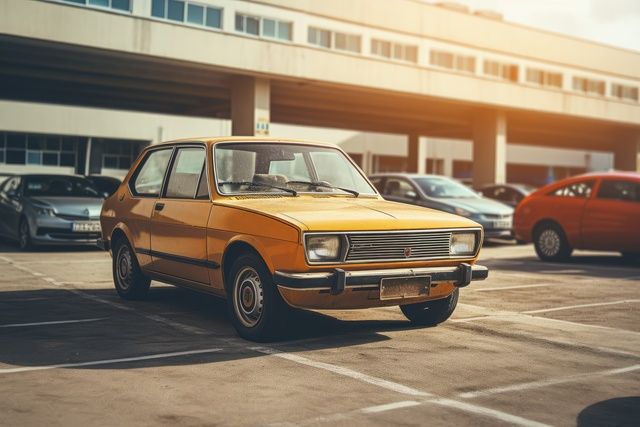
Looking to sell or buy a low-cost vehicle? Understanding what makes a car “junk” helps you make smart decisions. This guide explains key signs, legal definitions, and value considerations so budget-conscious buyers and sellers can save money and avoid costly mistakes.
What Is Considered a Junk Car?
Understanding what makes a car a “junk car” helps budget-conscious buyers know what to expect at auctions or when selling an old vehicle. Junk cars are usually inexpensive because they’re not fully functional, have legal or documentation issues, or require extensive repairs. Knowing the key factors can help you make smarter decisions when buying or selling.
Age and Condition (Old Cars)
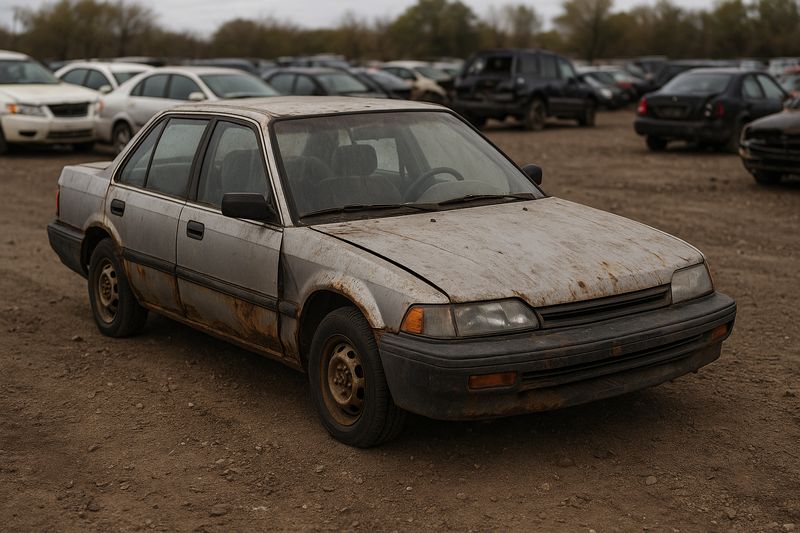
Cars that are very old, worn out, or have high mileage often fall into the junk category. For example, a 20-year-old sedan with a failing engine and rusted body panels may not be worth repairing. Buyers at auctions may see these cars as opportunities for parts or low-cost projects rather than everyday transportation.
Lacking Paperwork or Ownership Documents
A car without a clear title, registration, or other ownership documents is often classified as junk. Without proper paperwork, it’s difficult to legally register or sell the vehicle. For budget-conscious buyers, this means lower auction prices but also extra effort to resolve legal or administrative issues.
Extensive Damage or Totaled Cars
Vehicles that have been in major accidents and deemed totaled by insurance companies often become junk cars. These cars may have severe frame damage, destroyed engines, or other costly issues. Someone looking to save money might buy a totaled car at auction to salvage usable parts rather than repair it fully.
Inoperable Vehicles
Cars that cannot start, drive, or pass safety inspections are considered junk. For example, a flood-damaged Honda Civic that won’t run is typically sold as a junk car. Buyers with mechanical skills or access to affordable repair services may see an opportunity to restore such vehicles.
Low or No Resale Value
Junk cars usually have little to no market value as functional vehicles. Their main value comes from parts, scrap metal, or as a base for a project car. Budget-conscious buyers can often purchase these vehicles at very low prices, knowing that the investment is primarily for parts or DIY repairs.
Missing Parts or Incomplete Documentation
Cars missing major components—like engines, transmissions, or wheels—or with incomplete service records are often labeled as junk. While they may not be drivable, parts can still be valuable. For example, someone might buy a junk Toyota Corolla missing its engine but salvage the transmission and body panels for other projects or sales.
Legal and Administrative Definitions
Understanding the legal and administrative aspects of junk cars is important for buyers and sellers alike. These definitions affect how vehicles are titled, sold, and regulated, helping budget-conscious buyers avoid surprises when purchasing a low-cost car at an auction.
What Is the Legal Definition of a Junk Car?
A junk car is generally defined by state law as a vehicle that is no longer safe or economically feasible to repair. It may be inoperable, extensively damaged, or lacking necessary documentation. This legal status determines whether the car can be sold, scrapped, or rebuilt, and influences insurance coverage and resale value.
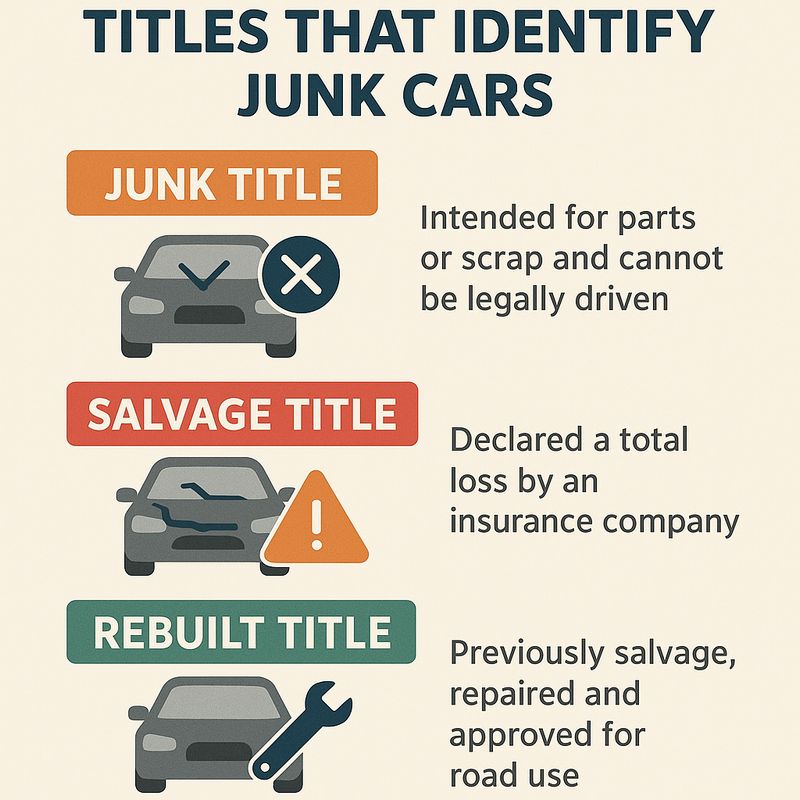
Titles That Identify Junk Cars (Salvage, Junk, Rebuilt)
Junk cars are often identified by specific titles:
- Junk Title: Indicates the car is intended for parts or scrap and cannot be legally driven.
- Salvage Title: Given to a car declared a total loss by an insurance company. It may be repaired and later issued a rebuilt title.
- Rebuilt Title: Indicates a previously salvage car has been repaired, inspected, and approved for road use.
Knowing these distinctions helps buyers understand the vehicle’s history and what legal restrictions may apply.
Expiration of Legal Age Limit for Cars
Some states define junk cars based on age. For example, vehicles older than a certain number of years may automatically qualify as junk if they are no longer safe or economically repairable. This affects auctions, scrap sales, and insurance eligibility. Budget-conscious buyers should check the age criteria in their state to understand a car’s legal status.
State-Specific Regulations
Each state has its own rules regarding junk cars, including titling, registration, and sale. Some states require inspection before a salvage or rebuilt car can be driven again, while others may restrict the sale of cars without titles. Understanding local regulations helps buyers avoid fines, ensure proper paperwork, and make smart decisions when purchasing junk or salvage vehicles at auctions.
Damage and Repair Considerations
When buying or selling a budget-friendly vehicle, understanding what makes a car “junk” helps you decide whether it’s worth repairing, salvaging for parts, or scrapping. Knowing these factors ensures you don’t overspend on repairs or overestimate resale value.
What Damage Classifies Your Car as Junk?
A car is often considered junk if it has extensive structural, mechanical, or cosmetic damage that makes it unsafe or uneconomical to drive. Examples include severe frame damage from a major accident, flood or fire damage, and crushed or bent chassis components. Even if some systems still work, these major damages reduce the car’s usability and value.
What Repair Costs Make a Car Junk?
Repair costs play a big role in defining a junk car. If the cost to fix the car exceeds its market value, it’s generally classified as junk. For example, a budget buyer may find that repairing a totaled engine in an old Toyota Camry costs more than buying a fully functional used car, making the purchase impractical.
Problems That Automatically Make Cars Junk
Certain issues automatically label a vehicle as junk:
- Non-repairable flood damage
- Severe fire damage
- Crushed or bent frame
- Missing engine or transmission
- Extensive rust or corrosion
These problems typically make the car unsafe to drive and very costly to repair, so even skilled mechanics may advise against restoration.
Distinguishing Junk Cars from Fixable Cars
Not all damaged cars are junk. Cars with minor body damage, cosmetic issues, or repairable mechanical problems can often be restored and may qualify for a rebuilt or salvage title rather than a junk designation. For example, a car with a broken bumper or dented doors can be repaired at a reasonable cost, making it a better investment for budget-conscious buyers than a fully totaled vehicle. Understanding this distinction helps you identify bargains without wasting money on irreparable cars.
Vehicle Types and Examples
Junk cars come in all shapes and sizes, from sedans to trucks to motorcycles. Understanding how different types of vehicles become classified as junk helps budget-conscious buyers make informed choices at auctions or when selling a car for parts.
What Makes Different Vehicle Types Junk (Sedans, SUVs, Trucks, Motorcycles)
- Sedans: Typically considered junk due to engine failure, severe accident damage, or flood-related issues. For example, a flood-damaged Honda Civic may no longer start reliably, making it a junk vehicle.
- SUVs: Large vehicles like SUVs often become junk after rollover accidents, frame damage, or major mechanical failures. Even if the body looks intact, expensive drivetrain or suspension repairs can make the SUV uneconomical to fix.
- Trucks: Pickup trucks may be labeled junk due to heavy-duty wear, frame bending from hauling, or engine problems. A Ford F-150 with a crushed bed or totaled front end is often sold at scrap value rather than repaired.
- Motorcycles: Motorcycles become junk when key components like the engine, frame, or transmission are damaged beyond repair. Even minor crashes that bend the frame can render a motorcycle unsafe to ride.
Real Examples of Junk Cars
- A 2005 Toyota Corolla with a flood-damaged engine and missing interior parts, sold for parts or scrap.
- A Chevrolet Silverado truck with severe front-end collision damage, making repairs more expensive than its market value.
- A Honda Civic sedan with an engine seized from long-term neglect, unsuitable for daily driving.
- A Yamaha motorcycle with a bent frame after a crash, sold at auction for parts.
Valuation and Worth
Understanding the value of a junk car is crucial for buyers and sellers alike. Knowing how much a vehicle is worth helps budget-conscious buyers avoid overpaying at auctions and ensures sellers get the best possible return for a damaged or inoperable car.
What Is a Junk Car Worth?
A junk car’s value is generally lower than a functional or rebuilt vehicle. Its worth depends on condition, age, and remaining usable parts. Even cars that no longer run can have value for scrap metal or parts. For example, a non-running Toyota Camry may sell for a few hundred dollars at auction because the engine or transmission parts can be salvaged.
Factors Affecting Price
Several factors determine the price of a junk car:
- Make and model: Popular brands like Honda, Toyota, or Ford often fetch higher prices due to demand for parts.
- Age and mileage: Older cars or those with extremely high mileage are usually less valuable.
- Condition: Extensive frame, engine, or flood damage reduces value, while vehicles with intact parts may be more valuable.
- Location: Cars in areas with high scrap metal prices or demand for parts may sell for more.
- Market demand: Popular parts or high-demand vehicles can increase a junk car’s worth.
How Scrap Value Is Calculated
Scrap value is typically based on the vehicle’s weight in metal and the current price per pound of scrap. Some cars also have added value if parts like the engine, transmission, or catalytic converter are in good condition. For example, a junked Ford F-150 with a working engine and transmission may be worth significantly more than a small sedan of the same weight that has no usable parts. Buyers at auctions often weigh scrap value against repair potential to determine whether a junk car is a worthwhile purchase.
What To Do With a Junk Car Before Scrapping
Before selling a junk car for scrap, taking the right steps ensures you get the best value and avoid legal or financial issues. Budget-conscious owners can maximize their return by preparing carefully and working with reputable dealers.
Determine the Car's Condition and Take an Inventory
Check your junk car thoroughly to understand its condition and potential value. Note which parts are still working, such as the engine, transmission, tires, or electronics. Creating a detailed inventory helps when negotiating with scrap yards or parts buyers, ensuring you get fair payment for usable components.
Remove All Personal Items
Before scrapping, remove all personal belongings from the vehicle. Check the glove compartment, trunk, under seats, and storage compartments. Forgetting items like documents, tools, or valuables can cause unnecessary stress and loss.
Find Ownership Documents
Locate the car’s title or other proof of ownership. Most states require these documents to legally sell or scrap a vehicle. If you don’t have the title, contact your local DMV to obtain a replacement before proceeding. Proper paperwork helps avoid fines or complications during the sale.
Remove License Plates
Take off your license plates before selling the junk car. Plates are usually linked to the owner, and leaving them on the car could create legal liability. Depending on state rules, you may need to return the plates to the DMV or transfer them to another vehicle.
Cancel Insurance
Contact your insurance company to cancel coverage on the junk car. Maintaining active insurance on a vehicle you no longer own or drive wastes money. Budget-conscious owners can save on premiums by canceling promptly after the sale.
Find the Best Junk Dealer
Research local scrap yards or junk car buyers to get competitive offers. Compare prices, pickup services, and customer reviews. A reliable dealer ensures you get a fair price and a smooth, hassle-free process. For example, a junked Honda Civic with a working engine may fetch a higher price if sold to a dealer specializing in used parts rather than general scrap.
How To Junk a Car: Step-By-Step
Junking a car may seem overwhelming, but following a clear process ensures you get the best value and stay legally compliant. Budget-conscious sellers can maximize returns while avoiding common mistakes by taking these steps.
Gather All Necessary Documents
Before contacting any dealer, collect the car’s title, registration, and any maintenance or repair records. These documents prove ownership and can help increase the car’s resale or scrap value. If you don’t have a title, check with your local DMV for a replacement.
Find a Salvage or Junk Dealer
Research local salvage yards or junk car buyers. Compare prices, services, and customer reviews. Some dealers specialize in vehicles with certain makes or parts, which can increase the value you receive.
Get a Junk Car Quote
Contact multiple dealers for quotes based on your car’s condition, weight, and usable parts. Providing accurate information and an inventory of the vehicle’s working components helps you get the most competitive offer.
Set a Time for Pickup
Arrange a convenient pickup time with the dealer. Many junk car buyers offer free towing, which saves money and avoids the hassle of transporting a non-running vehicle.
Complete All Paperwork
Sign the necessary documents, including the bill of sale and any forms required by the dealer. Ensure all fields are accurate to avoid legal issues later. Keep copies for your records.
Receive Payment
After completing paperwork, you’ll receive payment, usually via check or electronic transfer. Confirm the amount matches the agreed-upon quote before finalizing the transaction.
Notify DMV and Insurance Provider
Finally, inform your state’s DMV that the car has been sold for scrap. Cancel your insurance policy to stop payments and remove liability. This step protects you legally and financially, ensuring no future claims or fines.
Buying and Selling Junk Cars
Buying or selling a junk car can be a smart way to save money or make extra cash, but it requires knowledge and caution. Understanding what to look for, how to sell efficiently, and avoiding scams is essential for budget-conscious buyers and sellers.
What To Look For When Purchasing Junk Cars
When buying a junk car, carefully evaluate its condition and potential value. Check for:
- Usable parts like engines, transmissions, or electronics
- Structural damage such as bent frames or rust
- Missing components that could affect resale or repair potential
- Clear ownership documents and title status
For example, a buyer might purchase a flood-damaged Ford F-150 at auction, knowing the transmission and tires are in good condition for resale or use in another project. Understanding these factors ensures you don’t overpay for a vehicle that’s uneconomical to fix.
Tips for Selling Your Junk Car Quickly
Selling a junk car efficiently requires preparation:
- Provide a detailed inventory of usable parts
- Take clear photos to show condition
- Contact multiple junk car buyers for quotes
- Highlight any working components that increase value
Prompt communication and transparency often lead to faster sales. For example, a seller with a 2008 Toyota Corolla that runs but has a damaged body can attract more buyers by emphasizing that the engine and interior are in good condition.
Avoiding Scams and Fraud
Junk car buyers can sometimes take advantage of inexperienced sellers. To protect yourself:
- Verify the legitimacy of buyers through reviews or local business registration
- Avoid cash-only deals without a bill of sale
- Never hand over the car before payment is confirmed
- Keep copies of all paperwork
Are you interested in buying a vehicle from Online Auto Auctions?
With this being said – you can still export vehicles and save up a few thousand dollars with Bidndrive. We have an inventory of over 150k plus vehicles with titles you can export for you to choose from. Once you have placed your bid and won the auction a Bill of Sale document is then emailed to you as proof of purchase – after full payments have been made.
To gain access and get started on your purchase, sign up for free.
Further Reading:
Why You Should Buy Junk Cars
Salvage Title: What Does It Mean and Should You Buy One?
Should You Buy a Salvage Car? Pros, Cons, and Expert Tips
From Salvage to Rebuilt: Complete Guide to Restoring a Salvage Title Car
Frequently Asked Questions
- What does it mean when a car is junk?
- What's the value of a junk car?
- Do dealerships buy junk cars?