


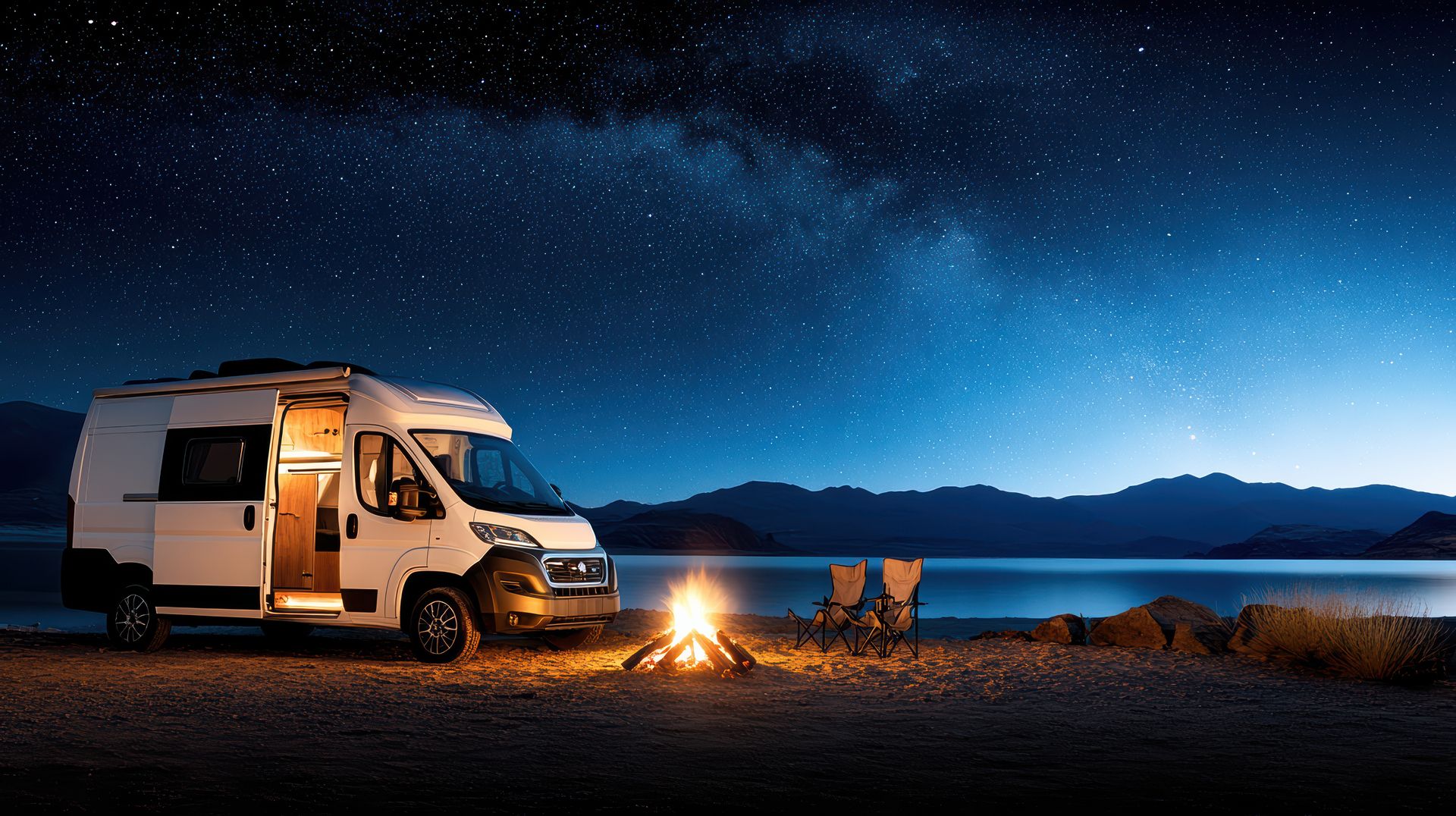
A motorhome lets you travel and live on the road with all the comforts of home. This guide explains what a motorhome is, the different types, costs, and uses, helping budget-conscious buyers make smart choices. Whether you’re planning family trips, full-time RV life, or looking for auction deals, this article gives you the knowledge to pick the right motorhome for your lifestyle and budget.
What Is Considered a Motorhome?
A motorhome is a self-contained vehicle designed for living and traveling. It combines transportation with basic home amenities like sleeping areas, a small kitchen, and often a bathroom. Essentially, it’s a home on wheels — perfect for road trips, weekend getaways, or even longer journeys without worrying about hotels or accommodations.
Motorhomes come in various sizes, from compact vans that fit into a regular parking space to large, bus-sized rigs that offer multiple bedrooms and full kitchens. They allow people to travel comfortably while carrying all the essentials, making them ideal for families, couples, or solo travelers who want freedom on a budget.
For budget-conscious buyers, motorhomes offer flexibility and savings. Instead of spending hundreds on hotels, you can park at campgrounds or RV-friendly areas, cook your own meals, and travel at your own pace. Many used motorhomes at U.S. online auctions provide an opportunity to own one without paying full retail prices.
What’s Another Name for a Motorhome?
Motorhomes are known by several names depending on the region and style. Common alternatives include RV (Recreational Vehicle), campervan, or camper. While all these terms refer to vehicles equipped for living on the road, some distinctions exist:
- RV is the broadest term and includes motorhomes, travel trailers, and fifth wheels.
- Campervan usually refers to smaller, van-based motorhomes that are easier to drive and park.
- Camper can be a general term for any vehicle modified for travel and living, sometimes including trailers.
For someone exploring auctions, understanding these names helps when searching listings. A “used RV” or “campervan” could actually be a motorhome that fits your budget and needs.
How Is a Motorhome Different from a Regular Vehicle?
Unlike a standard car or van, a motorhome is designed for living as well as driving. While regular vehicles are built solely for transportation, motorhomes have integrated features that make them self-sufficient on the road:
- Sleeping areas: Beds or convertible seating spaces allow overnight stays.
- Kitchen facilities: Many motorhomes include a stove, microwave, fridge, and sink for cooking on the go.
- Bathroom amenities: Some models have toilets, showers, and running water.
- Storage: Extra compartments allow carrying clothing, food, and travel gear without cramming your car.
A Short History of Motorhomes
Motorhomes didn’t appear overnight — they evolved from simple travel vehicles into the fully equipped homes-on-wheels we know today. Understanding their history helps appreciate why they remain so popular, especially for travelers looking to explore affordably and independently.
The Early Days of Travel Vehicles
The concept of traveling with basic living facilities began in the early 20th century. Adventurers and pioneers modified cars, buses, and trucks to include sleeping spaces, cooking areas, and storage. These early “camping vehicles” were simple but revolutionary, allowing families to travel longer distances without relying on hotels or inns.
During this period, motorhomes were mostly DIY projects. Enthusiasts would attach small cabins or build wooden compartments on their vehicles. While primitive by today’s standards, they laid the foundation for mobile living and showed that independence on the road was possible even on a modest budget.
The Rise of Modern Motorhomes
By the 1950s and 1960s, manufacturers began producing purpose-built motorhomes. Companies like Winnebago and Airstream introduced vehicles designed from the ground up for travel and comfort. These motorhomes featured integrated kitchens, bathrooms, and sleeping areas, making long road trips far more comfortable than the improvised conversions of earlier decades.
This era marked a shift: motorhomes were no longer just a novelty for hobbyists — they became accessible to middle-class families. With reasonable pricing and practical designs, motorhomes allowed more people to enjoy the freedom of traveling while carrying their home with them.
The Popularity Boom in the U.S.
From the 1970s onward, motorhomes became a cultural phenomenon in the United States. Increased car ownership, expanding highway systems, and the rise of camping and outdoor recreation fueled demand. Families discovered that a motorhome could replace hotel stays, provide flexibility in travel plans, and make vacations more economical.
Types and Classes of Motorhomes
Motorhomes come in different shapes, sizes, and designs, each tailored to a specific type of traveler. Understanding the main classes helps buyers choose the right vehicle for their needs and budget. Whether you want luxury, efficiency, or family-friendly space, there’s a motorhome type that fits.
Class A Motorhome — The Largest and Most Luxurious
Class A motorhomes are the giants of the road. Built on bus or heavy-duty truck chassis, they offer spacious interiors, full kitchens, multiple bathrooms, and sometimes even slide-out rooms for extra living space. Many include luxury features like leather furniture, entertainment systems, and advanced climate control.
For someone looking to travel in comfort, Class A motorhomes feel like a mobile apartment. While new models can be very expensive, used Class A motorhomes at online auctions can provide a more budget-friendly way to experience top-tier luxury on the road.
Class B Motorhome — The Compact and Efficient Choice
Class B motorhomes, often called campervans, are built on van platforms. They are smaller, easier to drive, and more fuel-efficient than larger motorhomes. Interiors are compact but cleverly designed, often including a small kitchen, sleeping area, and portable bathroom.
For budget-conscious travelers, Class B motorhomes are ideal. They are cheaper to maintain, park, and operate, and still allow comfortable overnight travel. Many buyers find great deals on auctioned campervans that let them explore the country without high ownership costs.
Class C Motorhome — The Family-Friendly Middle Option
Class C motorhomes strike a balance between space and manageability. Built on a truck or van chassis with an over-cab sleeping area, they are larger than Class B but easier to drive than Class A. They typically feature full kitchens, bathrooms, and multiple sleeping areas, making them perfect for families or groups.
For budget buyers, Class C motorhomes often offer the best combination of practicality and affordability. Older models at auctions can provide plenty of space without the premium price of a new Class A, making family travel or group adventures more accessible.
Specialty and Custom Motorhomes
Beyond the standard classes, some motorhomes are custom-built or specialized. These include luxury coaches with unique interiors, off-road RVs, and expedition-style vehicles. They are designed for specific lifestyles, like long-term travel, extreme off-roading, or ultra-luxury living on wheels.
What Makes a Motorhome Unique?
Motorhomes stand out from regular vehicles because they combine mobility with the comforts of home. They allow travelers to sleep, cook, and live on the road, making them perfect for road trips, vacations, or even long-term travel. Understanding what makes a motorhome special helps budget-conscious buyers recognize the value of even older or auctioned models.
Common Features Every Motorhome Should Have
Every motorhome, regardless of size or class, comes with a set of essential features that make life on the road comfortable:
- Sleeping areas: Beds, bunk beds, or convertible seating for overnight stays.
- Kitchen facilities: A stove, refrigerator, sink, and sometimes a microwave for cooking meals.
- Bathroom amenities: Toilets, showers, and running water in most models.
- Storage compartments: Both inside and outside for luggage, travel gear, and supplies.
- Power and utilities: Electrical hookups, battery systems, and sometimes solar panels to keep devices and appliances running.
These features allow a motorhome to function as a self-contained living space, saving money on hotels and allowing flexible travel schedules.
Popular Interior Layouts and Configurations
Motorhomes come in various interior layouts to suit different needs:
- Open floor plan: Combines the living, kitchen, and dining areas into a single space, ideal for socializing.
- Rear bedroom layout: Features a separate sleeping area in the back for privacy and comfort.
- Over-cab sleeping (Class C): Maximizes space with a bed above the driver’s area.
- Convertible furniture: Sofas, dinettes, or tables that transform into beds, perfect for small motorhomes or families.
These configurations allow buyers to choose a motorhome that matches their travel style, family size, and storage needs. Even compact models can feel spacious with smart layouts, making them ideal for budget buyers at online auctions.
Equipment and Accessories Every Owner Should Consider
To make the most of a motorhome, owners often invest in additional equipment and accessories:
- Portable generators or solar panels for off-grid power.
- Leveling blocks and stabilizers for safe and comfortable parking.
- Awning and outdoor furniture for camping comfort.
- Water filtration systems to ensure safe drinking water.
- Safety and navigation tools, including backup cameras and GPS designed for large vehicles.
How Much Does a Motorhome Cost?
Motorhome prices vary widely depending on class, size, age, and condition. Understanding the costs helps budget-conscious buyers make informed decisions, especially when looking at new, used, or auctioned vehicles. With careful planning, even first-time motorhome owners can enjoy the freedom of life on the road without overspending.
Price Range by Class and Size
Motorhome costs are closely linked to their class and size:
- Class A: The largest and most luxurious, often costing $100,000–$500,000 new. Older models or auction finds can drop to $40,000–$100,000, making them more accessible.
- Class B: Compact and efficient campervans typically range from $50,000–$150,000 new. Used or auctioned vans can sometimes be found for $20,000–$50,000.
- Class C: Mid-sized and family-friendly, with new prices around $70,000–$200,000, while well-maintained older models at auctions may sell for $30,000–$70,000.
These ranges give buyers flexibility to choose a motorhome that fits their travel needs and budget. Even smaller models offer comfort and mobility at lower costs, making them ideal for first-time buyers.
New vs. Used Motorhomes — What to Expect
New motorhomes come with warranties, modern features, and pristine condition, but their high prices often put them out of reach for budget travelers. On the other hand, used motorhomes provide significant savings, sometimes 30–50% less than new, while still offering reliable functionality.
Used motorhomes may have some wear and tear, but many are well-maintained by previous owners. Budget-conscious buyers can still enjoy a comfortable, fully-equipped home-on-wheels without paying top-dollar for the newest model. Inspecting service records and vehicle history is key to making a smart purchase.
Buying from Auctions — A Smart Way to Save
Online auto auctions are one of the best ways to save on motorhomes. Auctioned vehicles can include repossessions, lightly used models, or older motorhomes in excellent condition. Buyers often pay far below retail prices, making high-quality motorhomes affordable even on a tight budget.
For example, a Class C motorhome that sells for $65,000 at a dealer might be won at auction for $35,000, leaving room for small upgrades or repairs. Auctions also allow buyers to find models that might otherwise be out of their price range, opening opportunities for budget-conscious travelers to enjoy road trips without financial stress.
What to Look for When Buying a Motorhome
Buying a motorhome is an exciting step, but it requires careful consideration to avoid costly mistakes. For budget-conscious buyers, knowing what to inspect and which factors matter most can save thousands while ensuring a reliable, comfortable vehicle for life on the road.
Checking Condition and Maintenance History
Before purchasing, review the motorhome’s overall condition. Look for signs of wear, damage, or leaks in the roof, windows, and body panels. Ask for maintenance records — a well-documented history shows that previous owners took care of the vehicle.
Pay attention to:
- Mileage: Lower mileage often means less wear, but high-mileage motorhomes can still be reliable if properly maintained.
- Exterior and interior condition: Check for rust, cracks, or water damage inside cabinets, floors, and ceilings.
- Previous use: Was it a seasonal camper, daily driver, or long-term traveler? Heavy usage can affect longevity.
A thorough check helps identify potential issues before bidding or buying, protecting your investment and reducing unexpected repair costs.
Engine, Electrical, and Water System Inspection
Motorhomes have complex systems that require careful inspection:
- Engine and drivetrain: Listen for unusual noises, check for leaks, and verify smooth operation. For used motorhomes, service records are especially important.
- Electrical system: Test lights, outlets, battery connections, and any onboard generators. Faulty wiring can be expensive to repair.
- Water system: Inspect plumbing, water tanks, pumps, and any onboard water heaters. Leaks or corrosion can lead to costly repairs and affect daily comfort.
Even a budget-friendly motorhome can offer reliable travel if these systems are in good working order. If possible, consider a professional inspection before finalizing the purchase.
Best Motorhome Brands to Consider
Certain brands have earned reputations for durability, comfort, and value, making them good options for budget-conscious buyers:
- Winnebago: Known for high-quality interiors and solid construction. Offers a wide range of Class A, B, and C models.
- Airstream: Famous for campervans and trailers with durable aluminum bodies and classic design.
- Thor Motor Coach: Offers a variety of affordable and well-equipped Class A and C motorhomes.
- Fleetwood: Popular for reliable engines and spacious layouts, often available at auctions at reasonable prices.
- Coachmen: Known for budget-friendly options that don’t sacrifice essential amenities.
Legal and Safety Considerations
Owning a motorhome comes with responsibilities beyond just driving. Understanding legal requirements and safety regulations is essential, especially for budget-conscious buyers who may be purchasing used or auctioned vehicles. Being informed helps avoid fines, accidents, or unexpected costs while ensuring a safe and enjoyable travel experience.
Driver Licensing Requirements
Motorhome driving rules vary depending on the vehicle’s size and weight. Most smaller Class B and some Class C motorhomes can be driven with a standard driver’s license. However, larger Class A motorhomes or heavy rigs may require a commercial or special license in some states.
Before purchasing, check:
- Weight limits: Vehicles over certain weight thresholds may need a commercial or non-commercial special license.
- State regulations: Each state has its own rules about motorhome operation, so verify requirements if you plan to travel across multiple states.
- Towing considerations: If you plan to tow a car, trailer, or boat, additional licensing or endorsements may be needed.
Being aware of licensing requirements ensures legal compliance and prevents surprises after buying a motorhome at an auction or used sale.
Traffic and Road Laws by State
Motorhomes are subject to state-specific traffic and road laws. These can include:
- Speed limits: Some states impose lower limits for vehicles over a certain weight or length.
- Lane restrictions: Large motorhomes may be restricted from certain lanes on highways.
- Parking and overnight stays: Some areas limit where you can park or camp overnight, even in RV parks.
For travelers, understanding these rules keeps trips smooth and avoids fines. Budget buyers should research state and local regulations to plan routes and overnight stops effectively.
Motorhome Insurance Essentials
Motorhome insurance is slightly different from standard car insurance because it covers both vehicle operation and living space. Essential coverage includes:
- Liability insurance: Protects against damages or injuries caused to others.
- Collision and comprehensive coverage: Covers damage to the motorhome itself, including accidents, theft, or natural events.
- Contents coverage: Some policies protect belongings inside the motorhome, such as electronics or kitchen appliances.
- Roadside assistance: Very useful for larger vehicles that may require towing or emergency repairs.
Motorhome Maintenance, Storage & Security
Owning a motorhome is exciting, but it also requires regular attention to keep it safe, functional, and comfortable. Proper maintenance, storage, and security practices help budget-conscious owners protect their investment and extend the life of their motorhome, whether new or purchased at an auction.
Routine Maintenance Tips
Regular maintenance is key to preventing costly repairs and ensuring safe travel:
- Engine and drivetrain checks: Regular oil changes, fluid checks, and engine inspections keep your motorhome running smoothly.
- Tires and brakes: Inspect tires for wear, maintain proper pressure, and check brakes to ensure safe handling, especially for heavier Class A or C models.
- Plumbing and water systems: Clean water tanks, check for leaks, and winterize pipes to prevent damage in cold weather.
- Electrical systems: Test batteries, outlets, and onboard generators regularly. Replace or repair any faulty components promptly.
- Interior upkeep: Clean and inspect furniture, appliances, and cabinets to maintain comfort and prevent long-term damage.
Routine maintenance can save hundreds or thousands of dollars in repairs down the line, making it essential for those traveling on a budget.
Seasonal Storage and Protection
Proper storage protects your motorhome from weather and environmental damage:
- Indoor storage: Ideal for winter or long-term storage to prevent exposure to snow, ice, and UV damage.
- Outdoor storage: Use high-quality covers and tie-downs to shield the vehicle from sun, rain, and debris.
- Ventilation: Keep windows or vents slightly open to reduce moisture buildup and prevent mold.
- Battery care: Disconnect or maintain batteries during storage to preserve their lifespan.
Taking time to store your motorhome correctly ensures it stays in top condition and minimizes future repair costs.
Security Systems and Theft Prevention
Motorhomes are valuable targets, so security is essential:
- Alarms and immobilizers: Prevent unauthorized access and theft.
- GPS trackers: Help locate your motorhome in case it’s stolen.
- Wheel locks and hitch locks: Physical deterrents for stationary vehicles.
- Secure storage locations: Parking in well-lit, monitored, or gated areas adds extra protection.
What Can a Motorhome Be Used For?
Motorhomes are versatile vehicles that go far beyond simple transportation. They combine mobility with living space, opening opportunities for adventures, flexible living, and even work. Understanding how motorhomes can be used helps budget-conscious buyers imagine the value they provide, whether purchased new or at auction.
Family Road Trips and Vacations
One of the most popular uses for motorhomes is family travel. Motorhomes allow families to explore the country without worrying about hotel costs or rigid itineraries. Kids can nap or play during long drives, and parents can cook meals on the go, saving money on dining out.
For example, a family could buy a used Class C motorhome at auction for $35,000, and use it for multiple vacations that would otherwise cost thousands in hotels. Motorhomes provide flexibility, comfort, and a sense of adventure, making road trips more enjoyable and budget-friendly.
Long-Term Living and Full-Time RV Life
Some people choose to live in a motorhome full-time, embracing a minimalist, mobile lifestyle. This approach is especially appealing to retirees, digital nomads, or anyone looking to reduce housing costs.
Full-time RV living allows owners to travel at their own pace while carrying all necessities, from kitchen appliances to personal belongings. A well-maintained used motorhome from an auction can provide a reliable home on wheels for a fraction of the cost of traditional housing, making this lifestyle achievable even on a tight budget.
Business or Mobile Workspaces
Motorhomes aren’t just for travel — they can also serve as mobile offices, studios, or business spaces. Freelancers, entrepreneurs, or small business owners can convert a motorhome into a work-ready environment, complete with seating, Wi-Fi, and power outlets.
For example, a photographer or event planner could use a compact Class B campervan as a mobile workspace, traveling between clients while keeping expenses low. Auctioned motorhomes often offer a cost-effective entry point into these mobile business opportunities, combining practicality with mobility.
Can You Live in a Motorhome Full Time?
Living full-time in a motorhome is becoming increasingly popular for people seeking freedom, flexibility, and a simpler lifestyle. While it requires adjustments and careful planning, it can be a cost-effective and rewarding alternative to traditional housing. Budget-conscious buyers can particularly benefit by purchasing used or auctioned motorhomes to start their full-time journey.
Benefits of Full-Time Motorhome Living
Full-time motorhome living offers several advantages:
- Freedom to travel: You can explore new cities, states, or national parks without the limitations of a fixed home.
- Lower housing costs: No mortgage, property taxes, or high utility bills. Even financing or maintaining a motorhome often costs less than traditional rent or mortgage payments.
- Minimalist lifestyle: Living in a motorhome encourages efficient use of space and possessions, simplifying daily life.
- Flexibility: You can change locations for work, weather, or personal preference at any time.
For someone on a budget, buying a used Class B or C motorhome at an online auction can make full-time living affordable and realistic, allowing you to enjoy the perks of mobile life without breaking the bank.
Challenges and Lifestyle Adjustments
Full-time motorhome living also comes with challenges:
- Limited space: Motorhomes are smaller than traditional homes, so organization and downsizing are necessary.
- Maintenance and repairs: Systems like plumbing, electrical, and engines require regular upkeep. Budget buyers must plan for potential repairs, especially on older vehicles.
- Access to amenities: Full-time RVers need to locate campgrounds, dump stations, and places to refill water or recharge batteries.
- Weather and mobility constraints: Extreme temperatures or narrow roads can pose challenges depending on the motorhome class and design.
Adjusting to these realities ensures a smoother experience, and careful planning helps avoid surprises, keeping costs under control while living on the road.
Cost of Living vs. Traditional Housing
Living in a motorhome can significantly reduce expenses compared to traditional housing:
- Purchase price: A used motorhome at auction can cost $20,000–$50,000 for a functional vehicle, far less than buying a house or condo.
- Utilities and bills: Electricity, water, and heating are generally lower than a full-sized home, especially with solar or efficient energy systems.
- Travel savings: Since your “home” moves with you, hotel costs, long-term rentals, and dining out are reduced.
- Maintenance budgeting: While motorhomes require upkeep, careful inspection and preventive care can keep costs predictable.
Motorhome vs. Campervan — What’s the Difference?
For first-time buyers or budget-conscious travelers, understanding the difference between a motorhome and a campervan is crucial. Both allow you to travel and sleep on the road, but they differ in size, features, and cost, which affects how you use them and where you can take them.
Size and Comfort
Motorhomes are generally larger and more spacious, especially Class A and Class C models. They often include separate bedrooms, full kitchens, and bathrooms, making them ideal for families or long-term living.
Campervans, on the other hand, are compact and easier to maneuver, usually built on van platforms. They provide cozy sleeping areas and small kitchens but offer less living space and storage. For solo travelers or couples on a budget, campervans provide enough comfort without the bulk of a full-sized motorhome.
Features and Amenities
Motorhomes typically come with full amenities, including multiple beds, bathrooms, large kitchens, and entertainment systems. Some even have slide-outs to expand living space.
Campervans focus on essential amenities: a bed, small kitchen, and limited storage. They may include portable toilets or compact showers but lack the luxury and space of larger motorhomes. Buyers at auctions can find campervans with upgraded interiors, making them an affordable way to enjoy mobile living.
Ease of Driving and Parking
One of the biggest differences is maneuverability. Motorhomes, especially Class A models, are larger, heavier, and sometimes challenging to park or navigate through narrow roads. They require careful driving and sometimes special licenses.
Campervans are much easier to drive and park, fitting into standard parking spaces and allowing access to city streets or remote areas. For budget-conscious buyers or first-time RV owners, campervans offer less stress and more flexibility.
Budget Considerations
Motorhomes are more expensive to buy, maintain, and operate. Even used models at auction can cost significantly more than a campervan. Fuel costs are also higher due to their size and weight.
Campervans are budget-friendly, both in initial purchase price and ongoing costs. They consume less fuel, require less maintenance, and can often be found at reasonable prices at online auctions. For someone looking to experience road life without a large investment, campervans provide an excellent entry point.
RV vs. Motorhome — Are They the Same?
Many first-time buyers and budget-conscious travelers get confused by the terms RV and motorhome. While they are closely related, understanding the differences helps make smarter decisions when shopping, especially at online auctions where terminology may vary.
The U.S. Terminology Explained
In the U.S., RV (Recreational Vehicle) is a broad term that covers any vehicle equipped for travel and temporary living. This includes:
- Motorhomes: Self-contained vehicles with living spaces, kitchens, and often bathrooms.
- Travel trailers and fifth wheels: Towable units that require a separate vehicle for movement.
- Campervans: Compact van-based RVs with essential living amenities.
A motorhome is a type of RV, meaning all motorhomes are RVs, but not all RVs are motorhomes. For buyers, knowing this distinction ensures they understand exactly what they are bidding on, avoiding surprises with vehicle type, features, or capabilities.
Common Misconceptions
Some common misconceptions about RVs and motorhomes include:
- “RVs are all huge and expensive” – Many RVs, especially campervans or used models, are compact and budget-friendly.
- “Motorhome and RV mean the same thing” – While often used interchangeably, motorhomes specifically refer to self-propelled vehicles with living spaces, whereas RVs can include trailers.
- “You need a special license for all RVs” – License requirements depend on vehicle size and class, not the general term “RV.”
Renting vs. Buying a Motorhome
Deciding whether to rent or buy a motorhome depends on your travel frequency, budget, and long-term goals. Both options have advantages, and understanding them helps budget-conscious travelers make smart choices without overspending.
When Renting Makes Sense
Renting a motorhome is ideal for occasional trips or first-time RVers who want to test the lifestyle before committing to ownership. Benefits include:
- Lower upfront cost: No need to purchase a vehicle, pay taxes, or handle long-term maintenance.
- Access to newer models: Rental fleets often include well-maintained, modern motorhomes with the latest features.
- Flexibility: Choose the size and type of motorhome that fits each trip, whether a compact campervan for two or a Class C for a family vacation.
- No storage concerns: You don’t need to worry about parking, winter storage, or long-term security.
For those who travel once or twice a year, renting can be more cost-effective than buying, especially when factoring in maintenance and depreciation.
Benefits of Ownership
Buying a motorhome is worthwhile for frequent travelers or long-term RV enthusiasts. Advantages include:
- Unlimited use: Travel whenever you want without rental restrictions or availability issues.
- Cost savings over time: Frequent travelers often save money compared to repeated rental fees.
- Customization: Personalize the interior, install additional accessories, or upgrade systems to match your lifestyle.
- Auction opportunities: Budget-conscious buyers can purchase used or repossessed motorhomes at online auctions for a fraction of retail prices, making ownership more accessible.
FAQ
This FAQ section addresses common questions about motorhomes, helping first-time buyers and budget-conscious travelers understand the basics and make informed decisions when exploring online auctions or considering a purchase.
What defines a motorhome?
A motorhome is a self-contained vehicle designed for travel and temporary living. It combines transportation with living amenities like sleeping areas, a kitchen, and often a bathroom. Unlike trailers that need to be towed, motorhomes are drivable homes on wheels, offering mobility, comfort, and convenience.
What's the difference between a campervan and a motorhome?
The main difference lies in size and features. Motorhomes are generally larger and can include full kitchens, bathrooms, and separate sleeping areas, making them suitable for families or long-term living. Campervans are smaller, van-based vehicles with compact sleeping and kitchen arrangements, easier to drive and park, and often more budget-friendly for solo travelers or couples.
What is the purpose of a motorhome?
Motorhomes serve multiple purposes:
- Travel and vacations: Allow families or groups to explore without relying on hotels.
- Full-time living: Enable minimalistic, mobile lifestyles, reducing housing costs.
- Work or mobile offices: Can be converted into mobile workspaces for freelancers or small businesses.
Essentially, a motorhome combines mobility and living space, providing flexibility and independence for various lifestyles.
What is a motorhome F1?
The term "motorhome F1" refers to specialized motorhomes used in Formula 1 racing. These vehicles serve as mobile living quarters and support units for teams during F1 events. They are equipped with sleeping, kitchen, and lounge areas, allowing team members to rest, eat, and work at the track. While not typical for everyday buyers, it highlights the versatility of motorhomes in professional and niche applications.
Final Thoughts
Motorhomes offer a unique combination of mobility, comfort, and adventure, making them an appealing choice for travelers, families, and even budget-conscious buyers looking for affordable ways to explore the road. Understanding their features, costs, and lifestyle implications helps you decide if this investment fits your needs and travel goals.
Is a Motorhome Right for You?
A motorhome can be perfect if you:
- Enjoy road trips and flexible travel without relying on hotels.
- Want to live or travel full-time with the convenience of home amenities on the road.
- Are looking for budget-friendly options, like used models or auction deals, to maximize value.
- Appreciate versatility, whether for family vacations, solo adventures, or mobile workspaces.
However, consider factors like vehicle size, maintenance, storage, and driving requirements. If you travel infrequently or prefer city driving, a smaller campervan or rental may suit you better. The right choice balances your lifestyle, comfort needs, and budget.
Are you interested in buying a vehicle from Online Auto Auctions?
With this being said – you can still export vehicles and save up a few thousand dollars with Bidndrive. We have an inventory of over 150k plus vehicles with titles you can export for you to choose from. Once you have placed your bid and won the auction a Bill of Sale document is then emailed to you as proof of purchase – after full payments have been made.
To gain access and get started on your purchase, sign up for free.