



Buying a car, especially a used or auction vehicle, comes with questions about safety and reliability. One important factor to know is whether a car has been recalled. This guide explains what a recall is, why it happens, and how it affects you as a buyer. By understanding recalls, you can protect your safety, avoid unexpected costs, and make smarter decisions when choosing your next car.
What Is a Vehicle Recall?
Definition of a Car Recall
A vehicle recall is an official action taken by a car manufacturer to fix a problem that affects safety, performance, or legal standards. When a defect is found, the manufacturer notifies owners and offers a repair, replacement, or sometimes even a refund—usually at no cost.
These problems can range from serious issues like faulty brakes or airbags to less obvious defects like electrical malfunctions. The key point is that the issue is widespread, meaning it affects a group of vehicles with the same design or production flaw.
For example, imagine you buy a used car from an auction at a great price. It runs fine, but later you find out the airbag system has a known defect. If it’s under recall, the manufacturer must fix it for free. That’s why recalls are so important for budget buyers—they can save you from expensive repairs.
Difference Between Recall, Service Campaign, and Warranty Repair
These terms sound similar, but they are not the same. Understanding the difference can help you avoid confusion and unexpected costs.
- Recall: This is the most serious case. It usually involves safety risks or legal issues. Repairs are free, no matter the car’s age or mileage in most cases.
- Service Campaign (or Technical Service Bulletin): This is a less urgent fix. It may address performance issues or minor defects. Not all service campaigns are free, and some are only covered for a limited time.
- Warranty Repair: This applies when your car is still under warranty. If something breaks, the manufacturer pays for the repair—but only within the warranty period. Once the warranty expires, you may have to pay out of pocket.
For example, if you’re buying a low-cost vehicle from an auction, it’s likely out of warranty. A recall would still be fixed for free, but a regular repair or service campaign might not be covered.
Are Recalls Common?
Yes, recalls are more common than most people think. Every year, millions of vehicles are recalled in the United States alone. Even well-known and reliable brands issue recalls from time to time.
This doesn’t always mean the car is “bad.” Modern vehicles are complex machines with thousands of parts and software systems. Small issues can show up after cars are already on the road.
For budget buyers, this is actually good news. Why? Because:
- You can buy a car at a lower price
- Then fix certain problems for free through a recall
- And end up with a reliable vehicle for less money
Check a Car Before You Buy — Not After
When buying a used or auction vehicle, hidden issues can cost you more than the car itself. Before placing a bid, review vehicle history, past sales data, and known defects to avoid surprises.
- ✅ Free vehicle history reports with past records
- ✅ Previous auction photos and sale data
- ✅ Identification of common issues and risks
- ✅ Smarter decision-making before bidding
Why Do Car Recalls Happen?
Most Common Causes of Recalls
Car recalls happen when a manufacturer discovers a problem that could affect safety, performance, or legal compliance. These issues are usually found after the cars are already on the road, often through customer complaints, inspections, or internal testing.
For budget buyers, this is important to understand: a recall doesn’t always mean the car is unreliable. It often means the manufacturer identified a defect and is required to fix it—usually for free.
Below are the most common reasons recalls happen.
Safety Defects (Brakes, Airbags, Steering)
This is the most serious type of recall. It involves problems that can directly cause accidents or injuries.
Common examples include:
- Brakes that fail or wear out too quickly
- Airbags that don’t deploy—or deploy incorrectly
- Steering systems that become unresponsive
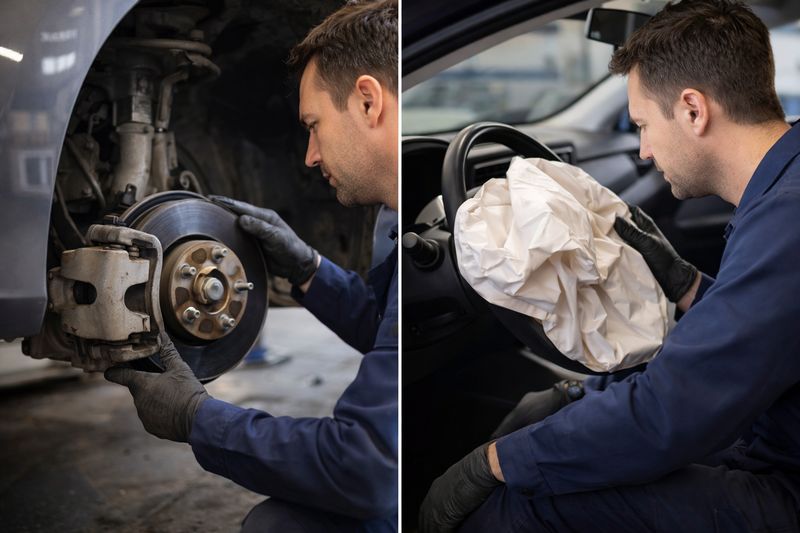
Imagine buying a cheap sedan from an auction. Everything seems fine, but the braking system has a known defect. Without a recall fix, you could be at real risk. With a recall, the repair is handled at no cost.
Manufacturing Errors and Faulty Parts
Sometimes the issue is not in the design, but in how the car was built. A batch of vehicles may have defective parts due to factory mistakes or low-quality components from suppliers.
Examples include:
- Loose bolts or poorly assembled components
- Faulty fuel pumps or engines
- Defective wiring
This often affects specific production dates rather than the entire model. That’s why checking the VIN is so important—you need to know if your car is included.
Software and Electronic Issues
Modern cars rely heavily on software. Problems in code or electronics can lead to unexpected behavior.
Examples:
- Backup cameras not displaying properly
- Infotainment systems freezing or rebooting
- Driver-assist features malfunctioning
These recalls are becoming more common. In some cases, the fix is simple and can be done with a software update instead of a physical repair.
For a budget buyer, this can be a win—you might fix a complicated issue quickly and for free.
Regulatory and Compliance Problems
Not all recalls are about immediate safety risks. Some happen because a vehicle does not meet government regulations.
Examples include:
- Emissions levels exceeding legal limits
- Missing or incorrect safety labels
- Lighting systems that don’t meet standards
These issues still need to be fixed for the car to be legally compliant, especially if you plan to register or resell it.
Are Some Recalls a Preventive or Marketing Measure?
Yes, not all recalls happen after something goes wrong. Sometimes manufacturers act early to prevent bigger problems.
For example, if engineers notice that a certain part might fail over time, they may issue a recall before accidents happen. This is called a preventive recall. It helps reduce risk and protects the brand’s reputation.
There are also cases where recalls improve customer trust. While not exactly “marketing,” fixing issues quickly and publicly shows responsibility. For buyers, this is actually a good sign—it means the manufacturer stands behind the product.
Who Triggers a Vehicle Recall?
Role of Manufacturers
In most cases, the recall process starts with the manufacturer. Car companies constantly collect data from dealerships, repair shops, and customer complaints. If they notice a pattern—like the same part failing across many vehicles—they begin an internal investigation.
If the issue is serious, especially if it affects safety, the manufacturer will announce a recall and take responsibility for fixing it.
For example, imagine you bought a used SUV from an auction to save money. Months later, the manufacturer discovers that a fuel pump in that model can fail without warning. Even if your car is already a few years old, they still have to fix it for free once the recall is issued.
Manufacturers often act quickly because recalls can damage their reputation. It’s in their interest to solve the problem before it leads to accidents or lawsuits.
Role of Government Safety Agencies
Government agencies also play a key role in recalls. In the United States, organizations like the National Highway Traffic Safety Administration (NHTSA) monitor vehicle safety and investigate complaints from drivers.
If enough people report the same issue—such as brake failure or airbags not working—the agency can open an official investigation. If they find a safety risk, they can pressure the manufacturer to issue a recall.
This is especially important for budget buyers. Even if a manufacturer is slow to act, government oversight helps ensure problems don’t get ignored. It adds an extra layer of protection for anyone buying a used or auction vehicle.
Voluntary vs Mandatory Recalls
There are two main types of recalls based on how they are initiated: voluntary and mandatory.
- Voluntary recalls happen when the manufacturer identifies a problem and decides to fix it on their own. This is the most common type. It usually means the company is trying to address the issue early and avoid bigger consequences.
- Mandatory recalls happen when a government agency steps in. If the manufacturer does not act quickly enough, authorities can require a recall to protect public safety.
From a buyer’s perspective, both types are handled similarly—you still get the repair for free. But mandatory recalls often involve more serious or long-standing issues.
For example, if you’re buying a low-cost car from an auction, and it has an open mandatory recall, it’s a sign you should take the issue seriously and fix it as soon as possible.
Types of Car Recalls
Safety Recalls
Safety recalls are the most serious type. They involve problems that can increase the risk of accidents, injuries, or even fatalities. Because of this, manufacturers are legally required to fix these issues at no cost to the owner.
Common examples include:
- Faulty brakes that reduce stopping power
- Airbags that fail to deploy or deploy incorrectly
- Steering systems that suddenly stop working
If you’re buying a budget car from an auction, this is the type of recall you should pay the most attention to. A car might look like a great deal, but an open safety recall means it could be dangerous to drive until it’s repaired.
The good news? These fixes are usually free, no matter how old the car is. That can save you hundreds—or even thousands—of dollars.
Non-Safety Recalls
Non-safety recalls deal with issues that don’t directly put you at risk but still need to be corrected. These problems often affect comfort, usability, or long-term reliability.
Examples include:
- Malfunctioning infotainment systems
- Faulty sensors or warning lights
- Minor electrical glitches
For budget buyers, these recalls are less urgent but still worth fixing. Even if the issue doesn’t affect safety, it can impact your driving experience or the car’s resale value later.
In some cases, these fixes are also free, but not always as strictly regulated as safety recalls.
Dealership Recalls vs Manufacturer Recalls
This is where things can get confusing. Most recalls come directly from the manufacturer, but dealerships can also be involved in identifying and handling issues.
- Manufacturer recalls are official and apply to all affected vehicles. They are tracked in national databases and are almost always free to fix.
- Dealership-related actions may include service campaigns or local repair programs. These are sometimes confused with recalls but may not have the same coverage or urgency.
For example, you might take your auction car to a dealership for a check-up, and they tell you about an issue. If it’s a true recall, you won’t pay. If it’s just a service campaign, you might.
That’s why it’s important to confirm whether the issue is an official recall or not—especially when you’re trying to keep costs low.
“Virtual” or Software Recalls
Modern vehicles rely heavily on software, and this has created a new type of recall: software or “virtual” recalls.
Instead of replacing a physical part, the manufacturer fixes the issue by updating the car’s software. This can sometimes be done:
- At a dealership
- Over the air (OTA), without visiting a service center
Examples include:
- Backup camera display issues
- Driver-assist systems not working correctly
- Infotainment bugs or system crashes
For budget buyers, this is often the easiest type of recall to deal with. There are no parts to wait for, and the fix can be quick.
How the Vehicle Recall Process Works
Problem Detection and Investigation
The recall process usually starts when a problem shows up in real-world use. Drivers report issues, mechanics notice repeated failures, or the manufacturer finds defects during internal testing.
For example, several owners might complain that their brakes wear out too fast. At first, it looks like random cases. But when the same issue appears across many vehicles, it raises a red flag.
The manufacturer then launches an investigation. They collect data, inspect affected cars, and work with suppliers to find the root cause. In some cases, government safety agencies also step in and run their own investigation.
For a budget buyer, this explains why recalls often appear after a car is already on the market—even years later.
Official Recall Announcement
Once the problem is confirmed, the manufacturer issues an official recall. This means:
- The defect has been identified
- The affected vehicles are listed (usually by VIN range)
- A solution is prepared or in development
The recall becomes public and is added to official databases. This is the moment when you can check a car’s VIN and see if it’s affected.
For example, you might be considering a cheap auction car. After checking the VIN, you discover an open recall that was announced recently. This gives you a chance to plan ahead and fix the issue for free.
Notification to Vehicle Owners
After the recall is announced, the manufacturer tries to contact all registered owners.
Typical notification methods include:
- Letters sent by mail
- Emails or app notifications (for newer vehicles)
The message explains:
- What the problem is
- Why it matters
- What steps you should take
However, this system is not perfect. If the car has changed owners—common with auction vehicles—you might never receive the notification. That’s why manual checks are so important when buying used cars.
Repair, Replacement, or Refund Process
Once you know your car is affected, the next step is fixing the issue.
Depending on the problem, the manufacturer may:
- Repair the defective part
- Replace it with a new one
- Update the vehicle’s software
- In rare cases, offer a refund or buyback
Most repairs are done at authorized dealerships and are free of charge. You usually need to schedule an appointment, and the repair can take anywhere from a quick software update to several hours or even days if parts are limited.
For example, you might buy a low-cost car from an auction with an open recall on the fuel system. After scheduling a visit, the dealership replaces the faulty part at no cost. In the end, you get a reliable car while staying within your budget.
How Will I Know If My Car Has Been Recalled?
Automatic Recall Notification Methods
In many cases, you don’t have to actively search for recalls—manufacturers try to contact you directly. But this only works if your contact information is up to date and the car is properly registered in your name.
For budget buyers, especially those purchasing used or auction vehicles, this system can fail. That’s why it’s important to understand both automatic and manual ways to check.
Mail Notifications
The most common method is a letter sent to your home address.
This letter usually includes:
- A clear description of the problem
- The risks involved (especially if it’s safety-related)
- Instructions on how to schedule a repair
- Confirmation that the fix will be free
For example, you might receive a letter saying your vehicle has an airbag issue and needs immediate attention. You then contact a dealership and book a repair.
The downside? If the previous owner never updated the registration—or if you bought the car at an auction—you may never receive this letter.
Email or App Alerts
For newer vehicles, manufacturers may also send notifications through:
- Mobile apps connected to the car
- Online owner accounts
These alerts can be faster than traditional mail and sometimes include direct links to schedule service.
However, this only works if:
- You’ve registered the vehicle with the manufacturer
- You’re using their app or online system
If you skip this step after buying a used car, you might miss important updates.
Manual Ways to Check for Recalls
Because automatic notifications are not always reliable, especially for second-hand vehicles, it’s smart to check for recalls yourself.
This is quick, free, and can save you from unexpected problems.
VIN Check Tools
The most reliable method is checking your VIN (Vehicle Identification Number).
A VIN is a unique 17-character code assigned to your car. By entering it into an online recall checker, you can instantly see:
- If your vehicle has any open recalls
- What the issue is
- Whether it has already been fixed
This is especially important before buying a car from an auction. Imagine finding a great deal, running the VIN, and discovering an open recall that can be fixed for free—that’s a smart buy.
Manufacturer Websites
Most car brands have their own recall check tools on their official websites. You simply enter your VIN and get detailed information about any recalls.
This method is useful because:
- It’s direct from the source
- It often includes repair instructions
- You can sometimes book a service appointment right away
If you just bought a used car, registering it on the manufacturer’s site can also help you receive future alerts.
Dealership Checks
You can also contact or visit a dealership that works with your car’s brand. They can check your VIN in their system and tell you if there are any open recalls.
This is helpful if:
- You’re already planning a service visit
- You want confirmation from a professional
- You’re unsure how to check online
For example, many budget buyers bring their newly purchased auction car to a dealership for a basic inspection—and discover a recall they didn’t know about. The dealership can then fix it, often at no cost.
Use Data to Avoid Risky Cars
Checking the VIN is just the first step. With full auction insights and historical data, you can spot risky vehicles, avoid bad deals, and focus only on cars worth buying.
- ✅ Access to real auction history and sold prices
- ✅ Detection of repeated sales or hidden damage
- ✅ Support in evaluating vehicle condition
- ✅ Better control over your bidding strategy
Where to Check for Car Recalls
Using VIN (Vehicle Identification Number)
The easiest and most accurate way to check for recalls is by using your VIN (Vehicle Identification Number). This is a unique 17-character code assigned to every car.
You can usually find the VIN:
- On the dashboard near the windshield
- Inside the driver’s door frame
- In the vehicle title or registration documents
Once you have it, you can enter the VIN into a recall lookup tool and instantly see:
- Any open recalls
- Details about the issue
- Whether the problem has already been fixed
For budget buyers, this step is critical. Let’s say you find a car at an auction for a great price. Before bidding, you run the VIN and discover an open recall on the fuel system. Now you know two things: there’s a problem—but it can likely be fixed for free. That helps you make a smarter decision.
Official Databases and Manufacturer Tools
There are several reliable places to check for recalls, and they’re all free to use.
- Government databases: In the U.S., official safety databases allow you to enter your VIN and check for recalls reported nationwide. These are updated regularly and provide accurate, up-to-date information.
- Manufacturer websites: Most car brands have their own recall check pages. These tools often give more detailed explanations and may allow you to schedule a repair directly.
Using both sources is a smart move. Government tools give you a broad view, while manufacturer websites provide specific instructions and next steps.
For example, after buying a used car, you can check a government database to confirm there are no open recalls, then visit the manufacturer’s site to register your car and stay informed in the future.
Checking Before Buying a Used Car
If you’re planning to buy a used or auction vehicle, checking for recalls should be part of your basic inspection—just like checking mileage or accident history.
Here’s a simple approach:
- Get the VIN from the listing or seller
- Run it through a recall checker
- Look for any open (unfixed) recalls
- Research how serious the issue is
This step can save you from surprises later. For example, you might find two similar cars at an auction:
- One has no recalls
- The other has an open safety recall
The second car might be cheaper—but also riskier if the issue is serious and not yet fixed. On the other hand, if the recall is minor and easy to fix, it could be a great deal.
What Do I Do If My Car Is Recalled?
Step-by-Step Actions to Take
If you find out your car has a recall, the most important thing is to act quickly—but stay calm. In most cases, the issue can be fixed for free.
Here’s a simple step-by-step plan:
- Confirm the recall using your VIN to make sure your specific car is affected
- Read the recall details to understand how serious the issue is
- Check if the repair is already available or still pending parts
- Contact an authorized dealership for your car’s brand
- Schedule a repair appointment as soon as possible
For example, if you bought a budget car from an auction and later discover an open recall, this process helps you turn a potential problem into a free fix.
Scheduling a Repair with a Dealer
Repairs for recalls are usually handled by authorized dealerships. You don’t have to go back to the seller or auction—you go directly to a dealer that works with your car’s brand.
When scheduling:
- Call or book online through the dealership website
- Provide your VIN so they can confirm the recall
- Ask how long the repair will take
- Check if they have the necessary parts in stock
Most recall repairs are free, and many dealerships prioritize safety recalls, so you may get an earlier appointment.
For budget buyers, this is a big advantage. Even if you paid less for the car, you still get professional repairs without extra cost.
What to Do If Parts Are Not Available Yet
Sometimes, recalls are announced before replacement parts are ready. This can be frustrating, but it’s not uncommon.
If this happens:
- Ask the dealership to notify you when parts arrive
- Check if there are temporary safety recommendations
- Avoid heavy use of the car if the issue is serious
- Keep records of your recall status and communication
For example, you might learn your car has a recall on a fuel system component, but the replacement part is on backorder. In this case, you may be advised to limit driving or watch for warning signs until the fix is available.
Patience is important here, but so is staying informed.
Can You Still Drive a Recalled Car?
It depends on how serious the recall is.
- Minor issues (non-safety recalls): You can usually keep driving without immediate risk
- Moderate issues: Driving may be allowed, but you should fix the problem soon
- Serious safety recalls: It may be unsafe to drive the car until it’s repaired
For example:
- A software glitch in the infotainment system is not urgent
- A brake or airbag defect is a serious safety risk
If you’re unsure, ask the dealership directly. They can tell you whether it’s safe to drive or if you should stop using the car immediately.
Do You Have to Pay for a Car Recall?
Free Repairs and Legal Requirements
In most cases, recall repairs are completely free. U.S. law requires manufacturers to fix safety-related defects at no cost to the owner, regardless of the car’s age or mileage. This is a big advantage for budget-conscious buyers because even an older, auction-purchased car can receive free repairs if it’s under recall.
For example, imagine you bought a used sedan at a great price from an online auction. A few months later, you discover it has a recall on the airbag system. You take it to an authorized dealership, and the airbags are replaced for free. This ensures your car is safe without you spending extra money.
Exceptions and Out-of-Warranty Cases
While most recalls are free, there are a few exceptions. Some recalls that are not safety-related may not be fully covered, especially if they involve issues outside warranty coverage.
For instance, if a minor software issue or cosmetic defect is found after the warranty expires, the manufacturer may not cover all labor costs. However, safety recalls—like brakes, airbags, or steering—are almost always fully covered, no matter the vehicle’s age or mileage.
Budget buyers should pay attention to the type of recall. Safety-related recalls are worth prioritizing, while minor issues can sometimes be delayed or handled later.
Reimbursement for Previous Repairs
If you already paid to fix a problem that later becomes part of a recall, you may be entitled to reimbursement.
For example, you might have replaced a faulty fuel pump out of your own pocket on a used car. Later, the manufacturer issues a recall for the same issue. In this case, you can submit your receipts to the manufacturer and get reimbursed for parts and labor.
What Happens During a Recall Repair?
Inspection and Diagnosis
The first step in a recall repair is a thorough inspection and diagnosis by the dealership or authorized service center. Technicians check your car to confirm that it is indeed affected by the recall and determine the exact nature of the problem.
For example, if your vehicle has an open recall for faulty airbags, the technician will examine the airbag system, wiring, and sensors to identify the defective components. This step ensures that only the parts that need fixing are addressed, which avoids unnecessary repairs or delays.
For budget buyers, this initial inspection is critical. It confirms that your vehicle qualifies for a free recall repair and helps prevent surprises after the service starts.
Repair or Replacement of Defective Parts
Once the issue is diagnosed, the dealership proceeds with repairing or replacing the defective parts. Depending on the recall, this could involve:
- Swapping out physical components like brakes, airbags, fuel pumps, or steering parts
- Updating software to fix electronic or performance-related issues
- Replacing multiple parts if the problem affects a larger system
For instance, a recall on a used SUV’s fuel system might require replacing the fuel pump and inspecting related lines to ensure everything works safely. In some modern cars, the repair may be as simple as uploading a software update through a dealership’s diagnostic system.
The good news for budget-conscious buyers is that all parts and labor for recall repairs are typically free, even if the car is several years old.
Time Required for Fixes
The duration of a recall repair can vary widely depending on the type of defect and availability of parts. Some repairs, like software updates or minor part replacements, can take as little as 30 minutes to a few hours.
More complex issues, such as replacing airbags, brake systems, or fuel components, may require several hours or even a full day at the dealership. Occasionally, if parts are on backorder, repairs may be delayed until they become available.
For someone buying a used or auction vehicle, this is important to plan for. Even though the repair is free, you may need to leave the car at the dealership for a few hours or days. Knowing this in advance helps you schedule your time and avoid inconvenience while ensuring your vehicle is safe to drive.
What If You Missed a Recall?
Can Recalls Expire?
Recalls generally do not expire. Unlike warranties, which have time or mileage limits, safety-related recalls remain valid for the life of the vehicle. This means that even if a recall was issued years ago, the manufacturer is still legally required to provide a free repair for the affected issue.
For example, if you buy a used car at an online auction and discover it has a five-year-old airbag recall, the repair is still covered—even if the car is no longer under warranty. For budget buyers, this is reassuring: a past recall doesn’t mean you’re stuck paying out of pocket.
Late Repairs and Owner Responsibility
Although recalls don’t expire, delaying a repair can carry risks. Owners are responsible for ensuring their vehicles are safe, so ignoring an open recall could lead to liability if an accident occurs.
For instance, if you know your car has a defective steering component from a past recall and continue to drive it, you could be held responsible if that defect causes an accident. In addition, some recalls may have manufacturer-imposed deadlines for parts availability, so waiting too long could mean a longer wait for the repair once parts are ready.
For budget-conscious drivers, it’s best to schedule the repair as soon as possible. Even though it’s free, leaving the car unrepaired can create unnecessary risks.
Risks of Ignoring an Open Recall
Ignoring a recall, especially a safety-related one, can have serious consequences:
- Increased accident risk: Defective brakes, airbags, or steering can directly cause accidents.
- Reduced vehicle value: Cars with open recalls are harder to sell and may fetch a lower price.
- Insurance complications: Some insurance companies may question claims involving vehicles with known safety defects.
- Legal liability: If an accident occurs due to an unaddressed recall, you could face legal responsibility.
For example, a budget buyer might think, “It’s just a minor issue; I’ll fix it later.” But if the car has a defective fuel pump that could fail while driving, ignoring it puts both safety and finances at risk.
Why Some Recalls Never Reach the Owner
Outdated Contact Information
One of the most common reasons recall notifications don’t reach a car owner is outdated contact information. Manufacturers typically send notifications via mail, email, or app alerts to the address or contact details registered with the vehicle.
If the information is old—because the car changed owners, moved across states, or the previous owner never updated their details—you might never receive the recall notice.
For example, if you purchase a budget car from an online auction, the previous owner may not have updated their registration when they sold the vehicle. The manufacturer may have sent a recall notice months ago, but it never reached you. This is why manual checks using your VIN are so important for anyone buying used vehicles.
Imported or Auction Vehicles
Imported or auction vehicles often face additional challenges in getting recall notifications. Cars brought from other countries or sold through auctions may not be properly registered in the manufacturer’s system. As a result, notifications can get lost in the process.
For instance, a used Japanese import sold in the U.S. may have an open safety recall for airbags or brakes. Since the vehicle was not originally registered with the U.S. manufacturer, the recall notice may never arrive. Budget buyers who rely solely on automatic notifications could remain unaware of serious issues until a manual check is performed.
Title Transfers and Ownership Gaps
Title transfers and ownership gaps also contribute to missed recall notices. When a vehicle changes hands, the title must be updated with the Department of Motor Vehicles (DMV). If there’s a delay or error in this process, the manufacturer may still be sending notices to the previous owner.
For example, you might buy an auction car and only later realize the recall notice was sent months earlier to the previous owner. These gaps are especially common in cars that have had multiple owners in a short period—a frequent scenario with budget vehicles and auction purchases.
What If You Bought a Used Car with an Open Recall?
How to Check Before Buying
Before purchasing a used car, especially from an auction or private seller, it’s crucial to check for open recalls. The most reliable way is by using the car’s VIN (Vehicle Identification Number).
Steps to follow:
- Obtain the VIN from the listing or the seller.
- Enter it into official recall check tools, such as government databases or manufacturer websites.
- Review any open recalls and understand their severity—safety-related recalls should be a priority.
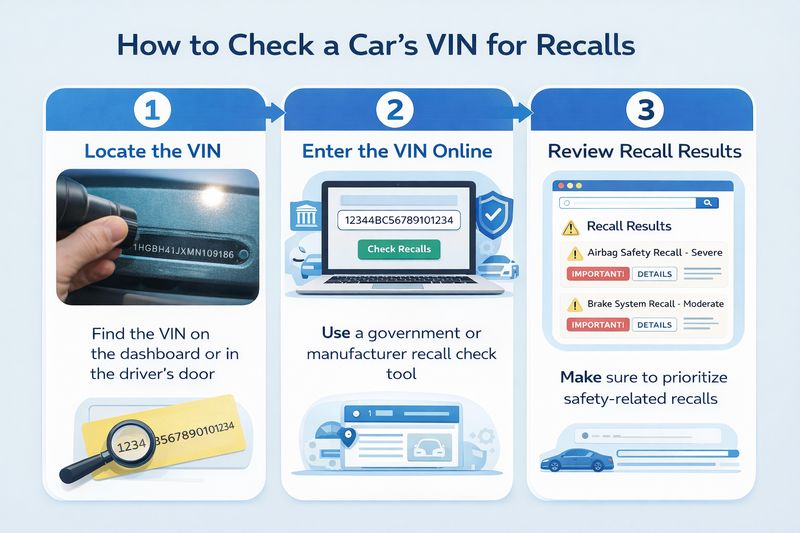
For example, if you find a used SUV for a bargain price, running the VIN might reveal an open recall on the airbags. This knowledge helps you make an informed decision: either negotiate the price down or plan for a free repair immediately after purchase.
Your Rights as a Buyer
As a buyer, you have rights regarding recalls on the car you purchase. In the U.S., manufacturers are legally required to fix safety-related defects at no cost, regardless of who currently owns the vehicle. This applies even if the car was bought used at an auction.
For budget buyers, this means:
- You are entitled to free repairs for any open safety recall.
- You cannot be charged for parts or labor related to a recall repair.
- In some cases, if you recently paid for a repair that is later recalled, you can request reimbursement.
Knowing your rights ensures you don’t overpay and can safely enjoy your used vehicle.
Fixing Recalls on Auction Vehicles
Handling recalls on auction vehicles can be slightly different but is generally straightforward. Once you confirm a recall:
- Contact an authorized dealership for your car’s brand.
- Schedule a repair appointment and provide your VIN.
- Follow the dealership’s instructions—repairs are usually free, even for older cars.
Keep in mind that auction cars sometimes have delayed notifications due to previous ownership gaps. That’s why it’s important to manually check the VIN after purchase, even if the car looks fine.
For example, a budget buyer might win a car at a Copart or IAAI auction. Upon checking, they discover an open recall on the steering system. By taking the car to a dealer promptly, the issue can be fixed at no cost, making the vehicle safe and fully usable.
Do Car Recalls Affect Vehicle Value?
Impact on Resale Value
Open recalls can affect a car’s resale value, especially if they involve safety-related issues. Buyers often see a recalled vehicle as a potential risk, even if the repair is free. This perception can make it harder to sell the car at a good price.
For example, if you bought a budget sedan at an auction and it has an unrepaired brake recall, buyers may negotiate the price down or avoid the car entirely. On the other hand, a vehicle with all recalls addressed typically maintains its value better, since buyers feel confident in its safety and reliability.
Selling a Car with an Open Recall
Selling a car with an open recall requires transparency. You must disclose known recalls to prospective buyers, and failing to do so can create legal or liability issues.
Some strategies for budget-conscious sellers:
- Get the recall repaired before listing the car—this increases buyer confidence and allows you to sell at a fair price.
- Include documentation of completed repairs if the recall has already been fixed.
- Clearly inform buyers about minor, non-safety recalls, while emphasizing that major safety issues have been addressed.
For example, a used SUV with a recently repaired airbag recall can be advertised as “all recalls completed,” which reassures buyers and helps retain resale value.
Buyer Perception and Market Demand
Even if a recall has no immediate safety implications, the perception of risk can impact demand. Cars with a history of multiple recalls, even if repaired, may be viewed as less reliable, affecting market interest.
For instance, budget buyers often search for vehicles that are dependable and low-cost to maintain. A car that has had numerous recalls—even if all were addressed—may still be passed over in favor of a similar model with a cleaner recall history.
Do Recalls Affect Insurance Rates?
Insurance Company Policies
In general, open recalls do not directly increase your insurance rates. Standard insurance policies are based on factors like your driving record, the car’s make and model, and accident history—not whether the vehicle has an open recall.
However, some insurers may consider recall history when evaluating risk for certain types of coverage, particularly if a safety-related defect has contributed to previous claims. For budget-conscious buyers, this means you typically won’t pay more just because your car has an open recall—but staying on top of repairs can prevent complications later.
Claims Involving Recalled Vehicles
If an accident occurs and your car was subject to an open recall, insurance companies may investigate whether the recall contributed to the incident. For example:
- A brake recall that wasn’t fixed could be seen as a factor in a collision
- An airbag that failed due to an unaddressed recall might affect injury claims
In such cases, insurers could limit coverage or adjust claims based on the vehicle’s safety status. Completing recall repairs promptly ensures that your insurance claims remain straightforward and that you’re fully protected in case of an accident.
Liability Risks
Driving a car with an open safety recall can create potential liability risks, especially if the defect leads to an accident that injures someone else. You could face legal responsibility if it’s determined that the accident was preventable by repairing the recalled part.
Get Access to U.S. Auto Auctions Today
Now you know how recalls work and how to avoid risks. The next step is choosing the right car with full transparency. BidNDrive gives you access to real auction inventory, complete data, and expert support.
- ✅ Access to Copart, IAAI and dealer-only auctions
- ✅ Free history reports with every vehicle
- ✅ Transparent pricing and no hidden fees
- ✅ Full support from search to purchase
Further Reading:
Does Clean Title Mean No Accidents?
What Does a Clean Title Mean and Why Does It Matters When Buying a Car?
How to Verify If a Car Has a Clean Title: A Step-by-Step Guide
Understanding CarFax: How Often Is It Updated?
Frequently Asked Questions
- What does it mean when a car is recalled?
- Should I buy a car if it has a recall?
- How does a recall work?
- What are the 3 types of recalls?