



Looking to buy a car at an online auction without breaking the bank? Understanding common damage types is key to making smart, budget-friendly choices. This guide explains what to watch for—from minor dents to flood or fire damage—so you can spot potential repair costs, avoid surprises, and confidently bid on vehicles that give the best value for your money.
Why Understanding Damage Types Matters
Knowing the types of damage cars can have is crucial for anyone buying at online auto auctions. For budget-conscious buyers, this knowledge helps avoid overpaying, reduces the risk of hidden repair costs, and ensures you get a vehicle that’s safe and reliable. Understanding damage allows you to make smarter bids and spot red flags before committing.
How Damage Affects Car Value
Every type of damage can significantly lower a car’s market value. Cosmetic issues like dents or scratches may seem minor, but they can affect resale later. Structural or frame damage is far more serious — even a small accident can reduce a car’s worth by thousands of dollars. Buyers with limited budgets need to weigh the discount offered at auction against potential repair expenses to determine if a deal is truly good.
How Damage Affects Repair Costs
Not all damage costs the same to fix. Cosmetic repairs, such as paint touch-ups or small dent removal, are relatively inexpensive. Mechanical or structural damage, however, can be costly and time-consuming. For example, a bent frame or water damage may require specialized tools or parts, quickly eating into any savings from buying at auction. Understanding repair costs helps budget buyers avoid surprises that could turn a “cheap” car into an expensive headache.
What Budget Buyers Should Pay Attention To
Budget-minded buyers should focus on damage that affects safety, drivability, and repair expenses. Look closely at:
- Structural damage (frame or suspension issues)
- Engine or transmission problems
- Water or flood damage
- Signs of previous accidents like uneven panel gaps or mismatched paint
Buying “As Is”: What It Really Means
When you purchase a car at an online auto auction, the term “as is” comes up constantly. For budget-conscious buyers, understanding this is critical. “As is” means you are accepting the vehicle in its current condition, with all its known and unknown issues. There’s no room for returns, and any repairs are your responsibility. Knowing what “as is” truly entails helps you make smarter bids and avoid costly surprises.
No Return Policy & Buyer Responsibility
Cars sold “as is” cannot be returned after the auction ends. Once you win the bid, you are legally responsible for any problems — from minor dents to major engine failures. For example, a buyer who spots a used car with a slightly dented fender might think it’s a bargain, but if there’s hidden frame damage, they bear the full cost. Budget buyers must be prepared to handle all repairs themselves and factor that into their bidding strategy.
How to Read Auction Condition Reports
Most online auctions provide detailed condition reports that list visible damage, mechanical issues, and any salvage history. Learning to read these reports is key. Look beyond surface scratches — check for notes about prior accidents, airbag deployment, or suspension damage. Even small remarks can indicate underlying problems that affect the car’s safety and value. For budget-conscious buyers, reading these reports carefully ensures you avoid overpaying for a vehicle with hidden flaws.
Hidden Damage Risks
Hidden damage is the biggest risk when buying “as is.” This includes structural issues, previous flood or water damage, and worn-out mechanical parts that aren’t obvious in photos. For instance, a car may look perfect externally, but a bent frame or faulty transmission can cost thousands to repair. Budget buyers need to assume that every “as is” car might have hidden issues and plan their purchase accordingly, either by setting aside a repair budget or avoiding high-risk vehicles altogether.
Title Types That Signal Damage History
Understanding title types is essential for budget-conscious buyers at online auto auctions. A car’s title can reveal hidden risks and past damage that photos alone might not show. Knowing the different title types helps you assess whether a vehicle is worth bidding on or if potential repair costs outweigh the savings.
Salvage Title
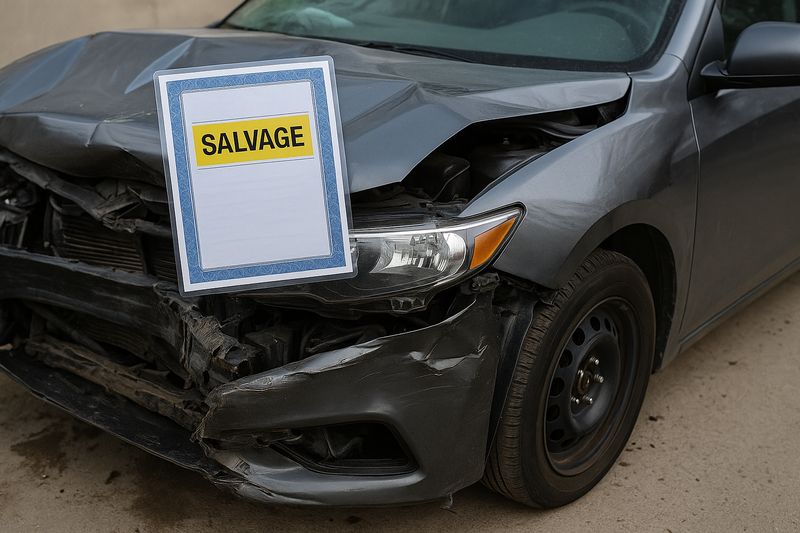
A salvage title is issued when an insurance company declares a vehicle a total loss after an accident, theft recovery, or severe damage. These cars are often repairable but may have structural or mechanical issues. Buyers should be cautious — while the price is lower, repairs can be expensive. A salvage title signals that you must inspect the car thoroughly before bidding.
Rebuilt Title
A rebuilt title means the car was once salvage but has been repaired and inspected to meet roadworthy standards. While it can be a good deal for budget buyers, there are still risks: prior damage may affect long-term reliability, resale value, or safety. Always review repair records and have a mechanic inspect the vehicle if possible.
Flood/Water Damage Title
Vehicles with a flood or water damage title have been damaged by water, which can lead to hidden issues such as electrical failures, rust, mold, and engine problems. Even minor water damage can be costly over time. Buyers should avoid these cars unless they’re experienced with repairs or planning to use the car for parts.
Lemon/Manufacturer Buyback Title
A lemon or manufacturer buyback title indicates the car was returned to the manufacturer due to repeated defects that couldn’t be fixed. These cars may have ongoing mechanical or safety issues. While the auction price can be attractive, budget buyers should carefully weigh repair costs and potential reliability problems.
Junk/Non-Repairable Title
A junk or non-repairable title is given to vehicles deemed unsafe or impossible to repair. These cars are intended for parts or scrap only. They are generally not suitable for road use, and purchasing one for driving purposes can be dangerous and illegal. Budget buyers should avoid these titles unless their goal is to salvage parts.
Most Common Damage Categories at Online Auto Auctions
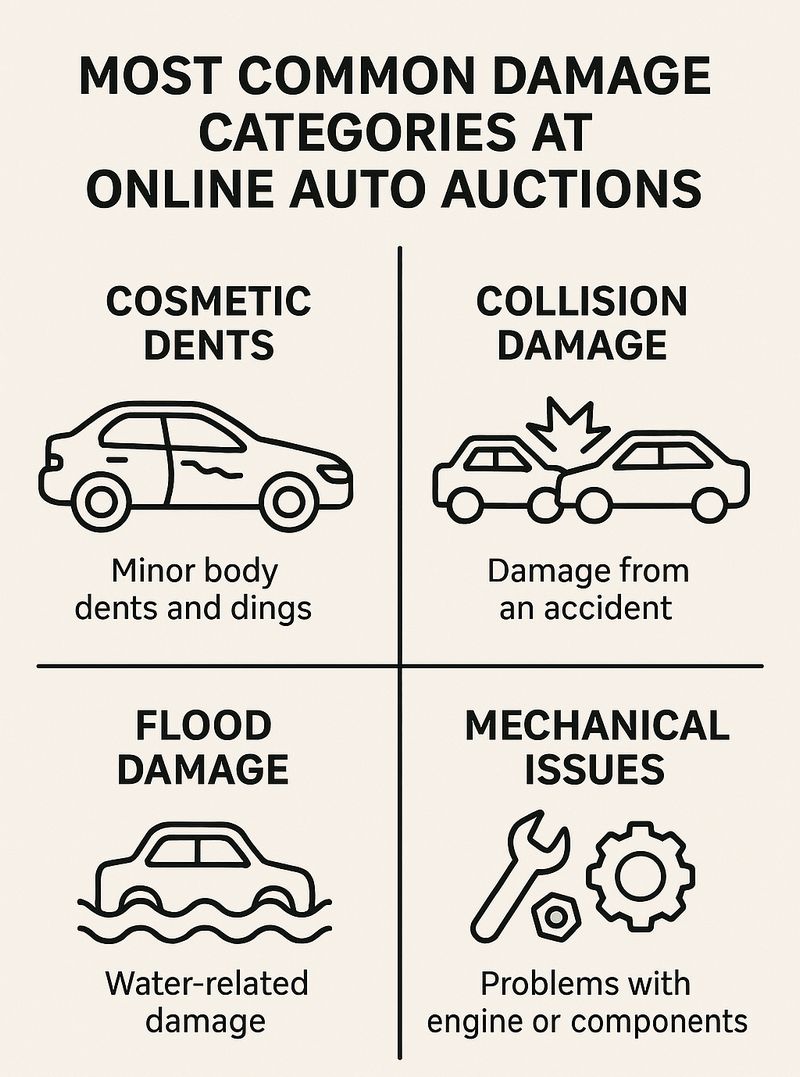
When buying cars at online auto auctions, knowing the most common types of damage helps budget-conscious buyers make smarter decisions. Some damage is minor and easy to fix, while others can affect safety, drivability, and resale value. Here’s a detailed breakdown of what to watch for.
Normal Wear and Tear
Normal wear and tear includes cosmetic or minor issues that occur with age and use, like faded paint, worn tires, or slight upholstery stains. These usually don’t affect performance and are relatively inexpensive to fix. For budget buyers, cars with normal wear and tear can be great deals if the mechanical systems are sound.
Minor Dents & Scratches
Minor dents & scratches, or small chips in the paint are very common in used cars. These don’t usually affect safety but may lower resale value. Examples include parking lot dings, curb scrapes, or small stone chips. Budget buyers can often repair these cheaply with DIY kits or professional touch-ups.
Collision Damage
Collision damage occurs when the vehicle has been involved in an accident. The severity can vary, so it’s important to inspect or check the auction report carefully.
Front-End Damage
Damage to the front of the car can affect the bumper, hood, headlights, radiator, and even the engine. Even minor front-end collisions may hide frame issues. Buyers should assess repair costs and consider whether structural repairs are required.
Rear-End Damage
Rear collisions often impact the trunk, bumper, tail lights, and sometimes the frame. While cosmetic fixes are straightforward, serious rear-end damage can compromise safety or cause alignment problems.
Side Impact Damage
Side collisions can harm doors, panels, and side airbags. These repairs can be costly, especially if airbags deployed or the frame was bent. Buyers should check for panel alignment, door function, and airbag replacement costs.
All-Over Damage
Some cars show damage across multiple areas from repeated accidents, poor care, or severe weather events. These vehicles often need extensive bodywork and careful inspection to determine if they’re worth the auction price.
Rollover Damage
Rollover accidents are serious and can affect the roof, frame, suspension, and interior. Even if the exterior is repaired, hidden structural damage may remain. Budget buyers should approach rollover vehicles with caution.
Mechanical Damage
Mechanical issues can make a car unsafe or unreliable. These are often more expensive to repair than cosmetic damage.
Engine Problems
Engine issues can range from minor oil leaks to major failures requiring a rebuild. Signs include unusual noises, smoke, or poor performance. A thorough inspection or professional mechanic review is crucial.
Transmission Issues
Transmission damage can cause slipping, hard shifting, or complete failure. Repairs are costly, and buyers need to factor these potential expenses into their budget when bidding.
Electrical Failures
Electrical systems control everything from lights to engine functions. Faulty wiring, dead batteries, or sensor failures can be tricky and expensive to fix, especially in modern vehicles with advanced electronics.
Flood/Water Damage
Water can cause extensive and hidden damage, affecting the engine, electrical systems, and interior components.
Signs of Flood Damage
Look for water stains, rust, mold, musty odors, and corrosion on electrical contacts. Even if the exterior looks fine, internal components may be compromised.
Saltwater vs. Freshwater Risks
Saltwater is particularly corrosive and can rapidly damage metal and electrical systems. Freshwater can also harm engines and interiors, but the long-term risks are usually less severe. Budget buyers should be extra cautious with any flood-damaged vehicles.
Fire/Burn Damage
Fire damage can be visible in the engine compartment or inside the vehicle and may affect safety and functionality.
Engine Compartment Fire
Fire in the engine bay can damage wiring, hoses, and engine components. Even after repairs, reliability may be compromised, and inspections are essential.
Interior Fire
Interior fires, such as those caused by electrical faults or accidents, can ruin upholstery, dashboards, and electronics. Vehicles with interior fire damage often require extensive restoration, which can be costly for buyers on a budget.
Hail Damage
Hailstorms can leave significant marks on vehicles, even if the car looks drivable. Hail damage may seem purely cosmetic, but it can lower resale value and sometimes hide more serious issues like cracked glass or leaks.
Roof & Hood Dents
The most obvious effect of hail is small to large dents on the roof, hood, or trunk. While these don’t usually affect functionality, extensive dents can be costly to repair professionally, especially on larger vehicles or those with complex curves.
Broken Glass
Severe hail can crack or chip windshields, side windows, or rear glass. Even small chips can expand over time and may require replacement before the car is safe to drive.
Theft Recovery Damage
Cars recovered after theft often show damage from forced entry or tampering with parts. These vehicles may appear cheap at auction, but repairs can be expensive.
Stripped/Plundered Vehicles
Thieves sometimes remove critical components, including engines, electronics, or catalytic converters. Replacing these parts can be costly, so buyers should carefully review the vehicle condition report.
Missing Parts
Even minor missing parts, such as mirrors, tires, or interior panels, add up in repair costs. For budget buyers, always check if replacement parts are readily available and affordable.
Vandalism Damage
Vandalized cars can have visible and hidden damage that affects usability and aesthetics.
Broken Windows
Windows are a common target, leaving shattered glass in the interior. Repairs include replacing the glass and fixing any associated electrical or trim damage.
Spray Paint & Interior Damage
Spray paint, scratches, or graffiti can be costly to remove. Interior vandalism may include ripped seats, damaged dashboards, or stolen electronics, all of which require attention before resale or daily use.
Biohazard/Chemical Damage
Some cars have been exposed to mold, chemicals, or other hazardous materials. These vehicles require special care and thorough cleaning before they can be safely used.
Mold & Contamination
Flooded or neglected interiors can develop mold, which is harmful to health and difficult to remove. Buyers must inspect the cabin thoroughly for odors, stains, and visible growth.
Chemical Spills
Spills from fuel, battery acid, or other chemicals can corrode components or contaminate upholstery. Remediation is often expensive and sometimes impossible without replacement.
Undercarriage Damage
Damage under the car affects suspension, steering, and drivetrain, and is often less visible than body damage.
Suspension Damage
Impacts from potholes, curbs, or off-road driving can bend suspension components, causing alignment issues and uneven tire wear. Repairs can be expensive and affect drivability.
Off-Road Impacts
Cars that have been driven off-road may have dents, scrapes, or damage to skid plates, exhausts, and drivetrain components. Buyers should check for leaks and mechanical issues in these vehicles.
Partial/Incomplete Repair
Some auction cars have been partially repaired, which can hide ongoing problems or compromise safety.
Poor-Quality Fixes
Cheap or unprofessional repairs may look fine at first but can fail over time. Examples include misaligned panels, weak welds, or mismatched paint.
Rejected Repairs
Sometimes insurance or previous owners reject full repairs due to cost. Vehicles may still have structural or cosmetic issues that affect value and safety.
VIN-Related Damage
The vehicle identification number (VIN) can reveal hidden history issues and potential legal problems.
VIN-Replaced VIN
A replaced VIN may indicate serious past damage, theft recovery, or insurance claims. Always verify replacement details with official records.
Missing/Altered VIN
Missing or altered VINs are a major red flag. They may indicate stolen vehicles, fraud, or vehicles with unclear histories. Budget buyers should avoid cars with questionable VIN status.
Additional Specific Damage Areas to Inspect
Even when cars look fine at first glance, certain areas are prone to damage that can affect safety, drivability, and repair costs. Budget-conscious buyers should pay attention to these spots to avoid surprises after the auction.
Hood Damage
The hood often suffers from dents, scratches, or misalignment caused by minor accidents or poor repairs. Check for uneven gaps between the hood and fenders, signs of repainting, or rust along the edges. Hood damage can sometimes indicate prior front-end collisions, which may have affected underlying components like the radiator or engine bay.
Roof/Top Damage
The roof is vulnerable to hail, falling debris, or rollover accidents. Even small dents can be costly to fix on curved or panoramic roofs. Inspect the roof for rust, paint inconsistencies, and leaks around sunroofs or roof racks, which could indicate water damage or structural issues.
Wheel & Tire Damage
Wheels and tires reveal both cosmetic and mechanical issues. Bent rims, curb damage, or uneven tire wear can indicate suspension problems or alignment issues. Tires themselves should be inspected for cracks, bald spots, and mismatched sets — all of which may require replacement.
Interior Wear and Tear
Seats, carpets, dashboards, and trim often show signs of neglect, such as stains, rips, or broken components. Excessive interior wear may signal that the car was heavily used or poorly maintained, and fixing it can add to the overall cost.
Body Corrosion & Rust
Rust is one of the most damaging issues for a car’s longevity. Check wheel wells, undercarriage, door sills, and the edges of panels for corrosion. Even small rust spots can spread quickly, especially in areas exposed to road salt or moisture. Budget buyers should carefully consider whether the cost of rust repair outweighs the auction savings.
How Damage Status Is Described on US Insurance Auctions
When browsing online auto auctions, understanding how damage is labeled can save budget-conscious buyers from costly mistakes. US insurance auctions use standardized terms to describe the affected area or type of damage. Knowing these labels helps you quickly assess repair needs and potential risks before bidding.
“Front End”
“Front End” indicates damage to the front of the vehicle, including the bumper, hood, headlights, and potentially the engine compartment. Buyers should look for signs of frame damage, radiator issues, or airbag deployment, as front-end repairs can be expensive.
“Rear End”
“Rear End” refers to damage at the back of the car, affecting the trunk, bumper, tail lights, and sometimes the frame. Minor rear-end damage might be cosmetic, but serious impacts can cause alignment problems and costly structural repairs.
“Side”
Side damage covers the vehicle’s doors, side panels, and sometimes side airbags. Even small dents or scratches can signal prior accidents, and major side impacts can compromise safety. Buyers should inspect panels and check for uneven gaps or misaligned doors.
“Burn”
“Burn” indicates fire damage, which may affect the engine, interior, or electrical systems. Engine compartment fires can impair drivability, while interior fires often require extensive restoration. These vehicles are risky for budget buyers unless they plan to rebuild.
“Hail”
“Hail” shows damage from storms, typically small to medium dents on the roof, hood, or trunk. While mostly cosmetic, hail can also crack windows and lower resale value. Repair costs vary depending on severity and vehicle type.
“Water/Flood”
“Water/Flood” signifies damage from flooding or water exposure. This can lead to electrical failures, engine problems, rust, and mold. Budget buyers should be cautious, as these issues are often hidden and expensive to fix.
“All Over”
“All Over” describes vehicles with widespread damage across multiple areas. This can include repeated collisions, vandalism, or storm damage. Buyers need to consider whether repairs are feasible within their budget.
“Mechanical”
“Mechanical” indicates problems with the engine, transmission, suspension, or other drivetrain components. These repairs are often costly and directly affect the car’s reliability and safety.
“Biohazard/Chemical”
“Biohazard/Chemical” tags show vehicles exposed to harmful substances, such as mold, blood, or chemical spills. Cleanup and decontamination are required, adding significant cost and effort before the car is safe to use.
“Undercarriage”
“Undercarriage” refers to damage under the vehicle, including the suspension, exhaust, frame, or skid plates. These issues often affect drivability and safety, and repairs can be complicated and expensive. Budget buyers should inspect undercarriage photos and condition reports carefully.
Cost Considerations for Damaged Vehicles
Buying a damaged car at an online auction can be a smart way to save money — but understanding the costs involved is essential for budget-conscious buyers. Even small repairs can add up, so knowing how to estimate expenses and identify deal-breaking damage helps you make smarter bids.
Estimating Repair Costs
Start by identifying the type and extent of damage. Cosmetic issues like scratches, minor dents, or paint chips are usually inexpensive. Structural or mechanical problems, such as frame damage, engine issues, or transmission failures, can be very costly. Use online guides, repair shops, or auction-provided condition reports to estimate the cost of parts and labor. Accurate estimates allow you to bid confidently without overspending.
When Damage Is Cheap to Fix
Some damage is easy and affordable to repair, making the car a good bargain. Examples include:
- Small dents and dings
- Minor paint scratches or touch-ups
- Broken mirrors or light covers
- Worn tires or minor suspension adjustments
Budget buyers can factor these minor repairs into the total cost and still come out ahead compared to market value for a similar undamaged vehicle.
When Damage Is a Deal-Breaker
Certain types of damage can make a vehicle a poor investment, even at a low auction price. Deal-breakers include:
- Major frame or structural damage
- Flood/water damage affecting the engine or electronics
- Fire damage to the engine or interior
- Theft-recovery vehicles missing critical parts
If repairs are likely to exceed the savings, it’s wiser to pass on these cars and focus on safer options.
Tools and Reports That Help with Budget Planning
Several resources can help estimate costs and plan your auction strategy:
- Auction Condition Reports: Detail visible and mechanical damage.
- Vehicle History Reports: Provide insight into accidents, previous repairs, and title status.
- Repair Cost Calculators: Online tools can estimate parts and labor costs.
- Mechanic Inspections: Some auctions allow pre-purchase inspections for a fee.
Using these tools ensures you understand potential expenses and helps budget-conscious buyers make smart, cost-effective choices when bidding.
Final Tips for Auction Buyers
Buying a car at an online auction can save you a lot of money, but it comes with risks. For budget-conscious buyers, knowing how to protect yourself and make informed decisions is key. Here are some practical tips to maximize your savings while minimizing surprises.
How to Avoid Overpaying
Set a firm budget before the auction and stick to it. Factor in repair costs, taxes, and transportation fees. Avoid getting caught up in bidding wars — just because a car looks appealing doesn’t mean it’s a bargain. Compare similar vehicles and their damage history to determine a fair price.
How to Read Photos Correctly
Photos can be deceiving. Look closely at angles, reflections, and lighting to spot dents, scratches, or misaligned panels. Zoom in on wheels, undercarriage shots, and interior areas. If something looks suspicious or unclear, rely on condition reports or request additional images if the auction allows.
When to Walk Away
Not every car is worth the risk. Walk away if:
- Repair costs exceed your budget
- The title is questionable (salvage, rebuilt, flood)
- Photos or reports indicate extensive hidden damage
Being willing to pass on a tempting car often saves more money and stress in the long run.
Using a Professional Inspector
Consider hiring a licensed mechanic or inspector, especially for high-value or heavily damaged vehicles. They can identify hidden mechanical or structural issues and give you a realistic estimate of repair costs. This helps prevent costly surprises after the purchase.
Checklist Before Confirming Your Bid
Before placing a bid, review a simple checklist:
- Confirm title type and history
- Review damage reports and photos thoroughly
- Estimate repair costs and factor them into your budget
- Verify transportation and auction fees
- Check for hidden damage alerts like flood, fire, or biohazard tags
Following this checklist ensures that your auction purchase is safe, cost-effective, and aligns with your budget goals.
Are you interested in buying a vehicle from Online Auto Auctions?
With this being said – you can still export vehicles and save up a few thousand dollars with Bidndrive. We have an inventory of over 150k plus vehicles with titles you can export for you to choose from. Once you have placed your bid and won the auction a Bill of Sale document is then emailed to you as proof of purchase – after full payments have been made.
To gain access and get started on your purchase, sign up for free.
Further Reading:
Estimating Car Damage
Common Car Flood Damage Symptoms
Examining Flood-Damaged Salvage Vehicles
How to Fix Hail Damage to Your Car: A Comprehensive Guide
Frequently Asked Questions
- What is car damage?
- What is a damaged car called?
- What is a word for a damaged car?
- Can I drive my damaged car?